

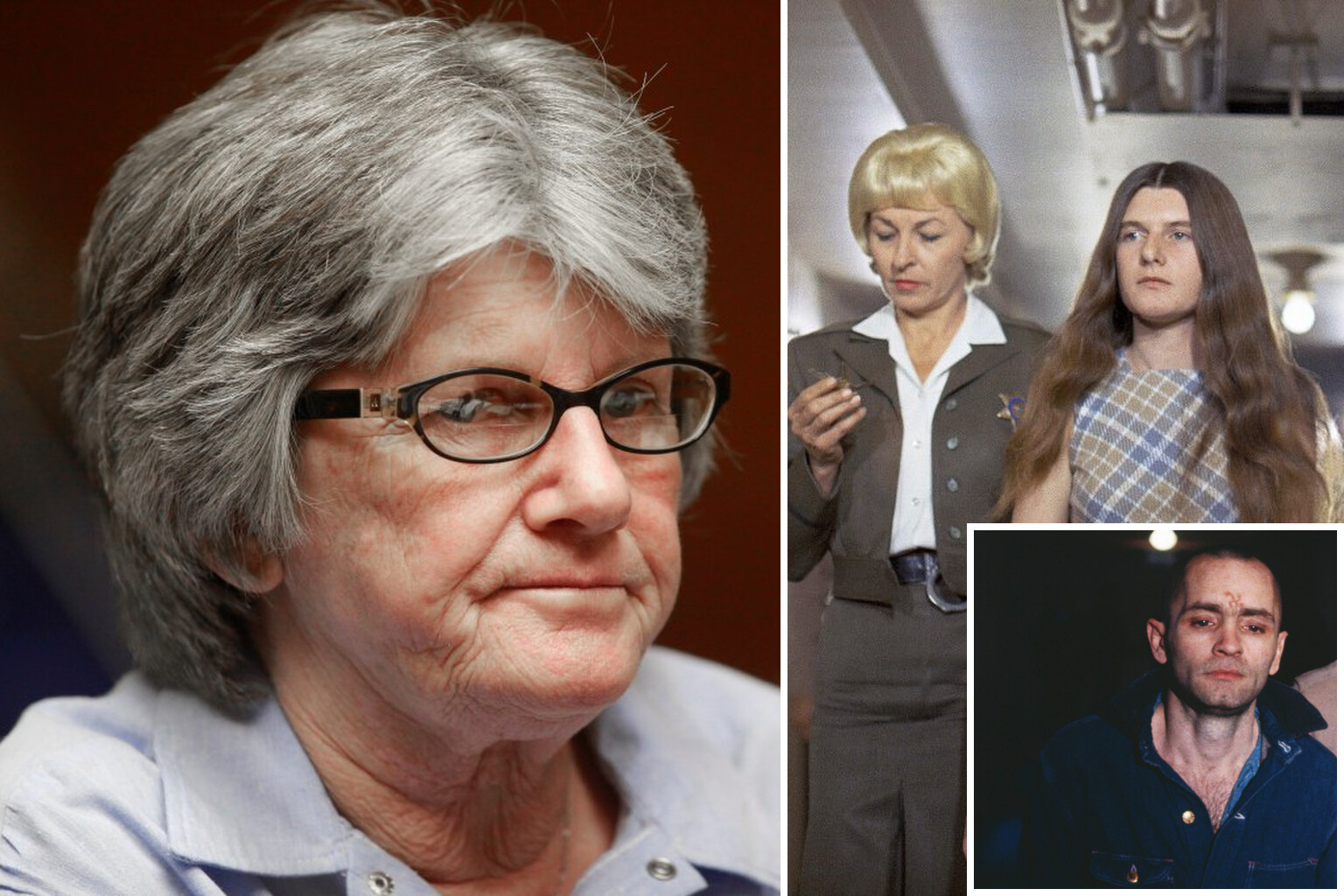
Patricia Krenwinkel has been granted parole again, setting up another showdown with California’s governor.
The 78-year-old Manson family member, now the state’s longest-serving female prisoner, received preliminary parole approval Tuesday at her 18th subsequent suitability hearing, according to the California Department of Corrections and Rehabilitation. The decision revives a cycle that has played out twice before in recent years.
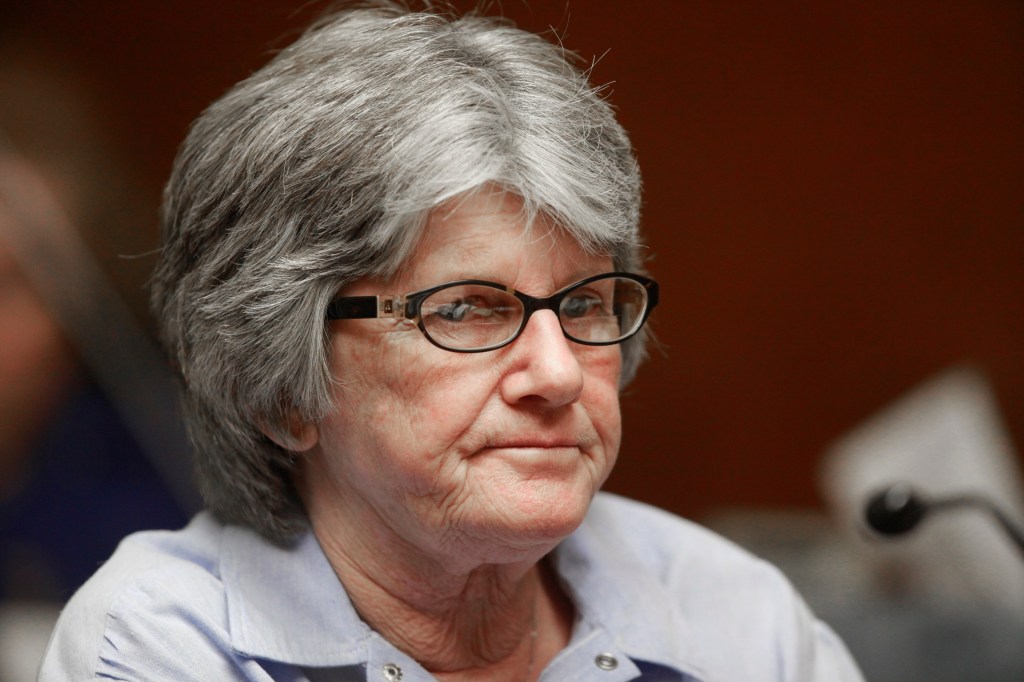
CDCR officials emphasized the tentative nature of the ruling in a statement. “All grants of parole are proposed decisions and become final only after a thorough and comprehensive review by the Board of Parole Hearings and the Governor,” they said.
That review process is extensive. Under California law, parole commissioners must determine whether an incarcerated person currently poses an unreasonable risk to public safety. The evaluation draws on risk-assessment tools, forensic psychology reports, the inmate’s prison record, parole plans and impact statements from victims or their families.
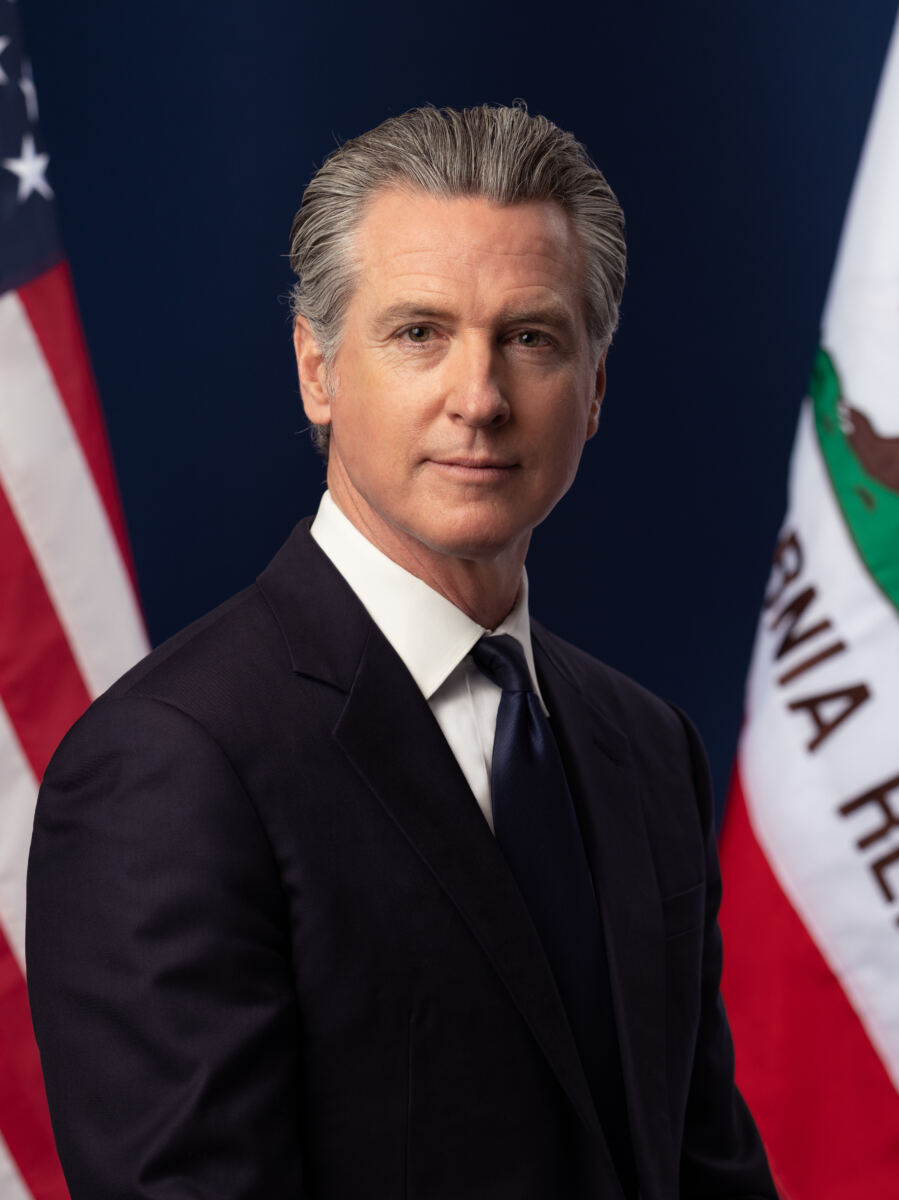
Krenwinkel’s case now enters a 120-day review period by the Board of Parole Hearings. Because she was convicted of murder, Gov. Gavin Newsom then has an additional 30 days to review the decision and may allow it to stand or reverse it. If he reverses the parole decision, Krenwinkel would be scheduled for another hearing within 18 months of Tuesday’s hearing, according to CDCR.
Newsom has twice before exercised that power against Krenwinkel. She was most recently granted parole on May 30, but the governor reversed the decision on Oct. 13. A parole board panel had also recommended parole for her in May 2022, and Newsom reversed that decision later that year.
In his October 2025 reversal, Newsom acknowledged Krenwinkel’s institutional progress. He commended her for her “efforts to improve herself in prison,” including earning multiple college degrees and maintaining “an excellent disciplinary history.”
But he ultimately found those factors insufficient. “When considered as a whole, I find the evidence shows that she currently poses an unreasonable danger to society if released from prison at this time. Therefore, I reverse the decision to parole Ms. Krenwinkel,” Newsom wrote.
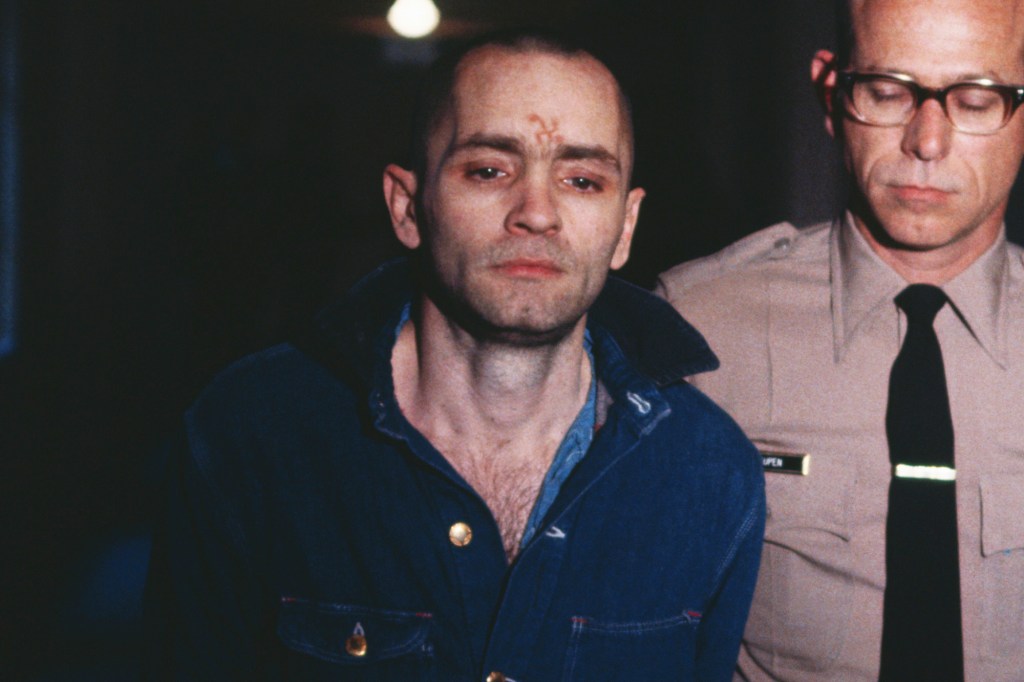
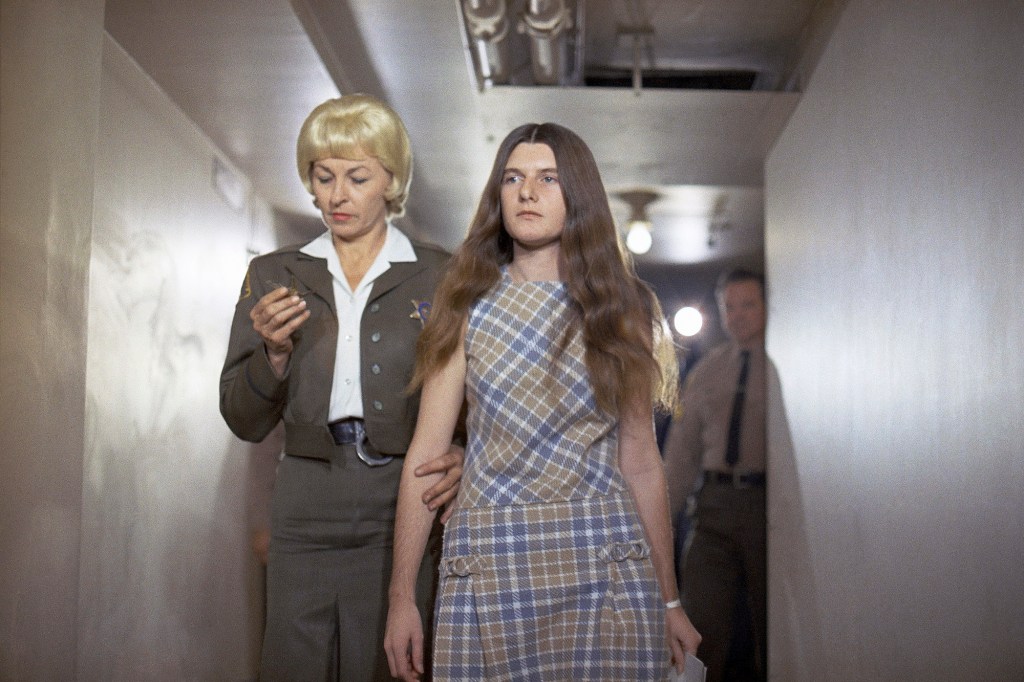
Krenwinkel was convicted of seven counts of first-degree murder in 1971 for her participation in the Aug. 9, 1969, killings of pregnant actress Sharon Tate, Thomas Jay Sebring, Abigail Ann Folger, Wojciech Frykowski and Steven Earl Parent, along with the slayings of grocers Leno and Rosemary LaBianca the following day. She acted alongside fellow Manson family members Charles “Tex” Watson and Leslie Van Houten.
She originally received a death sentence, but it was reduced to life in prison under a California Supreme Court ruling that invalidated all death sentences before 1972.
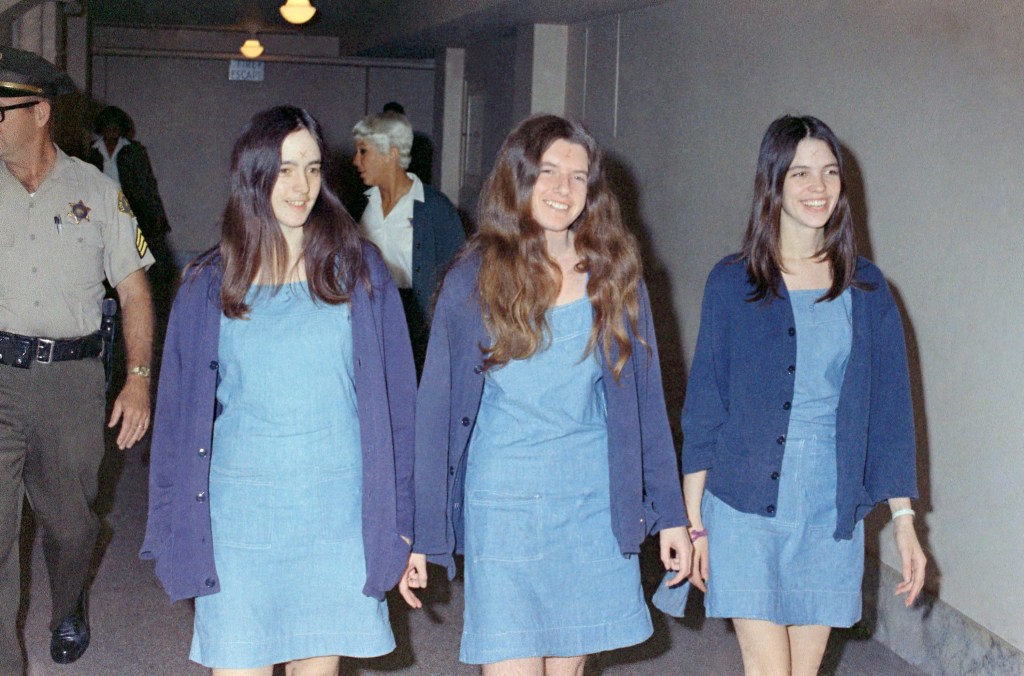
The repeated parole recommendations for Krenwinkel come amid divergent outcomes for Manson family members seeking release. Fellow follower Leslie Van Houten was denied parole in a separate decision, while another Manson “family” killer has been paroled, though the killings remain seared in American memory decades later.
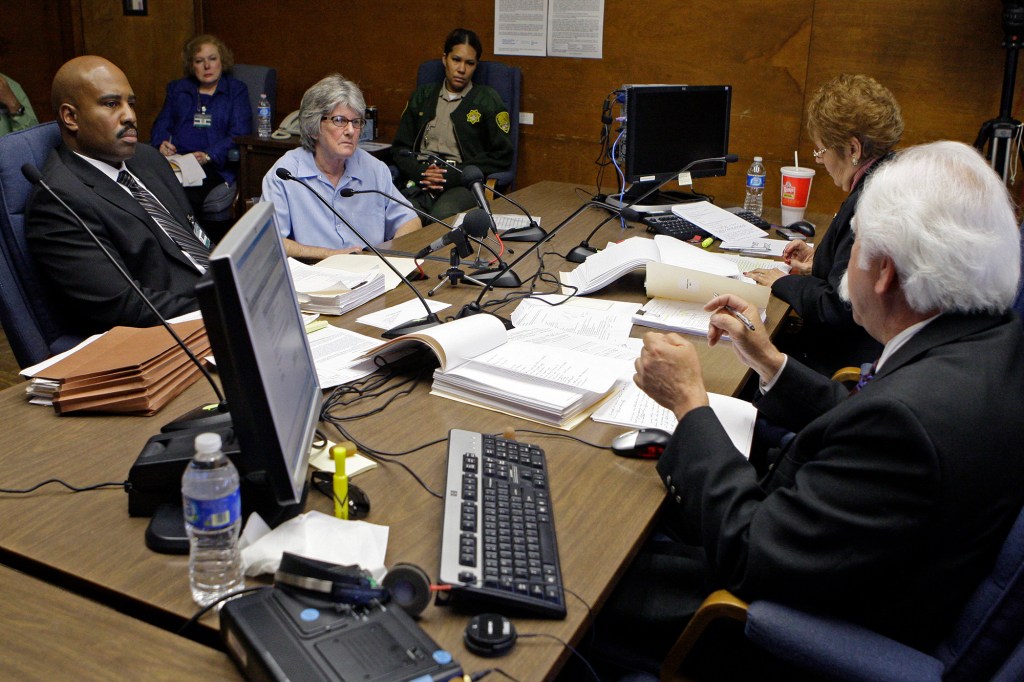
Krenwinkel’s decades behind bars have made her a focal point in ongoing debates about rehabilitation, punishment and the possibility of release for those convicted of the most notorious crimes in California history. Her case has now generated three parole recommendations since 2022, each advancing to the governor’s desk.
The current process gives Newsom until roughly late October to render his decision, assuming the Board of Parole Hearings completes its review within the allotted 120 days.