

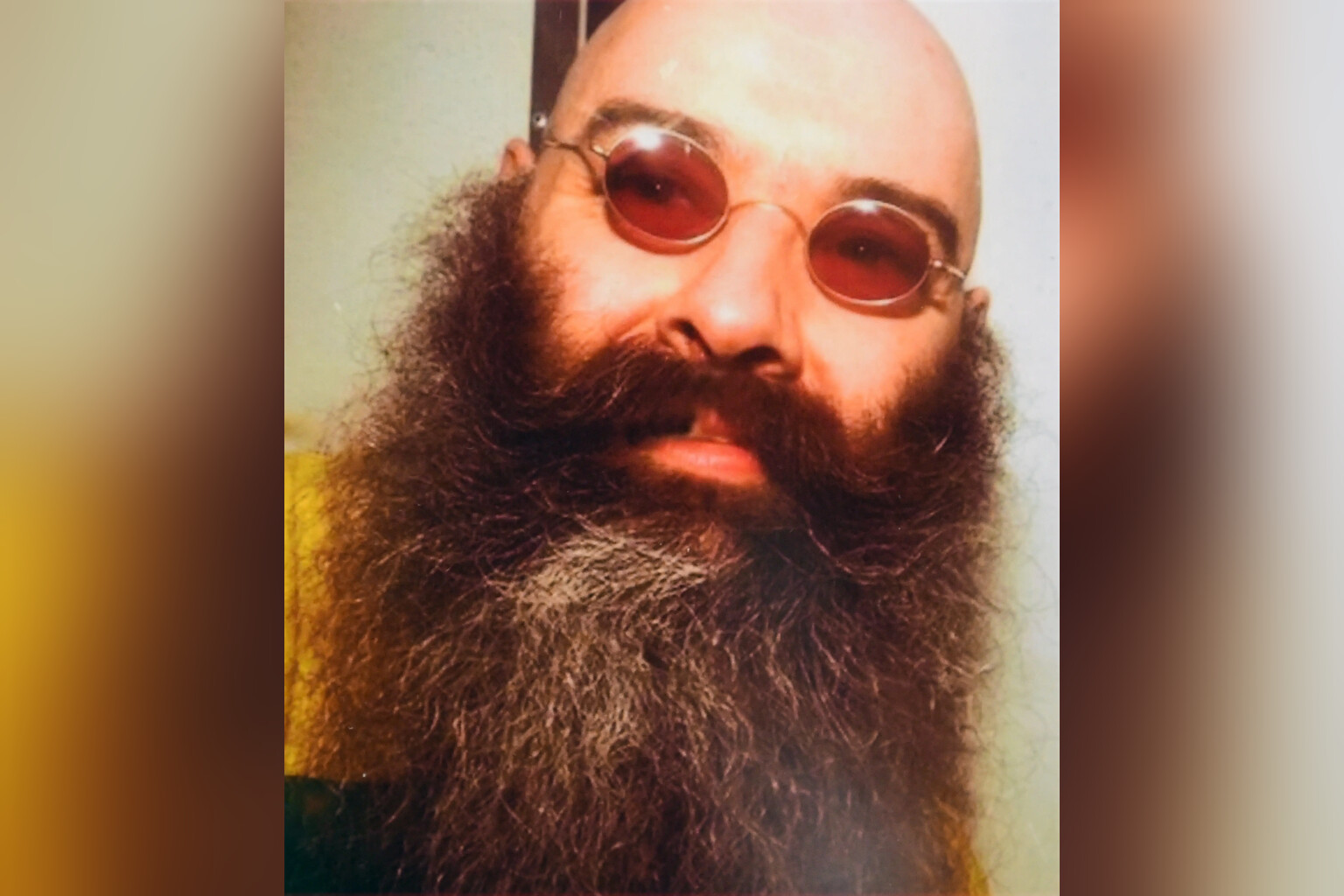
Charles Bronson could walk free by Christmas if his November parole hearing succeeds.
The 73-year-old, one of Britain’s longest-serving prisoners, is set for a two-day oral hearing starting November 2 that will determine whether he can safely be released into the community. Bronson, who now goes by Charles Salvador, has spent more than five decades behind bars after his initial armed robbery conviction in 1974.
His solicitor, Gurdeep Singh, said that the inmate is “delighted” with the progress of his case. Singh added that Bronson “is under no illusions” about the difficulty ahead after eight previous parole bids were rejected.
“Mr Salvador is delighted with the fact he has been progressed to a full hearing but he is under no illusions; this is just the start of the fight for his release,” Singh said.
The Luton-born criminal was first locked up at age 22 for armed robbery, but his initial seven-year sentence stretched indefinitely after multiple attacks on prisoners and guards. He briefly tasted freedom in 1987, only to be convicted of a second armed robbery the following year. His most notorious incident came in 1999, when he held a prison teacher hostage for nearly 48 hours, earning him a discretionary life sentence with a four-year minimum term.
Singh said his client now hopes to demonstrate genuine transformation to the Parole Board panel. “He wants to show the world he is not the person he was, he hopes to convince the panel that he is a changed man intent on living a simple life in the outside world,” the solicitor said.
The Parole Board outlined its rigorous process in a statement. “An oral hearing has been listed for the parole review of Charles Salvador and is scheduled to take place in November 2026,” a spokesperson said.
“Parole Board decisions are solely focused on what risk a prisoner could represent to the public if released and whether that risk is manageable in the community. A panel will carefully examine a huge range of evidence, including details of the original crime, and any evidence of behaviour change, as well as explore the harm done and impact the crime has had on the victims.”
The spokesperson continued, “Members read and digest hundreds of pages of evidence and reports in the lead up to an oral hearing. Evidence from witnesses including probation officers, psychiatrists and psychologists, officials supervising the offender in prison as well as victim personal statements are then given at the hearing.”
“The prisoner and witnesses are then questioned at length during the hearing which often lasts a full day or more. Parole reviews are undertaken thoroughly and with extreme care. Protecting the public is our number one priority.”
If the panel approves release, Bronson could also be moved to a lower-security prison or onto a wing with other inmates first, allowing officials to assess how he adapts after years of solitary confinement.
Singh noted that his client has personal reasons for hoping this bid succeeds. “He has high hopes he can see his 95-year-old mother this year,” the solicitor said.
The hearing marks Bronson’s ninth attempt at securing freedom, with each previous application rejected by authorities.