

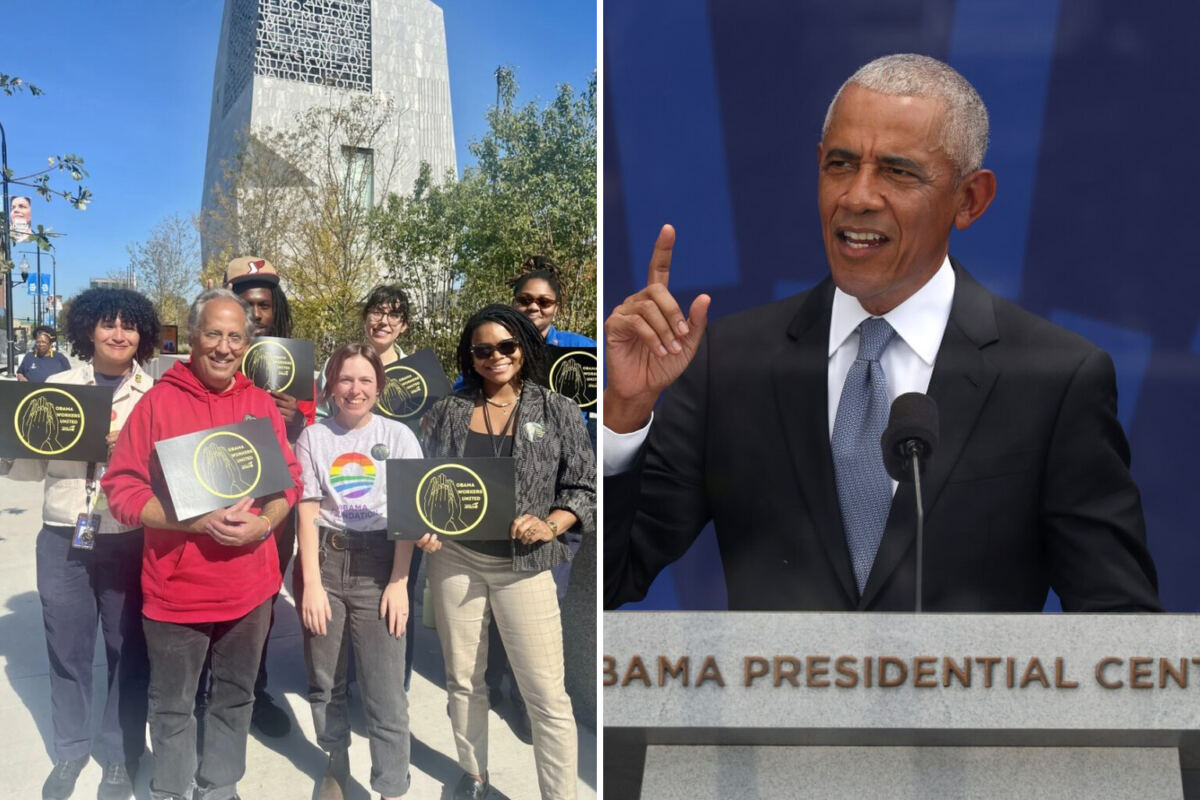
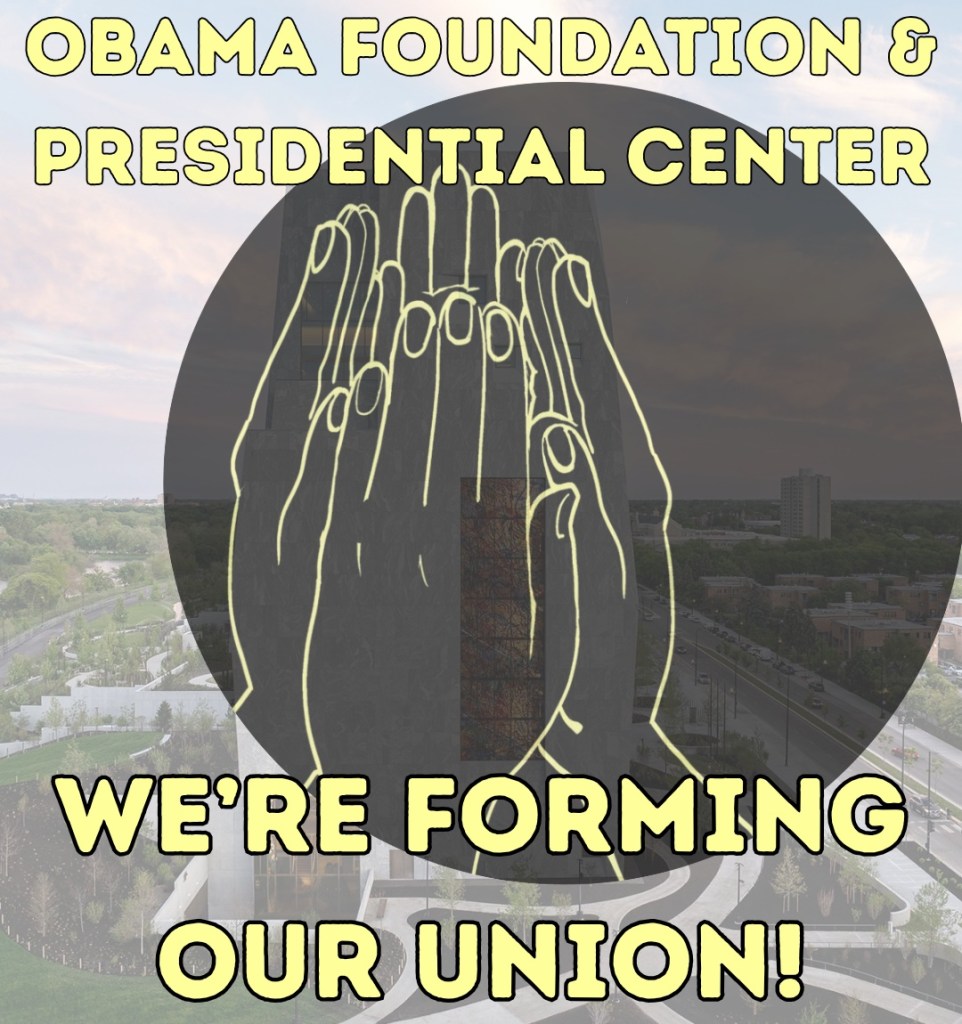
Workers at the Obama Presidential Center in Chicago announced Wednesday they are organizing to form a union, circulating a letter that cited benefit cuts, frozen pay, and swelling workloads at the $900 million complex.
The letter, distributed to staff, accused administrators of offering only “vague responses” to a list of complaints employees had previously raised, according to the document. The center opened to the public in June, making the organizing drive one of the earliest major labor actions at a presidential library in its opening months.
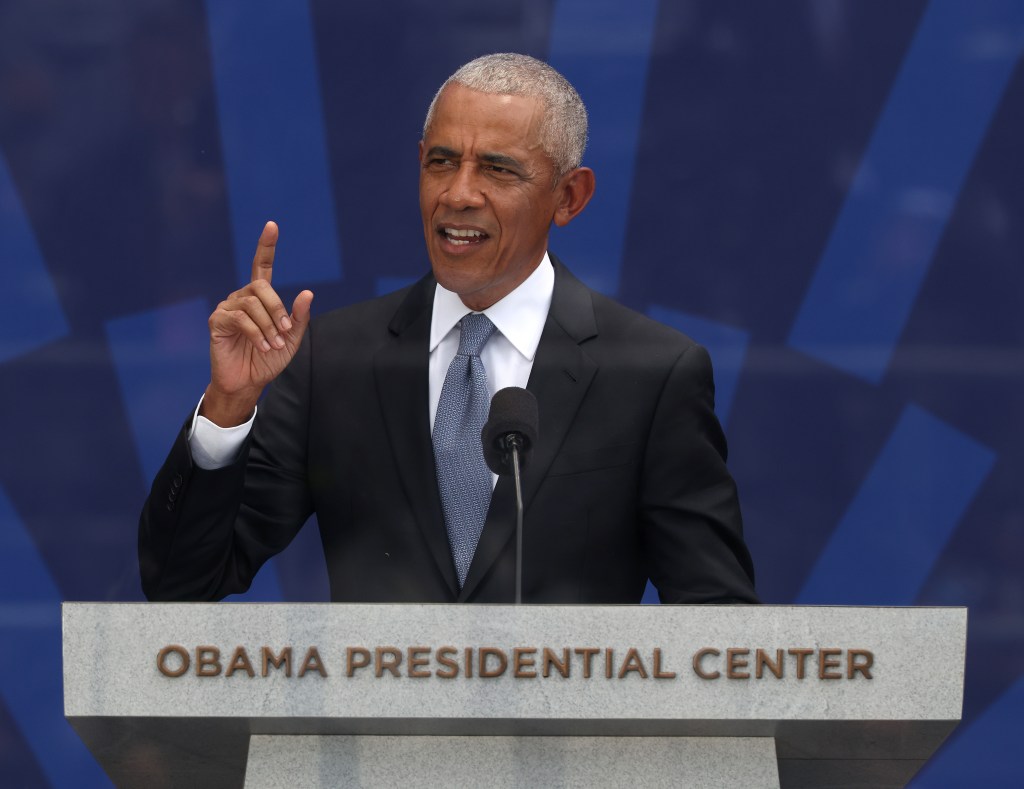
The employees leaned heavily on Barack Obama’s own rhetoric to bolster their case, quoting a 2016 statement in which the former president endorsed collective action. “If I were looking for a good job that lets me build some security for my family, I’d join a union,” the letter quoted Obama as saying. “If I saw a problem in my workplace, I’d organize my coworkers to do something about it.”
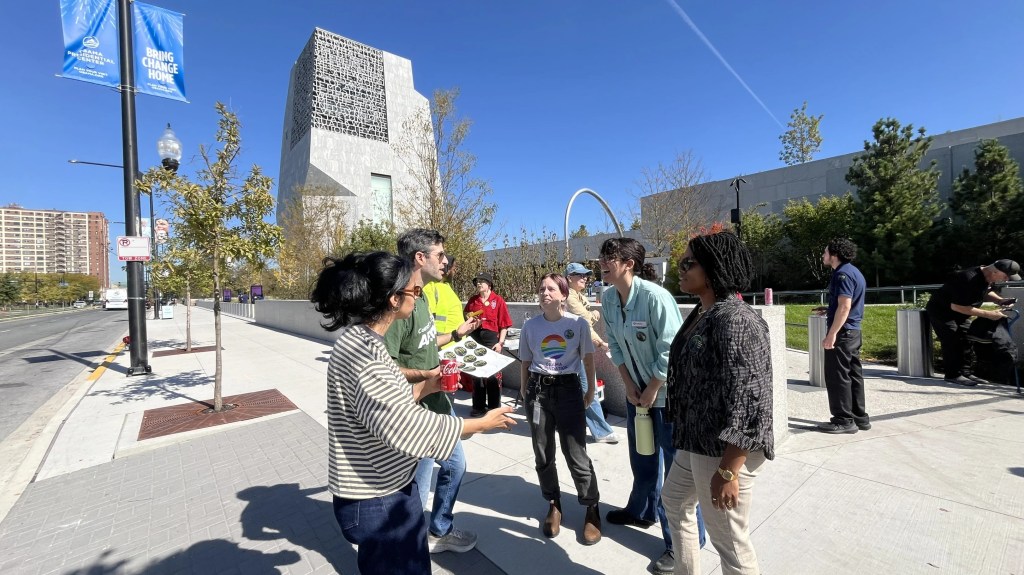
The workers pointed to a halt on raises and promotions, rising healthcare costs, and reduced paid time off as central grievances. They also warned that conditions had produced a “high turnover rate,” with departing employees “taking with them their institutional knowledge and expertise.”
Some observers interpreted the complaints as a possible signal of financial strain at the institution. The Obama Foundation, which financed construction of the library, reported $1.1 million in assets last year, according to tax documents. Revenue dropped from $210 million in 2024 to $159 million.
The foundation has not publicly responded to the unionization letter or the specific allegations raised by workers. The organizing effort comes as cultural institutions nationwide face pressure over labor practices, with museum and library workers increasingly turning to union drives.
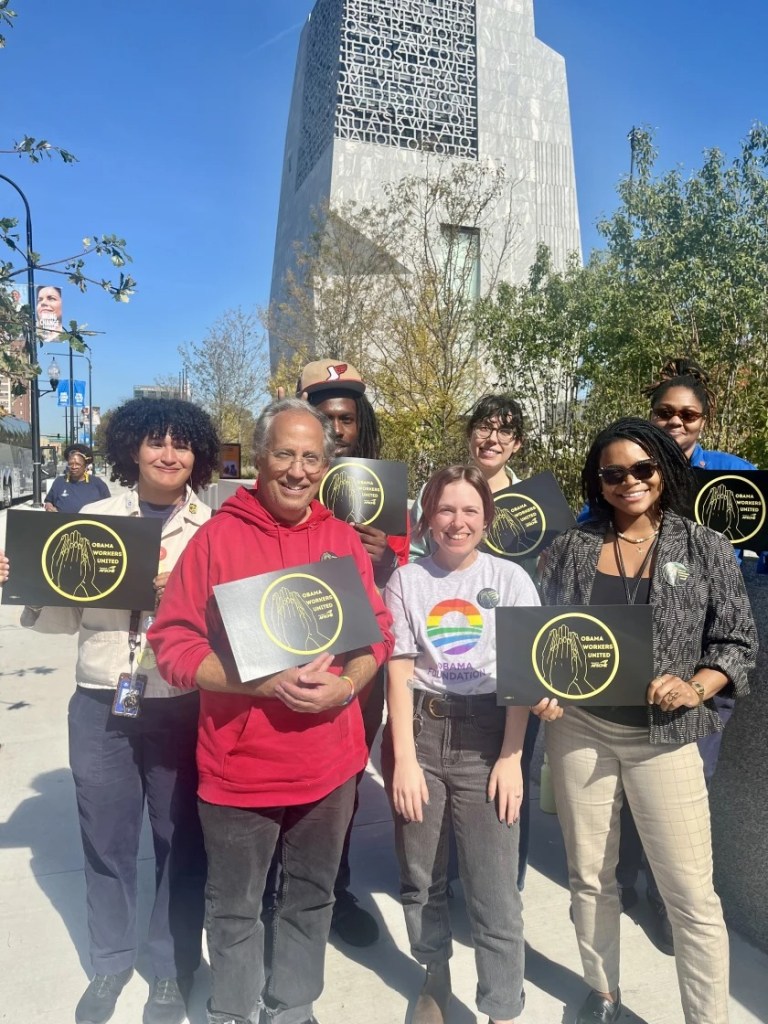
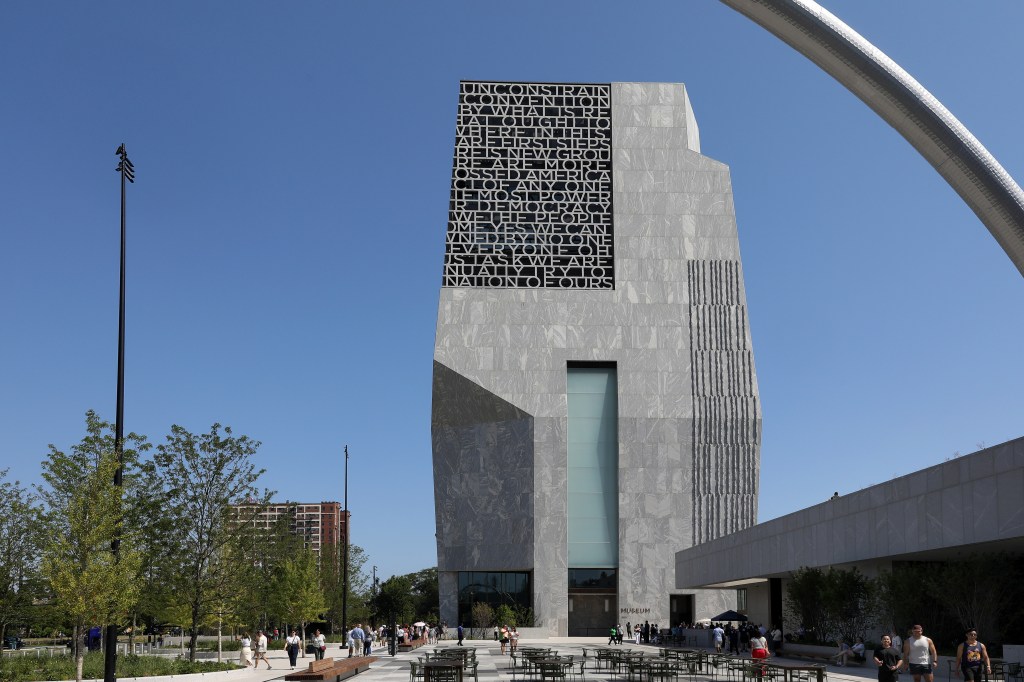
The Chicago complex, situated on the city’s South Side, represents a major legacy project for Obama, who began his political career in the city. The center combines archival functions with museum exhibitions and community programming, employing staff across curatorial, educational, facilities, and administrative roles.
Presidential libraries have historically seen uneven labor organizing, with some operated by the National Archives and Records Administration and others, like Obama’s, managed by private foundations. The hybrid model has created varying conditions for workers at different institutions.
The letter’s authors framed their action as consistent with the values Obama himself articulated both in office and since leaving the White House. The 2016 quote referenced by workers came from a period when Obama was actively campaigning for Democratic candidates and making pro-union arguments a staple of his political appearances.
Whether the former president will weigh in directly on the organizing effort remains an open question. Obama has maintained a public profile focused on his foundation’s work, podcasting, and selective political commentary since leaving office in 2017.
The workers’ decision to organize four months after the center’s opening suggests tensions escalated rapidly following the June launch. The compressed timeline from public debut to union drive stands out even in an era of heightened labor activism across the nonprofit and cultural sectors.
Tax filings show the Obama Foundation’s revenue decline coincided with the center’s construction completion and transition to operations. The drop from $210 million to $159 million represents a significant contraction for an organization that had previously reported robust fundraising during the building phase.
The unionization letter did not specify which labor organization the workers might affiliate with or what formal next steps the group planned to take under National Labor Relations Board procedures.
The Obama Presidential Center’s next major public programming has not been announced.