

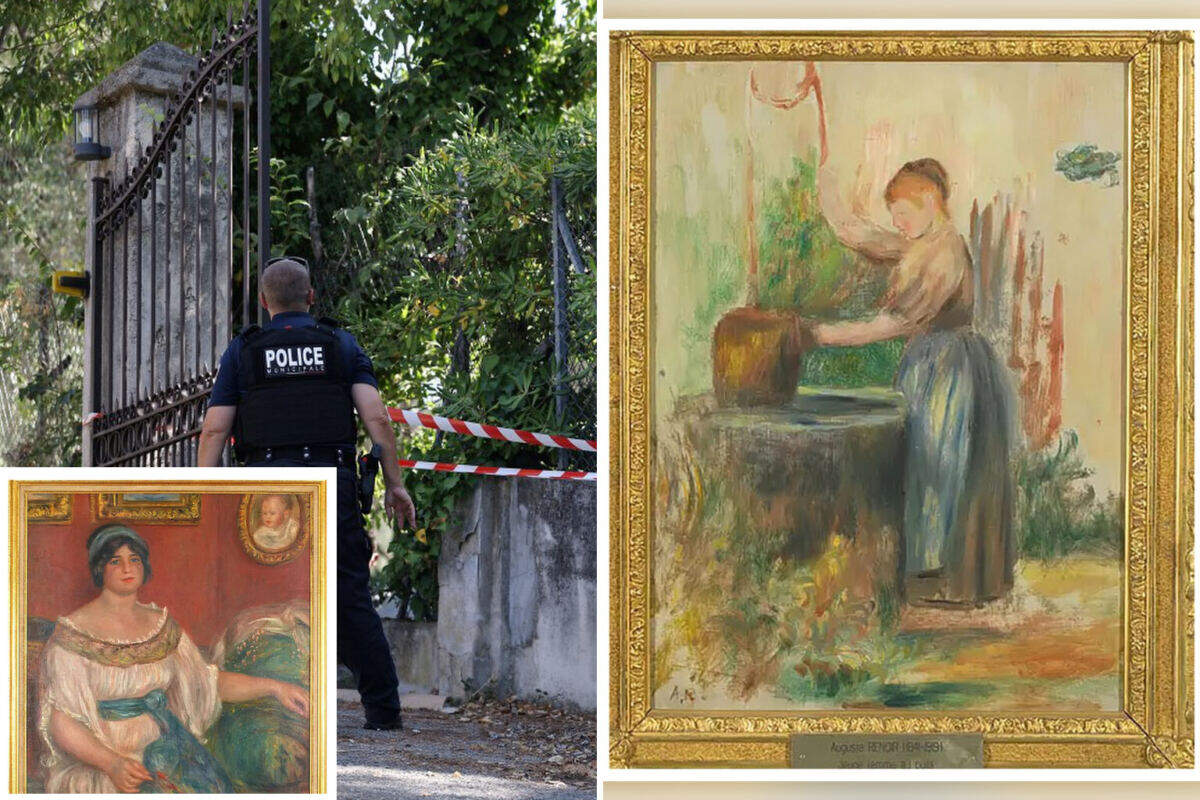
Six suspects are in custody after authorities recovered two Pierre-Auguste Renoir paintings stolen from a French museum last month.
The mayor of Cagnes-sur-Mer, Bryan Masson, issued a statement praising investigators who tracked down the works and the alleged perpetrators. The statement did not elaborate on how investigators located the paintings or identified the suspects.
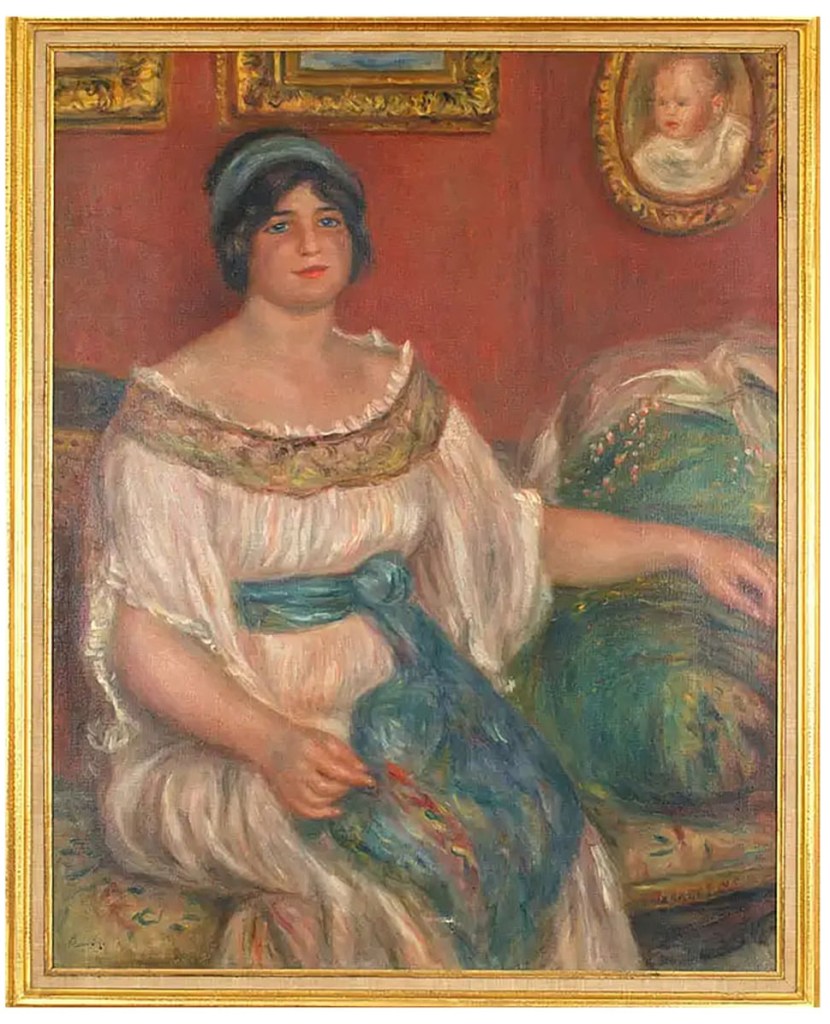
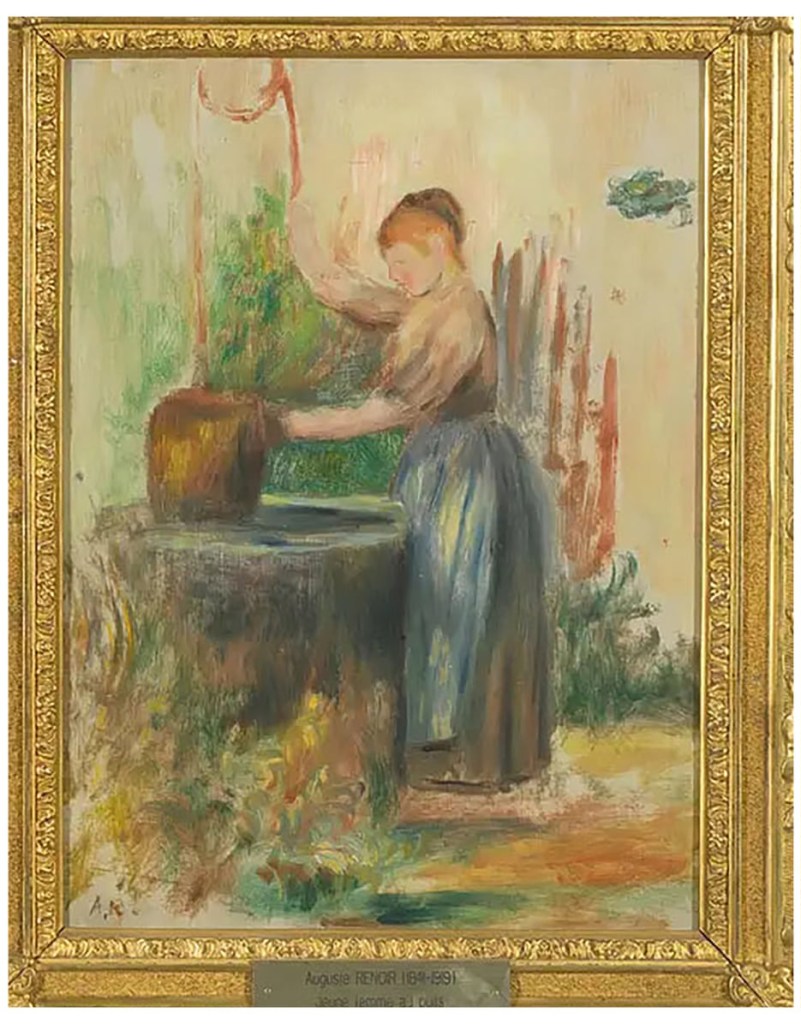
The two recovered paintings are “Portrait of Madame Colonna Romano” and “Young Woman at the Well.” Both were taken from the Renoir Museum in Cagnes-sur-Mer, a town on the French Riviera where the Impressionist master spent his final years.
The heist unfolded with startling speed. The whole operation took less than three minutes, according to the regional prosecutor’s office. The thieves sliced through a fence, climbed through a window, and initially made off with four valuable Renoir paintings. They abandoned two of the artworks as they fled, authorities said.
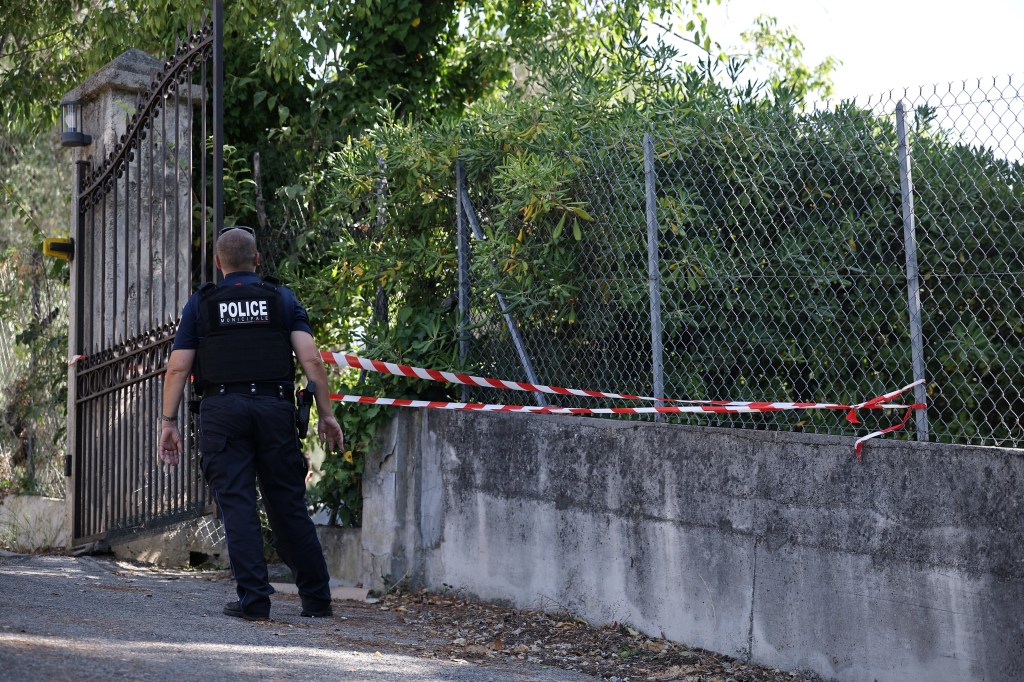
Investigators launched a national search for the perpetrators following the theft. The targeted works were the most valuable pieces in the museum’s collection, the regional prosecutor’s office noted.
The theft last month stirred uncomfortable memories of the spectacular crown jewels heist at the Louvre Museum in Paris the previous year. That earlier robbery, which made global headlines, exposed vulnerabilities at even France’s most prestigious cultural institutions.
The Renoir Museum case has revived calls for better security and increased funding for cultural sites across France. The country maintains thousands of museums and heritage locations, from major Parisian institutions to smaller regional collections like the one in Cagnes-sur-Mer.
The regional prosecutor’s office and police did not immediately respond to requests for comment following Friday’s announcement. Masson scheduled a news conference for later Friday to address the recovery and arrests.
The Renoir Museum sits in the town where the artist lived from 1907 until his death in 1919. The museum houses a significant collection of his paintings, sculptures, and personal effects, drawing visitors to the Mediterranean coast to see works created in the final phase of his career.
The recovered paintings represent notable examples from Renoir’s body of work. “Portrait of Madame Colonna Romano” and “Young Woman at the Well” were specifically selected by the thieves as the most valuable pieces in the collection, suggesting the perpetrators had scoped the museum beforehand or possessed knowledge of its holdings.
The case highlights ongoing challenges in protecting cultural heritage sites throughout France. Despite high-profile incidents like the Louvre crown jewels theft, many smaller museums continue to operate with limited security resources compared to national institutions.
Masson’s statement offered no details about the condition of the recovered paintings or whether they sustained damage during the theft or subsequent concealment. The fate of the two works abandoned during the escape also remained unclear.
The six arrested individuals have not been publicly identified, and authorities did not specify their alleged roles in the heist or whether they face charges related to the theft itself or receiving stolen goods.
The mayor’s scheduled news conference was expected to provide additional details about the investigation and the path to recovery.