

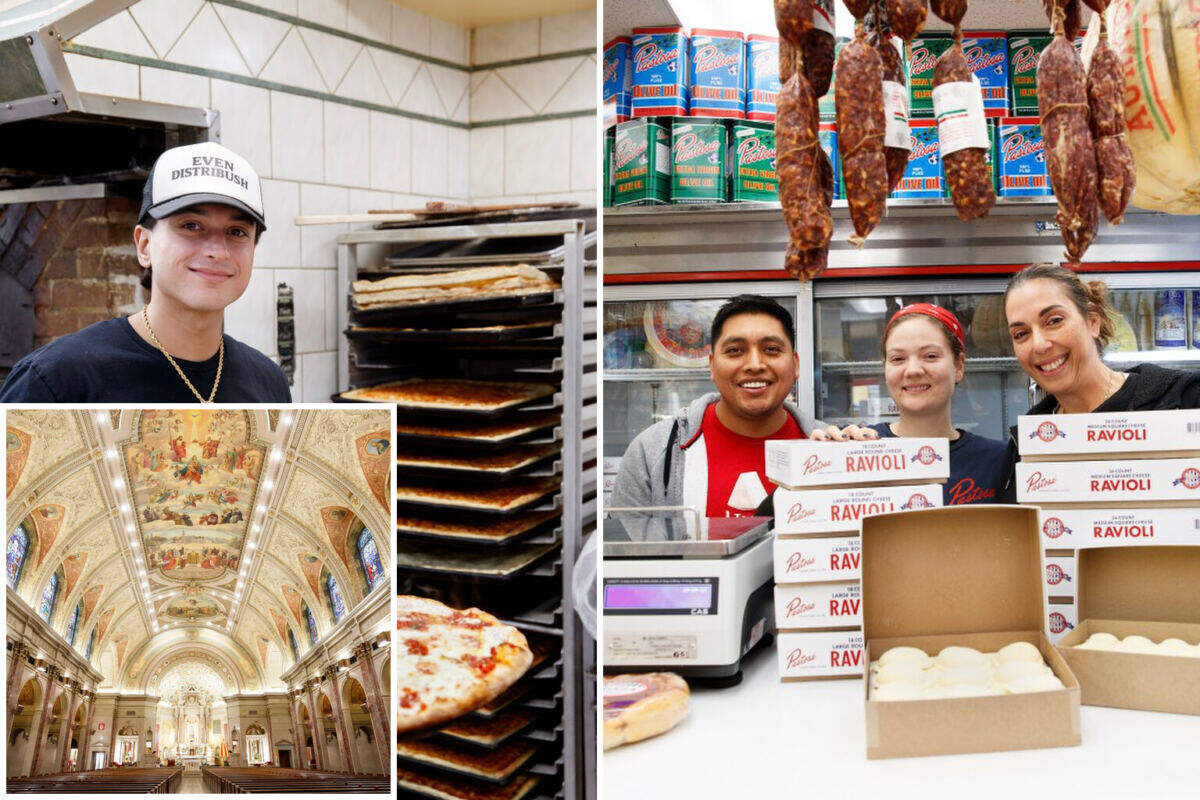
New York’s lesser-known Italian enclaves are drawing fresh attention as Italian American Heritage Month celebrations peak this Columbus Day weekend.
The spotlight is landing on neighborhoods far from Manhattan’s tourist-clogged Little Italy, where longtime residents insist authentic culture still thrives in the outer boroughs. Nick Papa, 37, a fourth-generation Italian-American, has heard the rumors that Bensonhurst’s Italian identity is finished. He dismisses them outright.
“Fuggedabout those ‘false stories’ that Bensonhurst is ‘over, gone, no longer a Little Italy,'” Papa insisted. The food writer pointed to Virgin Mary statues guarding manicured front gardens as immediate proof of the neighborhood’s enduring character.
“Walk down any side street in Bensonhurst, and you’ll see the Italian-American presence right away,” he told The Post.
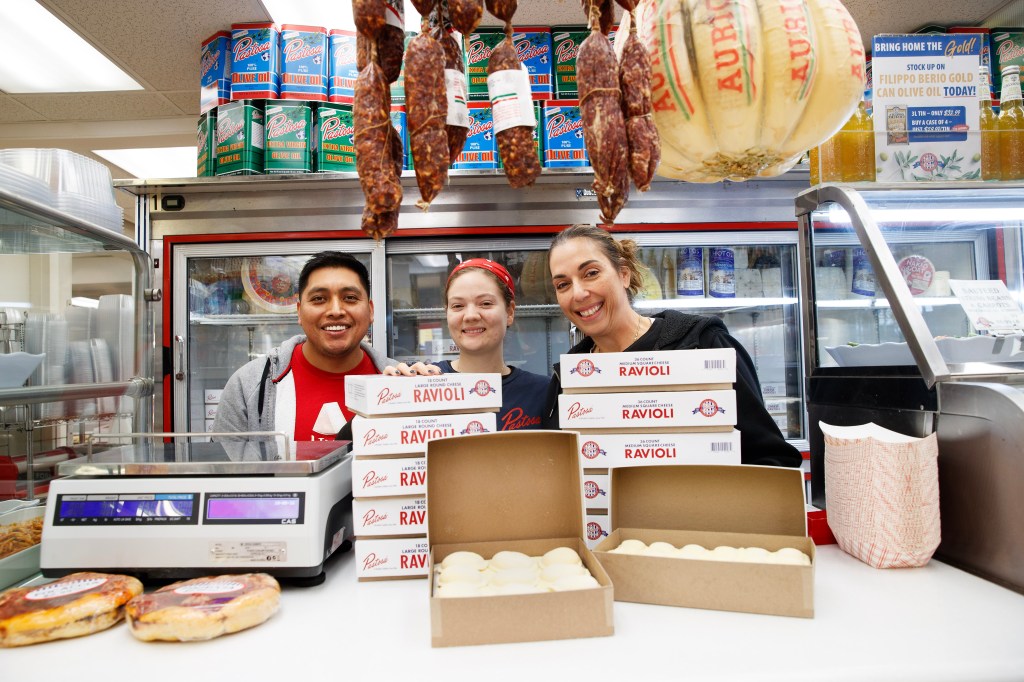
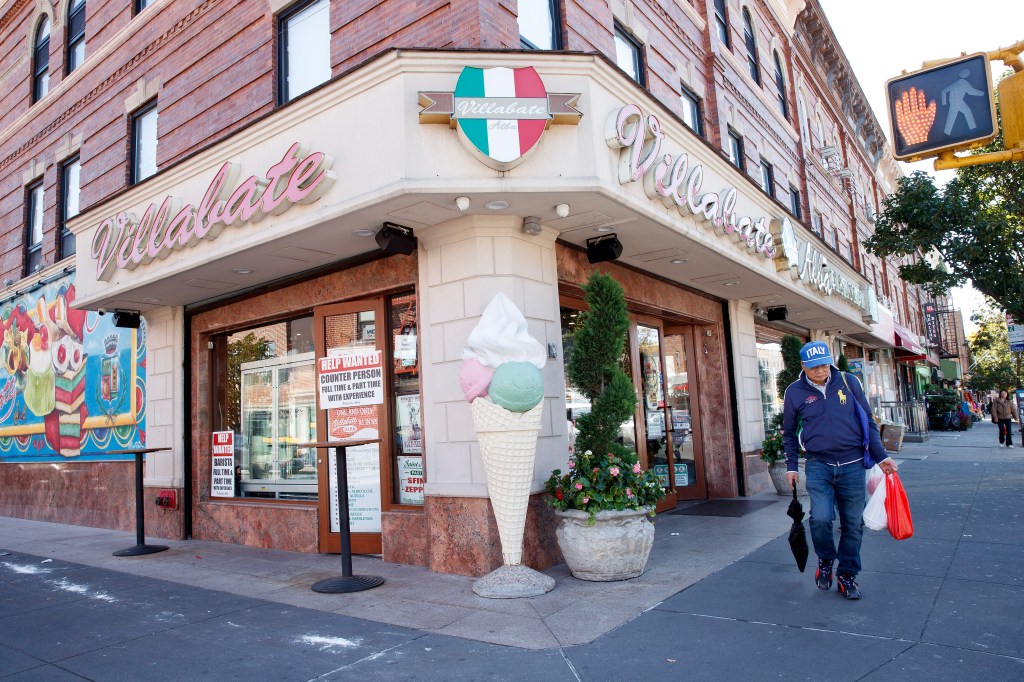
That presence translates to a dense food landscape along 18th Avenue. Visitors can stop at J&V Pizzeria, Villabate Alba Bakery, Lioni Italian Heroes and Papa Pasquale, then sample salciccia at Lucy’s Sausages, whose recipes stretch back over a century. Pastosa Ravioli, operating for decades at New Utrecht Avenue and Bay Ridge Parkway, supplies handmade pasta to locals and returning suburbanites alike.
Cathy Coluccio Fazzolari’s family has anchored this food scene since 1962. Her parents, emigrants from Calabria, opened D. Coluccio & Sons on 60th Street after noticing local immigrants could not find proper comfort food. The store still draws customers seeking specific regional products.
“You’ll always hear all the different dialects among our customers, the Sicilian dialect, the Neapolitan, the Calabrese,” Fazzolari said. Many now drive in from the suburbs, she noted, because “if they want authentic tomatoes, cheeses and more, they say they need to come back to us.”
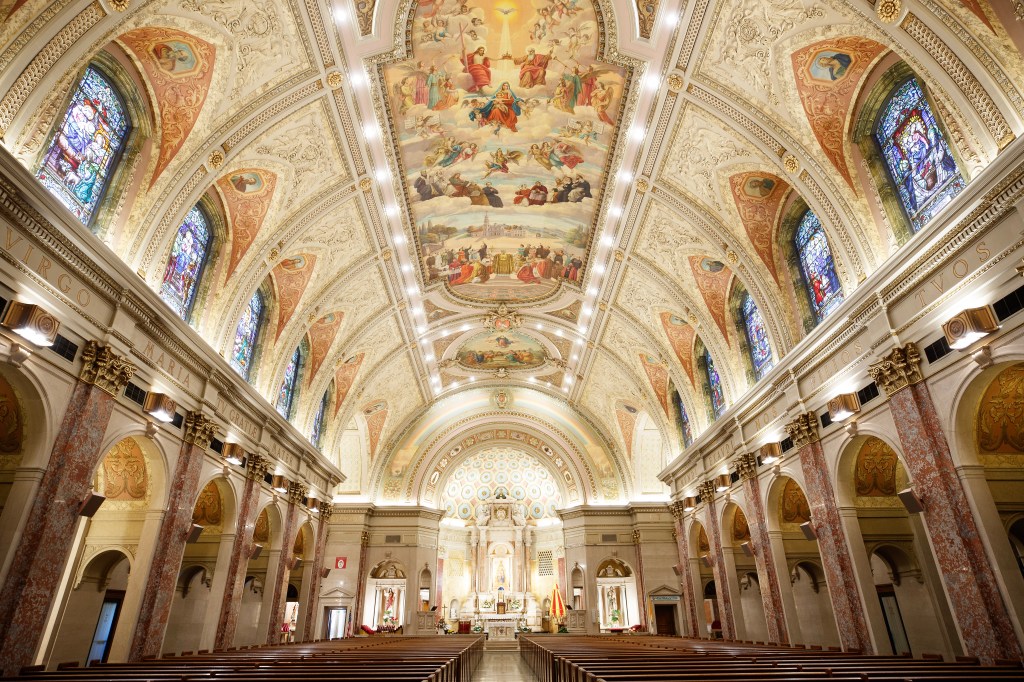
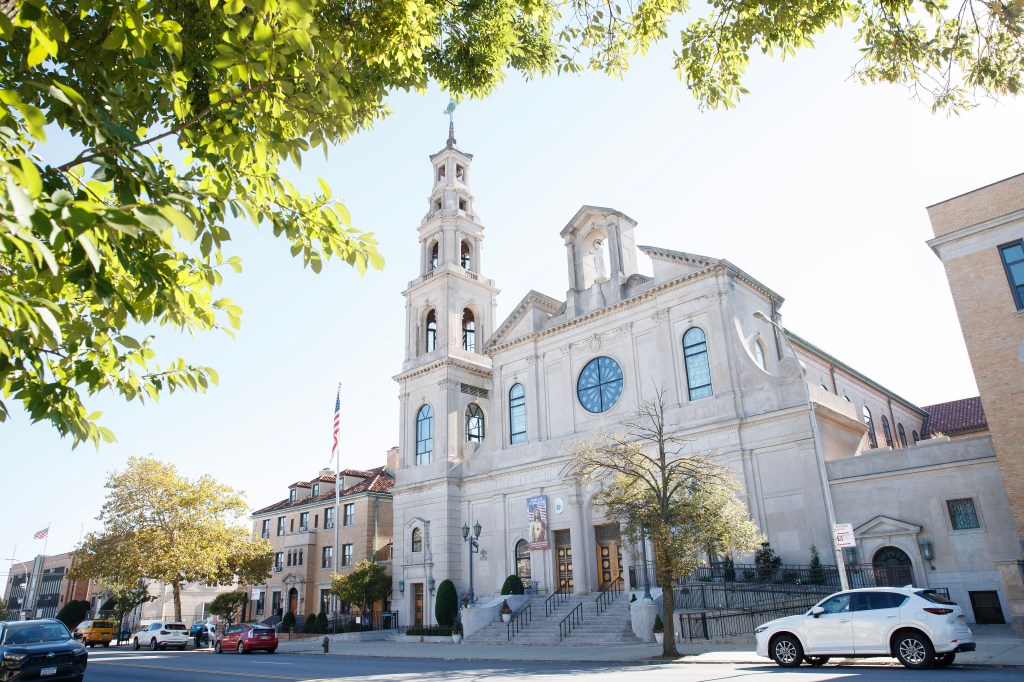
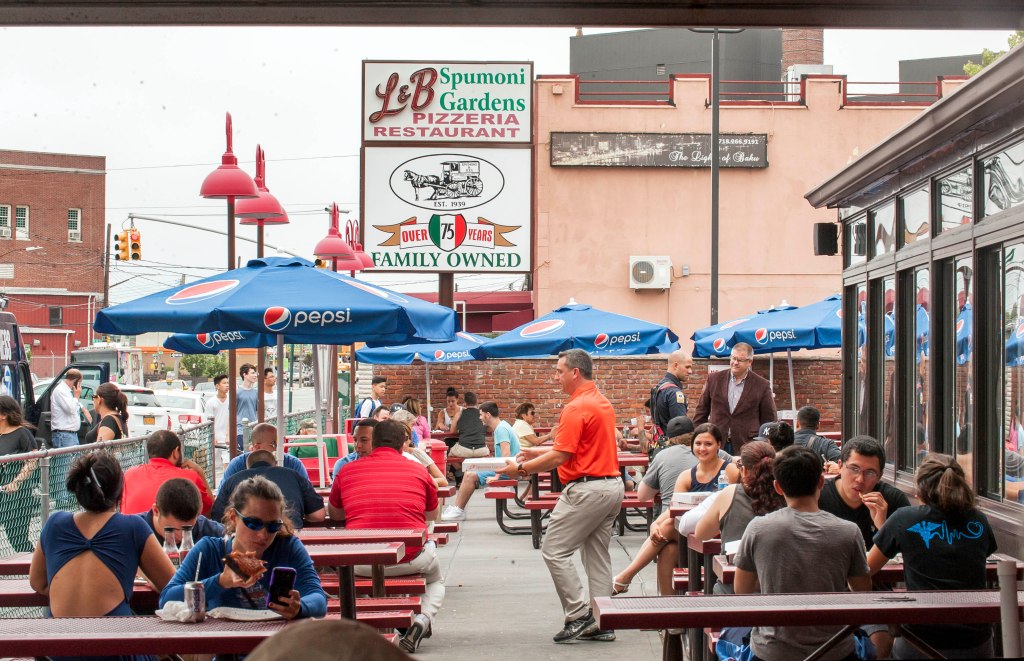
Her personal recommendations for visitors include the Basilica of Regina Pacis, Faicco’s Pork Store, Villabate Alba, and L&B Spumoni Gardens.
Tony Di Piazza, chairman of the Associazione Culturale Italiana di New York, traces a similar arc in Ridgewood, where he settled after arriving from Palermo in 1966. The neighborhood shifted from German to Italian before becoming increasingly Eastern European and multicultural, yet Italian-American life persists on Fresh Pond Road.
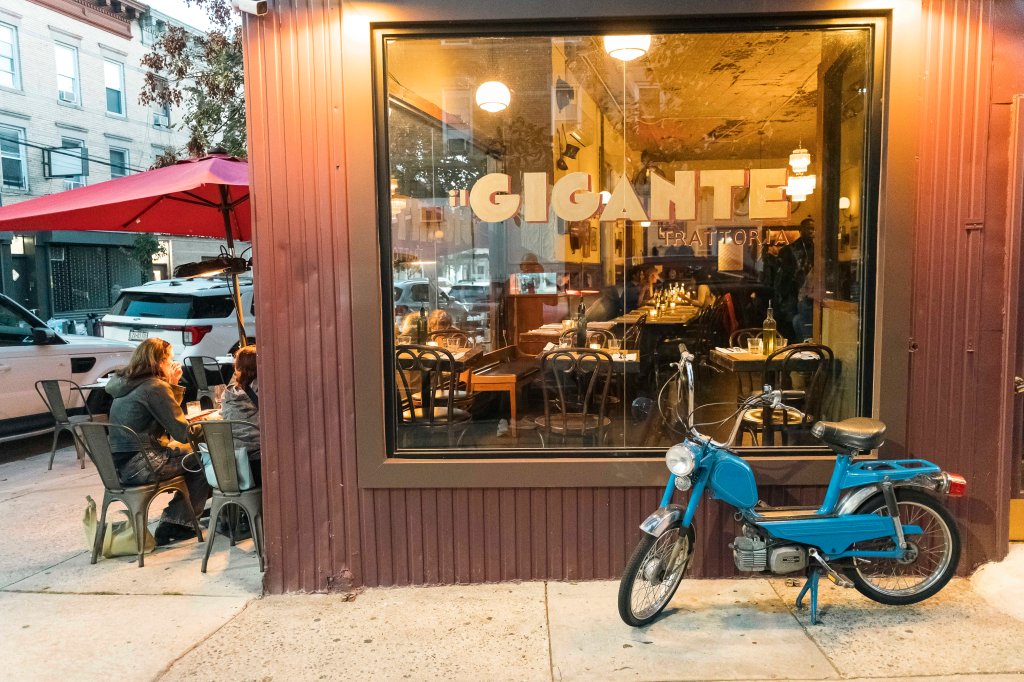
Classic establishments like Antica Trattoria and Corato I now share the strip with relative newcomers Rustico Taverna, Arrigo’s and Il Gigante Trattoria. Even a quick coffee run carries Italian weight at Sofia Gourmet, which serves panini, pastries, gelato and imported goods.
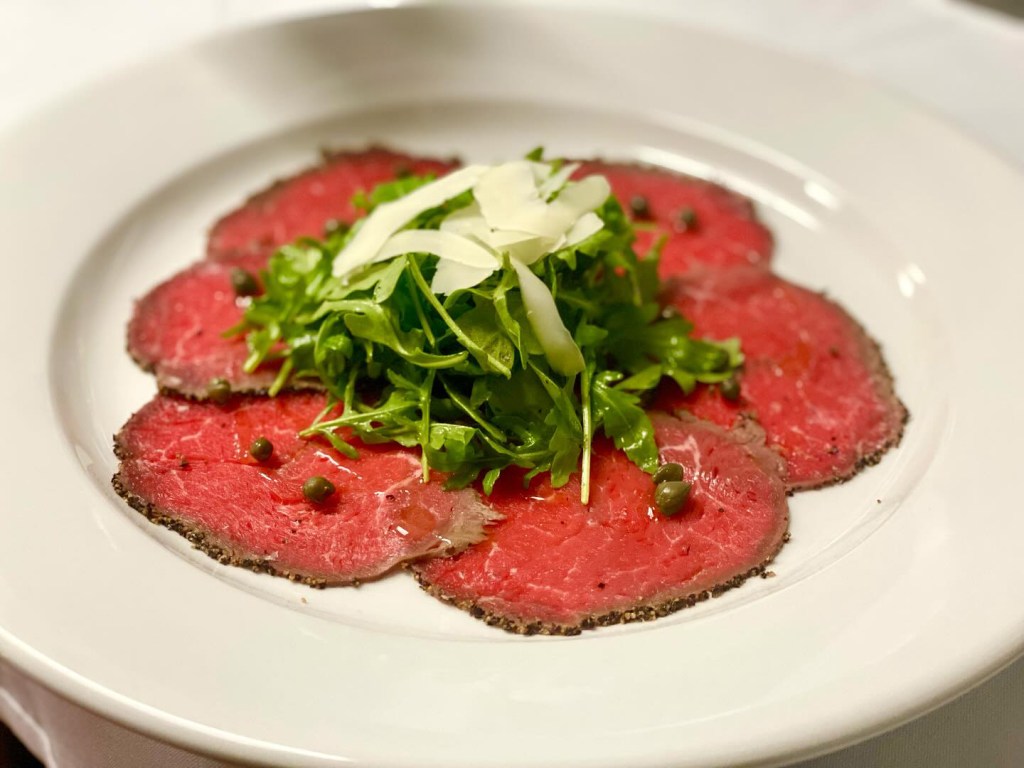
“It’s a classic Italian tradition to hang around coffee bars,” Di Piazza said, adding that he “loves visiting” European Coffee Bar on Fresh Pond Road.
Di Piazza also spent nearly four decades in Howard Beach, which he described as “one of the nicest New York City neighborhoods to live in and to raise a family in.”
“I think Howard Beach is one of the nicest New York City neighborhoods to live in and to raise a family in,” he said, “and it feels like its Italian-American community is still there.”
The neighborhood’s suburban texture — one-family homes, strong family orientation — suited his family after he moved there in the 1970s. For dining, he directs visitors to Bruno Ristorante and Matteo’s.
Anthony Ciccone, 40, was born and raised in Dyker Heights, where Christmas lights draw seasonal crowds but Italian-American life operates year-round. The neighborhood has diversified, yet old-timers still play bocce at Dyker Park on weekends and weekdays alike.
“You can see old-timers playing bocce at Dyker Park on the weekends, or during the week, because apparently retirement has its perks,” Ciccone said.
The sensory memories run deep for him. “I grew up around that place, and to this day, that smell of pizza can instantly bring you back to your childhood if you grew up in the neighborhood,” the insurance agency owner said.
He added, “You know the roots are still there when you drive down a block in Dyker Heights or Bensonhurst during the summer and see an older man in a white tank top, garden hose in hand, hosing down a perfectly clean cement driveway because apparently the concrete needed to look ‘clean.'”
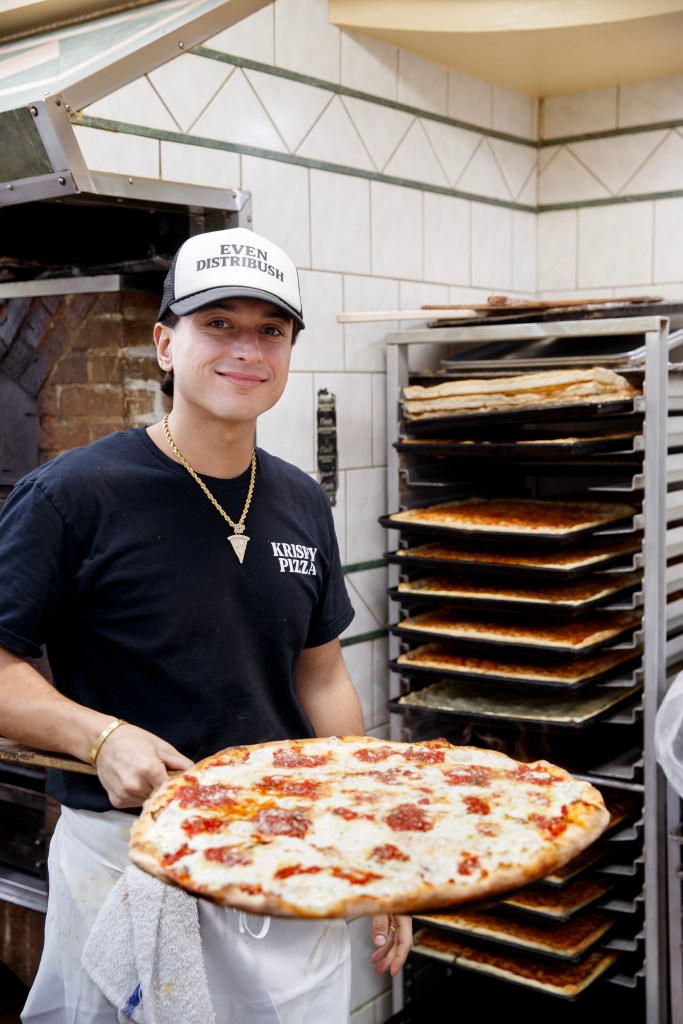
His neighborhood essentials include Krispy Pizza, Tasty Pastry Shoppe and St. Bernadette’s Church, where he says he can “still feel like that 10-year-old kid about to sit down and eat a nice plate of baked clams.”
Joseph Pascale, 25, a Ridgewood local, makes regular trips to Middle Village, Queens for a specific experience he struggles to find elsewhere in the city.
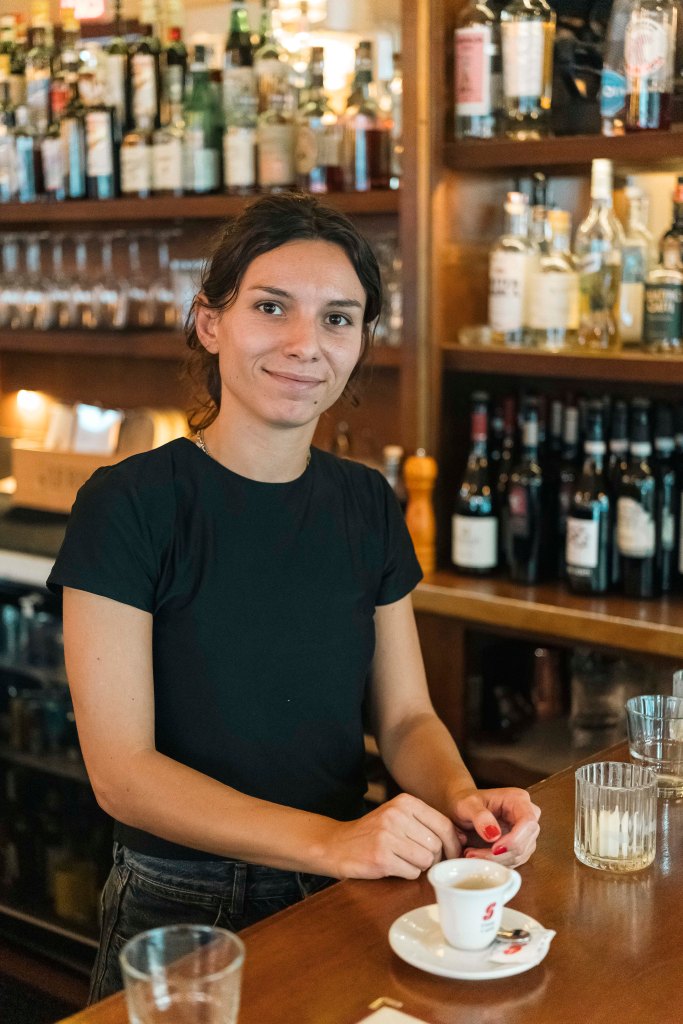
“I love spending a day in Middle Village as I think it’s one of the few New York City neighborhoods where you could actually hear the Italian language spoken by regular people in small businesses,” Pascale said.
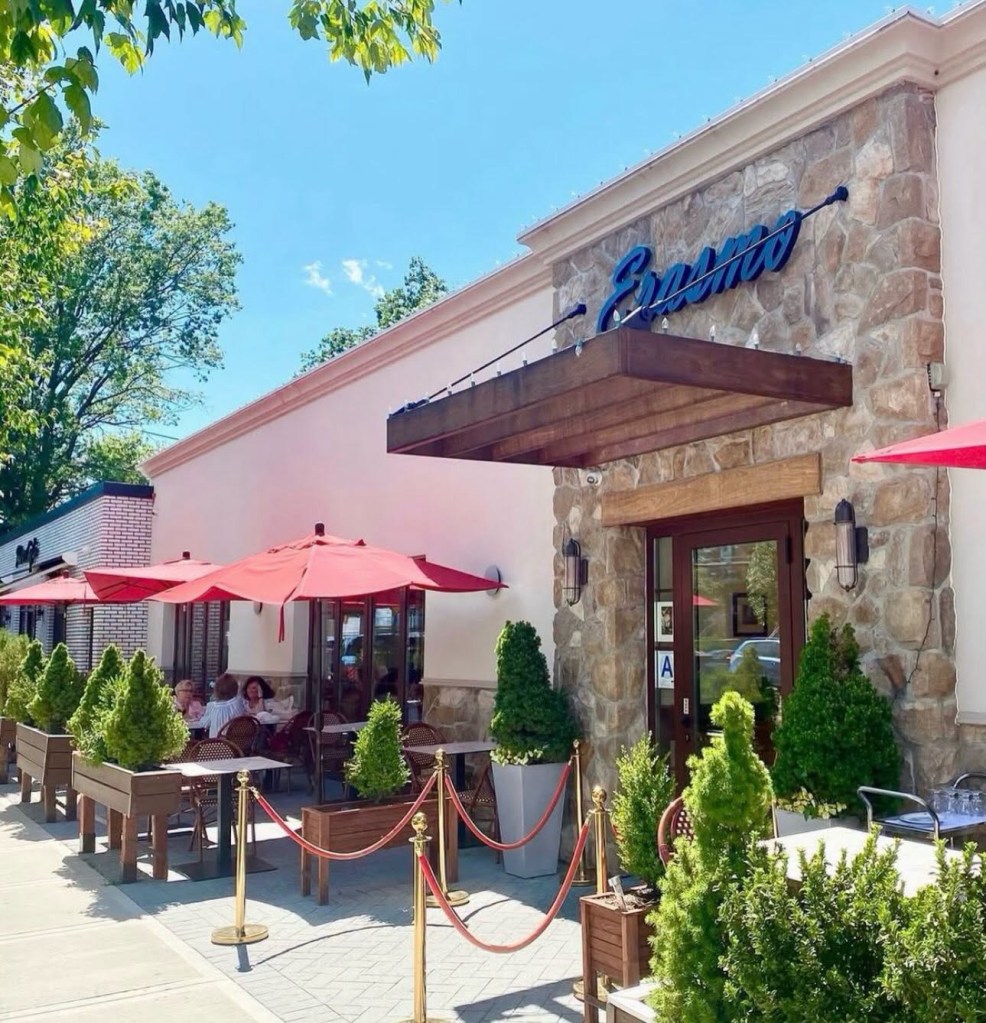
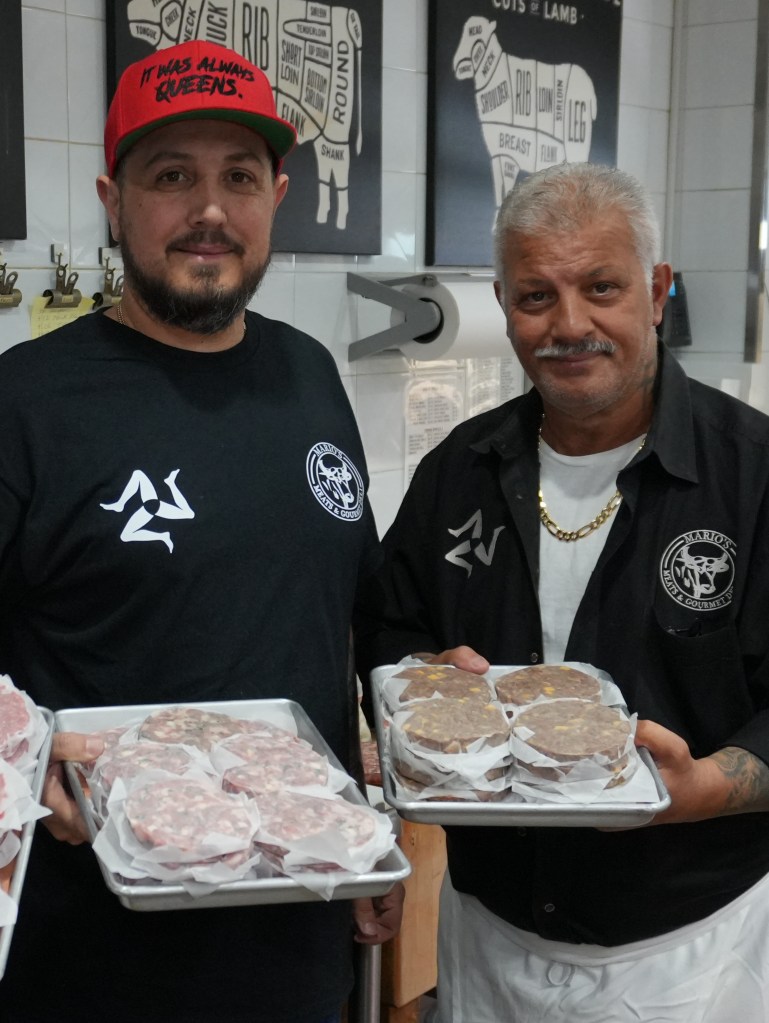
He recommends Erasmo Ristorante for pasta, then a crawl along Metropolitan Avenue’s bakeries and delis, with stops at Colombo Fruit & Vegetable Market and Mario’s Meat Market for veal cutlets, plus Sicilian pastries at Joe’s Bakery.
The neighborhood’s residential character — single-family homes, driveways, backyard gardens with prize tomatoes and string beans — shields it from tourist traffic. “It’s not a tourist trap. You’ll meet real working people and Italian immigrants in its stores and restaurants, which means a lot to me,” the beverage-industry sales manager said.
Pascale relocated from Connecticut two years ago with a mission. “I remember thinking, ‘I want to find the old-school Italians in New York,’ and I can now say that I have.”
He also notes that St. John’s Cemetery holds his Italian great-grandparents, buried near figures like John Gotti, Carlo Gambino, Charles ‘Lucky’ Luciano, and Vito Genovese.
Staten Island’s Italian-American concentration has earned it the nickname “Staten Italy,” and Jenna Guarneri, 29, sees the culture persisting from her base in Shore Acres. She grew up in Tottenville after her family relocated from Brooklyn in the 1980s.
In Rosebank, she highlights Our Lady of Mount Carmel Grotto, a hand-built shrine from 1937, and the Garibaldi-Meucci Museum for immigrant history. The neighborhood also offers Don Cheech and Basilio Inn, which has operated for over a century.
“As I watch my niece grow up in the same area I did, I can still see how deeply rooted Italian-American culture remains in Tottenville, Rosebank and elsewhere today,” Guarneri explained. She also cited Casa Belvedere, the Italian Cultural Foundation, for its programming in language, cuisine and community traditions.
Several neighborhoods are marking the holiday with public events. The 44th Annual Columbus Day Parade in Bensonhurst begins with 10 a.m. Mass at St. Athanasius Church on Saturday, followed by the parade at 1 p.m. At 18th Avenue and 61st Street. Howard Beach’s St. Helen Catholic Academy hosts a fall street festival on Sunday from noon to 4 p.m. At 83-09 157th Avenue, featuring zeppoles, sausage and peppers, plus farm-fresh goods. Staten Island’s largest feast takes place Monday at Mount Loretto.
Italian-Americans now comprise between five and six percent of New York City’s population, down considerably from roughly 17 percent a century ago when more than 2.6 million paesanos lived in the city and surrounding areas, with about 600,000 in the five boroughs at the last census. The dispersal to other parts of the country has not erased the remaining pockets where the mother tongue still echoes from stoops and bakeries.