

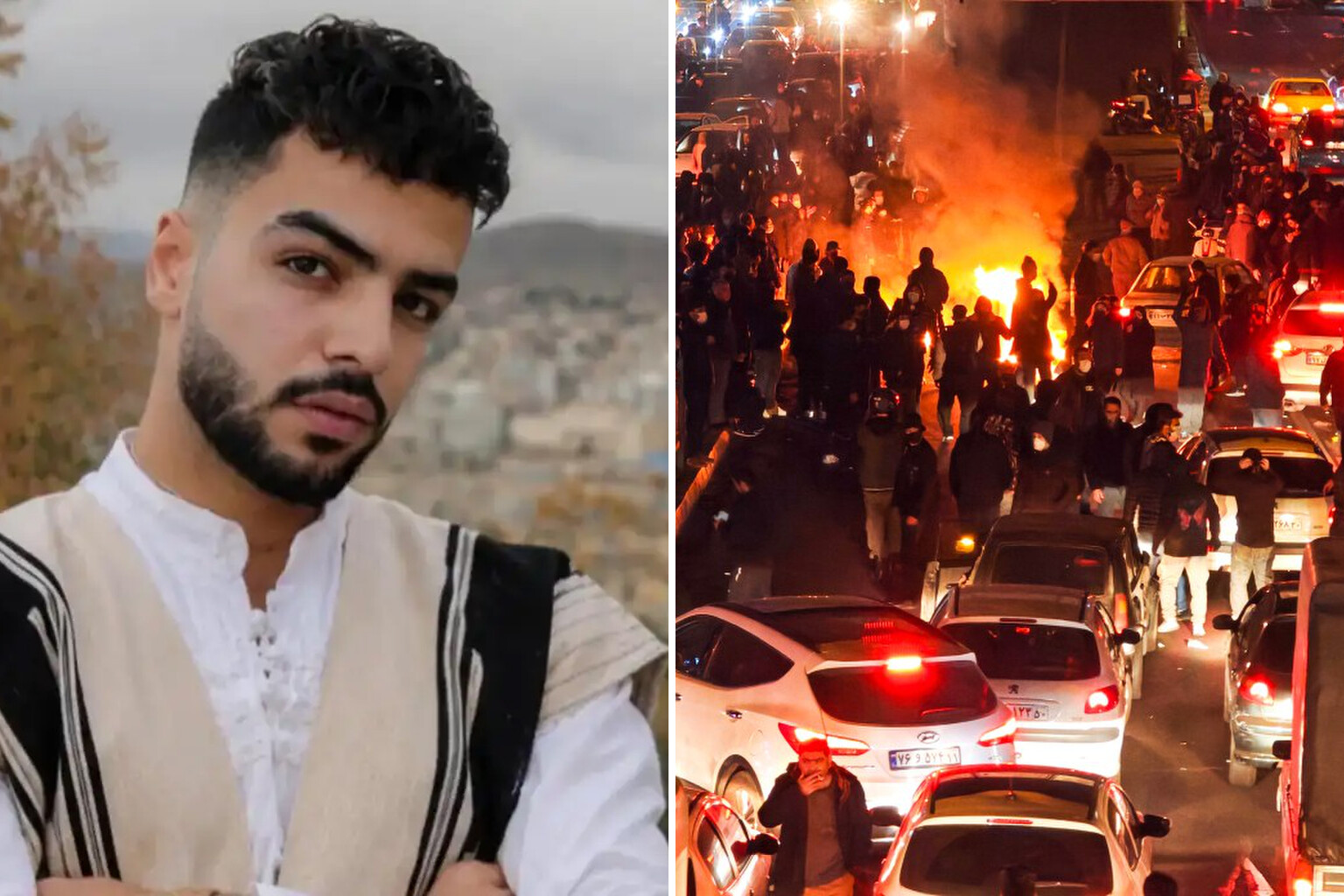
Alireza Raisi, 21, comforted his weeping father in a final prison phone call moments before Iranian authorities hanged him for protesting against the regime.
The young protester spent his last minutes on the line from inside an Isfahan prison, reassuring the man who could not save him, according to an audio recording of the conversation that has circulated since his execution last week. Raisi was put to death alongside fellow demonstrator Alireza Sepahi, 25, after the two were convicted in proceedings that human rights groups condemned as sham trials built on torture and forced confessions.
“Forgive me! Forgive me,” Raisi’s father could be heard saying through tears in the recording. “There is nothing I can do for you.”
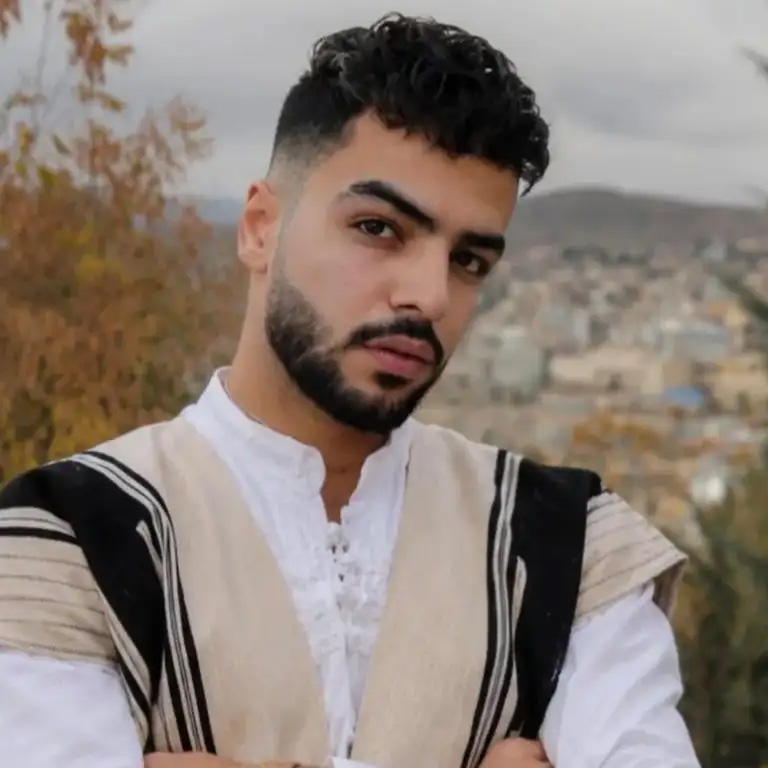
Raisi refused to let his father crumble. “Dad, I’m proud of you in every way,” he responded. “I am always proud of you.”
The sobbing father managed only a few words back: “I’m proud of you, too.”
Despite facing the gallows, Raisi turned his attention to easing his father’s grief and honoring a cousin already lost to the same unrest. He promised he would look after Ramin Raisi, his cousin who was killed during the Jan. 9 protest in Isfahan’s Baharestand neighborhood.
“Don’t cry, dad,” Raisi said. “Give my regards to uncle as well. Tell him I’m keeping an eye on Ramin.”
Prominent Iranian journalist Masih Alinejad laid bare the speed and brutality of the process in a series of posts on X. “This is what the Islamic Republic calls justice: 18 days of torture. Electric shocks. A forced confession. A trial lasting minutes. An appeal thrown out in less than 48 hours. A gallows built beside a Revolutionary Guard executioner,” she wrote.
Alinejad added her own prediction about the regime’s strategy: “They think the rope will end the uprising. The rope is only creating more anger towards society.”
The executions took place at Isfahan’s Shahid Alikhani Square, where Iranian authorities have been staging public hangings. Raisi and Sepahi were among a dozen protesters accused of killing four members of Iran’s security force during demonstrations at that same location. Sepahi had married over the phone from prison only hours before he was hanged alongside Raisi.
The families’ ordeal did not end with the deaths. According to Iran International, relatives were allegedly prevented from burying either man in his hometown, compounding their anguish.
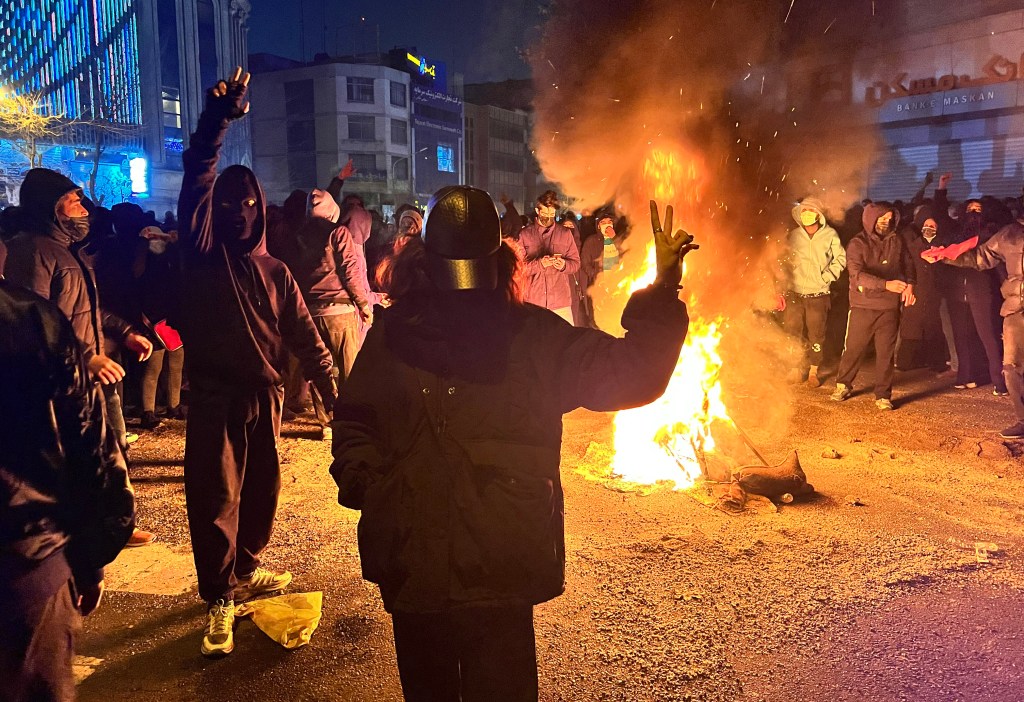
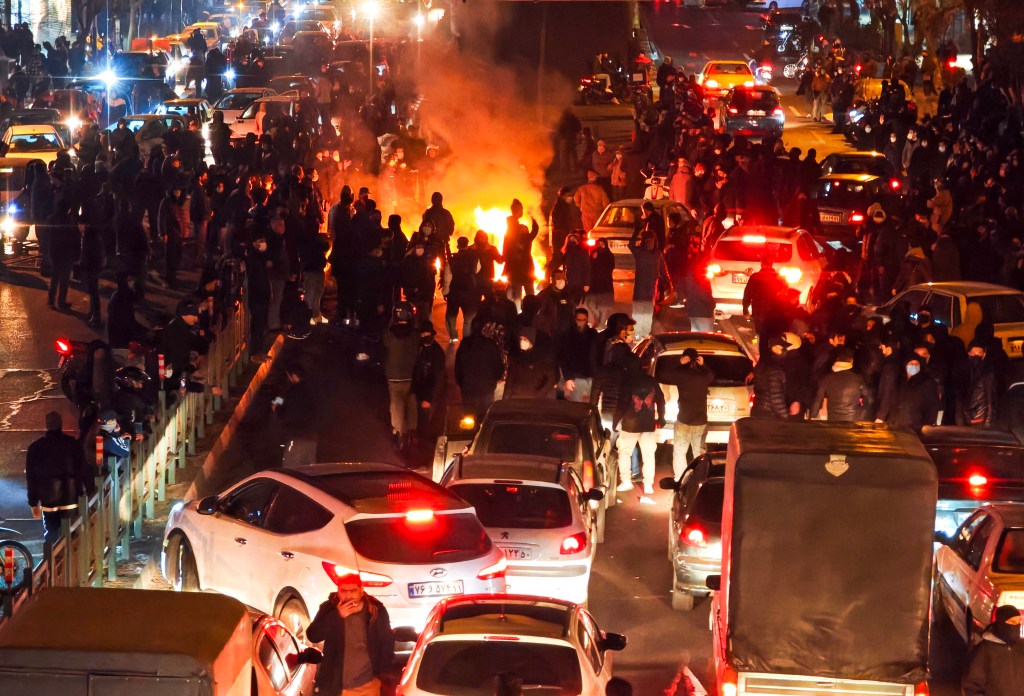
The January protests in Isfahan were part of the broader wave of demonstrations that have swept Iran, with the regime responding through mass arrests, televised confessions, and accelerated executions. Human rights organizations have documented patterns of severe torture used to extract statements from detainees, followed by trials that last only minutes and appeals denied within days.