


A therapist has warned that a toxic dating behavior dubbed “Frankensteining” may be more widespread than people recognize.
Sara Sloan, a marriage and family therapist, said that the pattern has long plagued relationships even as it now earns a catchy Halloween-season label. “Frankensteining is something that has always been an issue in dating,” she said. “It involves trying to mold or change your partner’s appearance, interests, and habits to better fit what you believe to be your ideal partner.”
The behavior surfaces most often once the initial rush of a new romance fades, according to Sloan. Rather than face the prospect of breaking up and returning to the dating pool, people attempt to reshape their current partner into someone else entirely. “It can feel easier to Frankenstein your partner into something that fits your ideal,” she noted.

Sloan offered concrete examples of how the pattern manifests in everyday interactions. “If you’re buying your partner new clothes that are completely different from what they normally wear to create a different style, you’re Frankensteining your partner,” she said. “If you ask your partner to change their hair color to fit your ideal, you’re Frankensteining them. If you insist they join you in hobbies that you enjoy and they do not, you’re Frankensteining your partner.”
The therapist also identified a telling mental habit that signals the behavior. “One way to notice if you are Frankensteining your partner is if you are thinking, ‘If they would only (fill in the blank), it would be so much better’,” she explained.
Sloan’s advice for avoiding the trap centers on respecting a partner’s independence. “Allow them to be different than you, or different than your ideal,” she suggested. “Frankensteining your partner is really a way to control them, by attempting to change who they are physically, mentally, or emotionally.” She emphasized letting partners “maintain their autonomy” rather than pursuing change.
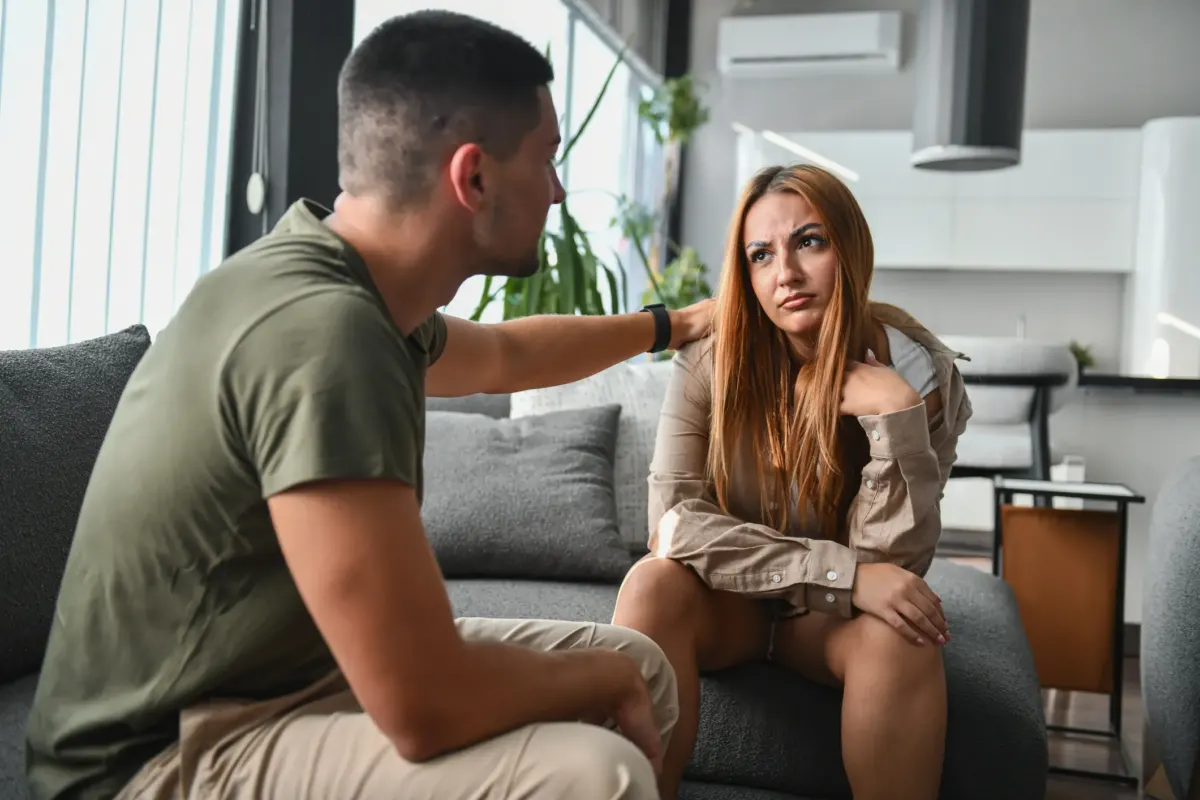
The term joins an expanding lexicon of digital-age dating phenomena that have gained traction in recent years. Behaviors like ghosting, breadcrumbing, and love bombing have all received similar labels as social media and dating apps have transformed how people connect and disconnect. While some of these trends describe relatively minor irritations, others carry heavier emotional consequences for those on the receiving end.
Mixed signals and unclear expectations have become common complaints in modern dating, leaving many unsure of where they stand with partners. Experts have increasingly sounded alarms about patterns that erode self-esteem and emotional wellbeing, often without the perpetrator recognizing the damage being done. Frankensteining fits within this more harmful category, Sloan indicated, because it attacks a person’s core identity rather than merely creating confusion about relationship status.
The seasonal timing of the term’s emergence has drawn some attention, with the monster-building metaphor resonating during October. Yet Sloan stressed that the underlying dynamic is no novelty, just newly named. The behavior reflects a fundamental discomfort with accepting partners as they are, she suggested, and a preference for control over genuine compatibility.