

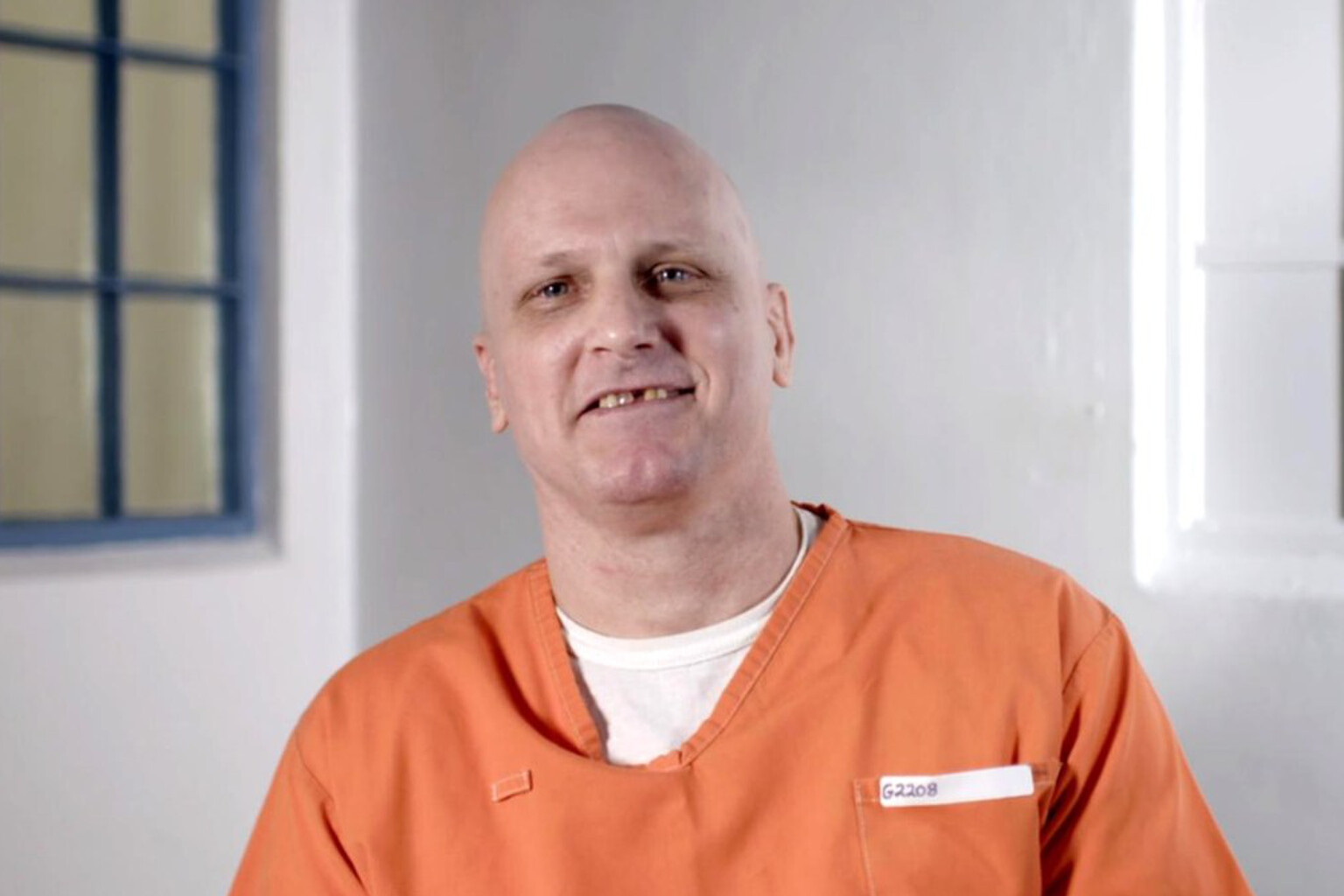
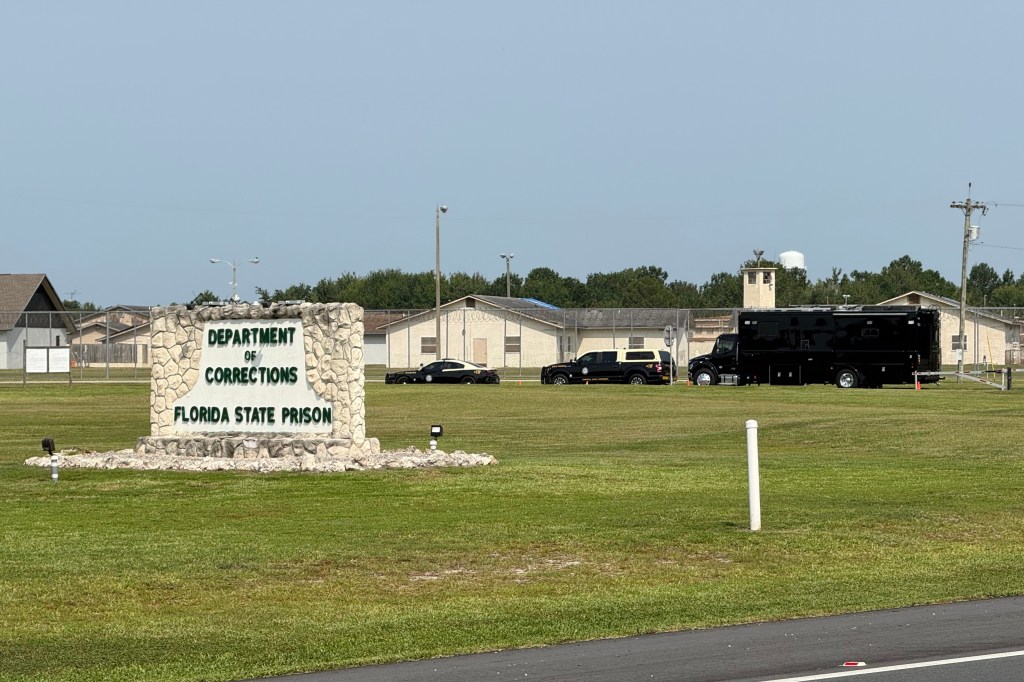
James Robertson, 63, was executed by lethal injection Tuesday at Florida State Prison after spending nearly 18 years on death row for a murder he committed specifically to secure that sentence.
The prisoner declined to offer any last words before receiving the three-drug cocktail and was pronounced dead roughly 10 minutes later, according to the Department of Corrections. His execution marked Florida’s first since the botched lethal injection of Christa Pike in Tennessee two weeks prior, where she survived two doses of pentobarbital and was rushed to a hospital.
Jordan Kirkland, a state Department of Corrections spokesperson, addressed reporters at a news conference before the execution. “Florida has a sound lethal injection process and protocol,” he said. Kirkland added that while he could not speak to Tennessee’s procedure, Florida would ensure its process was “humane and dignified.”
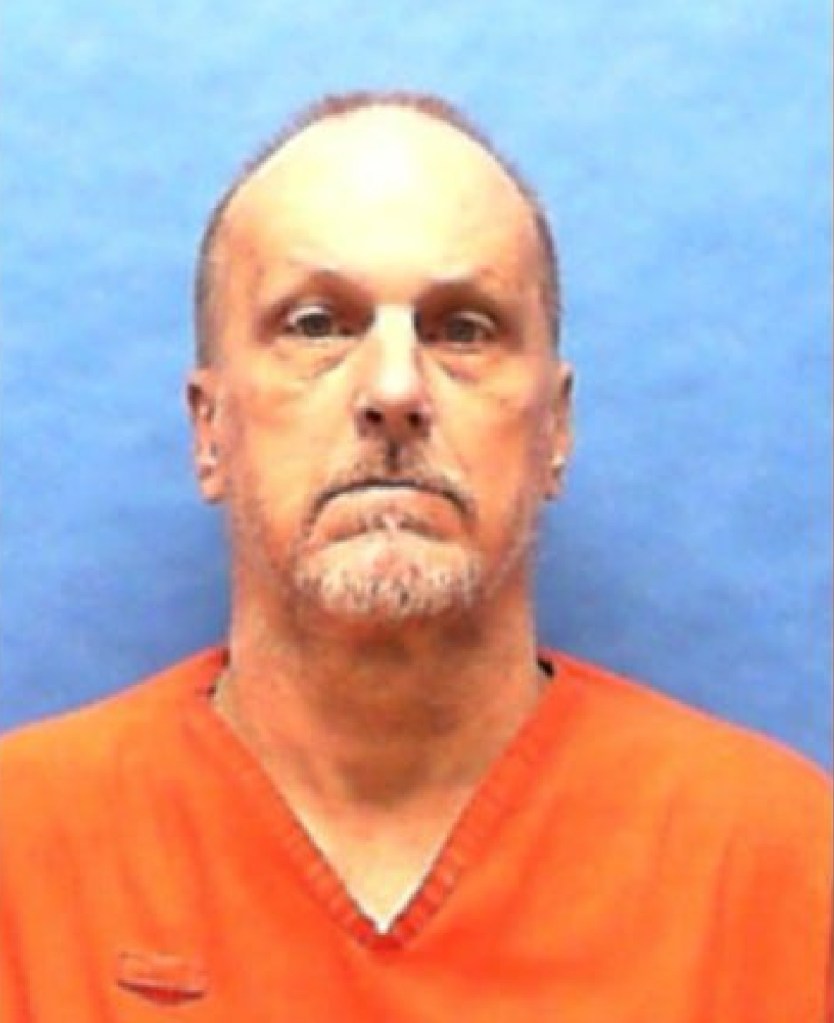
Robertson had been in prison since age 17, when he was sentenced in 1980 for burglary and assault. Decades of additional convictions for escape, battery and weapons violations while incarcerated kept extending his time behind bars. By 2008, facing the prospect of dying in prison from natural causes, he devised a plan to force the state’s hand.
He pleaded guilty to first-degree murder for strangling Frank Hart, 51, while Hart slept in their shared cell. Robertson waived all appeals and told investigators he carried out the killing so he would not have to live out his days in prison. Hart had been incarcerated since 2003 following a sexual battery conviction and was just eight days from release when he was killed.
Rebecca Hart, the victim’s daughter, spoke to reporters gathered outside Florida State Prison. “When someone you love is taken from you in such a violent way, the world keeps moving, even when a part of yours feels like it has stopped,” she read from a prepared statement. “Other people go on with their lives, but you carry your loss into every tomorrow.” She stressed that her father was not merely a piece of Robertson’s story.
Robertson was originally scheduled to be one of two inmates executed Tuesday, but Gov. Ron DeSantis withdrew the death warrant for William Lee Thompson, 74, last week without providing a reason. DeSantis had temporarily stayed Thompson’s execution the previous month pending a psychiatric evaluation. Records show this was the first time DeSantis withdrew a death warrant. Thompson, whose attorneys say he has dementia and failing health, will remain on death row and could face a future warrant.
Thompson’s case stretches back decades. He was convicted of first-degree murder, kidnapping and sexual battery in the 1976 killing of 23-year-old Sally Ivester. Former governors Bob Graham and Bob Martinez both scheduled executions for him in the 1980s, but years of appeals and stays allowed him to avoid the electric chair, then the state’s method of execution.
DeSantis has overseen an unprecedented pace of executions. He presided over 19 executions in 2025, more than any Florida governor in a single year since the death penalty was reinstated in 1976. Robertson was the state’s 17th execution of 2026, with two more already scheduled besides Thompson. The Republican governor, who leaves office in January, has made few public comments about the surge but has previously stated his goal is to bring justice to victims’ families who waited decades for sentences to be carried out.
Florida’s execution volume stands apart nationally. The state carried out more than half of the 31 executions in the US so far this year and led all states in 2025 with 47 total nationwide. In July, Florida executed two prisoners in one day, becoming the first state in nearly a decade to do so.
The next scheduled execution is William Reaves, 77, on Oct. 20, followed by Jesse Guardado, 64, on Nov. 5.