

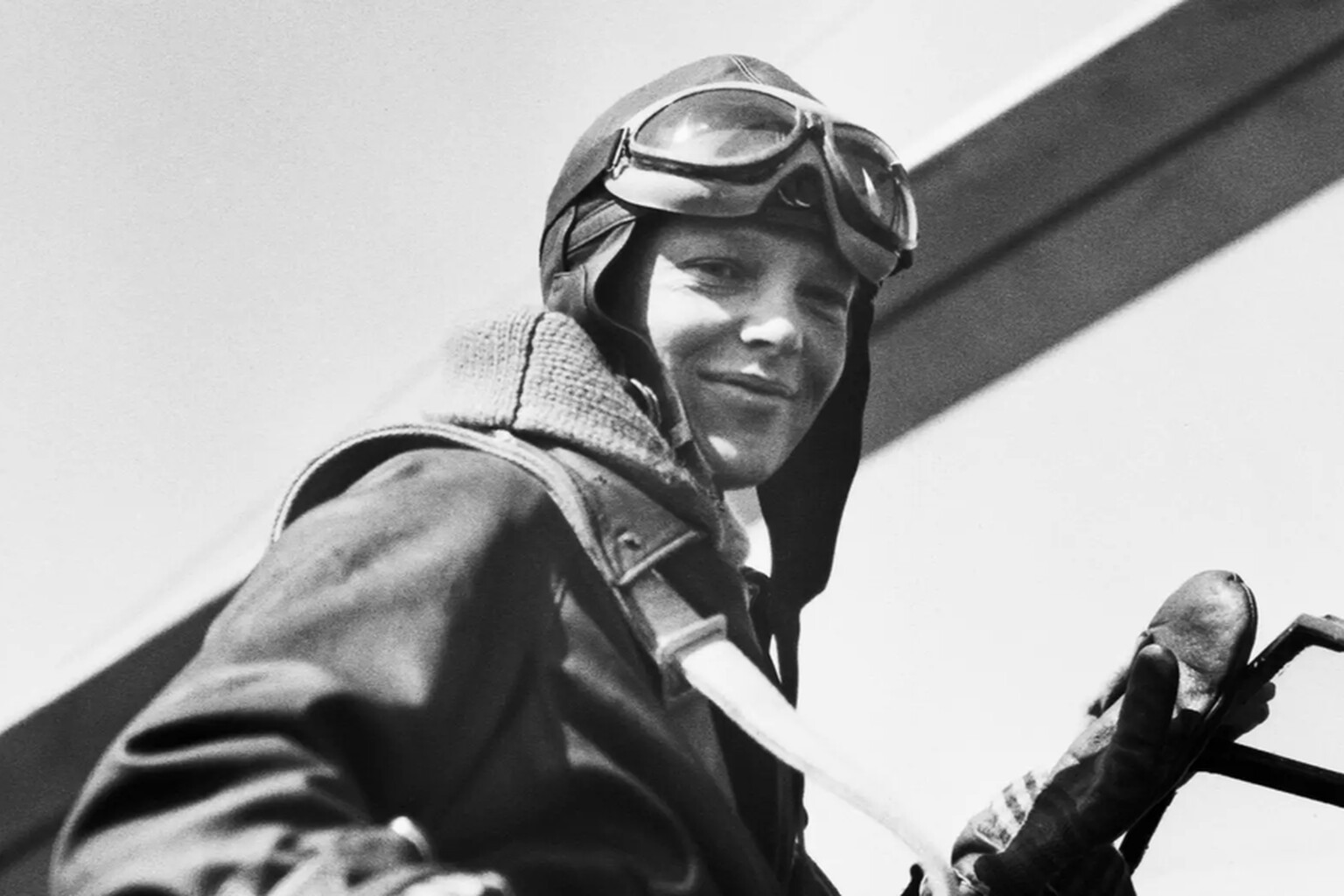
ChatGPT has named a precise underwater spot in the South Pacific as its top pick for where Amelia Earhart’s missing plane might finally be found.
The AI chatbot pointed to the Taraia Object inside the lagoon of Nikumaroro, an uninhabited island in Kiribati, when pressed to put “a pin on the map” for the vanished Lockheed Model 10-E Electra. That same submerged anomaly is now the focus of a live expedition by researchers from Purdue University and the Archaeological Legacy Institute, who landed on the remote atoll on October 12.
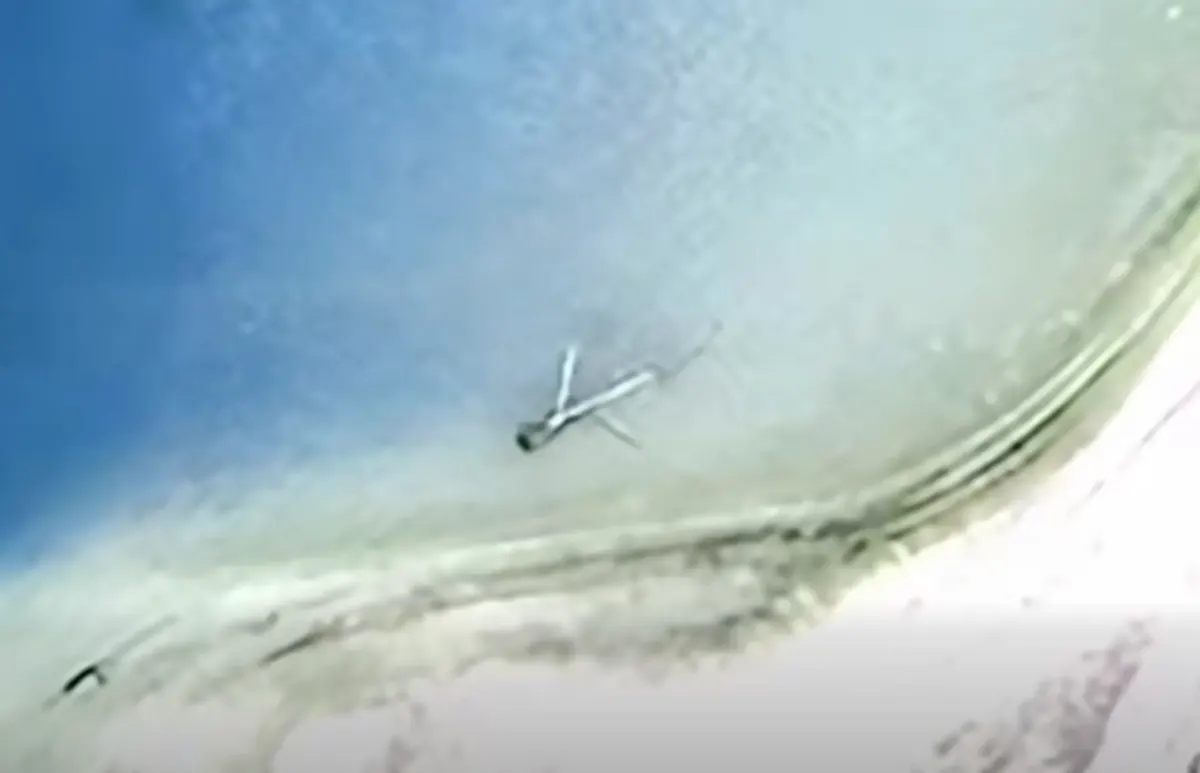
“If I had to put a pin on the map, I’d choose the Taraia Object in Nikumaroro’s lagoon, Kiribati,” the chatbot said, while cautioning that the target has “not been confirmed as Amelia Earhart’s plane.”
The AI’s initial answer had been more restrained. Asked to select a single search area, it first identified the deep-water drop-off and seabed off Nikumaroro’s western or northwestern side, labeling that merely “a hypothesis, not a confirmed location.” Only when pushed for something bolder did it sketch the reef-edge scenario: Earhart landing or ditching on the ocean-facing reef, with the aircraft later swept over the steep slope into deeper water. It estimated depths between 330 and 980 feet, but called both the depth and direction its “own speculative guesses.”
The Taraia Object itself first appeared in satellite imagery as a mysterious submerged shape near the island’s shore. Based on aerial photo estimates, officials said it sits only 10 feet from the lagoon’s edge and, depending on tide, under as little as five feet of water plus an unmeasured layer of sediment.
Earhart, then 39, and her navigator Fred Noonan were attempting to circumnavigate the globe when they lost radio contact with the U.S. Coast Guard on July 2, 1937. They were believed to be en route to Howland Island, roughly 2,500 miles to the north, when their signal went silent. The disappearance launched the most famous missing-person mystery in aviation history, spawning decades of searches, competing theories, and speculation ranging from crash-at-sea to capture by Japanese forces.
The current expedition faces grueling logistics before any answer emerges. Team members must spend days “marking and cutting a trail through the jungle” from their landing site to Taraia Peninsula, where the lagoon sits. Native coconut crabs, the largest terrestrial crustaceans on Earth, make overnight stays on the island “impractical,” forcing researchers to sleep aboard their ship.
Once at the peninsula, the crew will deploy a magnetometer to pick up ferrous metals that could signal aircraft artifacts, plus sonar to map objects on the lagoon floor. A water induction dredge will then strip away sediment for direct visual inspection of whatever lies beneath.
Rick Pettigrew, the Archaeological Legacy Institute’s executive director and expedition leader, said in a statement: “It is incredibly rewarding to be this close to completing our inspection of the Taraia Object and potentially solving, at long last, the outstanding mystery of the disappearance of Amelia Earhart and Fred Noonan more than 89 years ago.”
The Purdue-led team has given no timeline for when initial findings might be announced.