

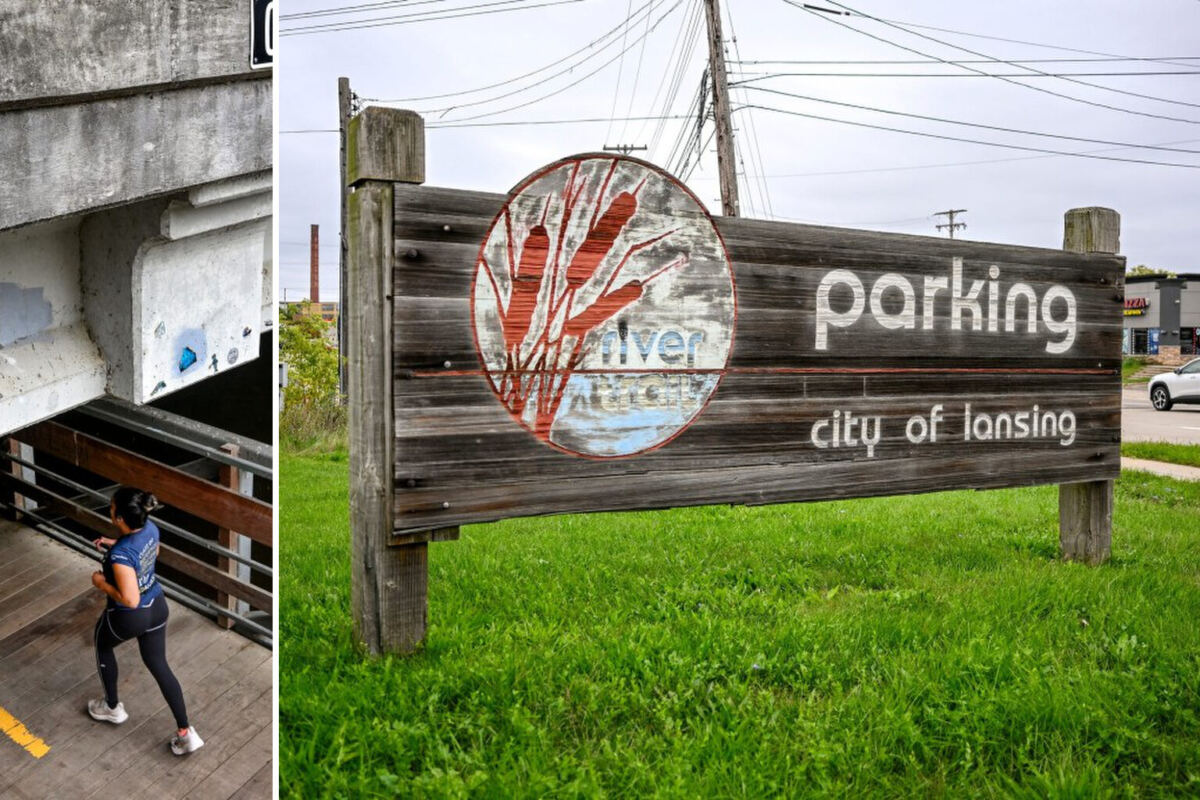
A Michigan State University criminology professor is urging students and residents to avoid the Lansing River Trail entirely as police probe whether five attacks on men over the past year are the work of a serial killer.
Karen Holt, who teaches criminology at the Big Ten university, said that her academic focus on violence immediately drew her to the vulnerability of the victims and the disturbing methods used against them.
“As someone who studies violence, the first thing that came to mind was the victims and the vulnerability of these victims and the method of the violence,” Holt said.

The Lansing Police Department revealed earlier this month that five men were attacked along the popular trail in the last year. One victim, Daniel Lusk, 22, was discovered stabbed to death beneath a bridge. The other four men suffered head injuries or possible blunt force trauma, a distinction Holt flagged as significant.
Holt said Lusk’s murder “stands out” from the other deaths because of the stabbing, while the remaining victims showed signs of blunt force trauma.
“I would love to learn more about the relationship between that victim and perpetrator,” Holt said. Police have not disclosed any motive in Lusk’s killing.
On September 3, Edward Joseph Smith, 23, was arrested in connection with Lusk’s stabbing. Smith has not been charged or accused of wrongdoing in the four other deaths, and police have not confirmed any arrest of a suspect in those cases.
Holt explained that offenders who commit single or serial homicides frequently target individuals they perceive as particularly vulnerable, seeing them as people “who lack credibility.” She noted that attackers may assume pursuing homeless victims decreases their chances of being caught.

“If we have a community where people can be attacked in this way, then I don’t necessarily know that we can call it a safe community,” Holt said.
The professor emphasized the need for caution without succumbing to panic. “I definitely think we need to be cautious, but we also need to be rational,” Holt said.
Her practical advice for the college town was blunt and direct. “Don’t walk the trail would be my advice,” Holt said. “Maybe walk a different trail.”

Holt continued, saying, “One of the patterns with either single or serial homicide offenders or just violent offenders is that they tend to go after individuals who are particularly vulnerable.”
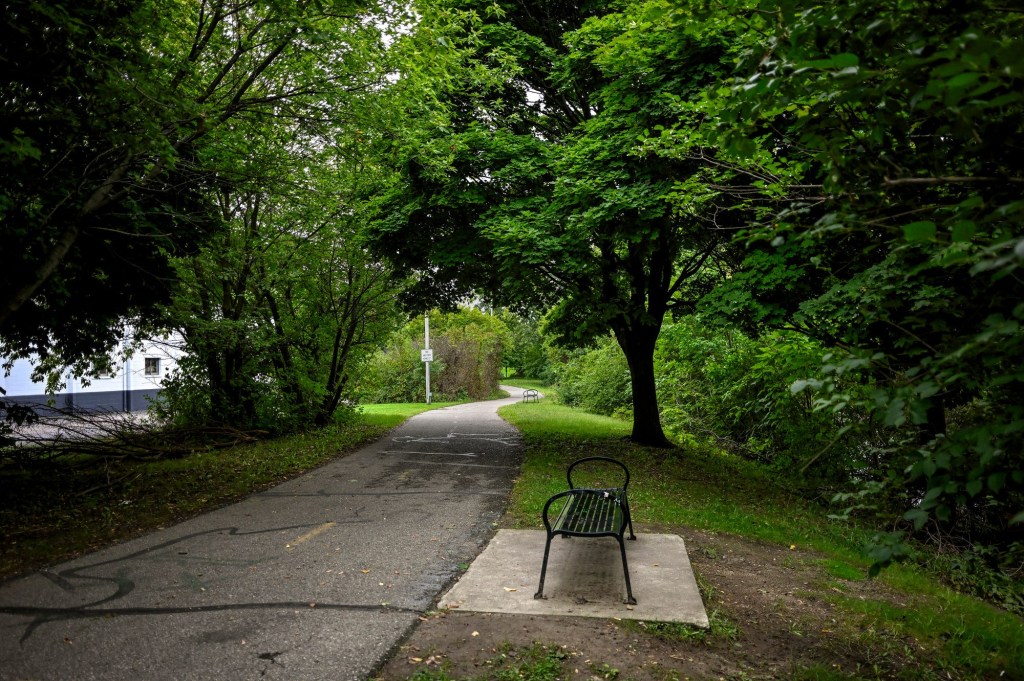
The Lansing River Trail runs through the heart of Michigan’s capital city, drawing students, residents, and outdoor enthusiasts to its paths along the Grand River. The string of attacks has left the community unsettled as investigators work to determine whether the cases are linked.

Holt maintains that Lansing must remain vigilant while the investigation continues. The case has drawn national attention to the mid-sized city, which sits just east of the MSU campus and serves as a hub for state government and higher education.
Police have not announced additional arrests beyond Smith’s detention for Lusk’s murder.
Smith’s case proceeds through the Lansing court system as detectives continue examining the four other deaths for potential connections.