

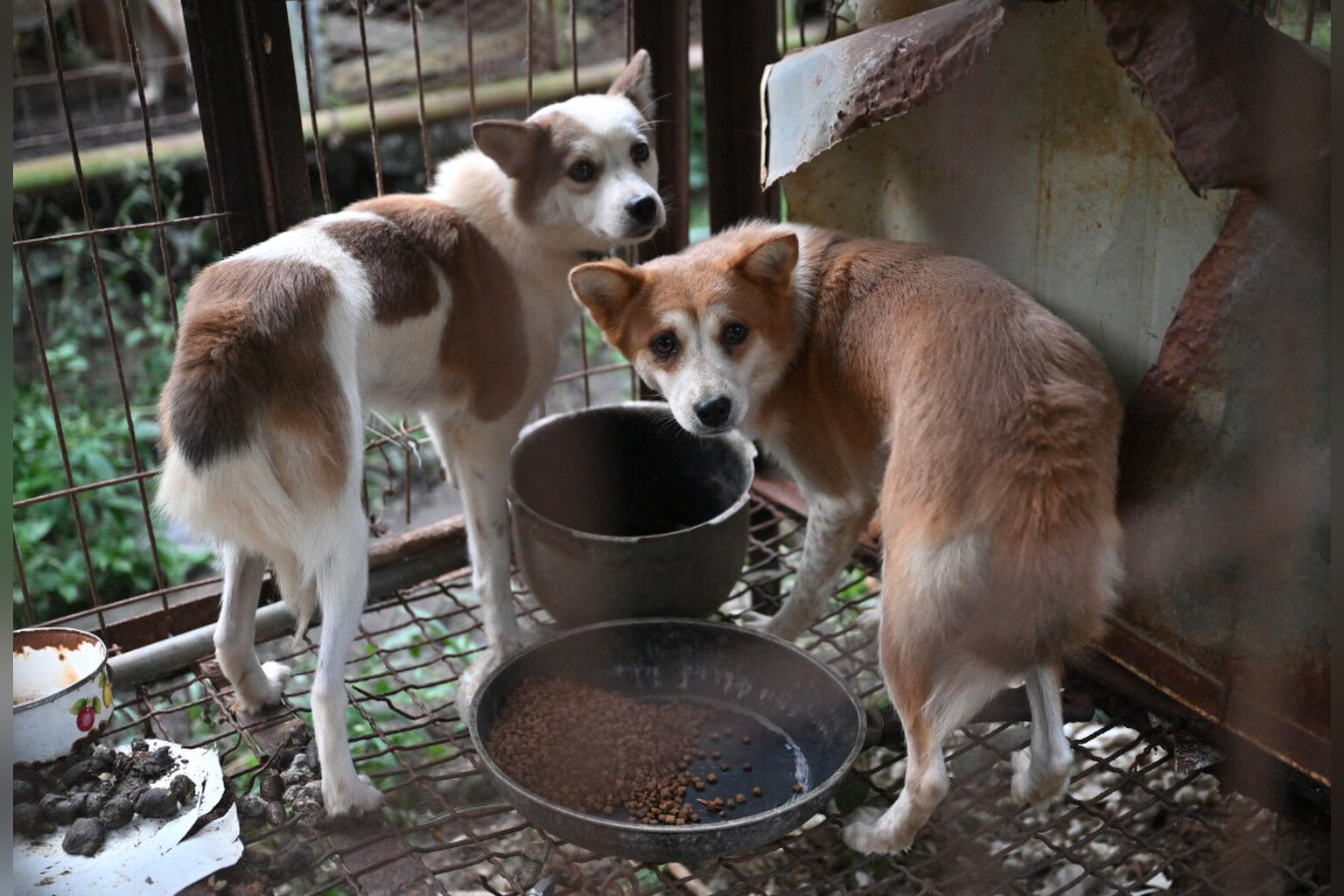
About 7,600 dogs remain trapped at meat farms across South Korea as the clock runs down on a national ban that will criminalize the industry outright.
Animal-rights groups are scrambling to pull the animals from the 198 facilities still operating before the Feb. 7, 2027 deadline, when farming, slaughtering, or selling dog meat for human consumption will carry up to two years in prison and fines exceeding $20,000.
The scale of the remaining problem is a fraction of what existed when Seoul passed the ban. Around 468,000 canines were held in 1,537 dog meat farms at that point, according to the Ministry of Agriculture, Food and Rural Affairs. The government says 87 percent of those operations have since shut down.
Lee Yong-jik, director general of the ministry’s Animal Welfare Policy Bureau, framed the coming change as a moral milestone for the country. “The end of dog meat consumption marks a crucial turning point that will elevate our society’s animal welfare standards to the next level,” he said.
Officials are now pressuring holdout farms to close voluntarily ahead of the ban. Inspectors will sweep all remaining locations during the final two months of this year. The ministry has warned that any operation caught secretly expanding its dog population or allowing continued breeding will face immediate forced shutdown.
The government has acknowledged it cannot simply walk away from the surviving animals. It is calling on local municipalities to help manage the roughly 7,600 dogs that will still need care after the industry formally collapses.
“We will closely monitor on-site operations to ensure the smooth closure of the remaining farms and make thorough preparations to address the issue of the remaining dogs after the ban takes effect,” Lee added.
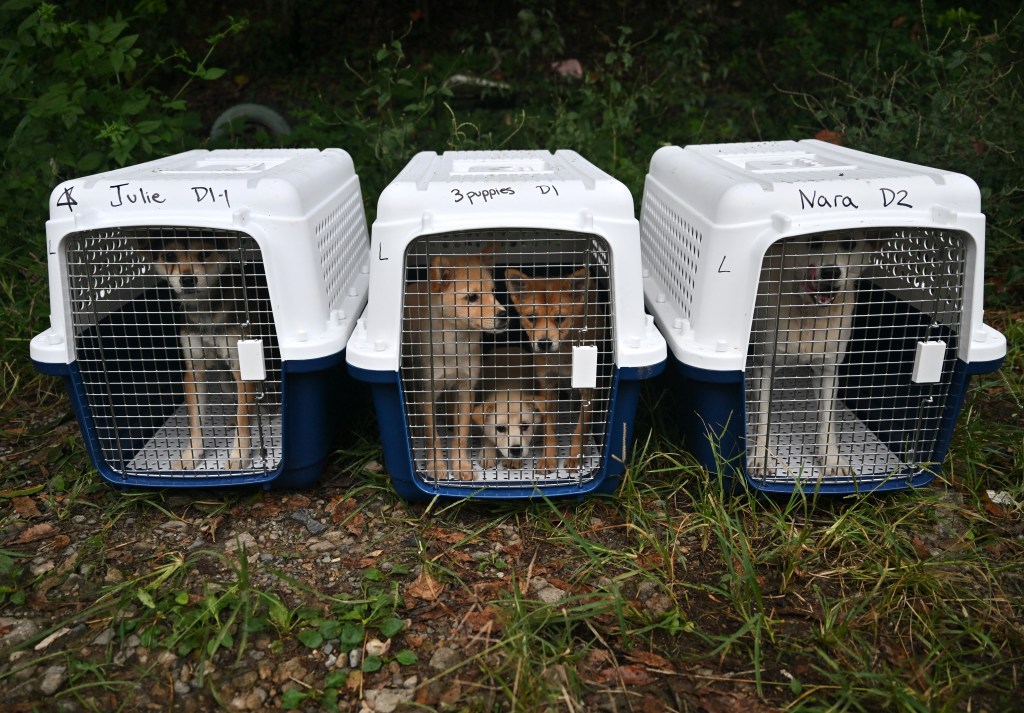
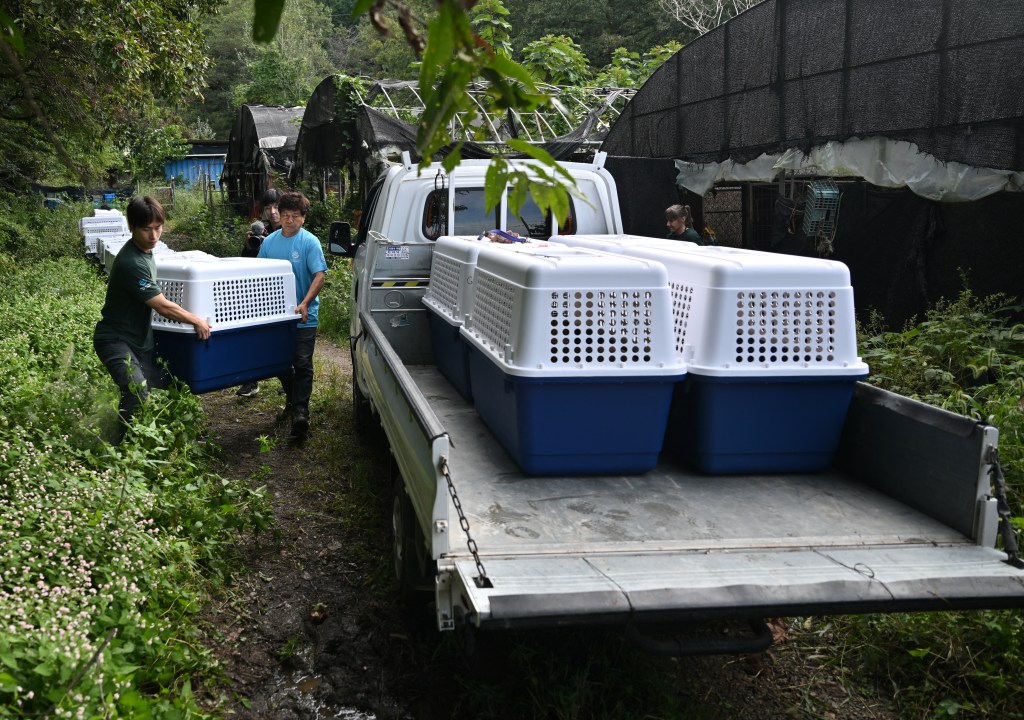
While bureaucrats plot the final phase-out, rescue organizations have been conducting their own extractions. Last month, Humane World for Animals pulled more than 70 dogs from a closing meat farm in Gangjin, a southwestern county known for its agricultural output.
The group indicated this was probably its final large-scale rescue mission inside South Korea. Sangkyung Lee, the organization’s Korea campaign manager, described the operation as bittersweet closure for a decade of activism.
“These dogs are among the very last few to suffer in this dying industry and sending them to the USA and Canada to start new lives in loving families feels like the perfect closing chapter to our 10-year mission as South Korea embarks on a new relationship with dogs in which they are friends not food,” she said.
The ban itself emerged after years of mounting pressure both domestically and from international advocates, who had long singled out South Korea’s dog meat trade as a glaring outlier among developed economies. Younger South Koreans in particular had turned sharply against the practice, with pet ownership soaring while tolerance for the farms plummeted.
Still, the transition has not been seamless. The remaining 198 farms represent entrenched interests in rural areas where the trade sustained families for generations, and the government’s reliance on municipal help for dog care suggests local resources will be stretched thin.
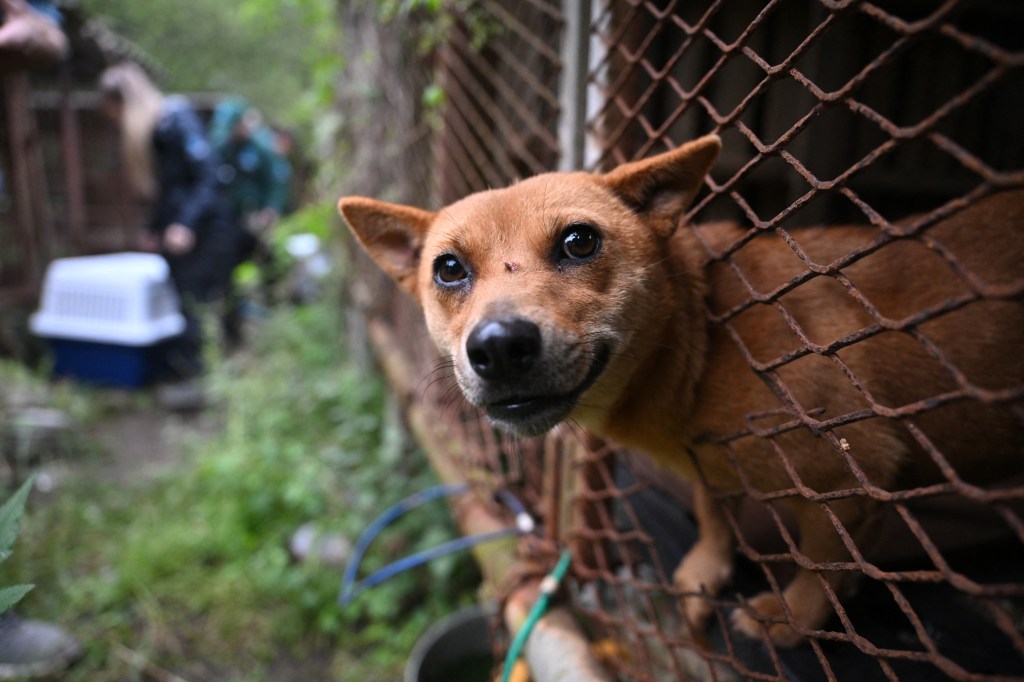
What happens to the 7,600 dogs still in limbo remains the urgent unanswered question. Some will likely follow the Gangjin survivors to adoptive homes overseas, but the volume far outstrips rescue capacity. The ministry’s monitoring push and the threat of criminal penalties are designed to prevent last-minute slaughter rushes, yet animal groups fear the final months could see desperate operators cutting their losses.
The Gangjin rescue points to one possible template: international adoption pipelines that relocate the animals to North American families. Whether that model can scale to thousands more dogs in the roughly 18 months before the ban takes full effect is unclear.
The ministry’s inspectors are scheduled to begin their year-end facility sweeps in November.