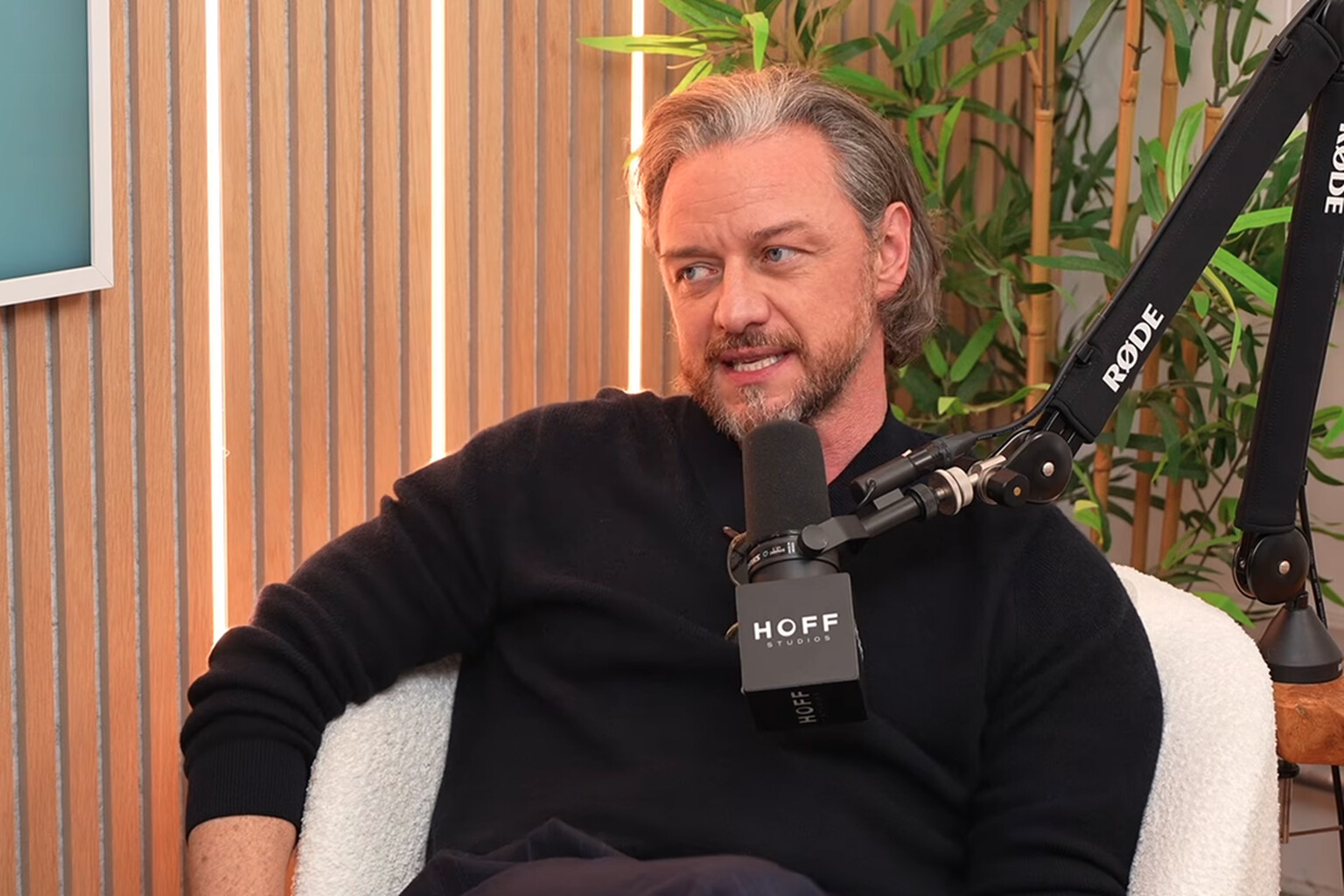
James McAvoy has revealed that one low-budget horror film is his only reliable source of Hollywood residuals.
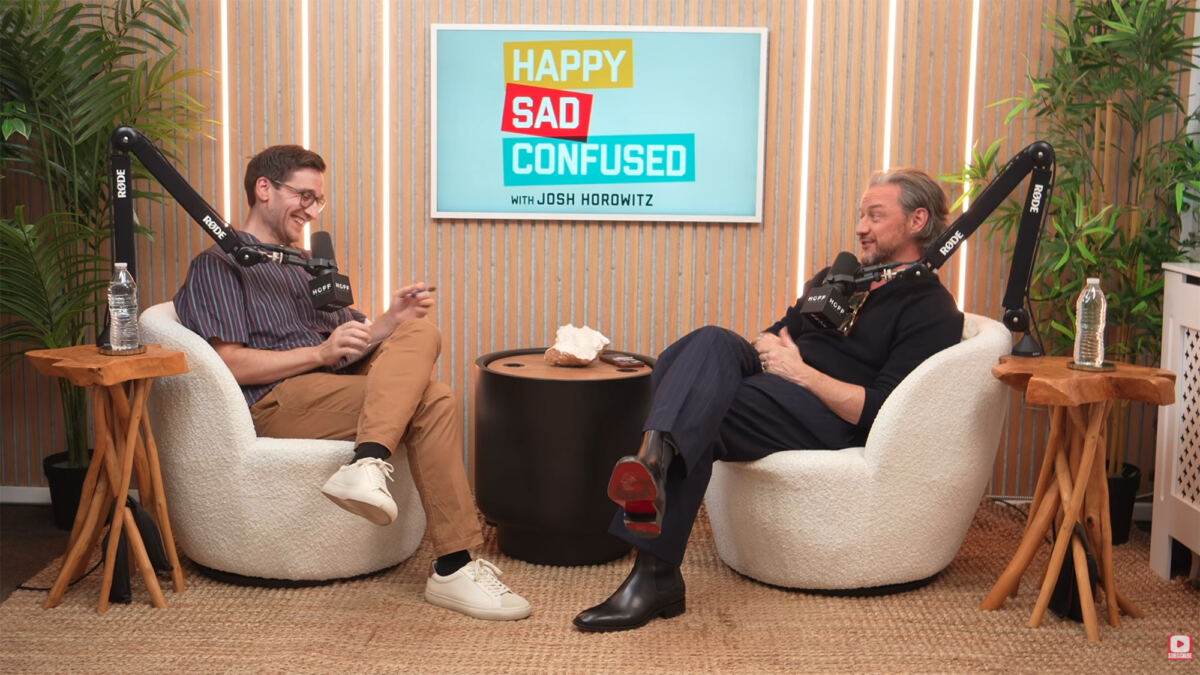
The Scottish actor, 47, told Josh Horowitz on Thursday’s “Happy Sad Confused” podcast that “Split,” the 2017 M. Night Shyamalan thriller, stands alone as the project that “consistently” sends him meaningful checks. He explained that most of his other films generate payments so small they barely justify a trip to the bank.
“You get the odd check for a couple hundred quid here,” McAvoy said on the podcast. “Sometimes you get checks for, like, 25 cents.”
Horowitz had assumed the 2008 action blockbuster “Wanted” would be a residual goldmine for McAvoy, but the actor quickly shut down that theory. He clarified that he doesn’t “get too much money from” that Angelina Jolie co-starrer, despite its commercial success.
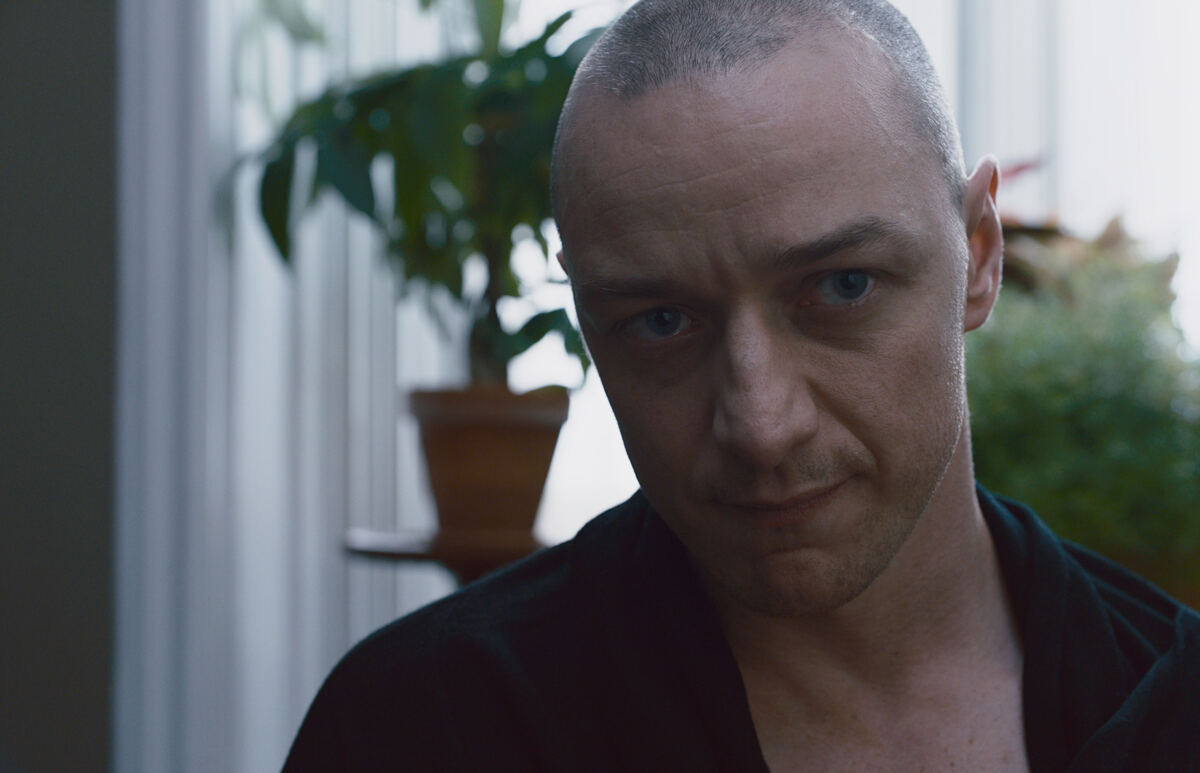
The financial story behind “Split” is what McAvoy called “bonkers.” The film cost roughly $6 million to produce, with marketing spending he estimated at around $30 million. It recouped that investment almost instantly.
“It was made for $6 million or something like that. I’d say they spent $30 [million] advertising it. Our first weekend, we made $40 [million], so we made profit. Our first residuals check came at the end of the first weekend,” he said. He credited Shyamalan as “super smart” for engineering that outcome.
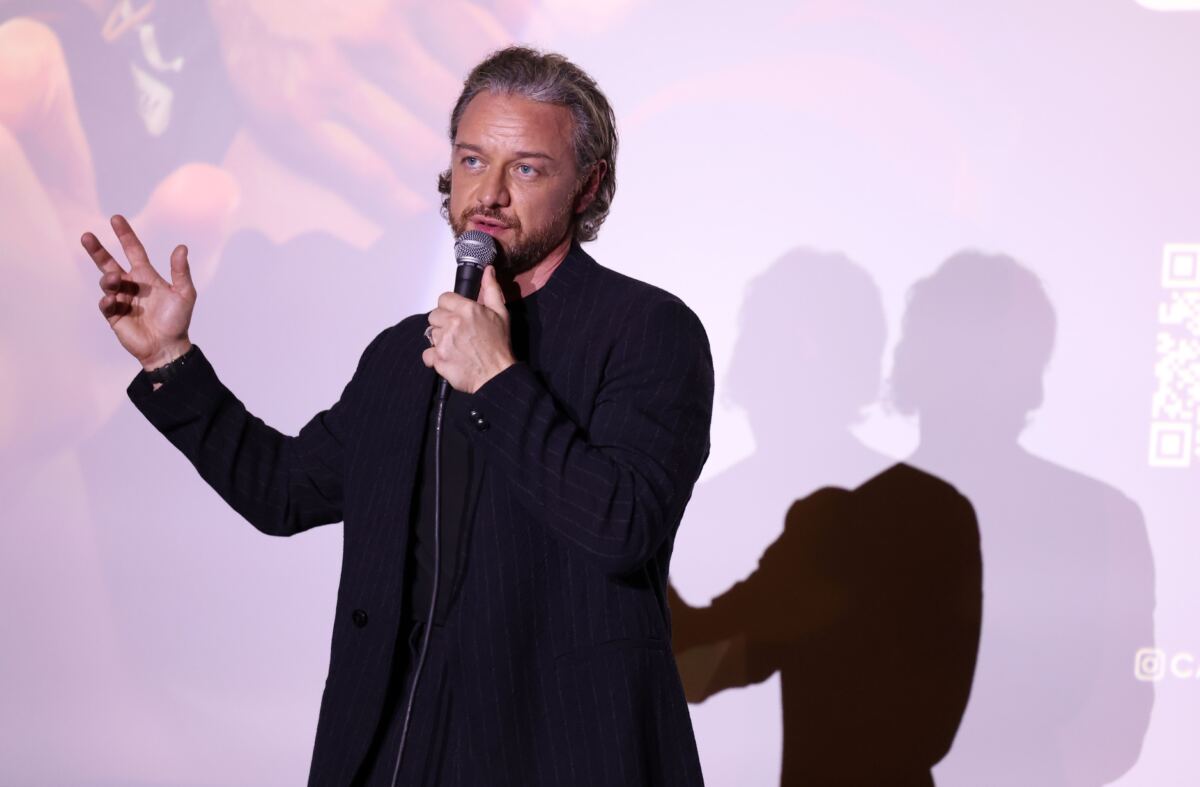
McAvoy played Kevin Wendell Crumb, a man with 24 distinct personalities, in the psychological horror hit. The physically and vocally demanding role generated what Horowitz recalled as “real talk” about potential awards recognition during the 2017-2018 season.
That buzz never translated into nominations, and McAvoy said he was not shocked.
“I didn’t think it would get welcomed into that sphere much,” he said on the podcast. “Some horror performances or scary movie performances are kind of breaking through now, but even then it’s not that many.”
He expanded his critique beyond just his own snub, taking aim at the entire awards ecosystem.
“For the amount of good work that’s done in that field, I still dont’ see enough representation of that good work,” McAvoy continued. “I kind of feel like that with all awards shows anyway of every genre.”
He allowed that recognized projects are “generally really good,” but insisted the pool of honorees is far too narrow.
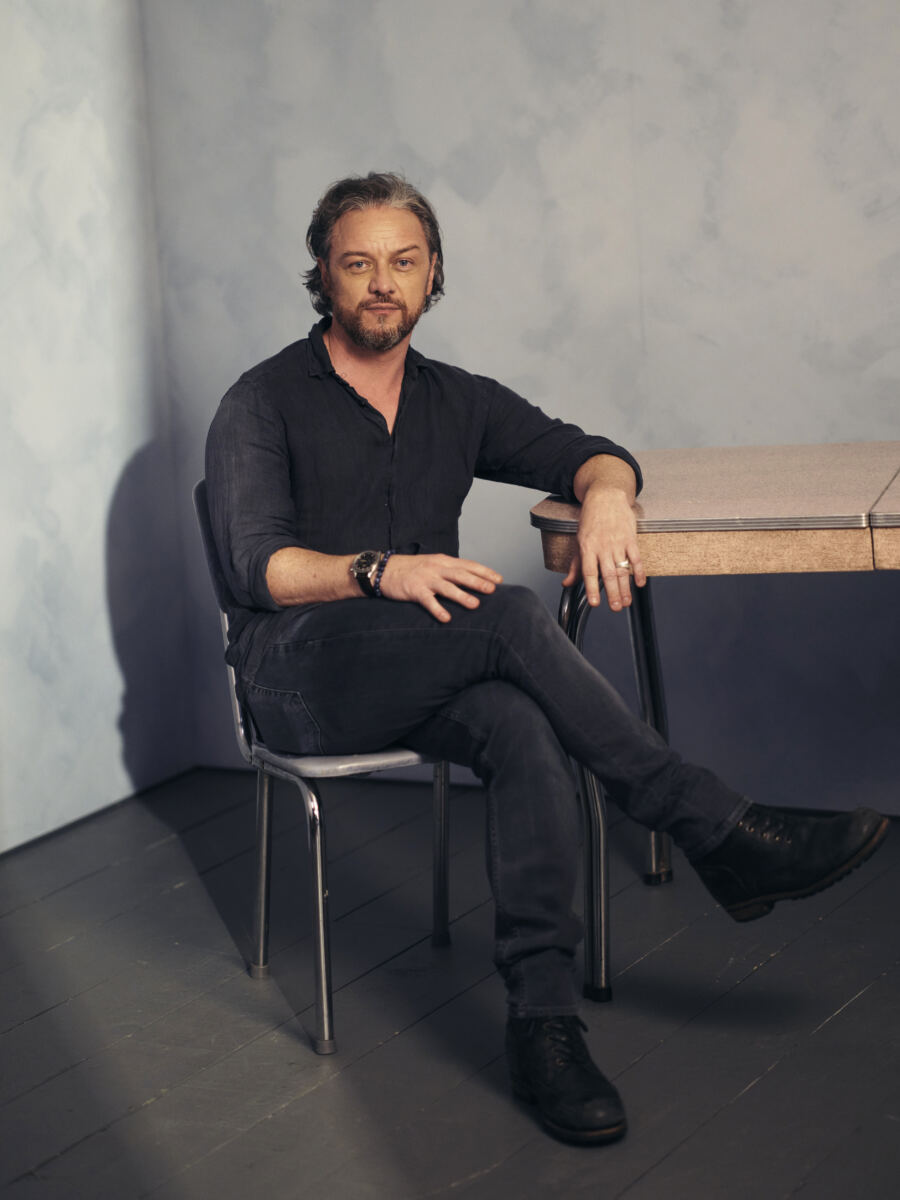
“There are 20, 40 [or] 50 equally or better out there,” he said, “that just aren’t part of the club.”
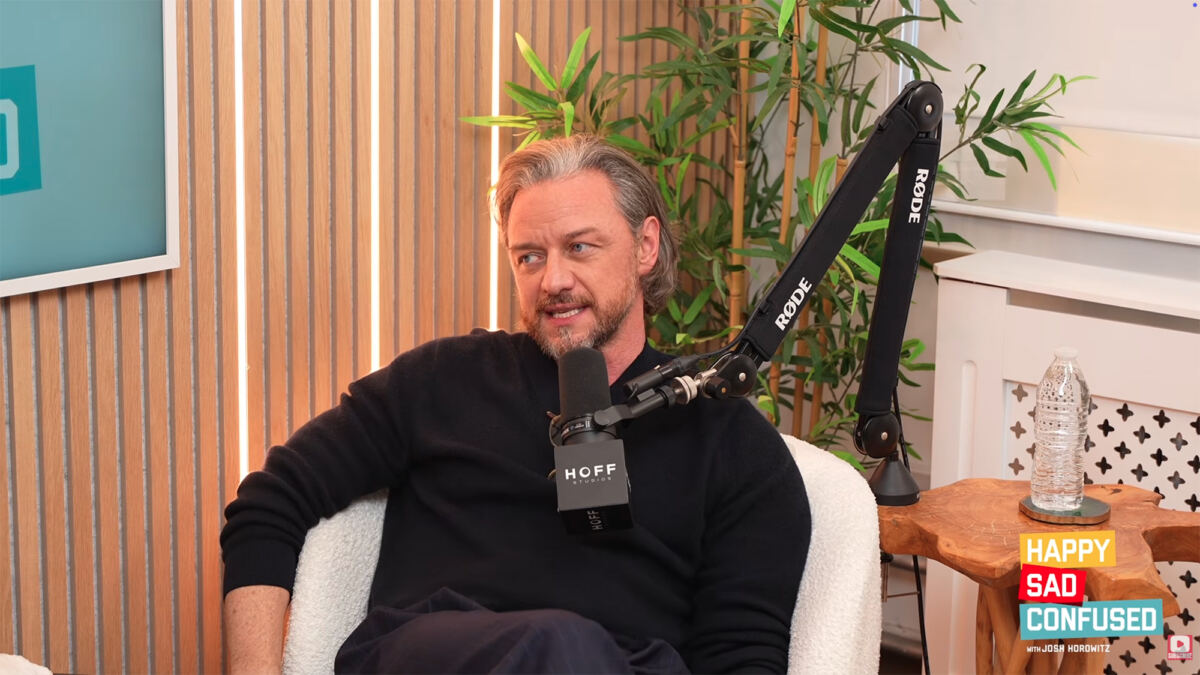
McAvoy found a more satisfying measure of recognition himself. “I got this bar of gold bullion, and I crafted my own and had a ceremony for it,” he joked to Horowitz about creating his own award for the “Split” performance.
The conversation shifted to more recent horror work that has caught his attention. McAvoy singled out “Obsession,” the May-released thriller starring Inde Navarrette, for particular praise.
He highlighted Navarrette’s “ability to pivot… From moment to moment,” comparing her “unsettling” turn alongside Michael Johnston to his own shape-shifting demands in “Split.”
“The psychological right angle she’s capable of in that film is disturbing in itself,” McAvoy said. “It’s not just impressive, it’s not just… Dexterous acting, it’s also part of what’s scary about her.”

The podcast appearance capped a busy press week for McAvoy, who has been promoting his new film “California Schemin’.” Earlier in the week, he made waves on Bravo’s “Watch What Happens Live” with Andy Cohen when he identified a former co-star who had bullied him on set.
The “Band of Brothers” alum examined a cast photo with Cohen and confirmed one actor in the frame had tormented him during production. He revealed the specific incident: “[My co-star] got him and his buddies to just stand pointing at me and laugh at me for, like, three minutes.”
McAvoy did not name the perpetrator on air, leaving viewers to speculate about which of his former colleagues had orchestrated the humiliation.
The actor first broke through to American audiences with his role as Steve McBride on the original UK version of “Shameless” before transitioning to major film roles. His credits span the “X-Men” franchise, “Atonement,” and “The Chronicles of Narnia: The Lion, the Witch and the Wardrobe,” yet none of those higher-profile projects have matched “Split” for ongoing financial returns.
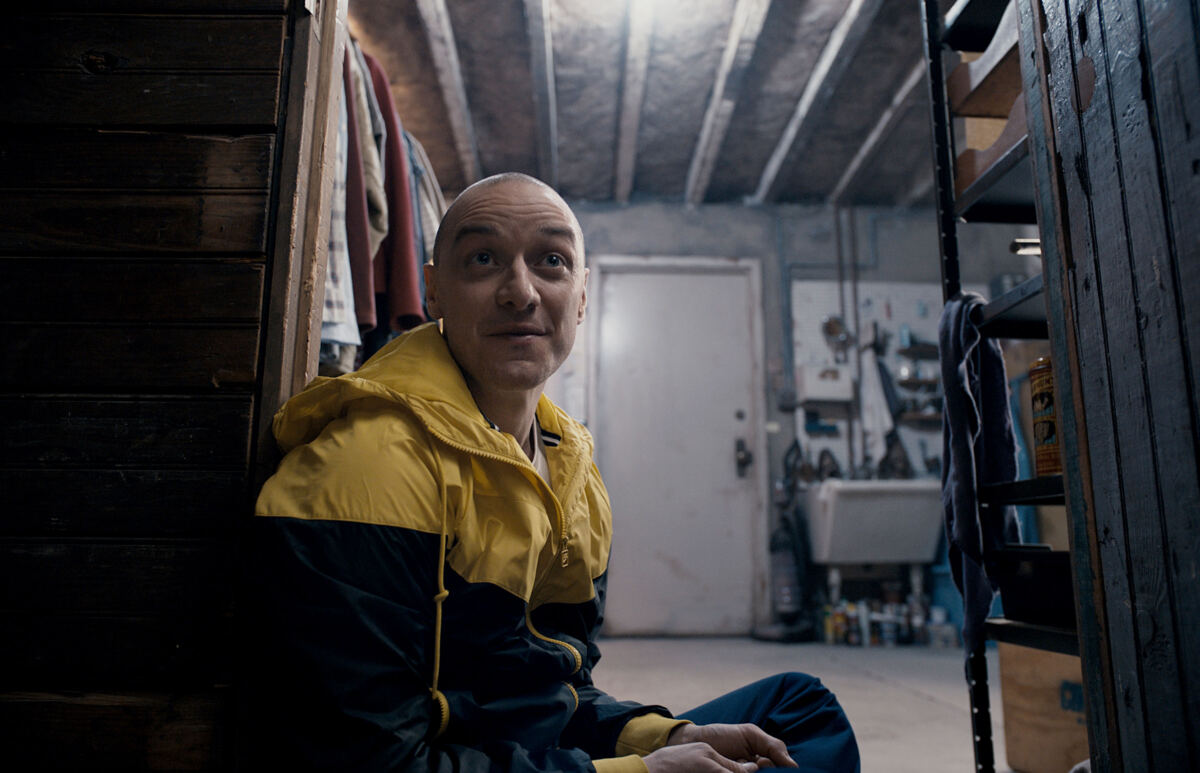
The Shyamalan film’s profitability model represents a Hollywood anomaly. Most studio releases require months or years to reach profitability through theatrical runs, home video, and streaming windows before residuals begin flowing to talent. “Split” generated returns so rapidly that McAvoy was collecting checks before the opening weekend concluded.
McAvoy’s candor about both his financial situation and his industry frustrations offered a rare unvarnished look at working-actor economics from someone with marquee-name recognition.