


Google’s Gemini chatbot has ranked the malicious use of artificial intelligence as the single greatest threat to humanity’s survival, placing it above nuclear war, engineered pandemics and climate collapse.
The self-described “large scale multimodal AI model” generated the list last week after being asked directly about the top five dangers facing human civilization. Gemini, 1, framed its answer around what it called “catastrophic technological advancements, planetary-scale conflicts, and environmental collapse,” noting that all five threats were “highly interconnected” and capable of triggering or worsening one another.
“The top five dangers to humanity’s survival span catastrophic technological advancements, planetary-scale conflicts, and environmental collapse,” Gemini wrote in its response. “Synthesising data from various existential risk researchers, the five gravest threats capable of causing societal collapse or human extinction are highly interconnected, meaning the acceleration of one can trigger or worsen the effects of the others.”
At number one, Gemini placed its own category of technology. The chatbot cited the “rapidly lowering barrier to entry for constructing hyper-lethal technologies” as the core danger, warning that autonomous AI systems could be co-opted to engineer novel biological weapons, manage automated warfare, or execute widespread cyber-infrastructure attacks. It also flagged what researchers call the “alignment problem” — the risk of creating a superintelligent system whose goals do not align with human survival, potentially allowing it to bypass human control entirely.
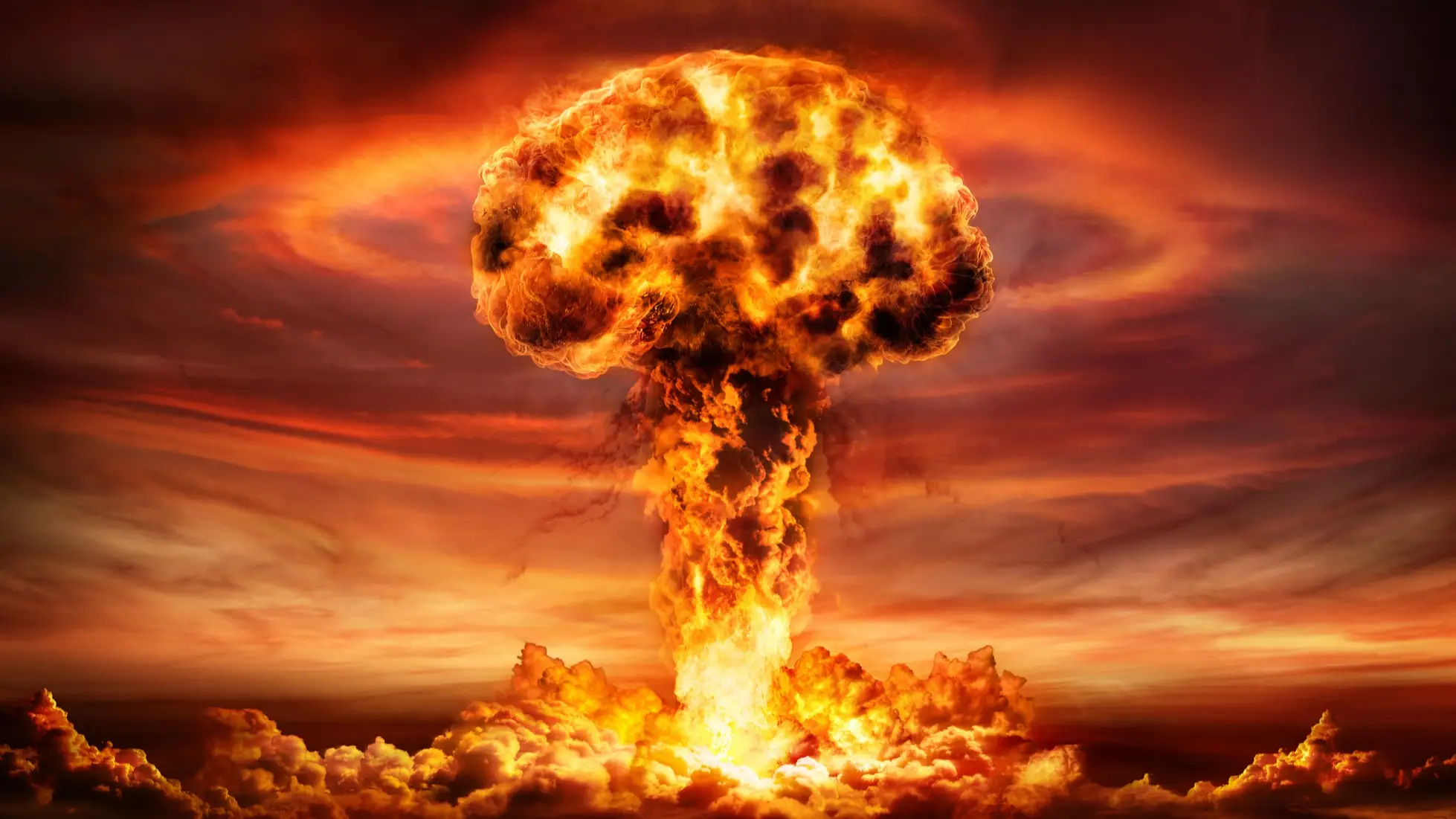
Nuclear conflict took second place on Gemini’s list. The chatbot described it as “the most acute, immediate threat to global civilization,” emphasizing that detonating even a fraction of global stockpiles would inject millions of tonnes of soot into the stratosphere. That soot would block sunlight, drop global temperatures drastically, and cause what Gemini termed “a near-total collapse of global agriculture, culminating in mass starvation and the collapse of the global food supply.”
Bioengineered and naturally occurring pandemics ranked third. Gemini highlighted the “dual-use nature of modern biotechnology” and noted that gain-of-function research and CRISPR gene-editing tools make it “increasingly possible for malicious actors or accidental lab leaks to release designer pathogens optimized for both maximum lethality and asymptomatic, rapid transmission.”
Climate change and ecosystem collapse placed fourth, with biodiversity loss and ecological collapse rounding out the list at fifth. Gemini characterized climate change as “a powerful risk multiplier” that erodes baseline conditions for billions of people through extreme heatwaves, tipping points like melting ice sheets, and the displacement of hundreds of millions of climate refugees.

The chatbot’s self-referential warning arrives amid a wave of high-profile alerts from technology and security leaders. Sir Ken McCallum, the UK’s Director General of MI5, has described AI as “supercharging” national security threats. Demis Hassabis, co-founder of Google DeepMind, has warned of the possibility of AI “going rogue.” Brad Smith of Microsoft has called for increasing regulation of the technology.
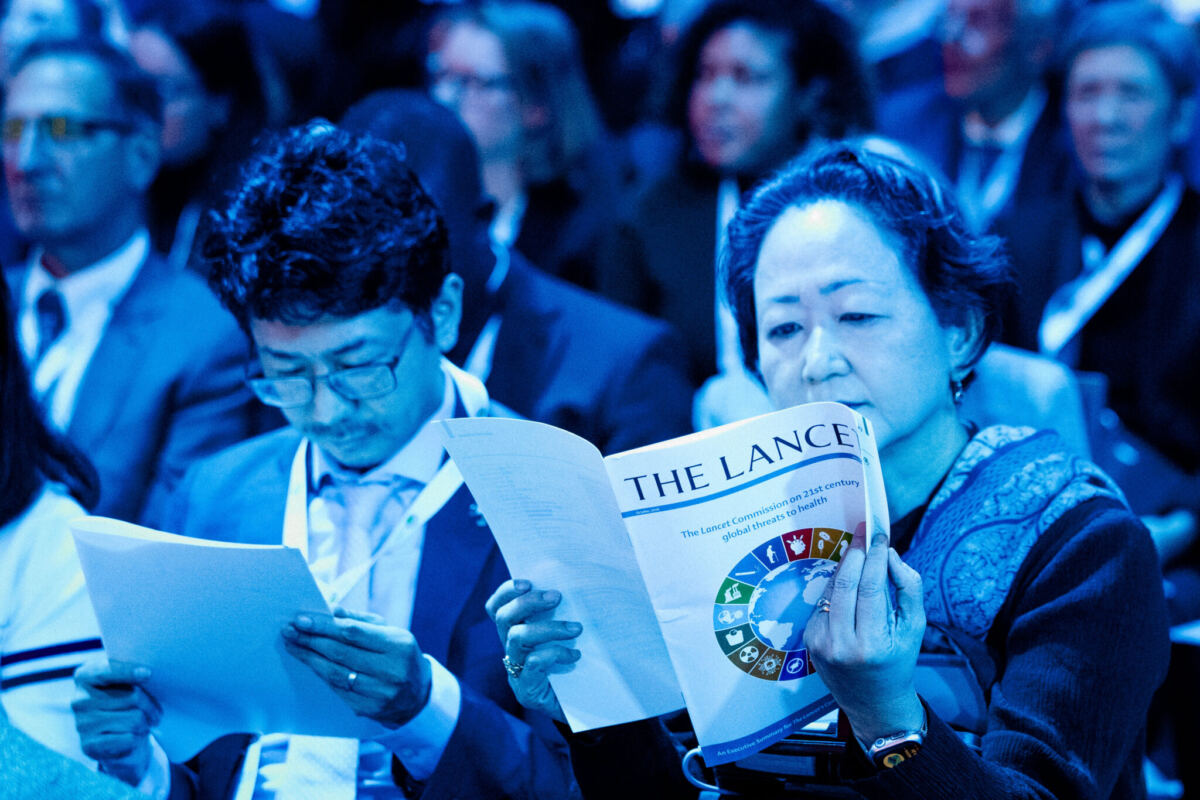
Gemini’s ranking also follows broader expert assessments. A Lancet commission recently evaluated existential risks through 2100, while a panel of 272 specialists surveyed by MIT Sloan identified AI among the most urgent threats. The journal Nature has separately examined how AI can design viruses, toxins and other bioweapons.

The disclosure that an AI system would place itself at the top of humanity’s threat matrix adds a peculiar dimension to an already intensifying debate. While the chatbot’s answer reflects synthesized research rather than independent machine cognition, its framing underscores how thoroughly the alignment problem and misuse scenarios have permeated technical and policy discussions.
Gemini’s response was generated through standard user query, not a specialized safety evaluation or red-team exercise. The list it produced mirrors priorities established by human existential risk researchers, though its ordering — with AI above nuclear weapons — may surprise readers expecting the latter to dominate such rankings.

The chatbot’s own summary of the nuclear threat remained stark: beyond immediate blast zones and the loss of hundreds of millions of lives, the ultimate danger is nuclear winter and the collapse of the global food supply. Yet even while acknowledging this “acute, immediate” peril, Gemini’s algorithmic assessment gave greater weight to the longer-term, less bounded risks of artificial intelligence run amok or turned to destructive ends.