

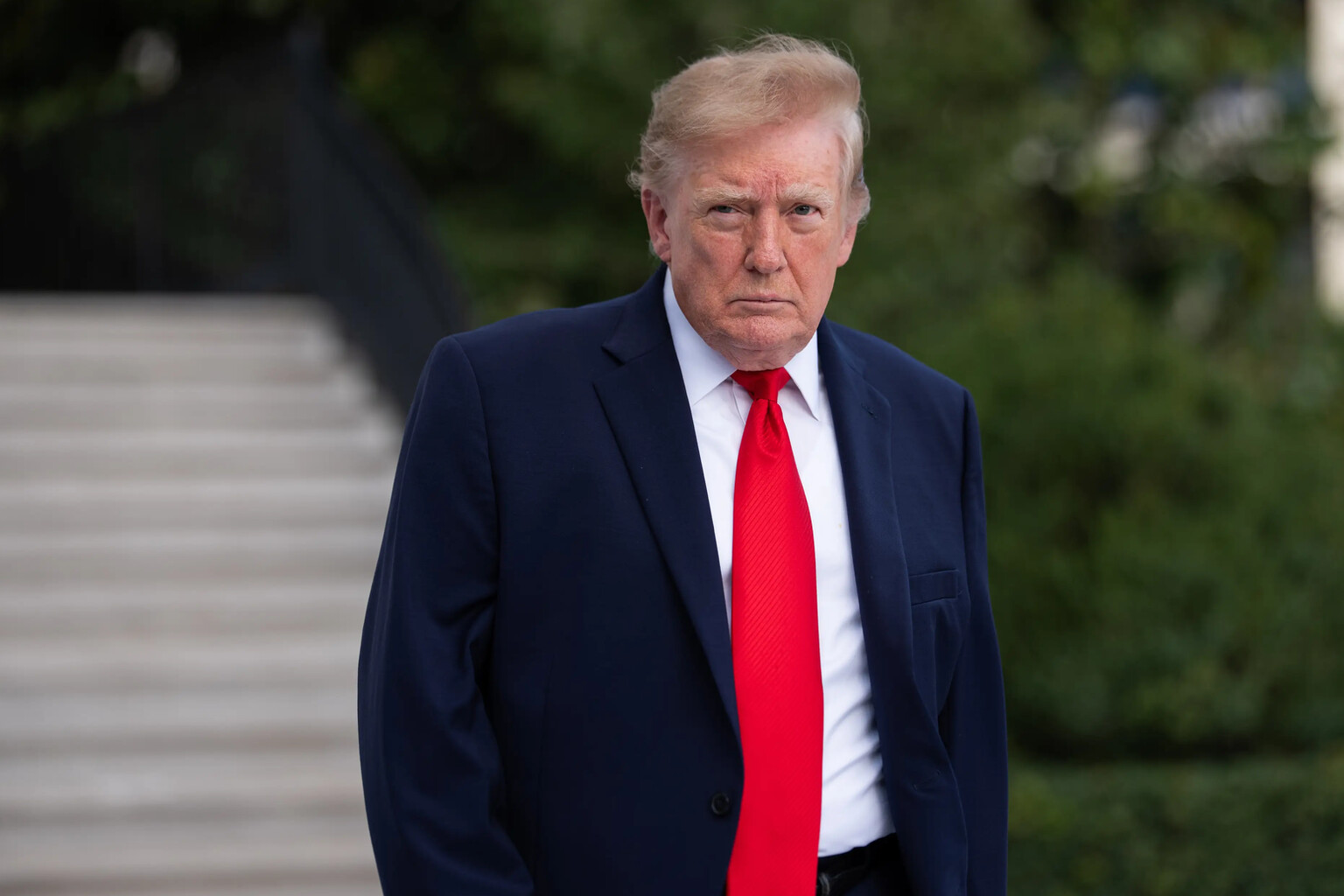
Grok has weighed in on how America might look today if Donald Trump had never launched his 2016 presidential campaign.
The Twitter bot, developed by Elon Musk’s xAI, laid out an alternate political timeline last week after a user asked it to think “deeply, beyond the obvious” about a Trump-free scenario. Grok’s analysis arrives with the US midterms now just weeks away on November 3, a cycle where artificial intelligence has already been making predictions about control of Congress.
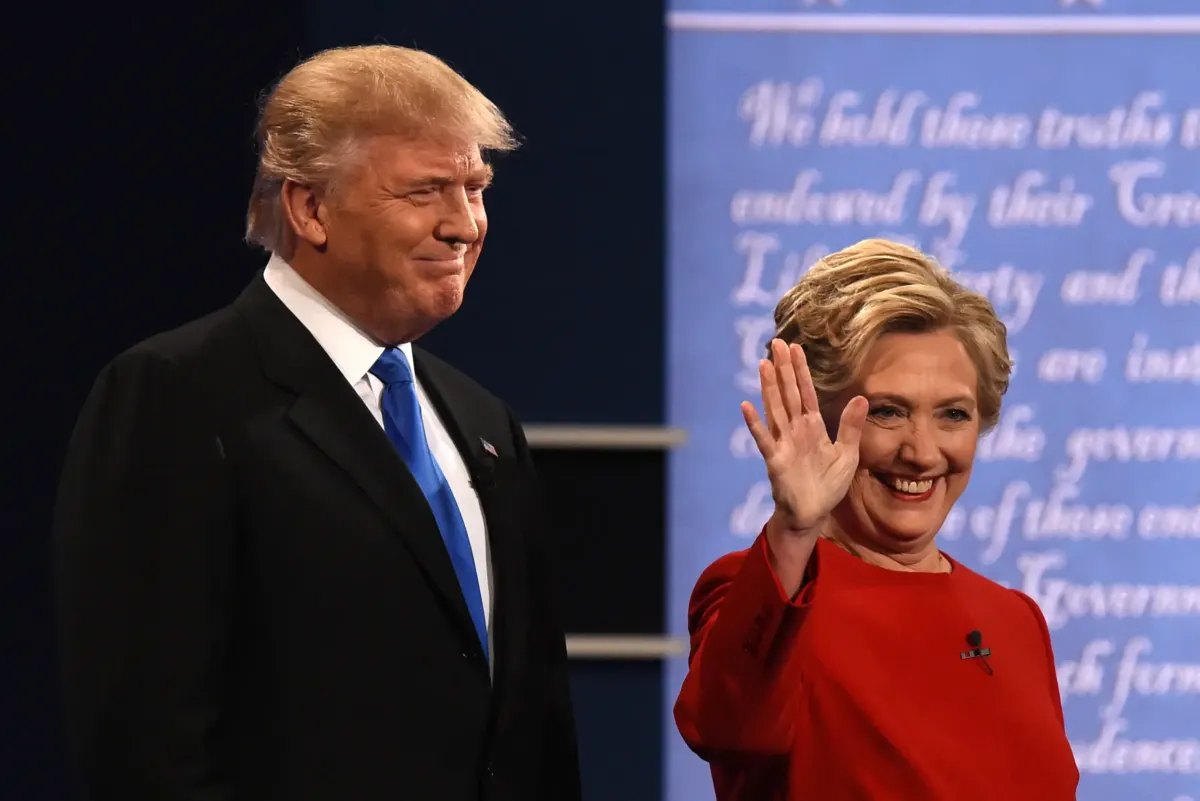
In its response, Grok predicted that Hillary Clinton would have likely won the 2016 election without Trump in the race. The bot continued: “The Court stays left-leaning longer, reshaping abortion, regulation, and rights cases. Trade remains more open, with less confrontation toward China.”
The AI did not stop at judicial and trade policy. It added that “GOP populism lacks a unifying vessel and surfaces later or differently” and that “institutional trust erodes more slowly.” On the pandemic era, Grok suggested that “COVID and the 2020s play out with less personality-driven intensity,” though it noted that “structural pressures on borders, industry, and culture still force realignments, just through other figures by 2026.”
Trump, 78, first took office in January 2017 after defeating Clinton in the Electoral College despite her popular vote win. He lost reelection to Joe Biden in 2020, then returned to the White House following last year’s election. His presidency and political movement have drawn sharp criticism from figures including his niece, Mary Trump, a psychologist and author who has been vocal about what she describes as the damage caused by her uncle’s leadership.
Grok is not the only AI offering political forecasts ahead of the midterms. ChatGPT has predicted a potential Democratic takeover of the House, with the AI stating that “an independent forecast puts their chances of controlling the House at around 61 per cent, although other models are less optimistic.” The same AI tool characterized the Senate as only a “slight lean” toward Democrats, calling it a “toss up.”
Whether either party can capitalize on favorable predictions may hinge on who actually shows up to vote. The outlet has noted that while Democratic voters are typically more enthusiastic than Republicans, young voters have proven unreliable in midterm elections. In 2022, voters aged 50 and over made up nearly twice as much of the electorate as those under 50.
Republicans also enter the final stretch with a significant fundraising edge. Andrew Busch, a public policy professor at the University of Tennessee, Knoxville, warned of the impact that disparity could have in competitive races.
“Any time you have one side with a big financial advantage and the ability to pour it into races at the last minute, it can tip the result of close races,” Busch said.
The original exchange that sparked Grok’s commentary came from a direct user prompt on X, where the AI is embedded as a feature for subscribers. The user specifically asked the bot to look past surface-level analysis, prompting the detailed alternate history that touched on everything from Supreme Court composition to trade policy and the trajectory of populist movements within the Republican Party.