

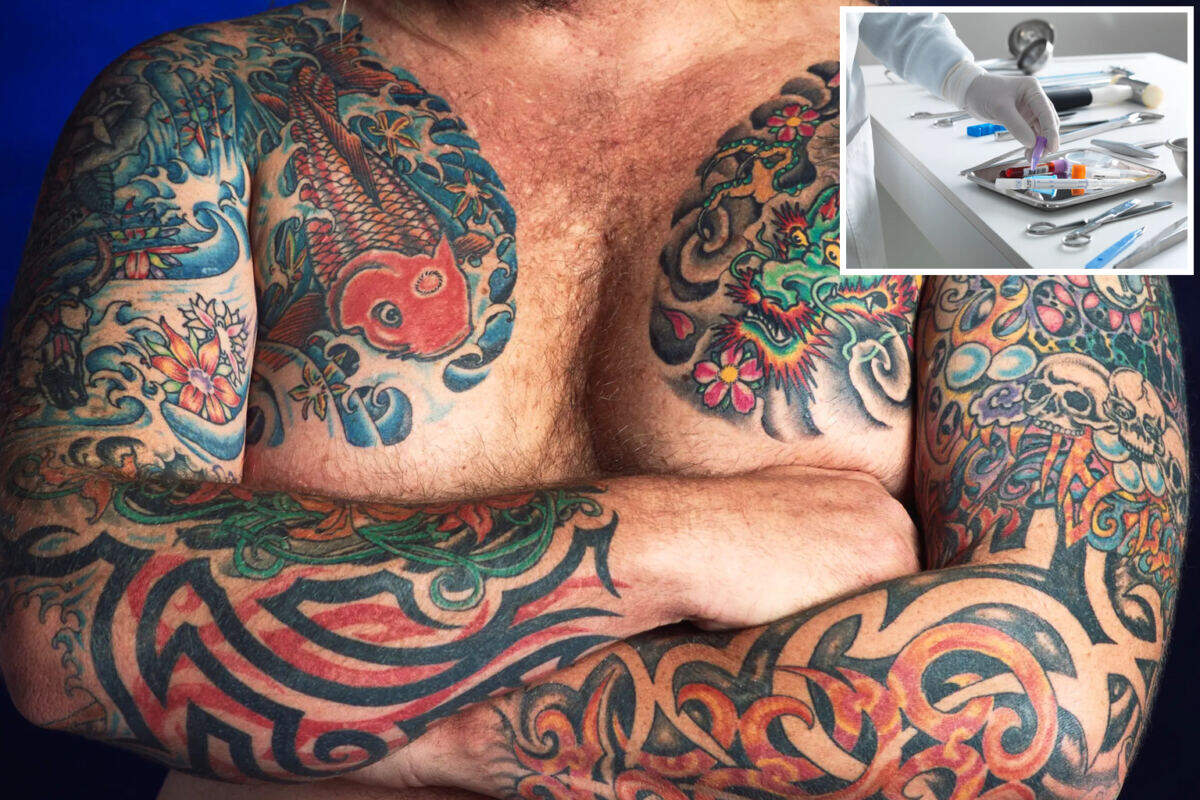
Gerald Ledford has apologized to the dead for cutting through their tattoos during autopsies.
The Little Rock, Arkansas-based autopsy technician, who shares insights into his profession on TikTok, addressed a question few people consider: what happens to body art once a person passes away. Ledford explained that while tattoos generally do not complicate the procedure, their placement can make them collateral damage of the necessary incisions.
Autopsies require a Y-shaped cut across the chest and abdomen to access and remove internal organs for examination. When a tattoo happens to sit in that exact zone, preserving it becomes impossible.
“I mean, kind of hate it, or I guess I feel bad when I have to cut through a tattoo on your chest to do my Y incision,” Ledford said in his TikTok video. “I have to do the Y incision to get all the pieces out. So sorry I ruined your artwork.”
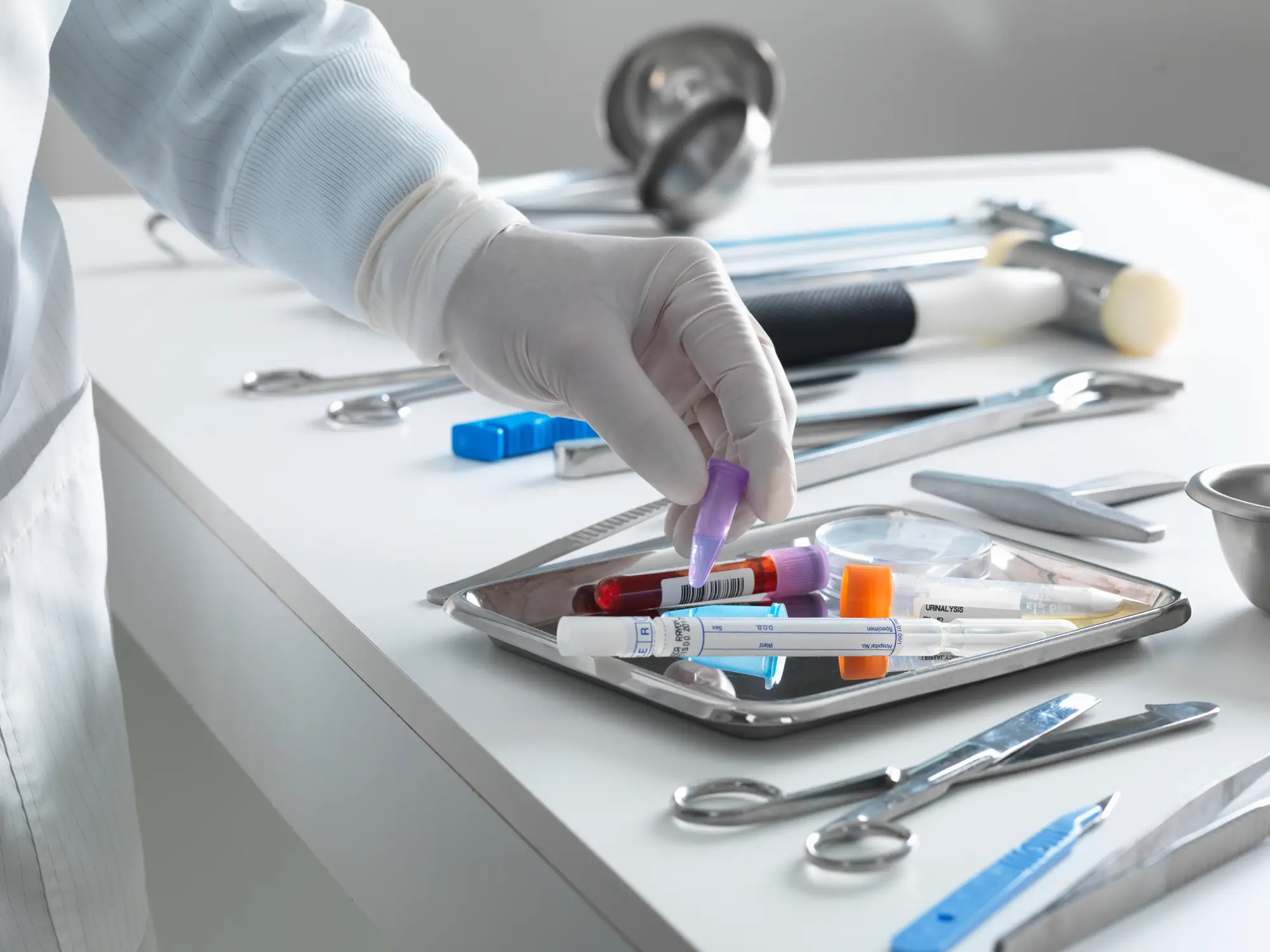
The aftermath falls to embalmers, who stitch the body back together once the examination concludes. Ledford noted that the results vary. “The embalmer will sew you back up,” he said. “Most of the time, they get pretty close to where they line up or don’t line up,” He added a practical consolation: “It’s underneath your clothes in the casket, so nobody’s gonna see it. So I cut right through them.”
Ledford’s curiosity about the stories behind the ink remains undimmed by the routine nature of his work. “I like to look at the tattoos and try to figure out what it is and why you got it,” he shared.
The fate of tattoos extends beyond the autopsy table. In the immediate aftermath of death, they can actually appear more vivid as normal skin color drains away with the cessation of circulation. Blood pooling in lower body regions under gravity creates purple or reddish discoloration, though the ink itself stays temporarily unchanged.
As decomposition advances, visibility deteriorates. The skin’s outer layer may blister, detach, and peel away. Further tissue breakdown introduces significant discoloration that can obscure once-prominent designs entirely.
Ledford’s candid account drew varied responses from TikTok viewers. One commenter issued a half-joking warning about protective instincts: “In the nicest possible way, my pathologist better go around my son’s feet, or I’ll be coming to haunt them.” Another viewer expressed straightforward gratitude for the explanation, while a third offered a simple plea: “Thanks, be gentle with my tatts.”
The broader context of post-mortem tattoo preservation rarely enters public discussion. Most living tattoo enthusiasts focus on design, placement, and artist selection without contemplating how their choices might interact with future medical procedures. Ledford’s testimony brings that overlooked intersection into view, framed by the unusual intimacy of his daily encounters with the deceased and their permanent markings.