

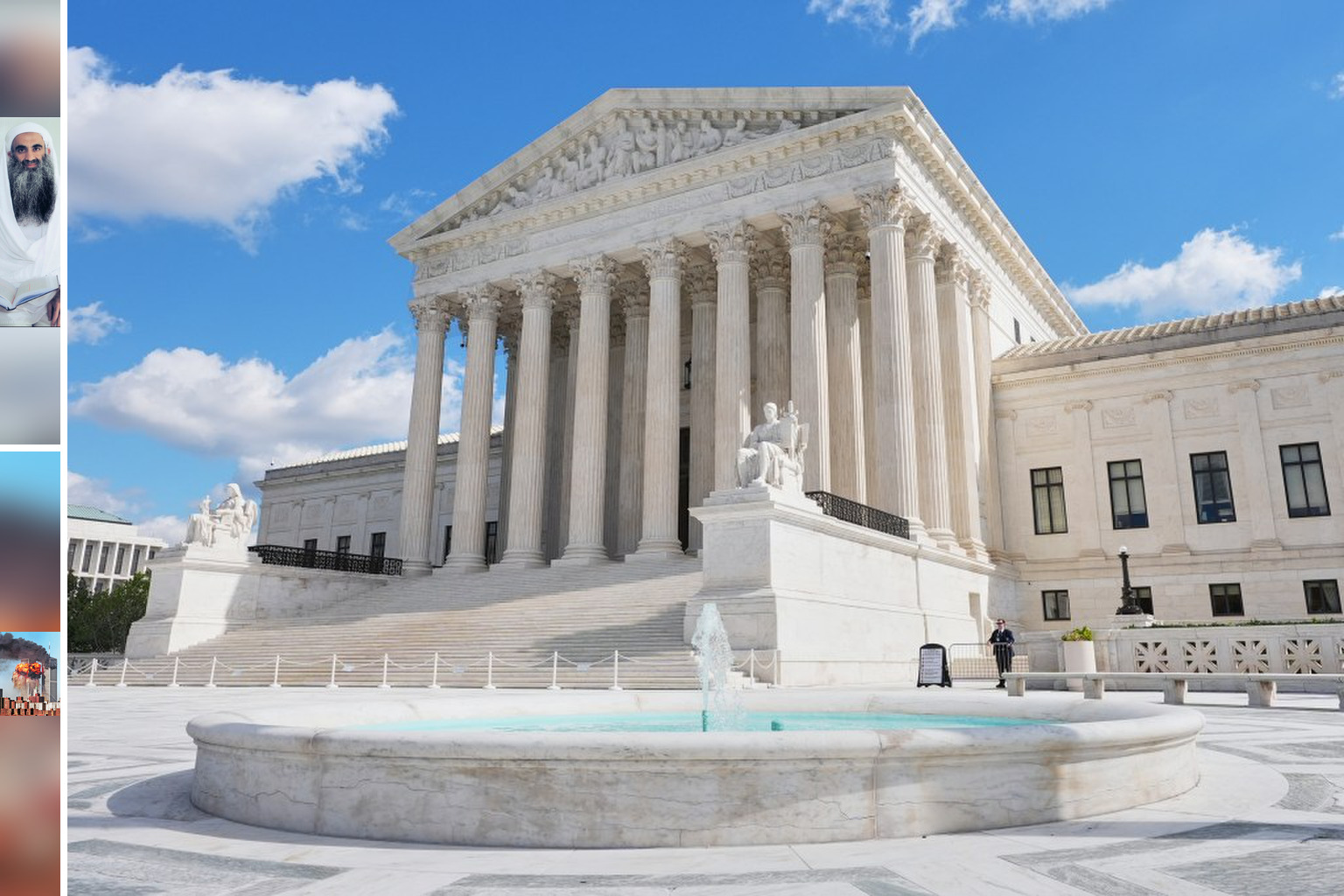
The Supreme Court shut down Khalid Sheikh Mohammed’s final attempt to restore a plea deal that would have kept him off death row.
Mohammed, 59, and two co-defendants struck the agreement with the Office of Military Commissions on July 31, 2024, pleading guilty in exchange for life sentences without parole for the attacks that killed 2,977 people at the World Trade Center, the Pentagon, and Shanksville, Pennsylvania. The deal collapsed just two days later when then-Defense Secretary Lloyd Austin rescinded it, declaring that only the Pentagon chief held authority to approve such an arrangement.
A divided DC appeals court panel upheld Austin’s intervention last year, leaving the nation’s highest court as the Al Qaeda operative’s last legal avenue. The justices rejected his bid Monday with no noted dissents. Justice Brett Kavanaugh, who worked in the George W. Bush White House counsel’s office at the time of Mohammed’s 2003 capture, recused himself from the case.
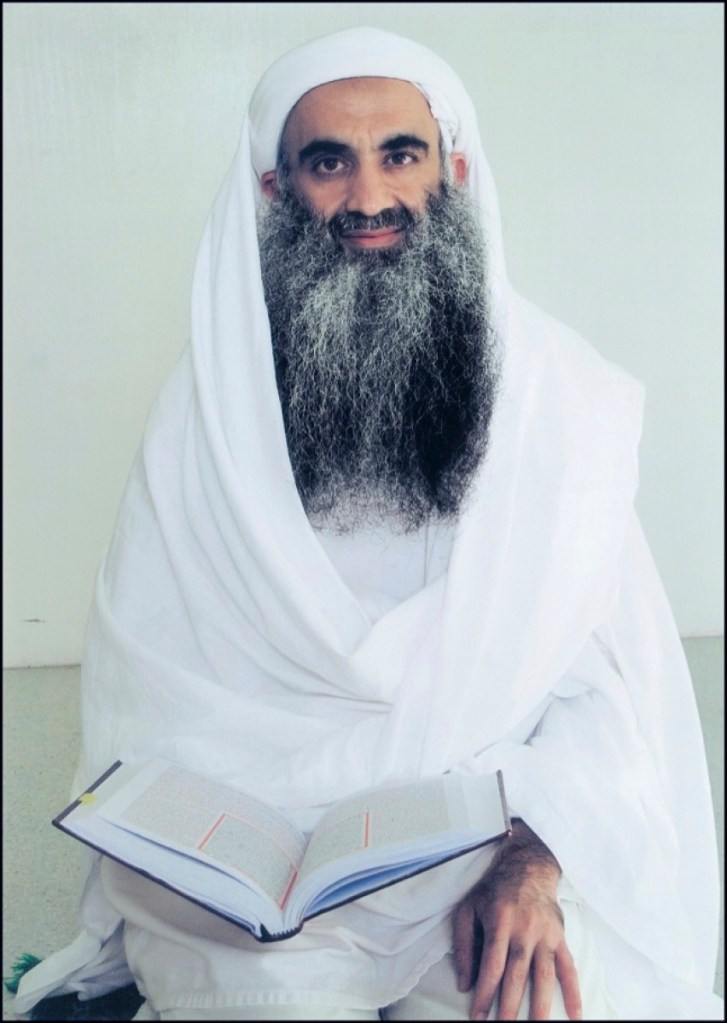
The man known as “KSM” now faces a military trial scheduled to begin June 5, 2028, after more than two decades of detention at the US naval base in Guantanamo Bay, Cuba. His prosecution has been stalled for nearly a quarter-century by bitter disputes over evidence obtained through CIA “enhanced interrogation” sessions.
A military judge ruled as recently as August that statements Mohammed gave to the FBI in 2007, four years after his capture, were not voluntarily made and threw them out. The back-and-forth legal wrangling led to Mohammed and four other accused being charged in 2008, then recharged four years later.
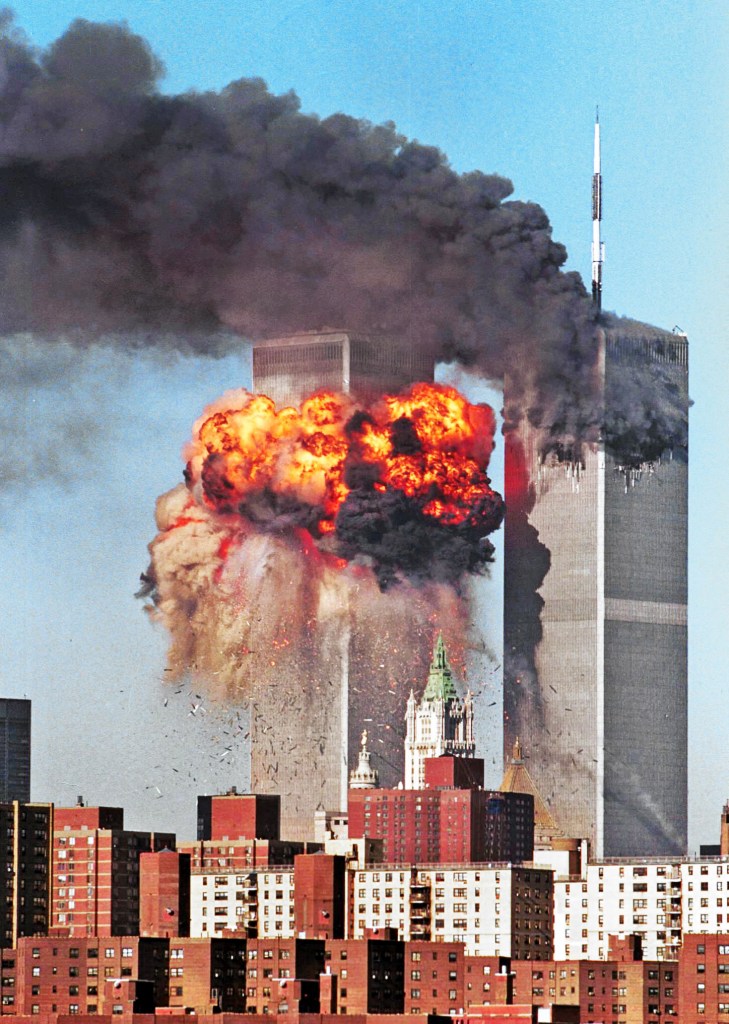
Mohammed was described as the “principal architect of the 9/11 attacks” in a bipartisan commission report published in 2004. He faces 2,977 counts of murder, terrorism, and violations of the law of war, among other offenses.
“I was responsible for the 9/11 operation, from A to Z,” he told a 2007 US military hearing, according to transcripts. “I don’t like to kill people,” he added in the same session, while also claiming he was “very sorry” children died in the attacks.
His co-defendants in the original plea deal were Walid bin Attash and Mustafa al-Hawsawi. The three men had sought to avoid the death penalty through their guilty pleas before Austin’s intervention scuttled the arrangement.
The prolonged delays in bringing Mohammed to trial have drawn repeated criticism from victims’ families and lawmakers across multiple administrations, even as defense attorneys have challenged the government’s reliance on evidence tainted by harsh interrogation methods.
Mohammed’s military trial is set to commence June 5, 2028.