

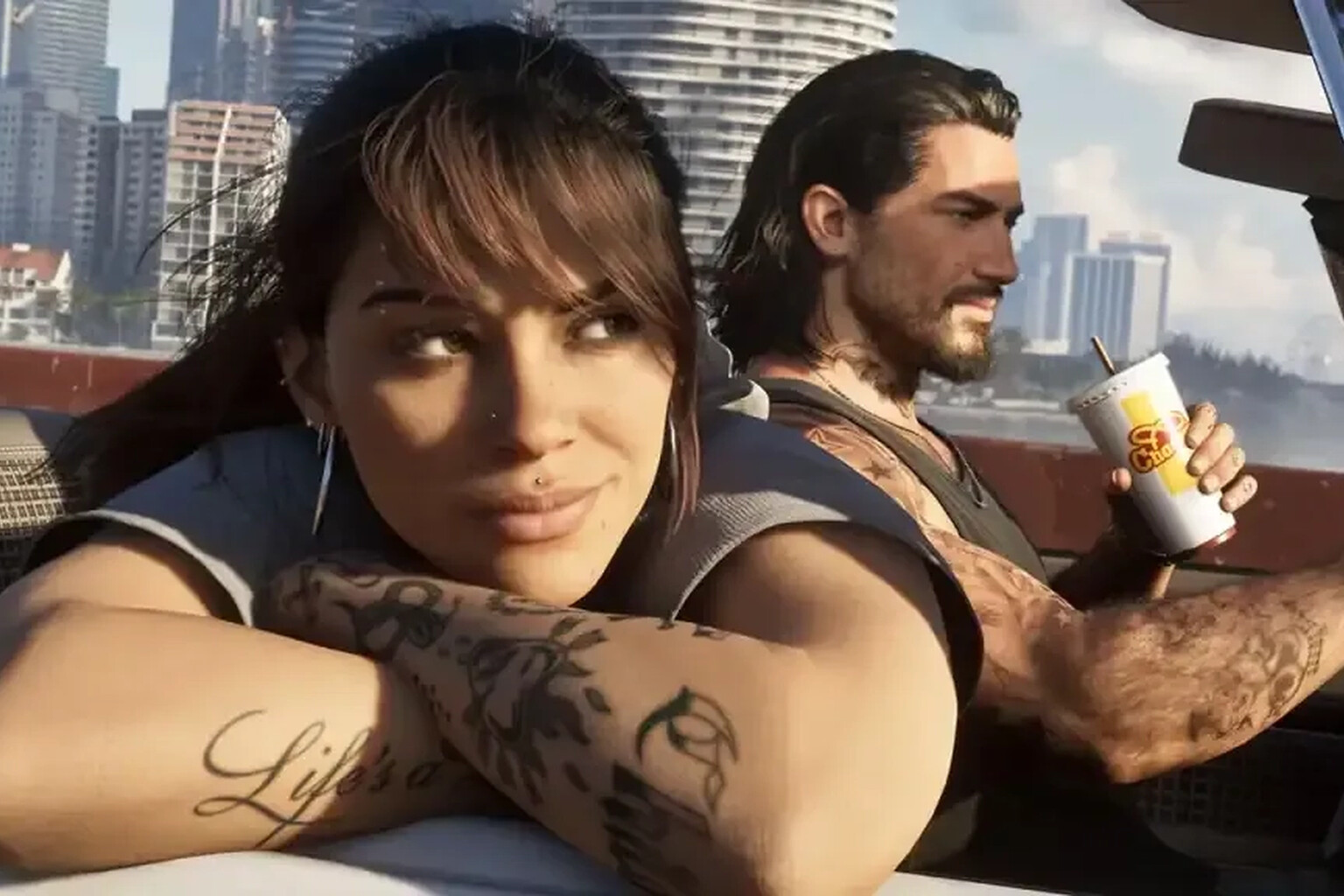
A certified sex and relationship expert has warned that emotional attachments to video game characters are increasingly straining real-world partnerships.
Gemma Nice, 28, a resident expert at Erobella, said that forming what she calls a “massive phenomenon” of parasocial bonds with fictional characters is “entirely normal” given how modern games are engineered. Developers design these figures to be socially and physically attractive, she explained, tapping into the same hardwired desires that drive human connection.

“We get to know their personality traits, how they walk, talk, behave, and communicate with others in specific situations,” she said. “If we translate this directly into real-life dating terms, we are hardwired to look for someone who can keep us safe, make us feel loved, and care for us. Video game characters mimic this perfectly.”
Nice emphasized that the interactive nature of gaming intensifies these bonds far beyond passive entertainment. Unlike television, where viewers simply observe, players make critical decisions for characters, physically guide them through landscapes, and navigate scripted dialogue with NPCs or complex RPG storylines.
“This creates a deep bond, intimacy, and a feeling that they are a true friend,” she added.
The expert noted that such attachments can actually benefit real relationships when kept in check, generating calmness, happiness, or excitement that spills over into offline partnerships. However, she drew a sharp line at behavioral changes that signal dysfunction.

“If a gamer has become withdrawn, less keen to go outside or has developed resentment towards their real-life partner out of wanting to just spend time with their gaming character, these could be red flags it’s gone too far too,” Nice warned.
She advised couples to establish firm boundaries around time, money, and emotional investment, recommending weekly check-ins to maintain balance. The fantasy appeal, she explained, stems from biochemical rewards: forming these bonds triggers dopamine and serotonin release while offering escape from daily stress.
“The more we relate to a character, the more secure we feel to step out of social expectations and be 100% ourselves without any fear of judgment,” Nice said. “In fact, many gamers end up feeling a deeper connection to their virtual allies than to their own real-world friends.”
The classification of such attachments as cheating remains deeply personal, Nice stressed, hinging entirely on pre-established relationship boundaries. She said that without explicit conversations about definitions, the territory remains a dangerous gray area.
“I have seen this vary from watching porn to not sleeping with other people without me,” she said. “It genuinely depends on the person and the relationship. If people have not discussed what they believe cheating is, then that is a grey area, and you can’t really say if the behavior violates that or not.”
Nice cautioned that couples who have explicitly agreed against outside emotional or psychological support would find these virtual bonds violate their established terms.
The phenomenon has gained fresh attention as anticipation builds for Grand Theft Auto VI, which is expected to feature expanded romance mechanics. A recent survey by OnePoll, commissioned by Xbox and reported by multiple outlets, found that 21 percent of British adults consider investing in a fictional video game relationship to constitute cheating on a real partner. The same poll revealed 23 percent of respondents would feel jealous if their significant other pursued in-game romance options, with the figure jumping to 31 percent among adults aged 18 to 24.
Social media has amplified the discourse, with some partners issuing ultimatums about the upcoming release. One engaged woman said she had forbidden her fiancé from playing GTA 6 entirely, stating “No way is my fiancé playing this,” Another said that the concept “gives me the ick.”
Nice’s core warning centers on expectation management. Characters are crafted as ideals, she noted, while actual humans remain flawed and unscripted.
“We must maintain strict control over them,” she said of virtual crushes, adding that heavy investment risks warping real-life standards for dating and relationships.