

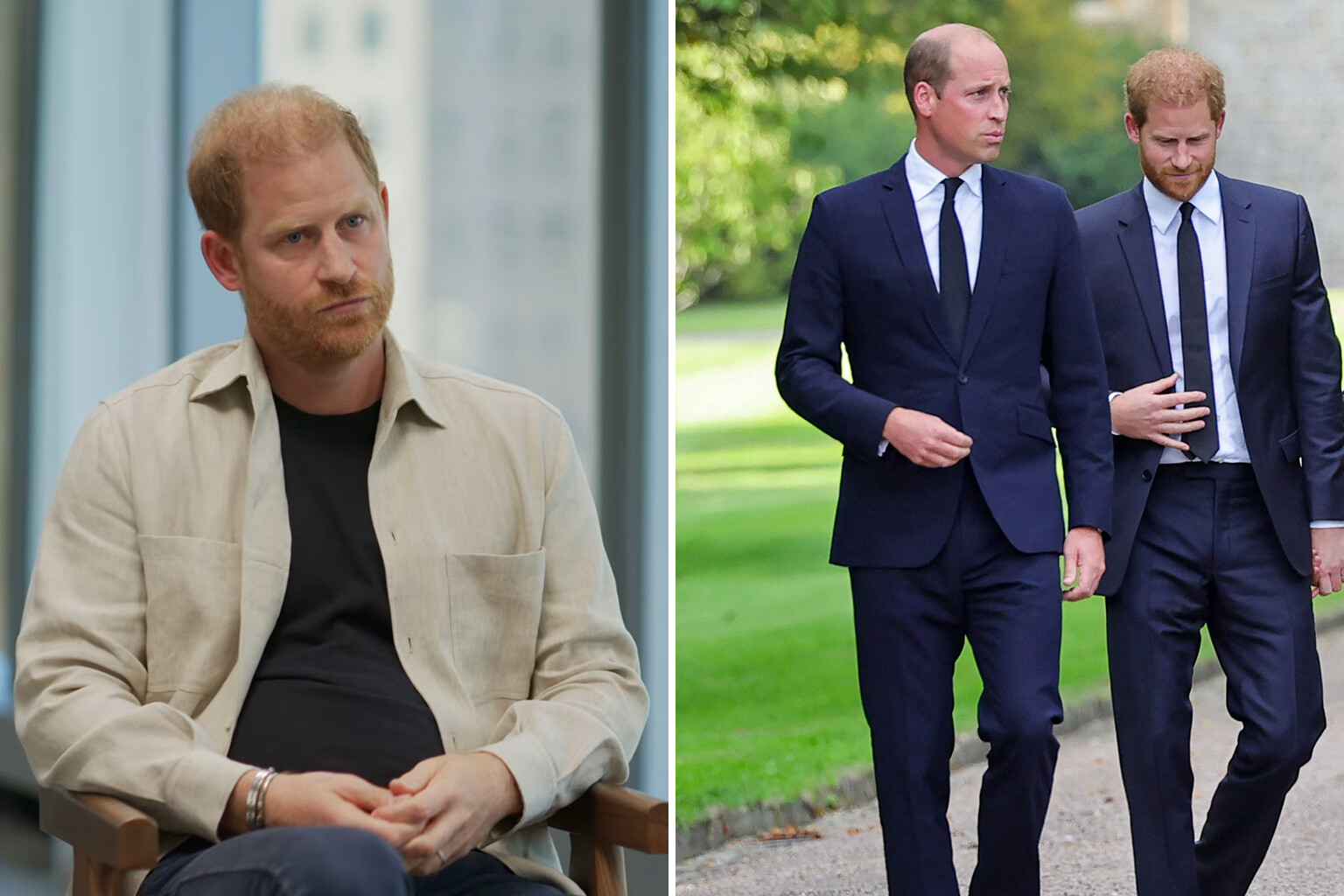
Prince Harry has spoken out about his fractured bond with Prince William, insisting he wants reconciliation while suggesting others in the family stand in the way.
The Duke of Sussex, 42, made the remarks in an on-camera interview with GQ released Tuesday, where he addressed the years-long estrangement that has dominated royal headlines. Harry told the interviewer that he “of course” grieves the broken relationship with his older sibling, framing it as a pain shared by millions of families worldwide.
“Again, another massively relatable issue for so many people,” he explained. “There’s siblings disagreements. Broken relationships between kids and their parents. That continues to come with me the whole time with people I speak to.”
“So I know how relatable it is,” Harry said. “That’s probably why there’s so much fascination.”
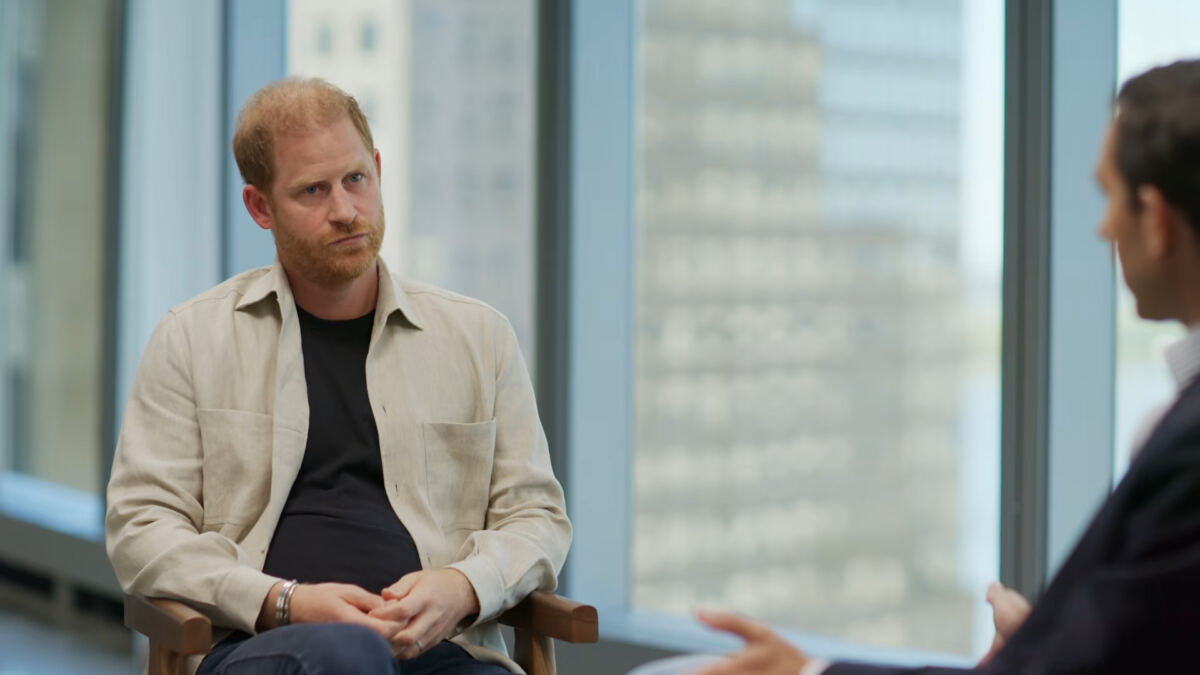
The “Spare” author did not name William, 43, directly when he spoke of obstruction, but his meaning was clear. “I want it to work out. Of course I do,” Harry said. “With everything else that’s going on in the world, the most important thing is to reconcile. That’s the key point.”
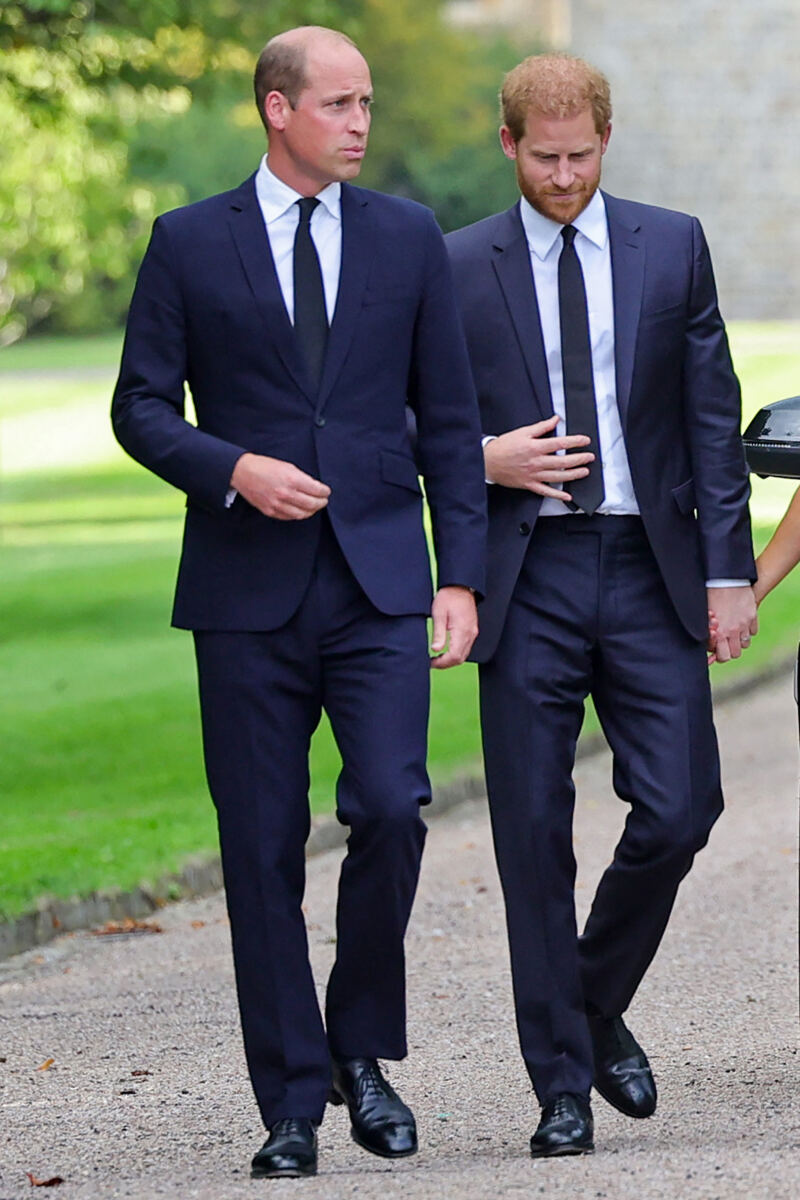
He added a pointed caveat: “But, for me, there’s enough drama in the world and enough drama in people’s lives than to continue with issues with family.”
Harry encouraged people generally to release old grudges, though he acknowledged the difficulty in practice. “Scars stick around forever. But what your perception is, and what your mindset is to those things that have happened, letting go of the past. That’s something that I would encourage everybody to do,” he shared. “If there’s certain things from the past that are still affecting you every day, that’s harder to let go of.”
When the interviewer suggested family fallouts are “not worth it,” Harry pushed back gently. “That’s hard to say to people when you’re in it,” he replied.
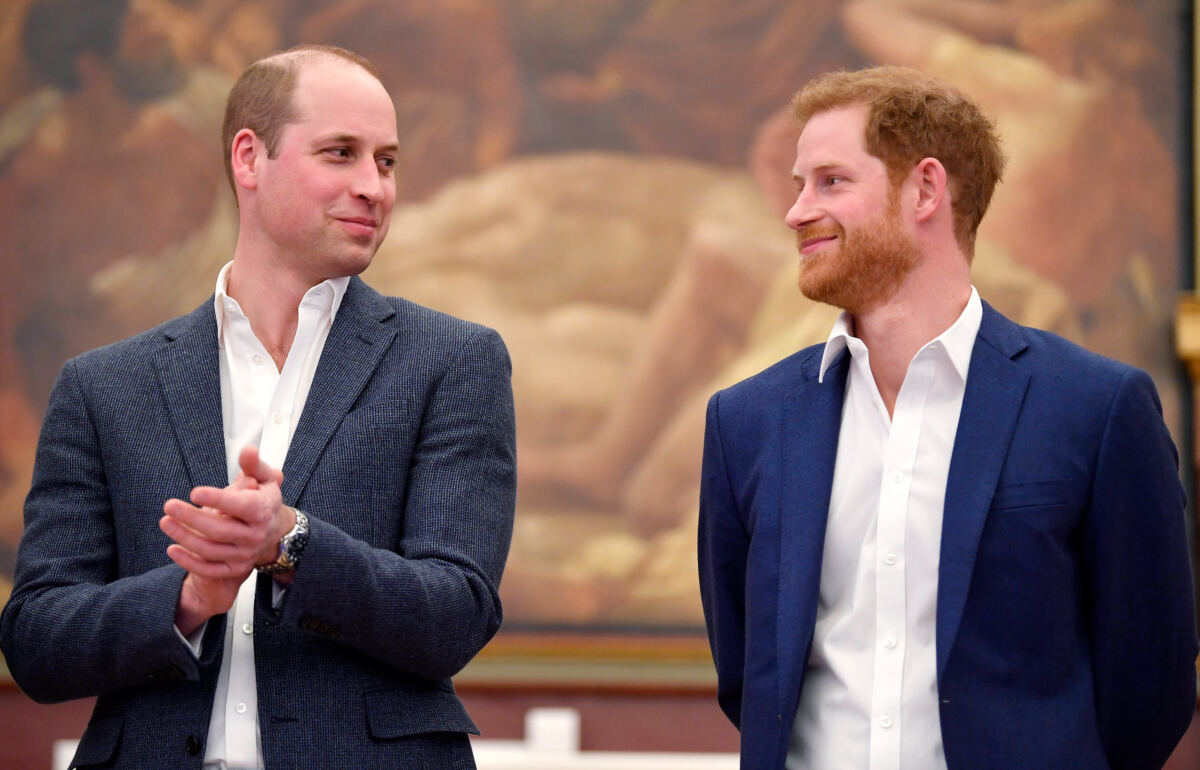
The interview lands at a volatile moment for the Sussexes’ standing in Britain. Harry and Meghan Markle, 45, relocated back to the UK with their two children in August, a move that came one month after King Charles invited the couple and his grandchildren to Highgrove House in July. The 77-year-old monarch, who has been undergoing cancer treatment, appeared to extend an olive branch with that gathering.
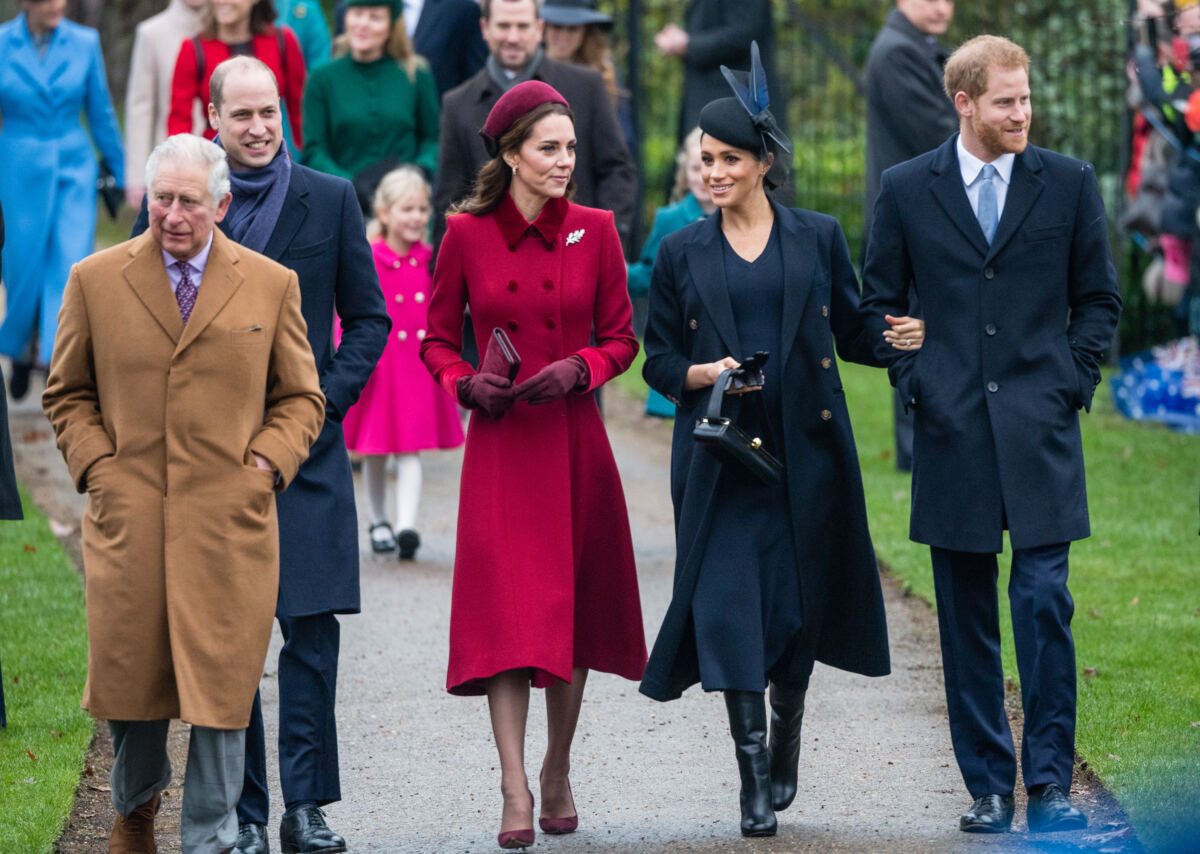
Yet the gesture carried limits. Charles subsequently issued a letter clarifying that Harry and Markle remain “private citizens” and are no longer working royals, a designation that shapes their security arrangements and public roles.
The security question has already flared into practical crisis. The Sussexes pulled their children from their new UK prep school at the last minute due to security concerns, a disruption that royal observers seized upon as evidence of ongoing instability.
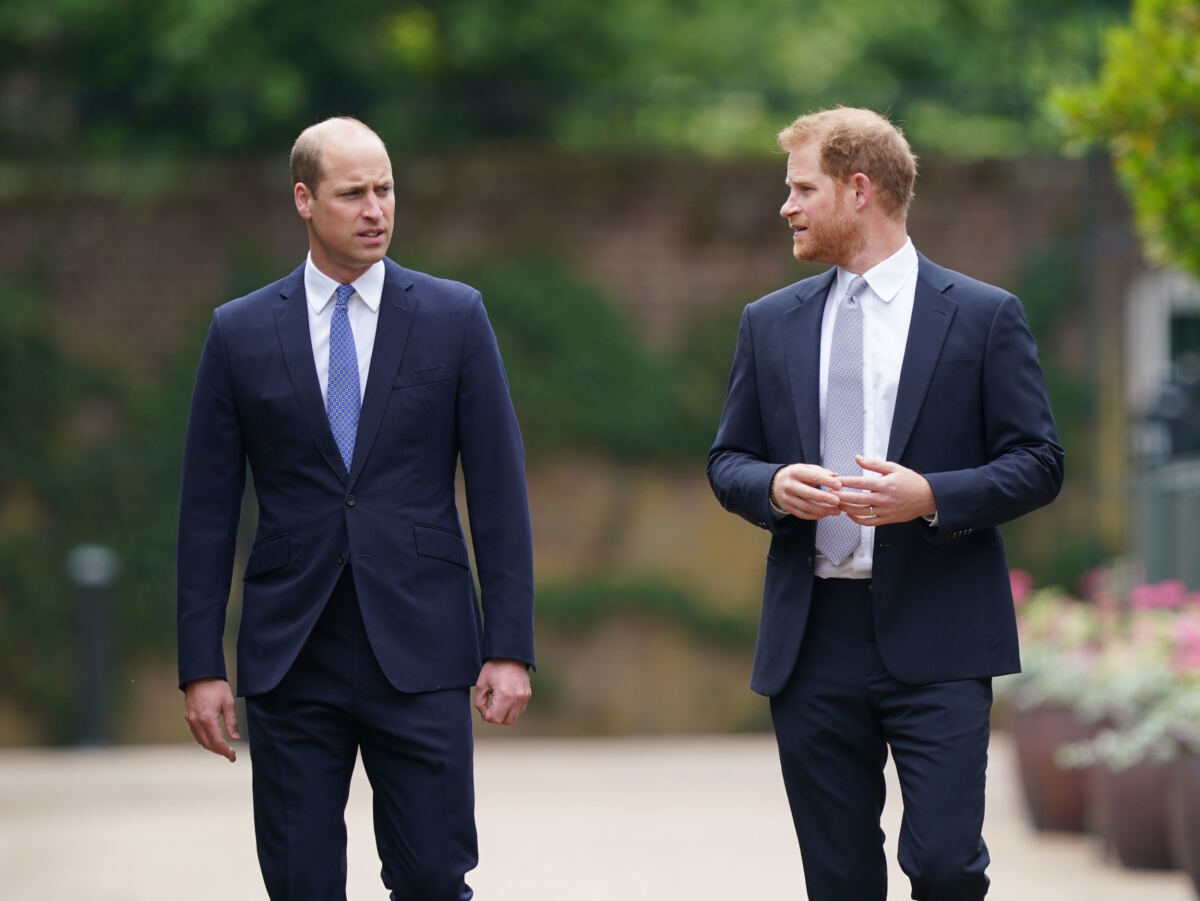
Royal commentator Kinsey Schofield weighed in on the pattern, saying that William has “washed his hands” of Harry amid the latest turbulence. “The Sussexes’ presence will always generate noise and distraction, and I think the first few weeks have demonstrated exactly why the royal family remains concerned,” Schofield said.
William and Kate Middleton, 44, have maintained public silence on the Sussexes’ return, offering no statement or visible gesture of welcome. Their refusal to engage stands in contrast to Charles’s more open posture, though all three senior royals operate within what HELLO! Magazine described as “clear boundaries” during the unprecedented crisis.
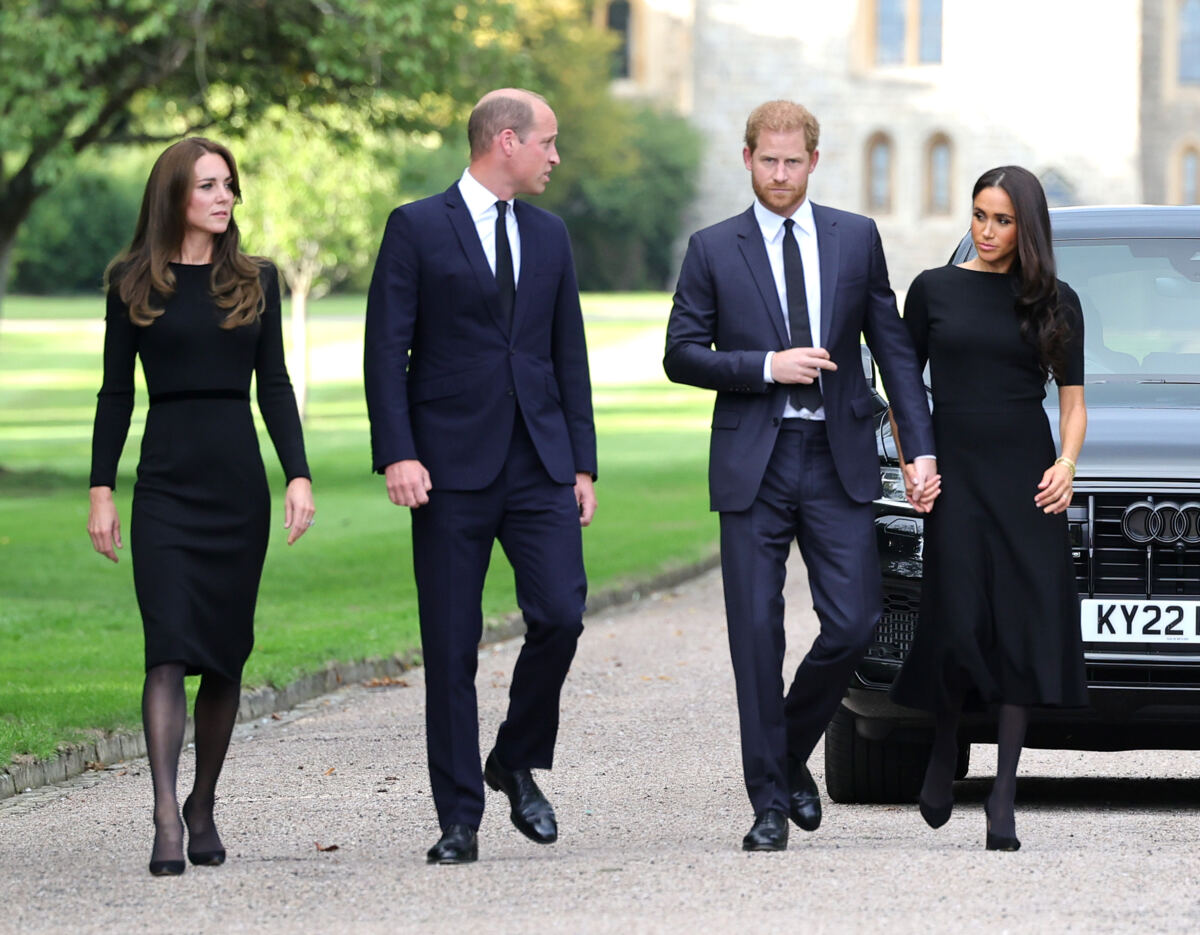
The roots of this fracture run deep and public. Harry torched his family bonds in his 2023 memoir “Spare,” which delivered blistering portraits of William as physically intimidating and of Queen Camilla as “dangerous” and media-manipulating. Those pages built upon the foundation laid in Harry and Markle’s 2021 Oprah interview, where accusations of racist remarks within the family surfaced, and their 2022 Netflix documentary series, which chronicled their exit from royal duties.
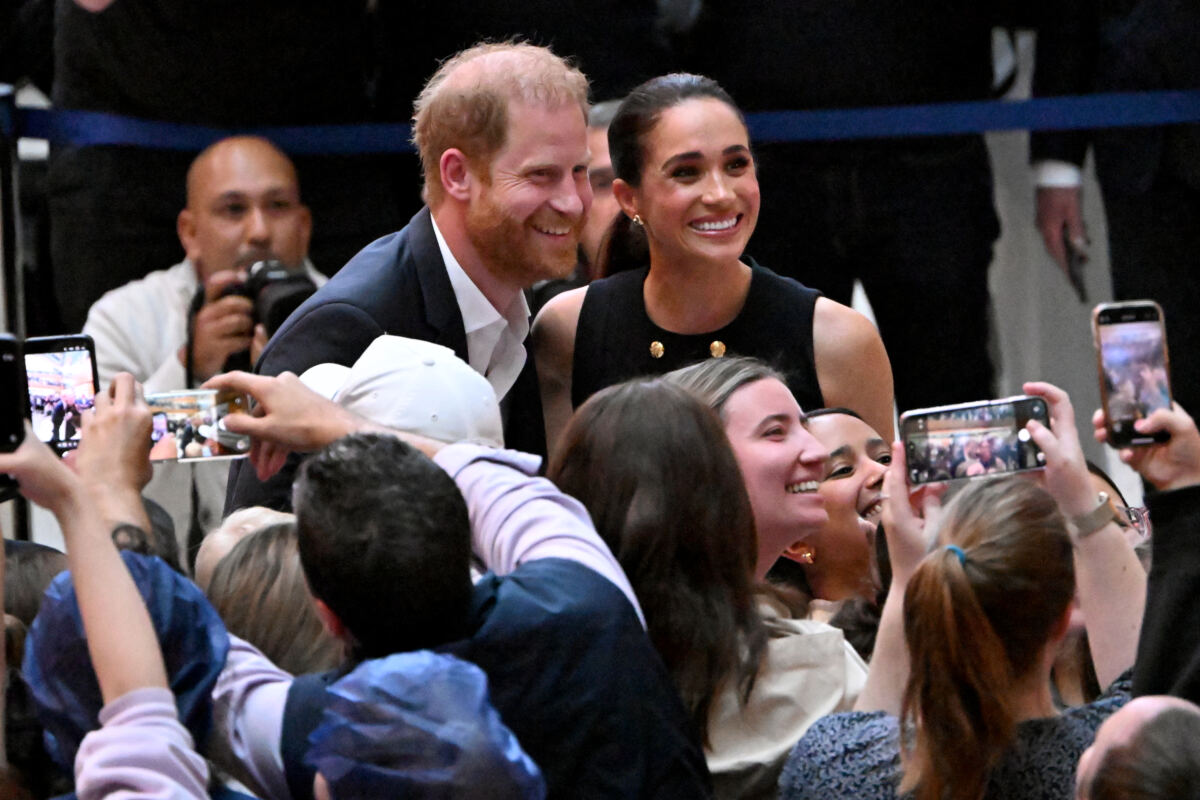
Each platform amplified Harry’s grievances while stripping away the palace’s traditional control of narrative. The cumulative effect has been a royal rift without modern parallel, played out across streaming services, bestseller lists, and now magazine cover stories.
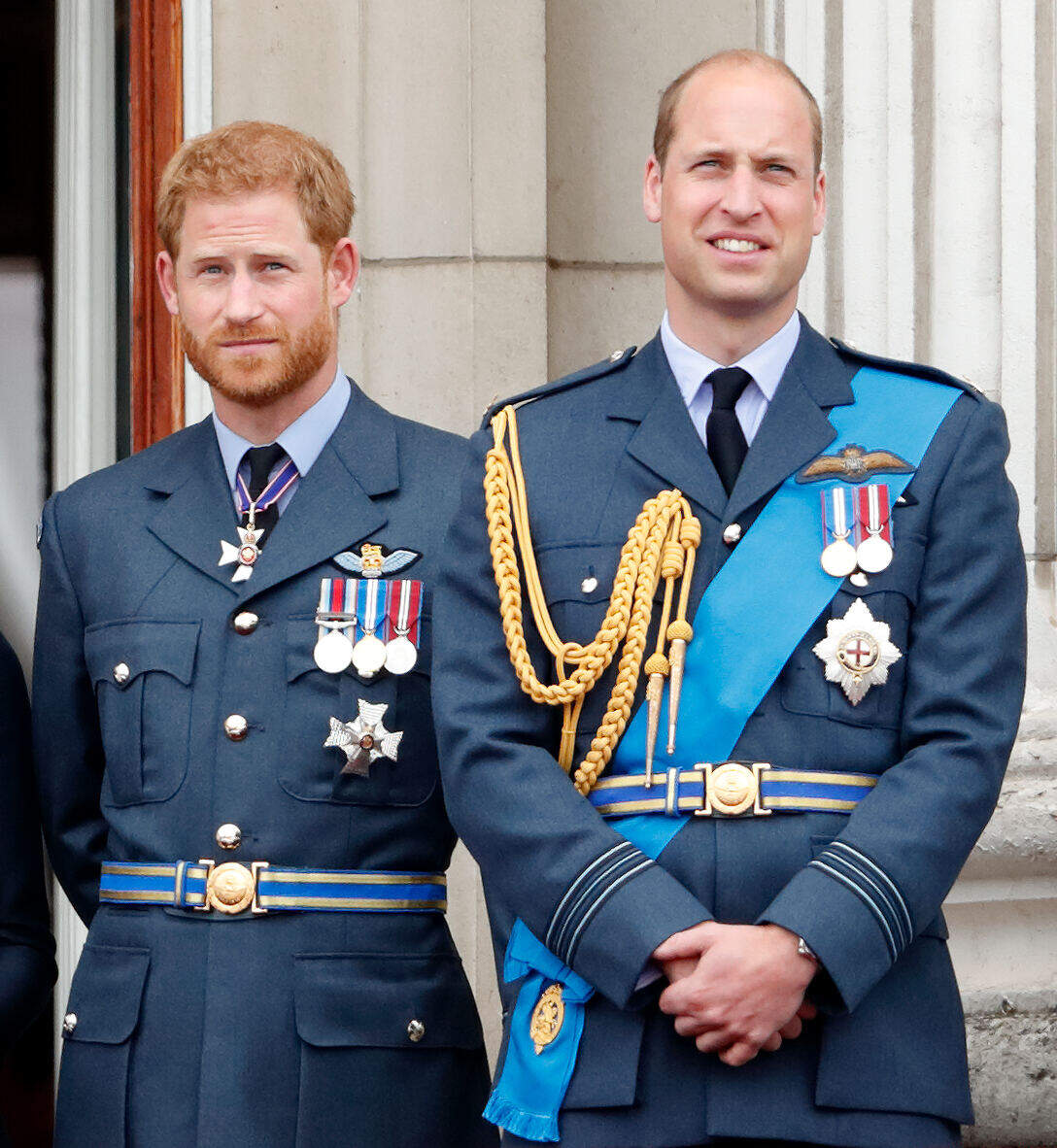
Harry’s GQ appearance suggests he recognizes the cost of perpetual conflict even as he assigns responsibility elsewhere. His emphasis on global crises as reason to mend fences—”with everything else that’s going on in the world”—positions reconciliation as moral imperative rather than personal desire alone.
Whether that framing moves William, who has shown no public inclination toward rapprochement, remains the central unanswered question. The Prince of Wales has focused on his own family and duties, leaving Harry’s overtures to hang in a silence that speaks its own language.
Harry continues promotional activities for his various ventures while the royal family proceeds with scheduled engagements.