

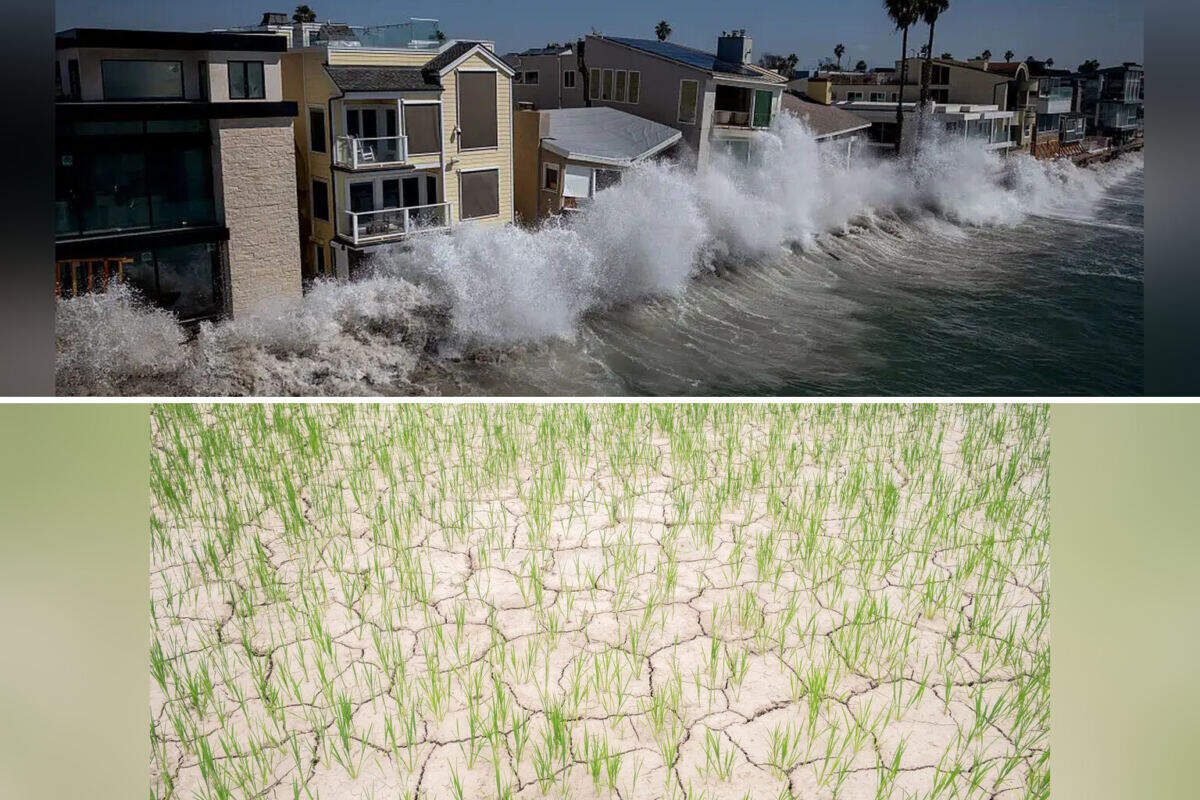
Scientists warn that a powerful El Niño cycle could push Pacific sea levels dramatically higher this winter, triggering widespread coastal flooding along the Americas.
Thomas Monahan, an oceanic forecasting specialist at the University of Oxford, said that the projected 2026–27 event may temporarily raise sea level along the coast from Mexico to Ecuador by an amount equivalent to four to five decades of projected sea-level rise — compressed into a single season.
The US National Oceanic and Atmospheric Administration has predicted an 83 percent likelihood that this will be the strongest El Niño ever recorded, with data collection beginning in 1950.
Monahan indicated that sea levels may peak between November and December, when ocean surface temperatures are expected to reach their maximum.
“At the most affected regions, a high-water level normally reached about once every 52 days could be exceeded during up to half of all high waters,” he added.
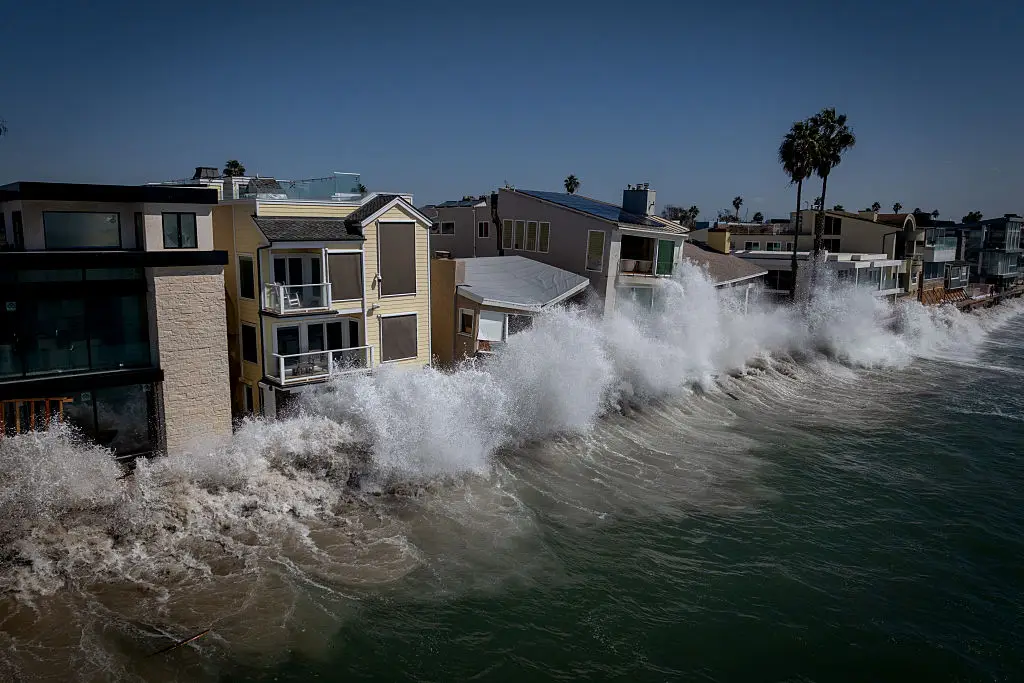
The phenomenon stems from masses of warm water flowing across the Pacific, creating a “bulge” that could cause erosion and coastal flooding stretching from Alaska to Chile. Monahan noted that the largest impact is expected near the equator, with the Galapagos Islands potentially seeing increases of 24 to 40 cm and Ecuador and Peru facing rises up to 33 cm.
El Niño forms part of the broader ENSO cycle — the El Niño Southern Oscillation — which depends on Pacific Ocean surface temperatures. While naturally occurring, scientists have warned that climate change-driven increases in sea temperatures may further intensify this event, which has been informally dubbed a “Super El Niño,” though that label carries no official status.
The warming phase, El Niño (“The Boy” in Spanish), sees warmer equatorial Pacific waters build off South America’s coast. Its counterpart, La Niña (“The Girl”), represents the cooling phase. These cycles occur roughly every two to seven years and can reshape weather patterns globally.
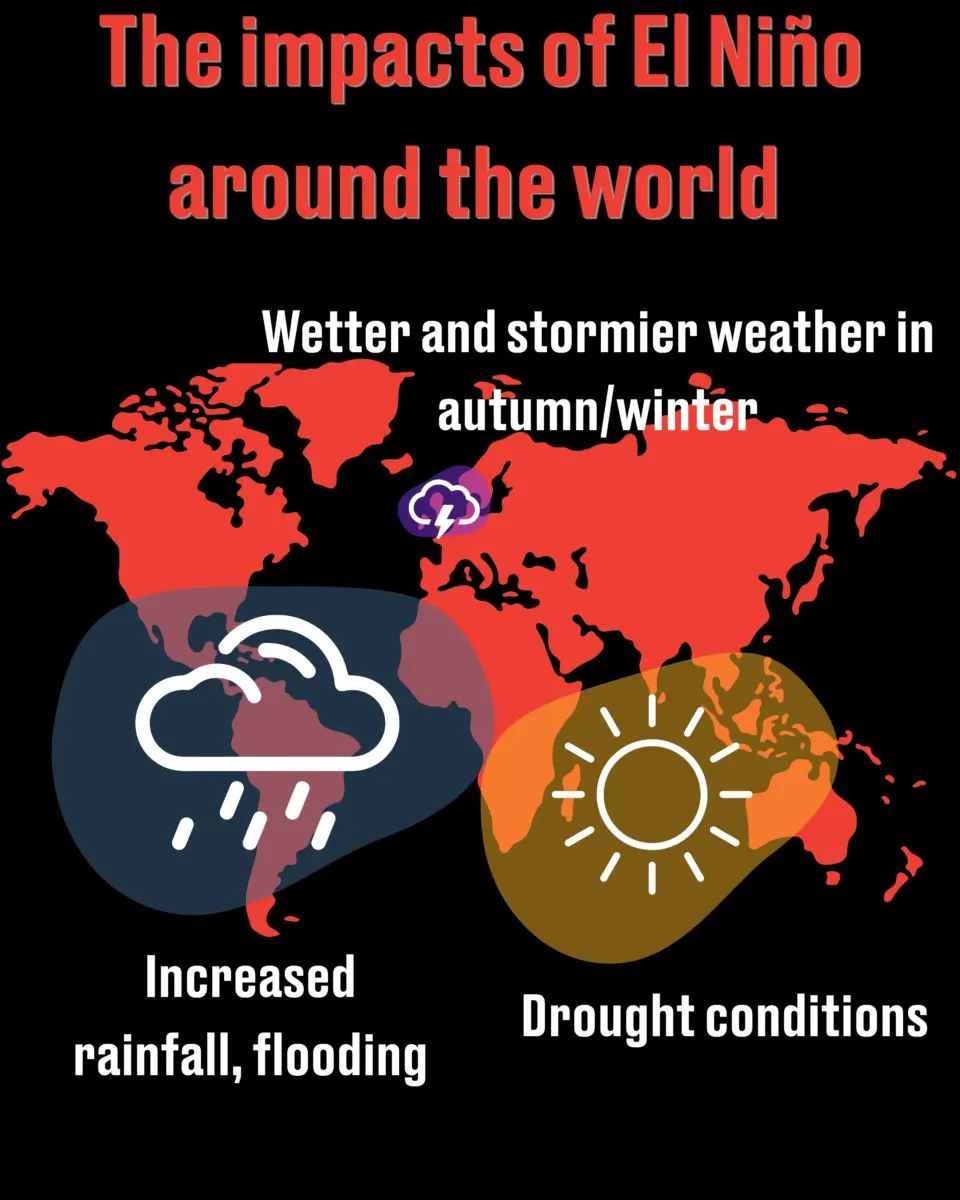
Some locations experience drought during El Niño while others face floods, and the precise impacts vary significantly by region. Scientists anticipate the effects will continue building through the remainder of 2026 and persist into 2027.
The current event has already begun raising sea levels in some Pacific regions, with Kelvin waves — large underwater pulses of warm water — contributing to the surge. Researchers have documented sea level increases exceeding one foot in certain areas, with additional waves expected to arrive in coming months.
Marine ecosystems face additional pressure from record-breaking water temperatures, which have forced dramatic color shifts in parts of the Pacific as widespread warming threatens marine life populations.
Monahan emphasized that his research indicates a much higher likelihood of extreme conditions across Pacific coastlines during this cycle than under normal circumstances.
The anticipated flooding and erosion risks extend across thousands of miles of coastline, potentially affecting communities from the Arctic edge of Alaska to the southern reaches of Chile.