

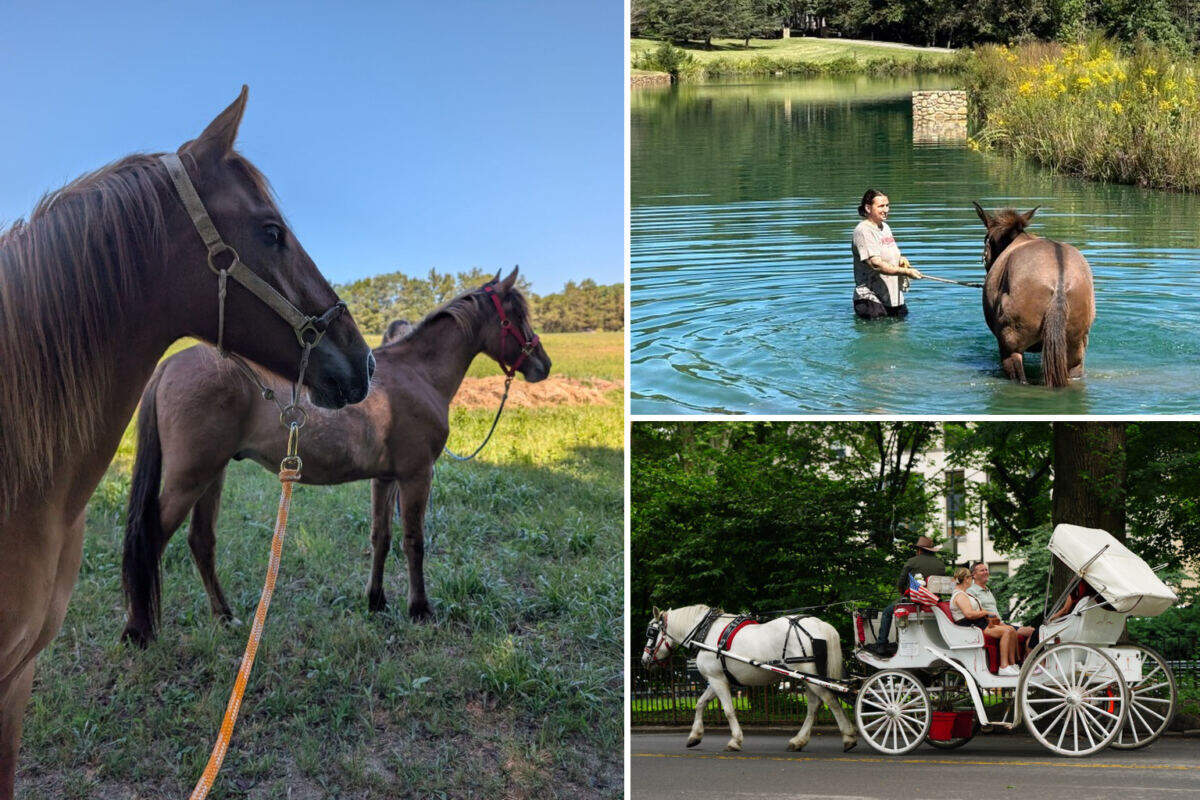
The New York City Council is expected to vote Thursday on legislation that would end the city’s horse-drawn carriage industry and send roughly 160 working horses into permanent retirement.
If Romanch’s Law passes as pledged, the animals would be phased out by June 2028 under a plan that mandates “humane disposition” but leaves sanctuary selection to a future transition team. Mayor Eric Adams’s administration and City Council Speaker Julie Menin would assemble advocates and experts to place the horses, though no specific facilities have been chosen yet.
Allison Bowling, executive director of Red Feather Equine Sanctuary in North Carolina, has already seen what that future could look like. Her rescue, part of both The Carriage Horse Retirement Coalition and the Global Federation of Animal Sanctuaries, is among a network of equine facilities nationwide that have offered to take in the displaced animals.
“I have seen so many horses come alive in sanctuary after coming out of working careers their whole lives. They’ve always been spoken to and never heard or even asked to have an opinion,” Bowling said. “Watching them get to express themselves and realize that they are able to make their own decisions and choose their own friends and experience what true safety and security means — it’s really powerful and it’s extremely important.”
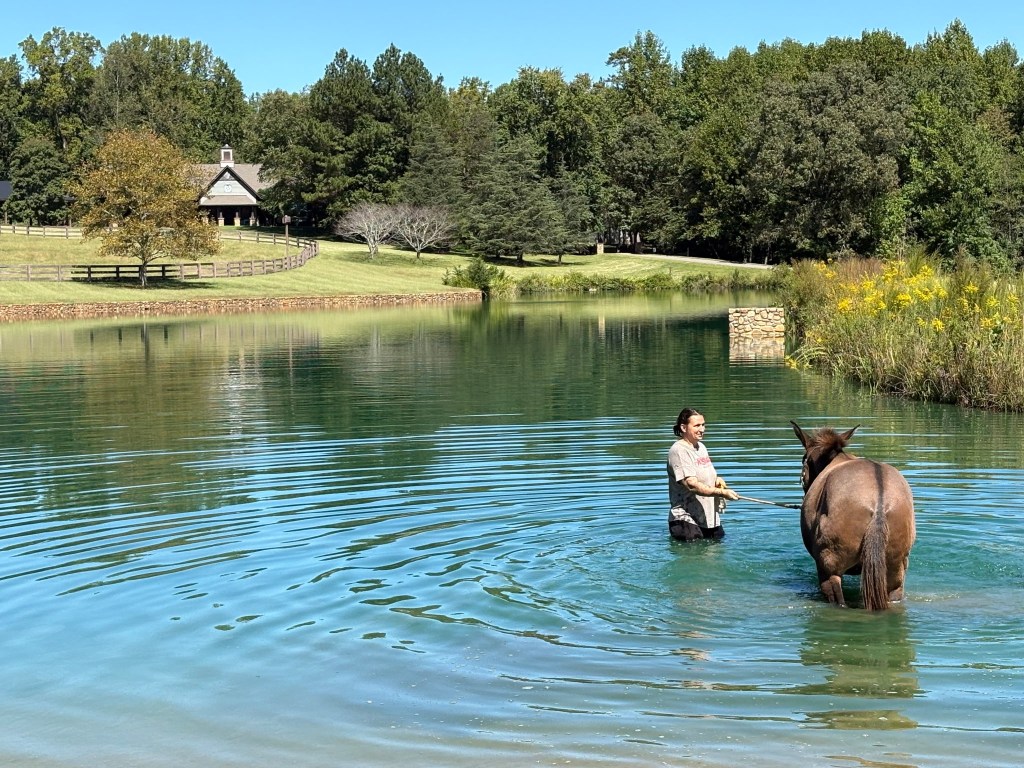
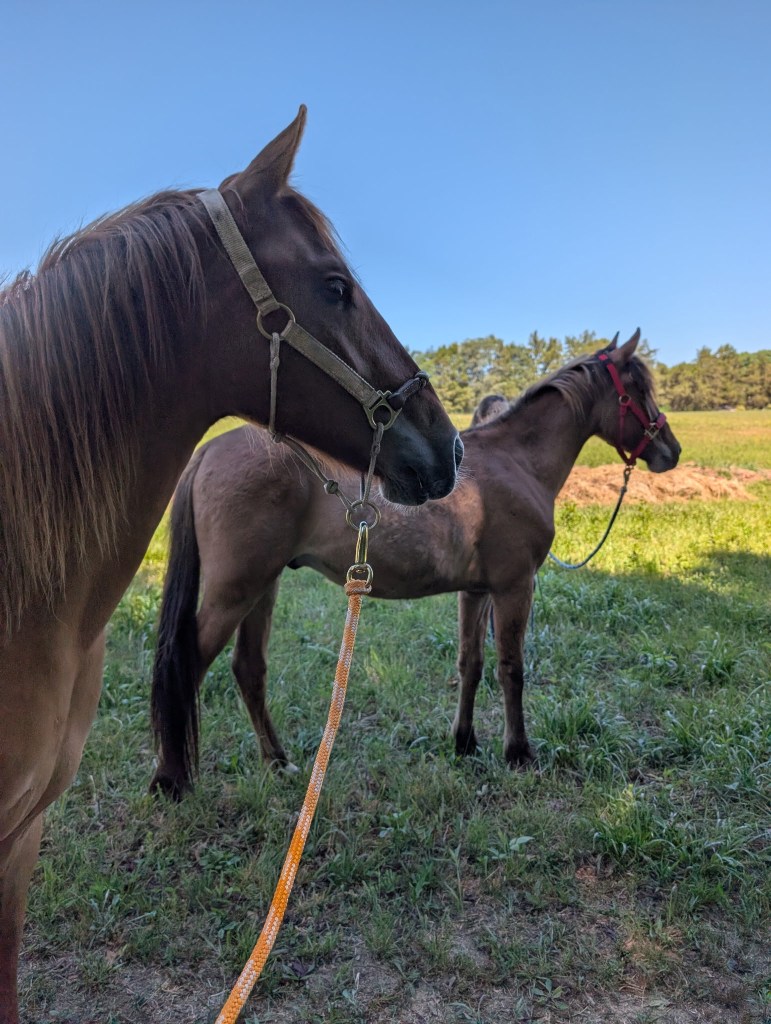
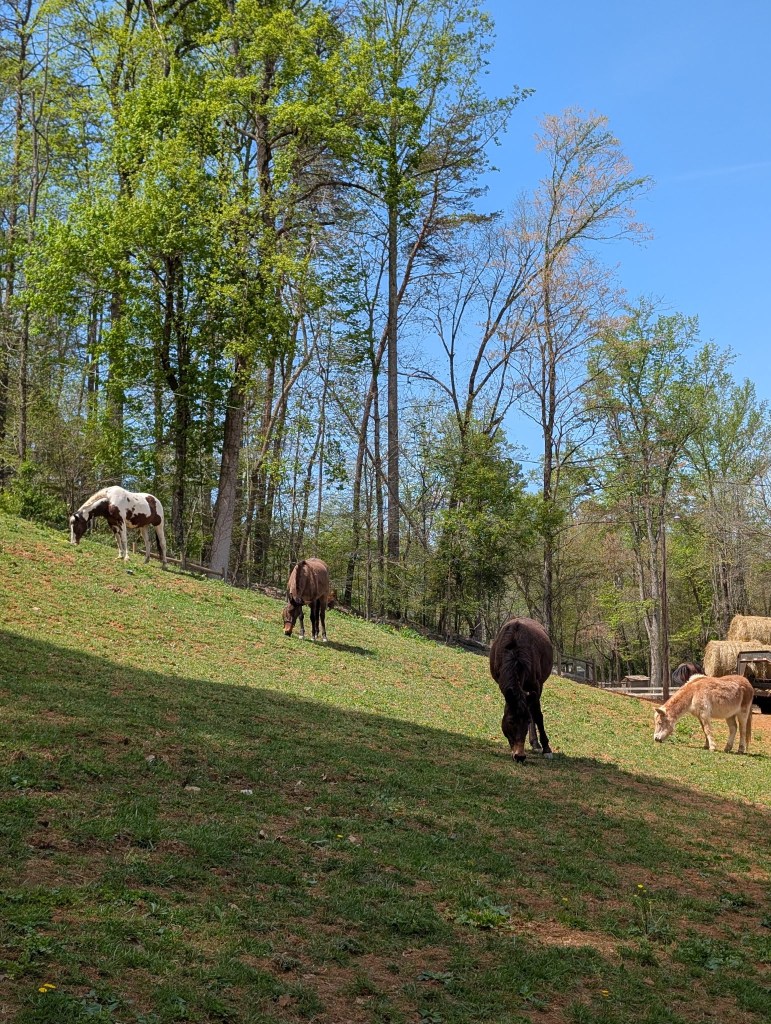
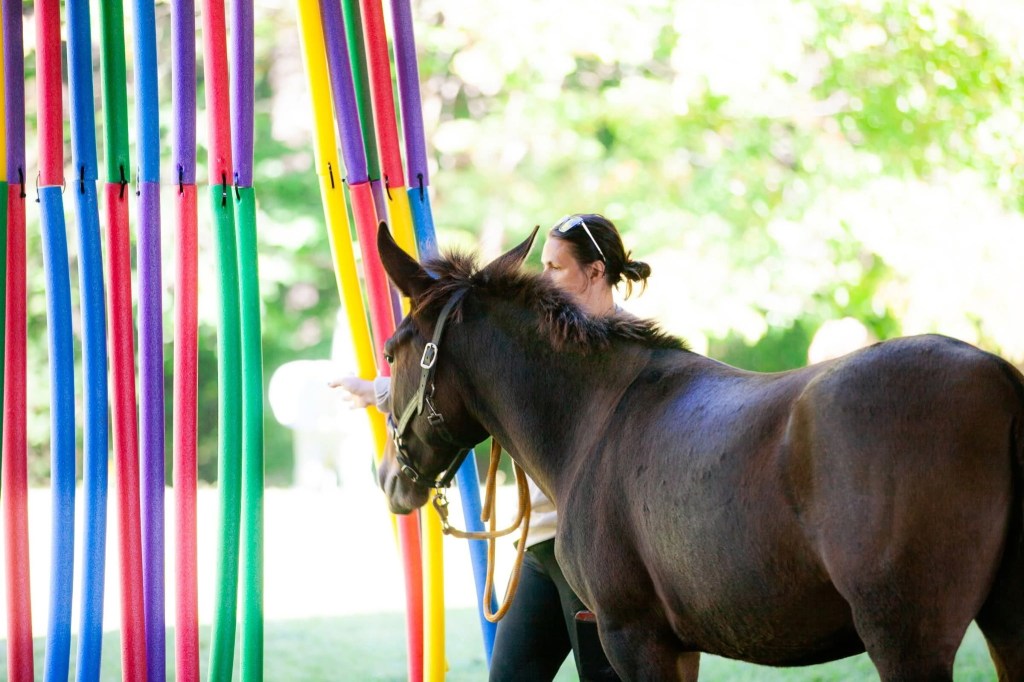
Bowling describes sanctuary life as comparable to senior living communities, where the horses set their own schedules. At her facility, which currently houses 45 stallions, some animals opt for trail walks, pond swimming and toys, while others prefer lounging in fields with companions. Those seeking human interaction participate in programs for at-risk high school students or work with professional trainers — though Bowling stresses that nothing is mandatory.
“I have never known a horse that wants to ‘work.’ I think work is 100% a human construct. I think that there are horses who enjoy engagement and being challenged or learning new things and spending time with humans. And I think there are horses who don’t,” she said. “I think if anybody argues that, then they’re truly not listening to the individual voice of the horse, because that’s just absolutely going to be further from the truth.”
The proposed legislation would require carriage owners to notify the Mayor’s Office of Animal Welfare at least 10 days before transferring any horse, allowing the city to verify safe destinations. Financial compensation remains uncertain — the bill suggests the city may establish a program with cash payouts for the animals, though owners might receive nothing.
Carriage drivers have mounted an aggressive defense of their industry in recent days, insisting their horses enjoy the work and rejecting abuse allegations. Bowling dismissed such claims as ignoring individual animal needs.
She recounted one recent case of a 20-year-old horse rescued after working both as a New York City carriage horse and on an Amish farm. The animal arrived malnourished and nearly blind, then formed an immediate bond with another rescued horse that became his seeing-eye companion.
“This horse was probably living in a very heightened state of anxiety and fear his entire life and now has the comfort of having another horse friend, a companion that keeps him safe. It’s probably the first time in his life that he’s ever felt true emotional and physical safety,” said Bowling.
The emotional debate has intensified following a recent fatal incident involving a teenager killed in a horse-drawn carriage crash, which prompted Menin to schedule a July hearing on the ban bill. The family of the victim publicly begged the city to act, urging that the death not be “in vain.”
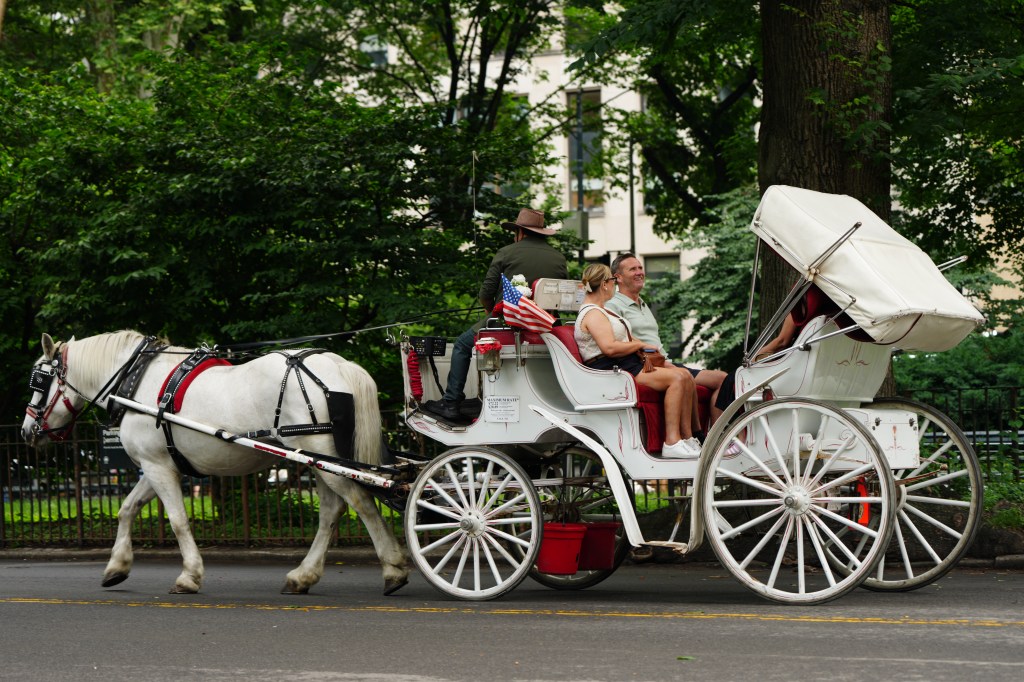
The carriage horse industry has operated in Manhattan for generations, with animals pulling tourists through Central Park and along city streets for up to 12 hours daily while hauling 2,000-pound carriages. Drivers have long defended the practice as traditional and well-regulated, while animal welfare advocates have campaigned for years against what they describe as an inherently cruel urban environment for horses.
If Thursday’s vote succeeds, the transition process would begin immediately, with the full phase-out extending over three years. Sanctuaries across the country have already extended informal offers to absorb the animals, though formal placement would await the transition team’s organization.
The City Council vote is scheduled for Thursday.