

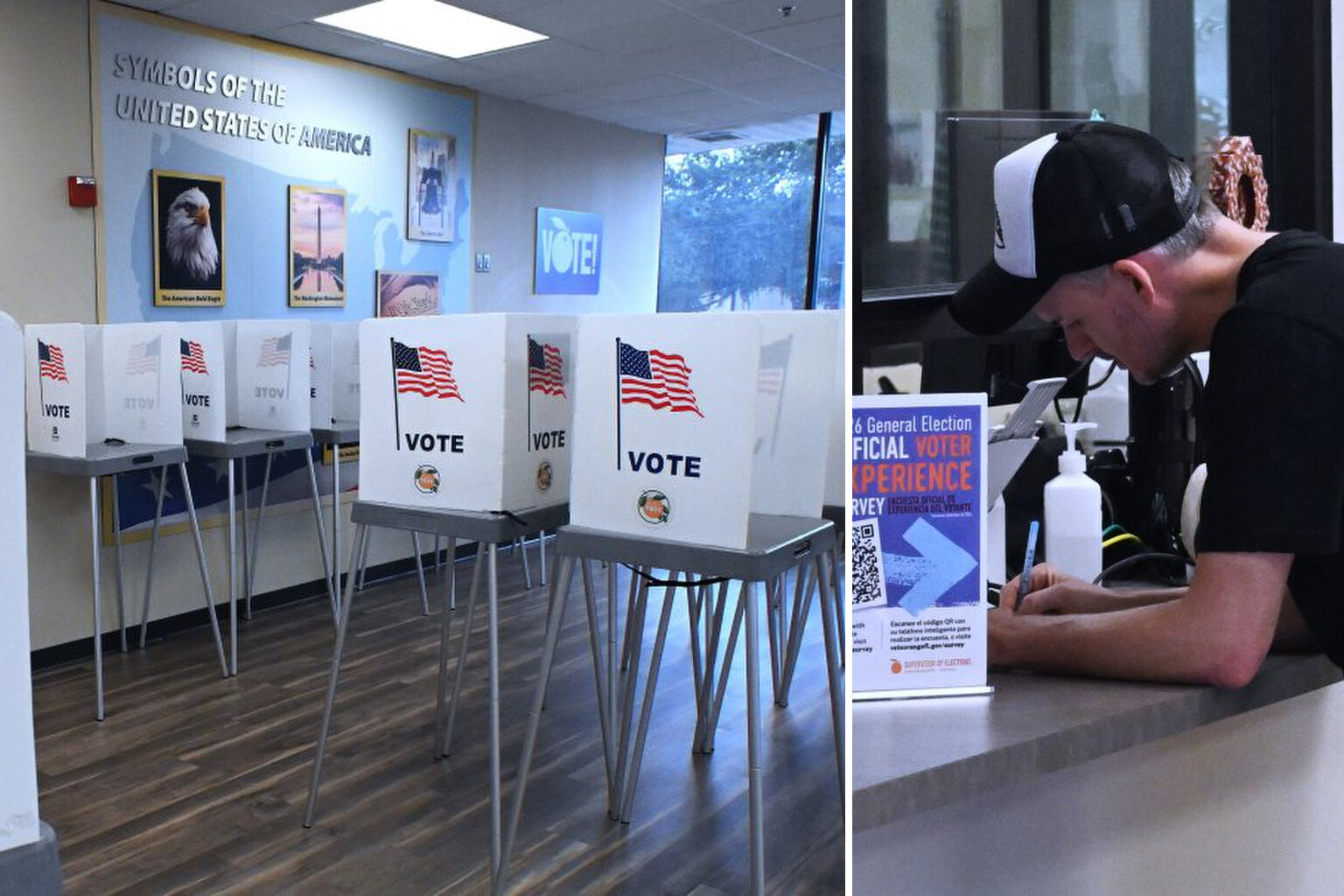
Americans who vote appear to live longer regardless of whether their preferred candidate wins or loses, according to new research.
The study, published in May in the Journals of Gerontology, analyzed data from more than 7,700 participants in the Wisconsin Longitudinal Study. Researchers found that people who cast a ballot in the 2008 presidential election were 45% less likely to die within five years and 37% less likely to die within 10 years of voting. The protective effect persisted at 29% lower mortality risk within 15 years.
The findings held steady across gender lines and voting methods, whether participants voted remotely or in person. Notably, individuals who had been in poorer health before voting actually saw greater benefits 15 years later compared to those who had been healthier initially.
Femida Handy, a professor of social policy at the University of Pennsylvania and co-author of the study, cautioned against treating voting as a cure-all. “Remember, voting is not the magic pill, we found association, not a causal link,” she said.
Yet Handy emphasized that the connection between casting a ballot and longevity remained robust even after accounting for socioeconomic factors. “We controlled for education and wealth. The results still held,” she said. “Older adults who voted, regardless of their wealth, education or political affiliation, experienced a significantly reduced mortality risk.”
The study’s dataset drew from 7,708 people, with women comprising roughly 54% of the sample. Handy suggested the mechanism may lie in the psychological rewards of civic participation itself.
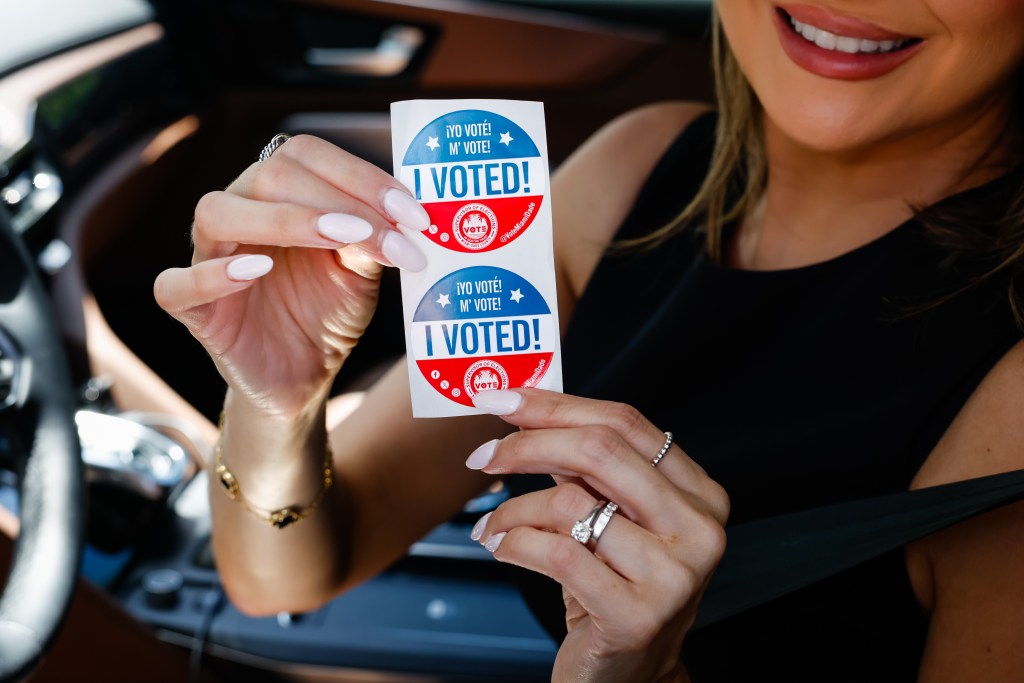
“Voting may provide psychological benefits through the satisfaction of fulfilling a civic duty and contributing to the public good,” Handy said. “Like volunteering and charitable giving, voting may activate psychological and neurophysiological processes associated with reward, reduced stress, and well-being.”
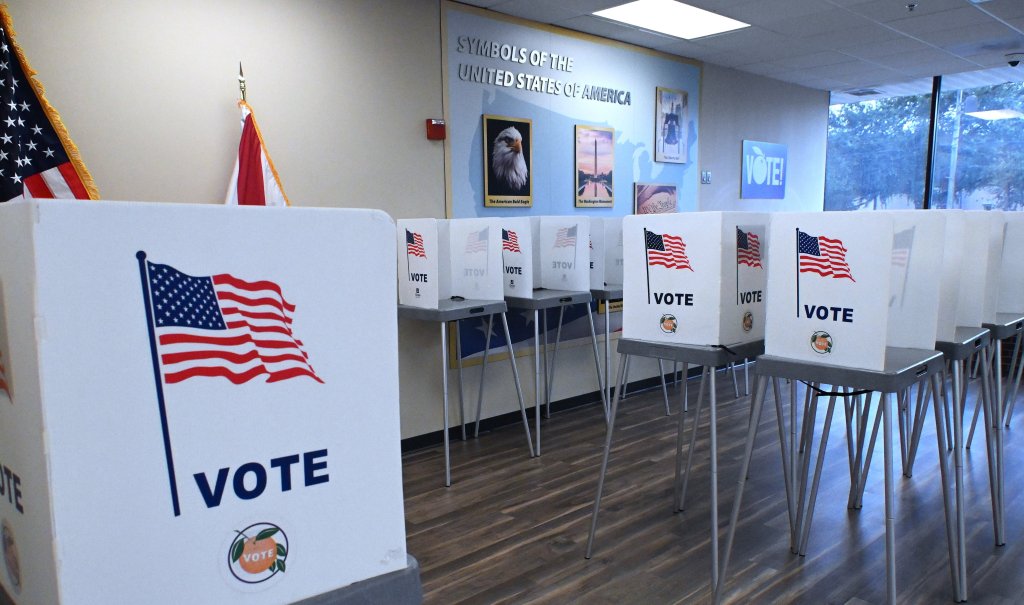
Handy also pointed to the social dimension of electoral participation. “Voting may foster a sense of belonging, collective identity, and connection to the broader community, all of which may contribute to health and longevity,” she said.
The political outcome of the vote itself appeared irrelevant to the health benefits. Sara Konrath, a co-author from Indiana University, noted that electoral defeat did not erase the positive effects. “We found that although it can be stressful when the candidate you support loses, the people we studied experienced similar long-term health benefits of voting regardless of their political affiliation,” Konrath said.
The research arrives amid ongoing public debate about civic engagement and health disparities in the United States. While the study does not establish that voting directly causes longer life, its authors propose that the act of participating in democratic processes may trigger biological and psychological pathways similar to other forms of prosocial behavior.
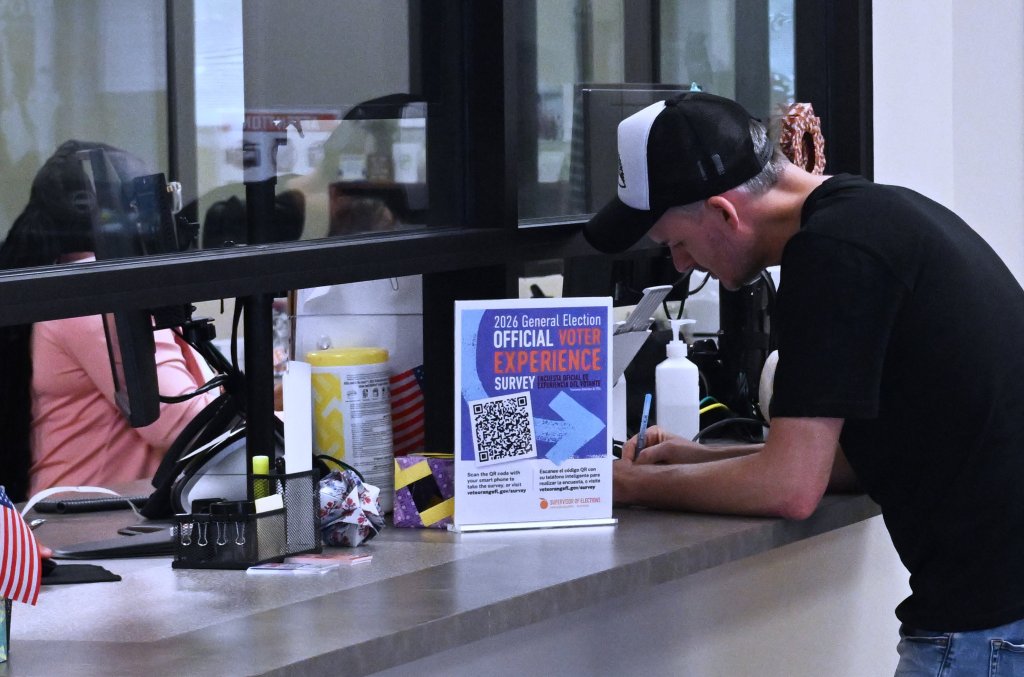
The Wisconsin Longitudinal Study, which supplied the data, has tracked participants for decades, allowing researchers to examine long-term outcomes across multiple domains of life. The 2008 election served as the focal point for measuring voting behavior against subsequent mortality records.
Handy stressed that the benefits of voting extended across demographic divides. The link between ballot-casting and good health held regardless of how wealthy or educated subjects were, suggesting the effect is not merely a reflection of existing privilege.
The study adds to a growing body of research connecting social engagement with physical health outcomes, though few previous works have isolated voting specifically as a protective factor.