

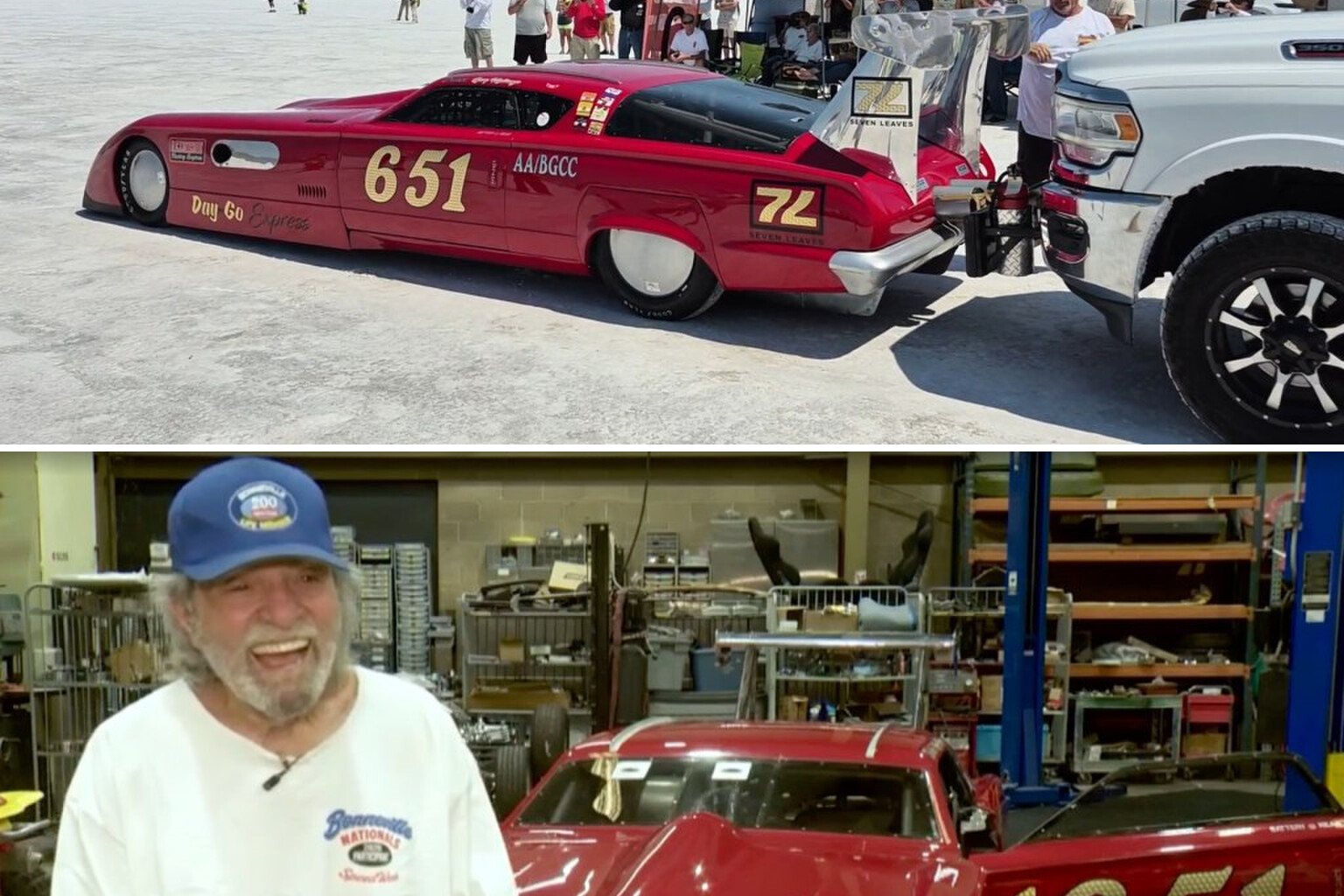
Gary Matranga, 86, has shattered two speed records at Utah’s Bonneville Salt Flats and already has his sights set on 400 mph.
The Sacramento grandfather pushed his modified 1966 Barracuda to 308 mph in the gas division this summer, topping his own previous mark by 17 mph. He then returned to face nitromethane- and alcohol-powered engines in the fuel division, clocking 310 mph to break an eight-year-old record of 305 mph.
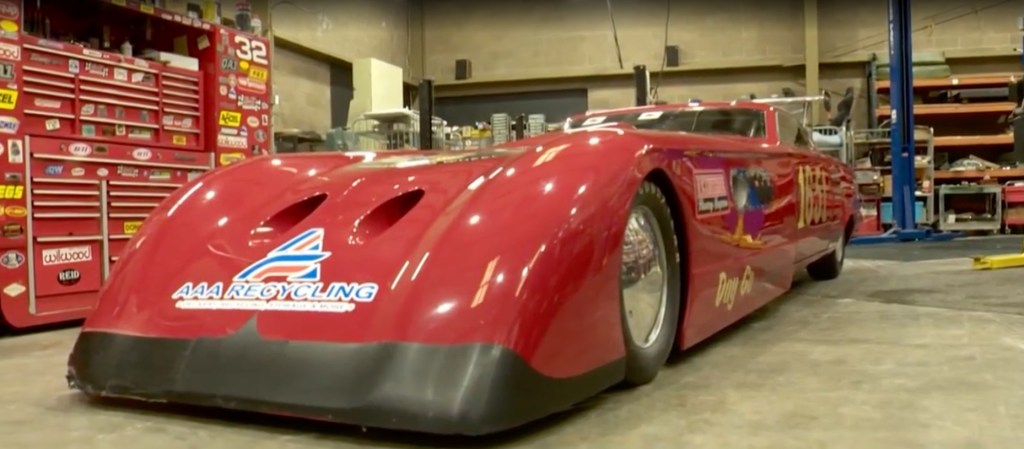
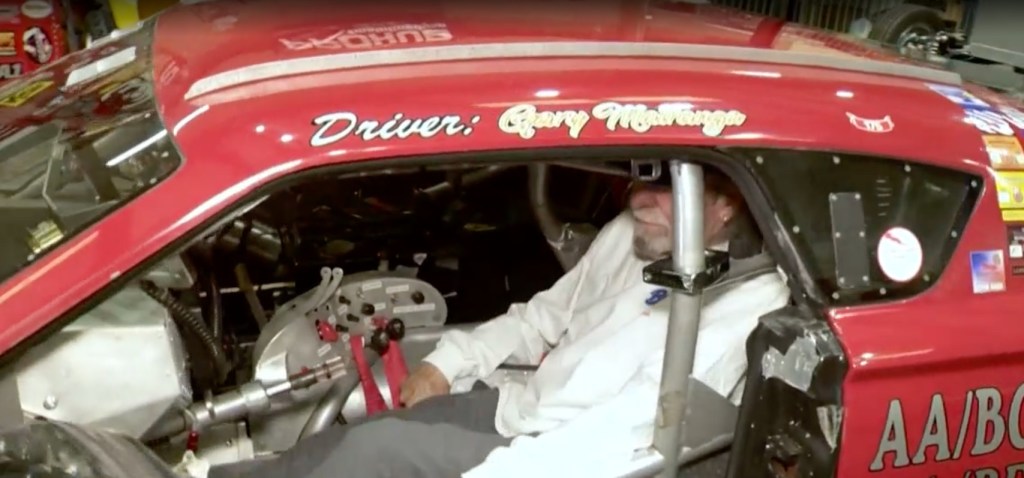
Handling the twin-turbocharged Hemi beast demands constant attention. “It’s a handful of work sometimes,” he told KCRA. The Barracuda packs more than 2,400 horsepower beneath its vintage sheet metal.
“About 2.5 miles, it kind of settles down with the air force and then at 300 mph it still moves around, the car moves around quite a bit,” Matranga shared. That instability at triple-digit speeds comes after nearly two miles of acceleration just to find aerodynamic stability.
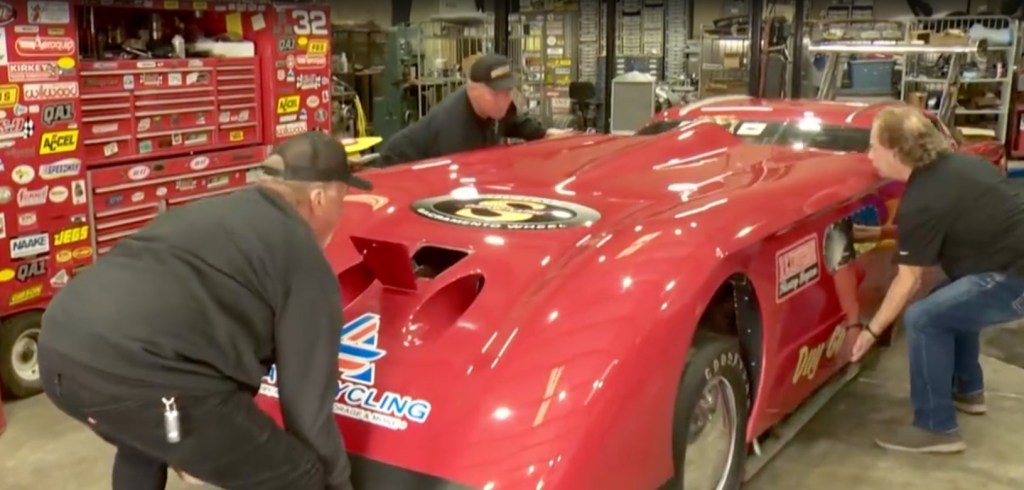
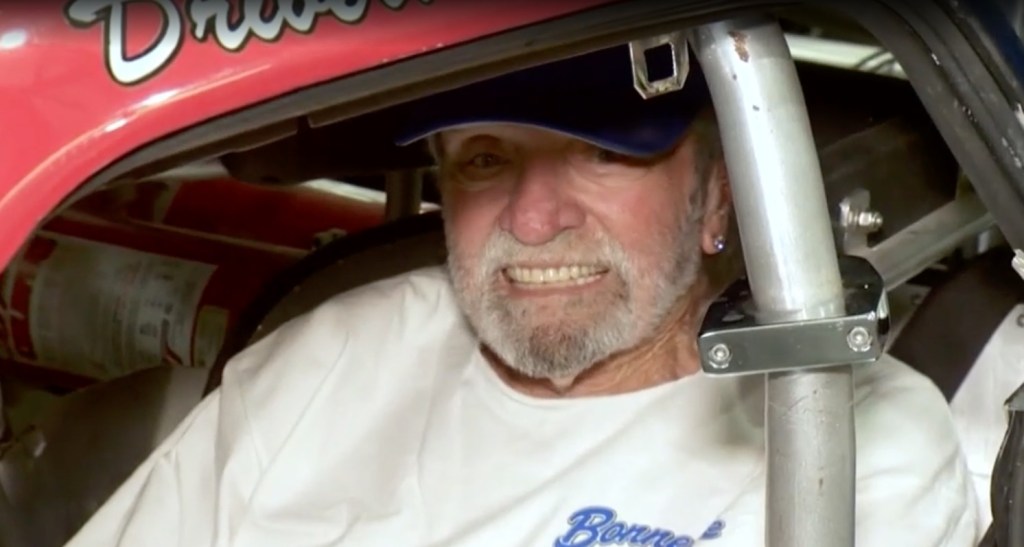
Matranga’s need for velocity has burned for most of his eight decades. The Northern California resident has spent a lifetime chasing speed rather than letting age define his limits.
The Bonneville Salt Flats have drawn racers since 1912, when drivers first discovered the 30,000 acres of hard white salt crust in the Great Salt Lake basin. Winter rains pack the surface into something approaching concrete consistency during warmer months, creating conditions found almost nowhere else on Earth.
Monte Widdison, vice president of the Utah Salt Flats Racing Association, called the venue “the last bastion of high-end amateur racing in the world.” Three speed events unfold there annually, drawing competitors from across the globe.
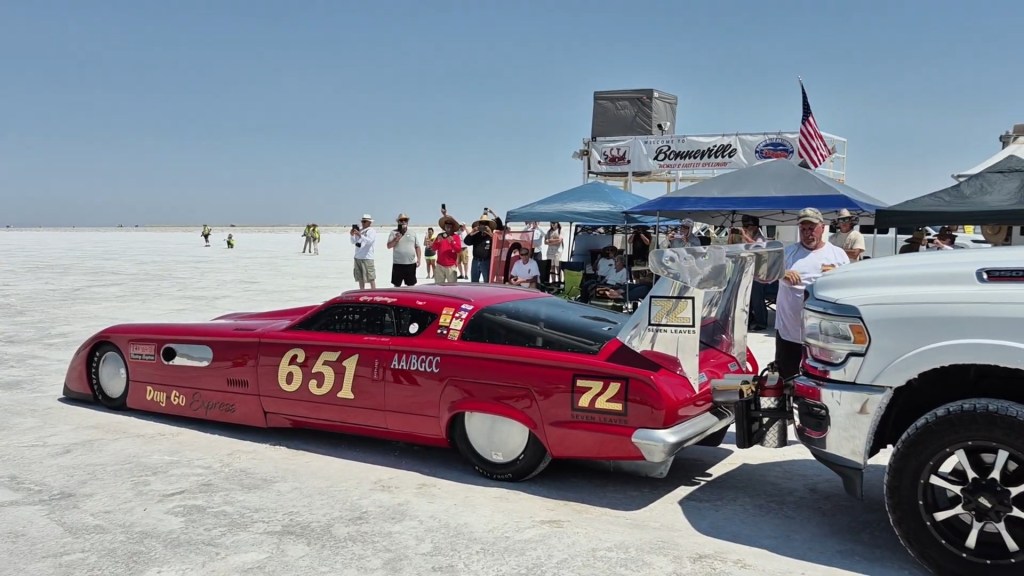
Matranga’s fuel division victory carried extra weight given his competition. He faced drivers running nitromethane and alcohol setups, powerplants typically associated with top-tier drag racing, and still emerged with the record.
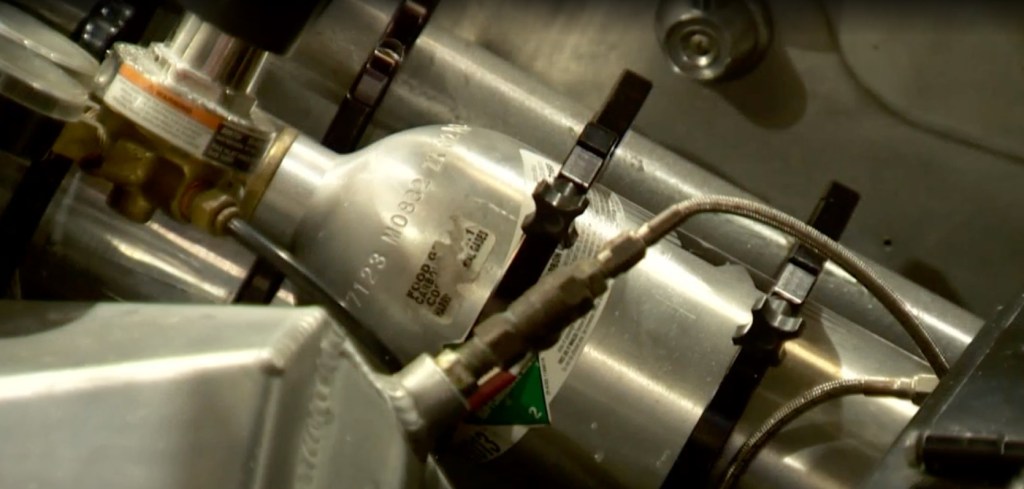
The Barracuda’s engineering represents decades of refinement. Twin turbochargers force-feed the Hemi engine to produce horsepower figures that dwarf most modern supercars, all wrapped in a body design from the mid-1960s.
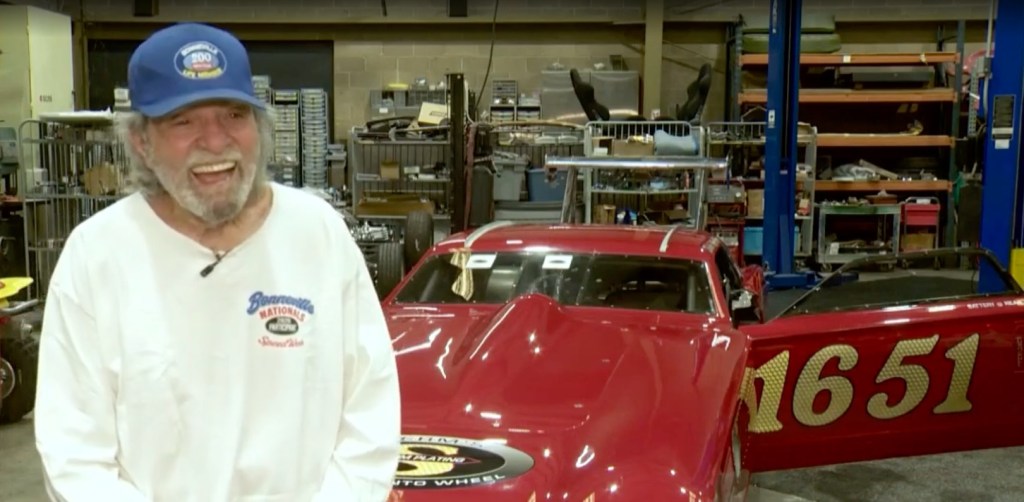
Rather than resting on his summer achievements, Matranga is already plotting his return with his crew. Their next target involves a fundamentally different machine.
“The idea is to go streamliner at 400 mph,” he said, describing the bullet-shaped Bonneville racer purpose-built for maximum velocity. Streamliners represent the pinnacle of salt flat competition, with enclosed cockpits and aerodynamic profiles designed solely to cheat the wind.
That ambition would place him among the fastest humans on land, territory currently occupied by a select group of professional and amateur racers who have dedicated years to perfecting their machines.
The Utah Office of Tourism notes that Bonneville’s terrain offers unique advantages for such attempts. The barren, flat expanse provides the uninterrupted distance necessary for vehicles to reach and sustain speeds impossible on conventional tracks.