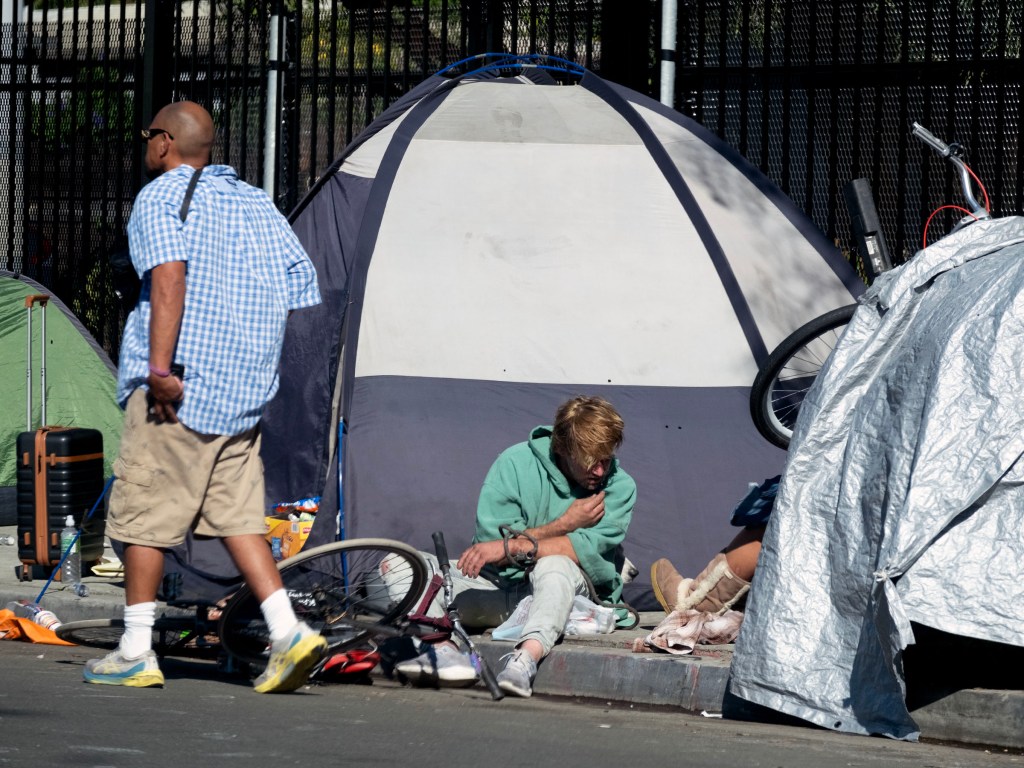
A Los Angeles outreach worker who once lived homeless on Skid Row has spoken out about the brutal mechanics of California’s rehab fraud industry, days after federal prosecutors charged a father-son team in a $1.6 billion body-brokering scheme.
Lang Martinez, who got sober in 2018 after years on the streets, said the tactics alleged against David Young, 71, and Nathan Young, 39, mirror what he witnesses routinely. “Los Angeles is definitely a hot spot for this sort of thing,” Martinez said. “First, they’ll find someone caught up in addiction. Then, they’ll give you a little bit of money.”
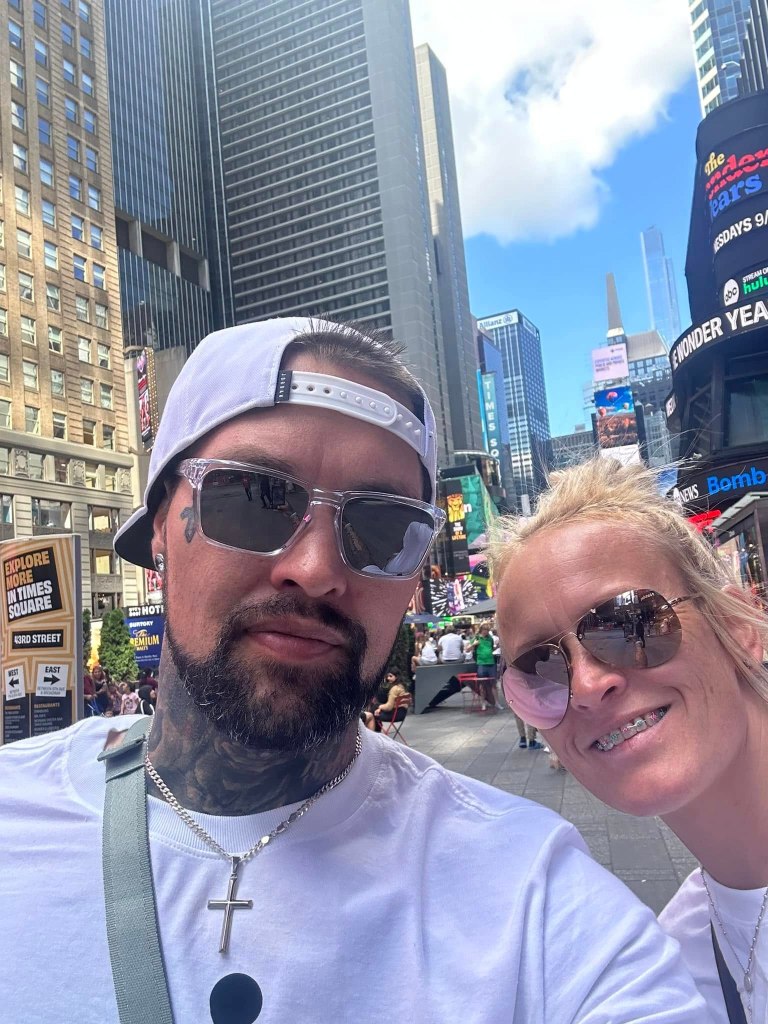
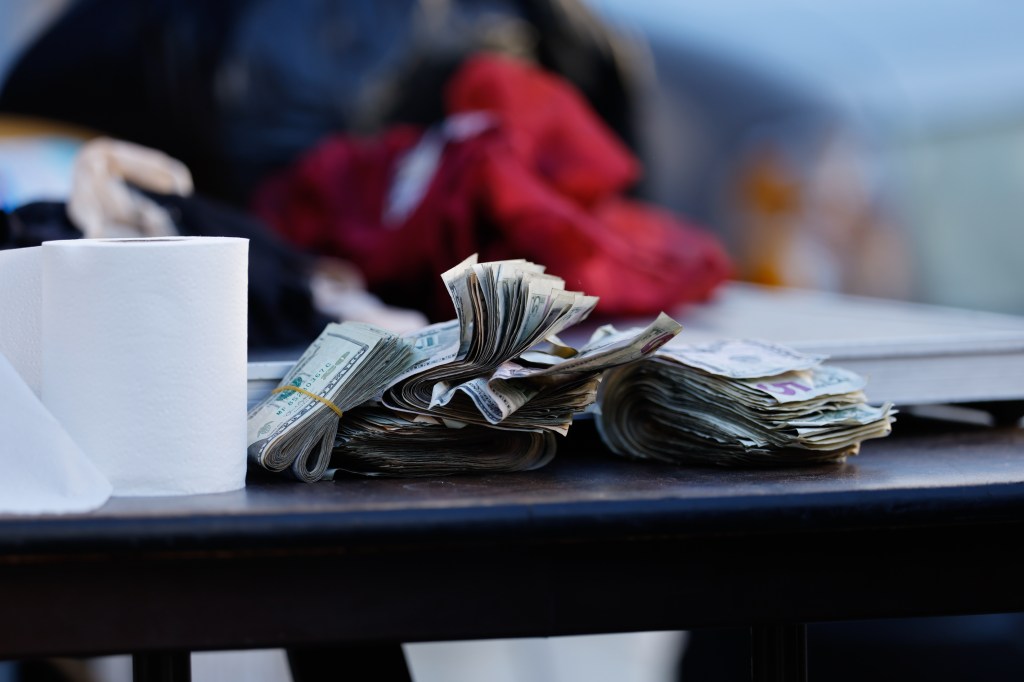
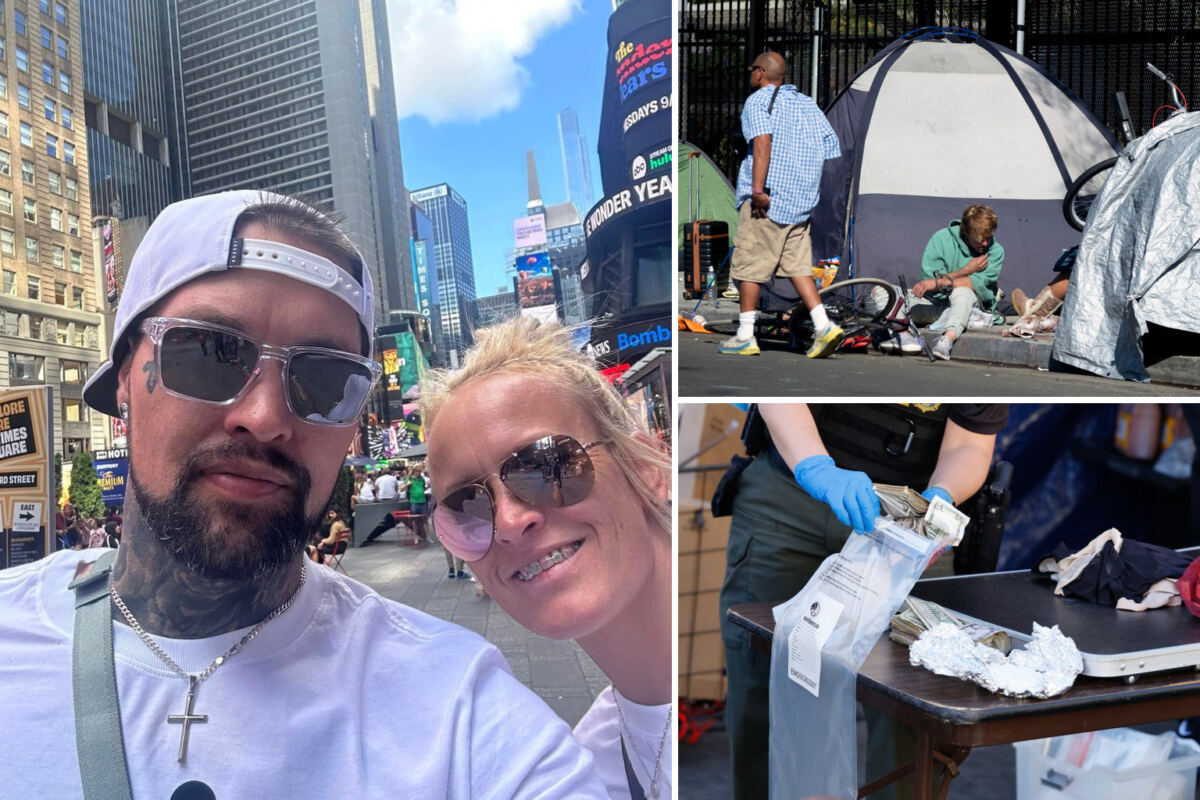
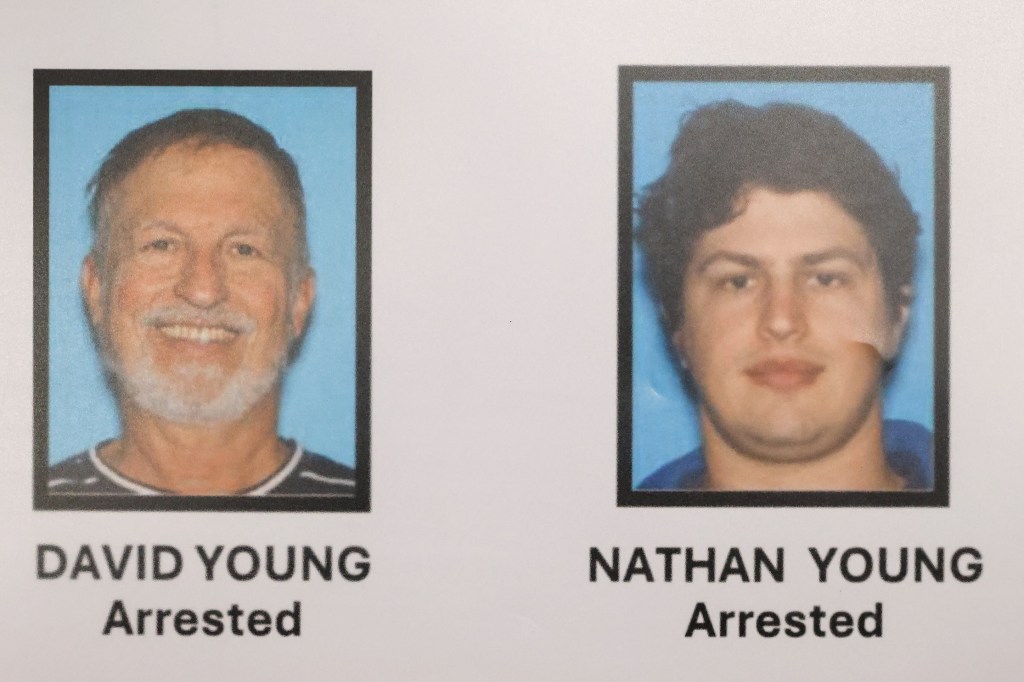
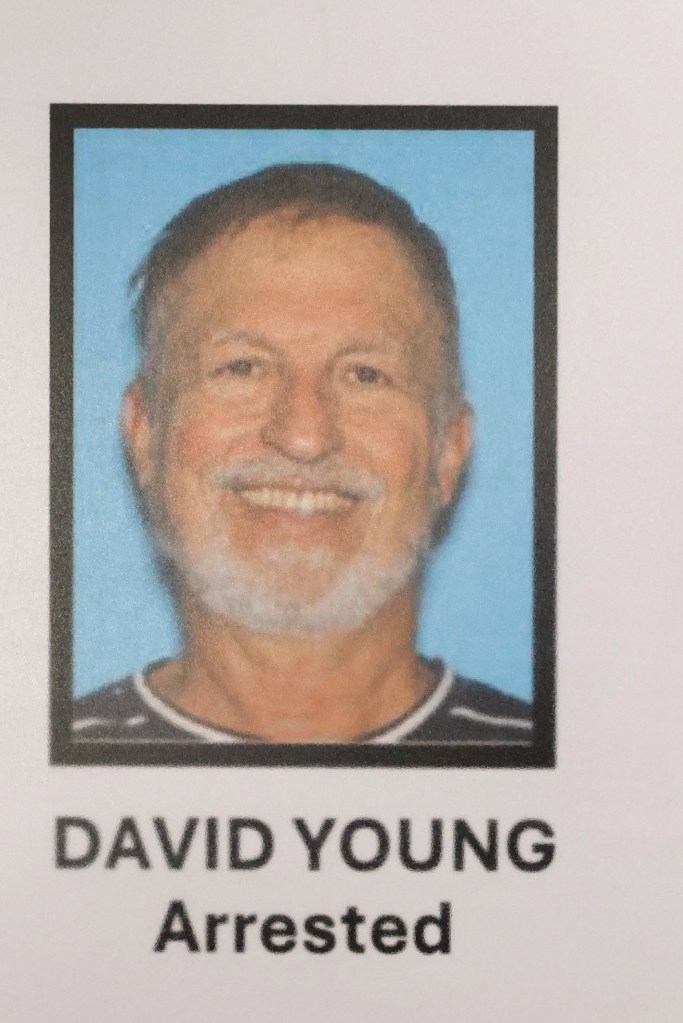
The Youngs, arrested Thursday in a sweeping federal anti-healthcare fraud operation, are accused of deploying recruiters to haul at least 6,000 addicts into their network of Southern California and Bay Area facilities. Prosecutors say the pair, along with accused Texas couple Honey and Cody Phipps, targeted vulnerable people nationwide with kickbacks of cash, drugs, and luxury housing, then cycled them through bogus treatment programs to milk insurers.
Martinez laid out the con’s opening moves from what he has observed. Body brokers obtain a victim’s ID, get them insured through corrupted contacts, and backdate the coverage. “They have insiders with the insurance companies, your top insurance companies,” Martinez said. “They’ll grease their palms, and then what they’ll do is they’ll backdate homeboy’s insurance.”
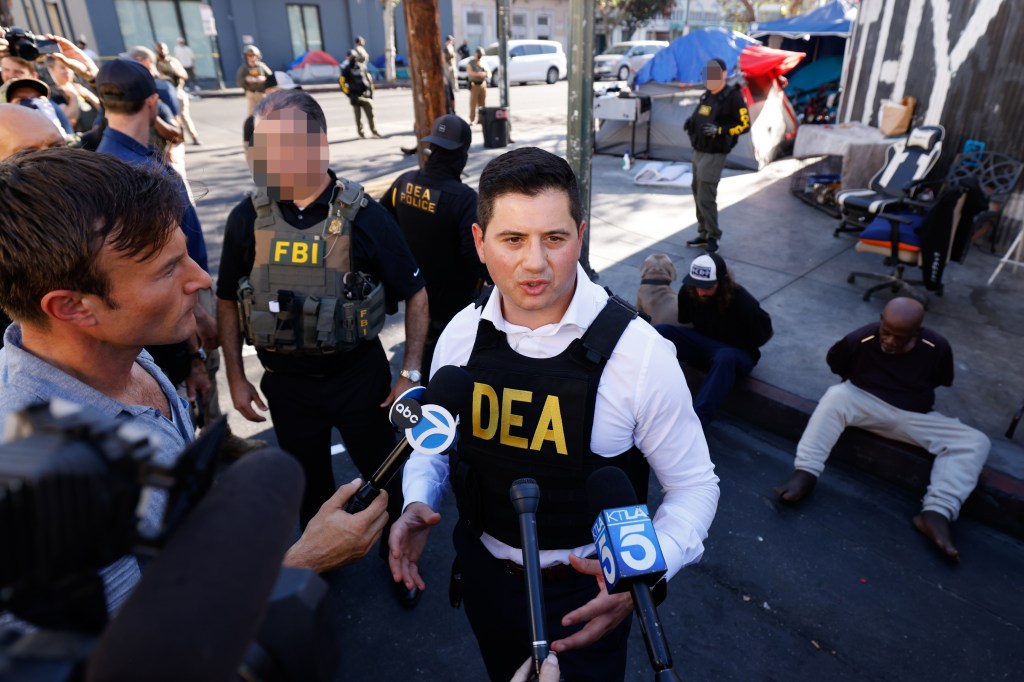
The sales pitch follows fast. “‘Got you a spot, man. I’m gonna put you on a plane, and I’m gonna fly you out to this place,'” Martinez said, mimicking the brokers. “It happens all over the country. Get you in the car. Put you on a plane.”
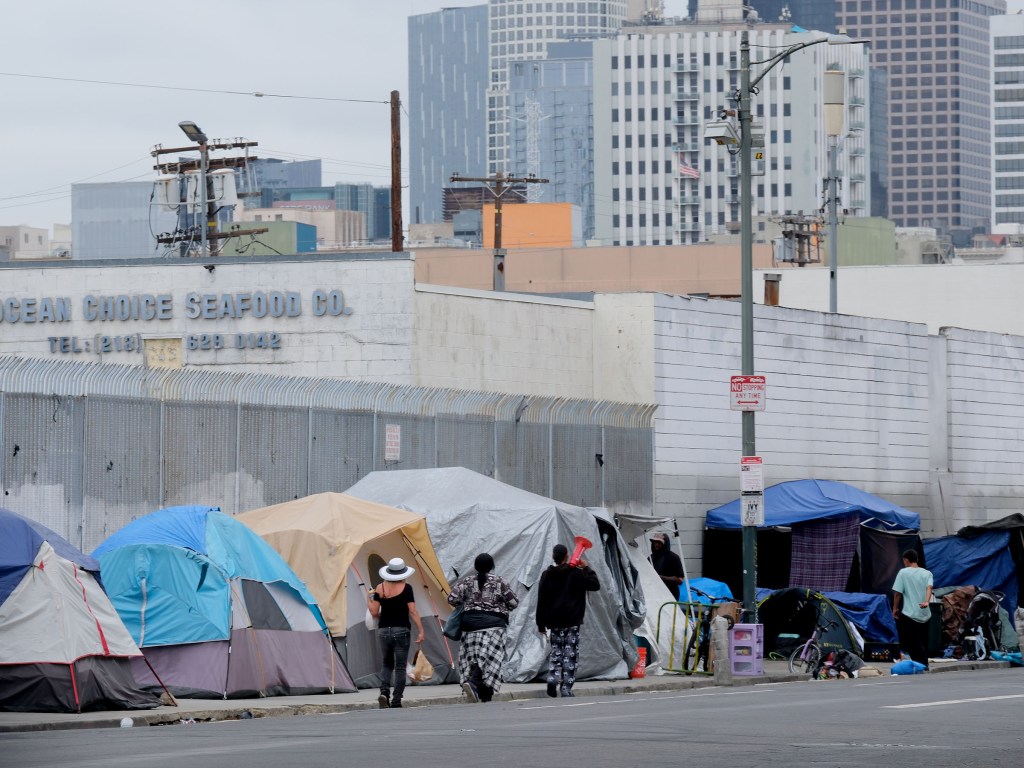
Credit card records cited in court papers show victims flown in from Las Vegas, Cleveland, and Birmingham, Alabama. Once enrolled, prosecutors charge, patients encountered sham treatment: Zoom meetings with hundreds of attendees passed as therapy, movie outings labeled group sessions. Some were coached to fake or exaggerate symptoms, or encouraged to use substances so they would fail urine tests and qualify for rehab admission.
The Youngs allegedly kept addicts sedated, stripped of phones, blocked from family contact, and physically prevented from leaving to extend billing cycles. Patients were shuttled between different facility types corresponding to sobriety levels, maximizing placement fees.
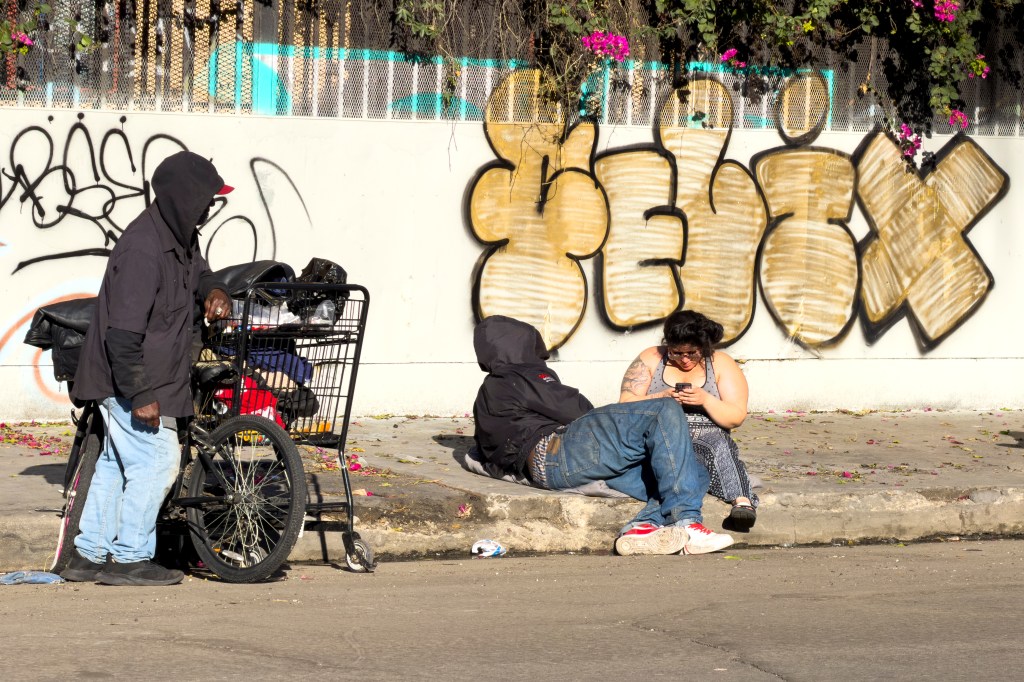
Martinez described a darker loop. Brokers pull clean addicts from programs, feed them cash and drugs, trigger relapse, then re-enroll them elsewhere for another fee. “They relapse you again, and then I put you in another program,” he said. “That’s how the brokering works.” He estimated hundreds of Skid Row’s homeless addicts arrived through such pipelines. “A lot of these people die,” Martinez said.
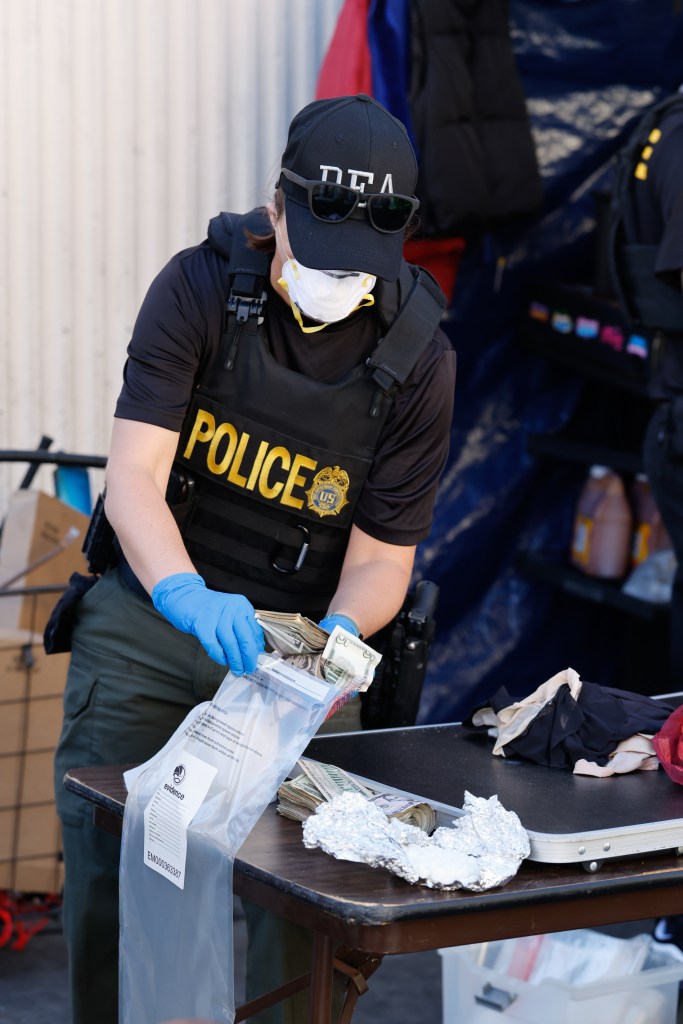
Assistant Attorney General Colin M. McDonald called the Youngs’ operation “the largest sober home fraud scheme the Department has ever prosecuted.” The defendants pocketed more than $210 million across six years, according to the Justice Department.
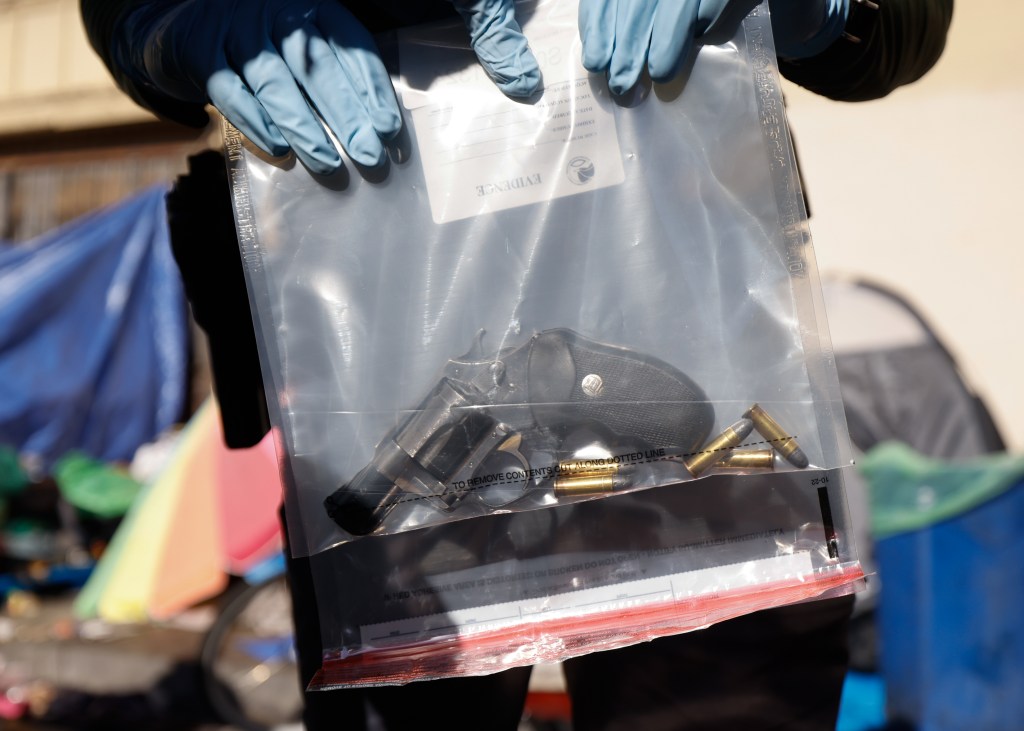
First Assistant US Attorney Bill Essayli tied the scheme directly to California’s visible homelessness crisis. “These body brokers brought vulnerable people here with false promises of treatment, worsening California’s drug-addicted homelessness crisis,” Essayli said. “We will hold accountable those who turn addiction and human suffering into a business.”
Martinez, who rebuilt his life after 2018, framed the practice as moral bankruptcy dressed in recovery language. “When you turn human suffering into a business, you’ve lost your humanity,” he said. “What is happening to our unhoused and our most vulnerable individuals through body brokering is not recovery – it’s exploitation.”
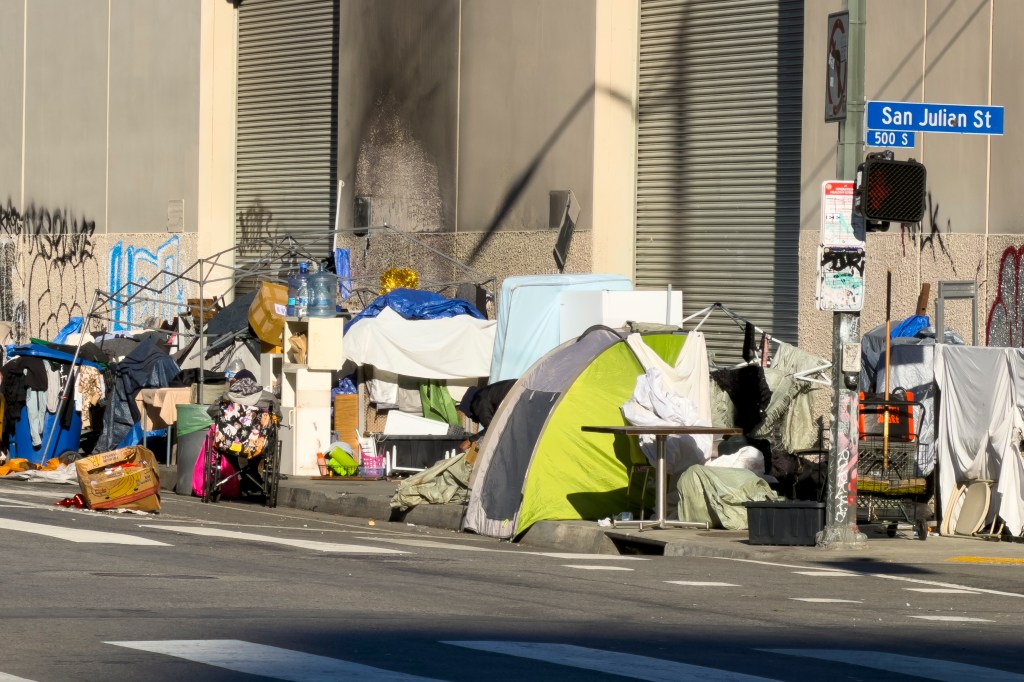
The federal arrests unfolded Thursday in Los Angeles as part of a broader healthcare fraud sweep. The Phippses, body brokers from Greenville, Texas, allegedly traveled state to state recruiting victims for the Youngs’ clinics, obtaining their insurance, and arranging travel to California.