

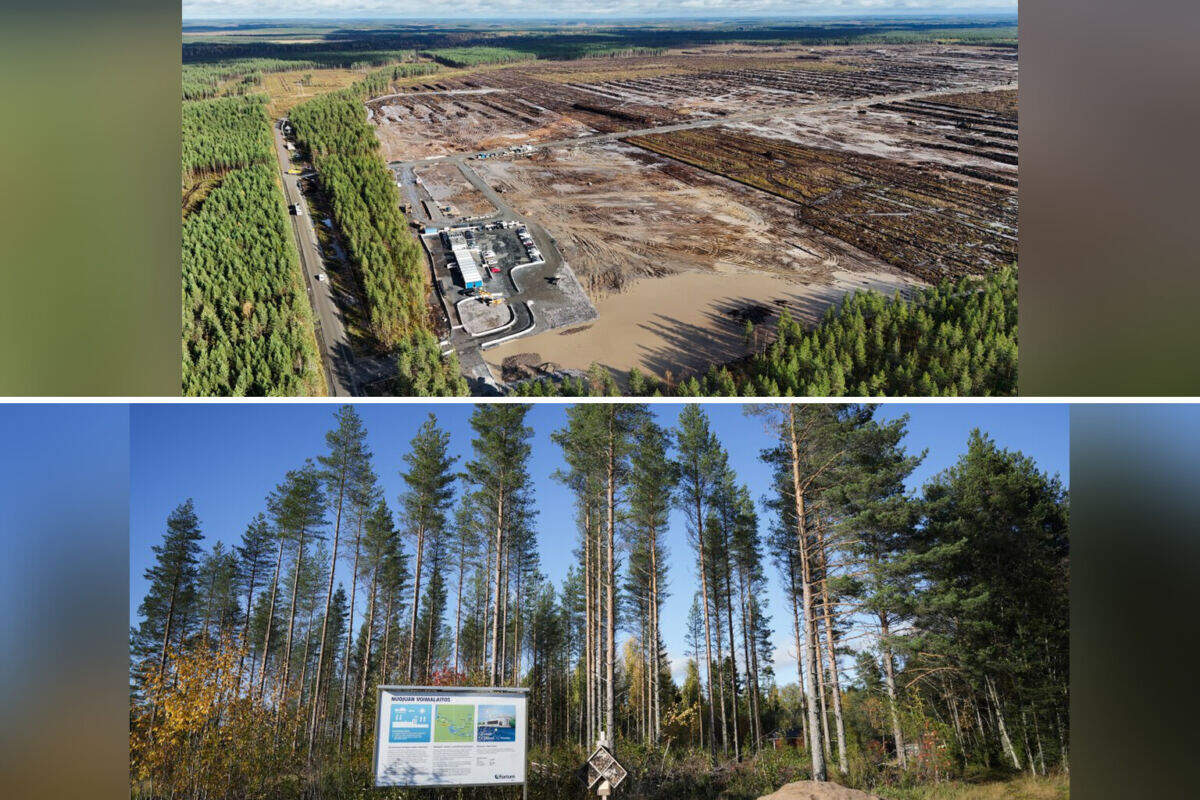
Google’s Finnish chief has apologized after the tech giant illegally leveled an estimated 250,000 trees for two planned AI data centers, triggering a government suspension and sending wolf packs into a nearby village.
Antti Järvinen, the company’s top executive in Finland, claimed the firm believed it held legislative approval to commence the large-scale clearing outside the rural town of Muhos, southeast of Oulu. Finnish officials rejected that explanation and halted all development at both sites to force a mandatory Environmental Impact Assessment that Google had skipped.
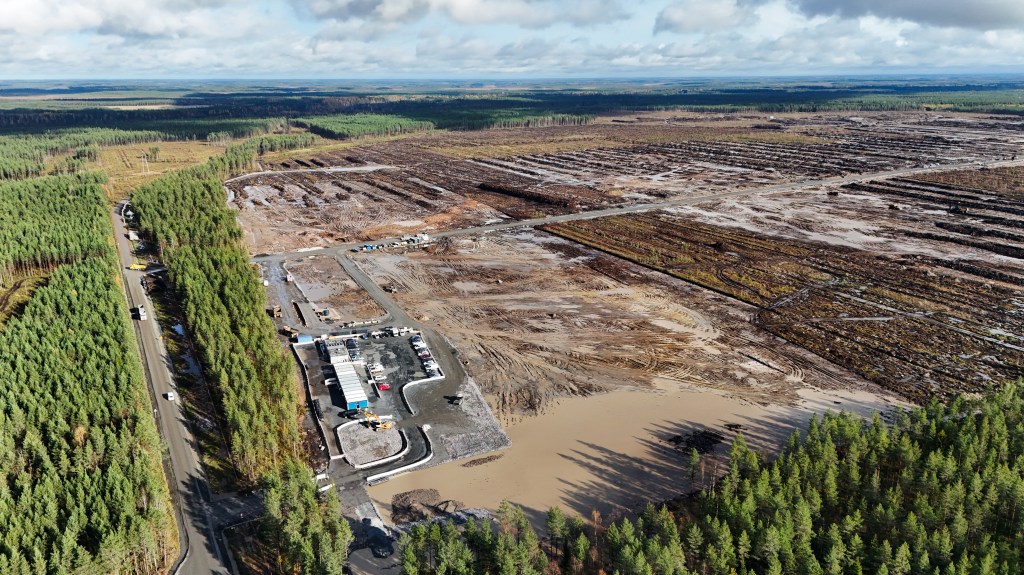
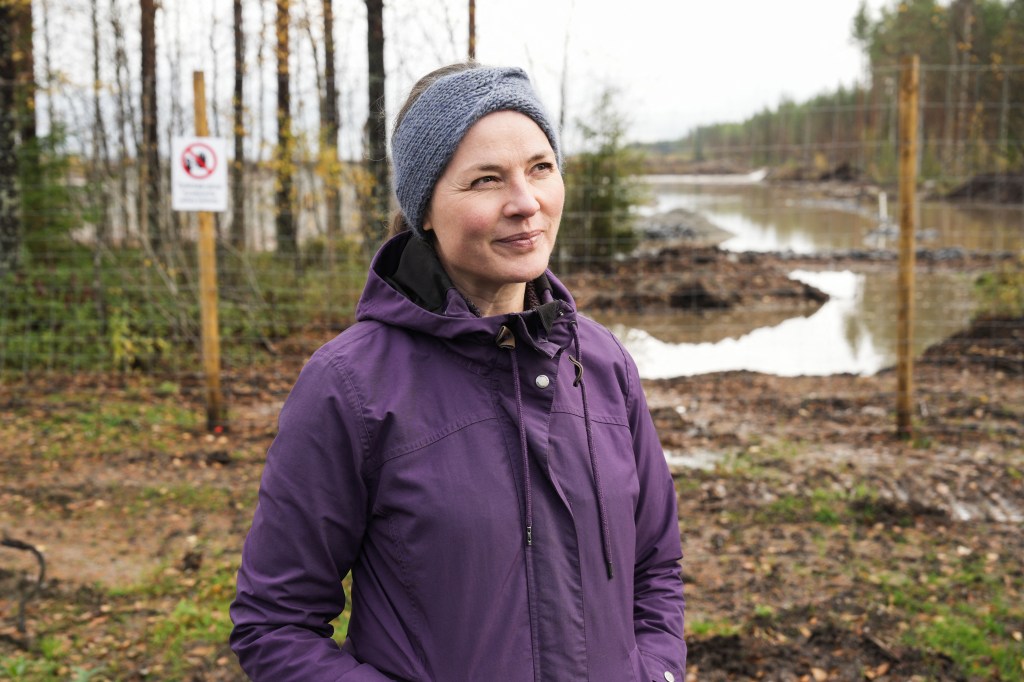
The operation stripped 816 acres of woodlands into what locals describe as a lifeless mud wasteland marked by tire tracks, muddy puddles and mounds of dirt. The destruction destroyed wildlife habitat and pushed predators toward human settlements.
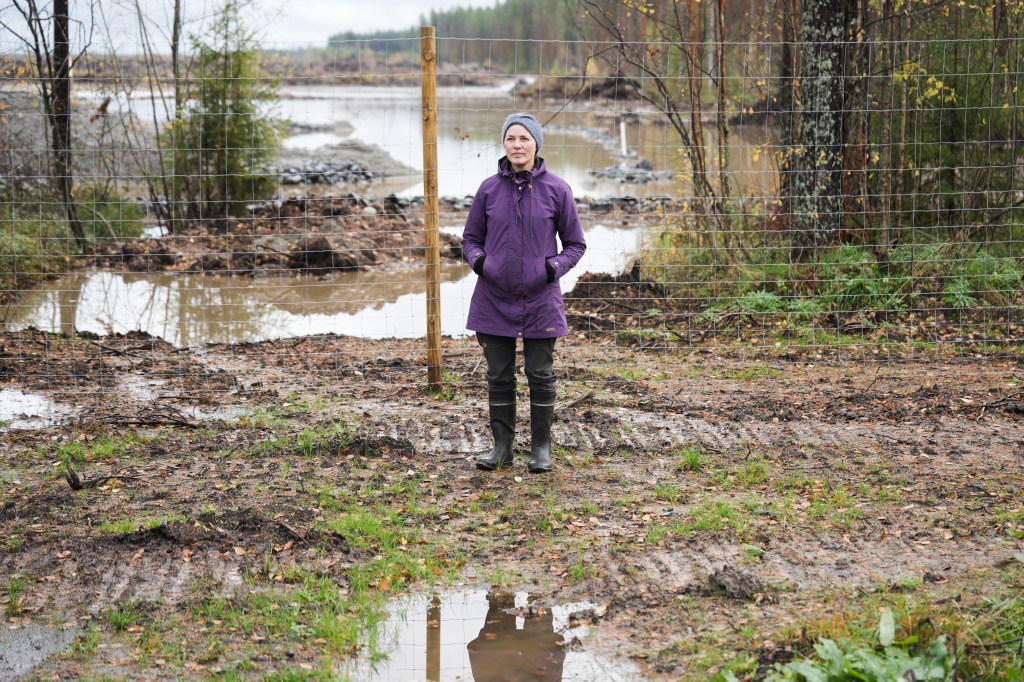
“We had wolves coming into the village because all the wild animals moved out of the forest,” Muhos resident Anni Ranta said.
“They fled. What worries me about the data centers is also the noise because this is hard rock soil. Even when we are standing here talking,” she added, comparing the sound to a drum.
Ranta, who lives in Otanmäki roughly 50 miles from the site, also voiced geopolitical fears about the construction. “I don’t want them in Finland at all. I don’t like the whole idea of AI and the world changing and the way it’s changing. It’s going too fast, too soon.”
The Finnish Licensing and Supervision Agency gave Google’s project subsidiary, Tuike Finland Oy, an Oct. 23 deadline to suspend all operations. Agency officials cited extensive preparatory work already completed without proper review.
“In the opinion of the Finnish Licensing and Supervision Authority, extensive preparatory measures have already been taken in the project areas based on the currently available reports, such as the removal of trees, the stripping of topsoil, the construction of construction site roads and storage areas, changes to ditches and culverts, and stormwater arrangements,” Tommi Muilu, Head of the Environmental Department, said.
“In our opinion, the measures in question will change the environment and cause impacts, the identification and assessment of which are among the key objectives of the EIA procedure,” Muilu continued.
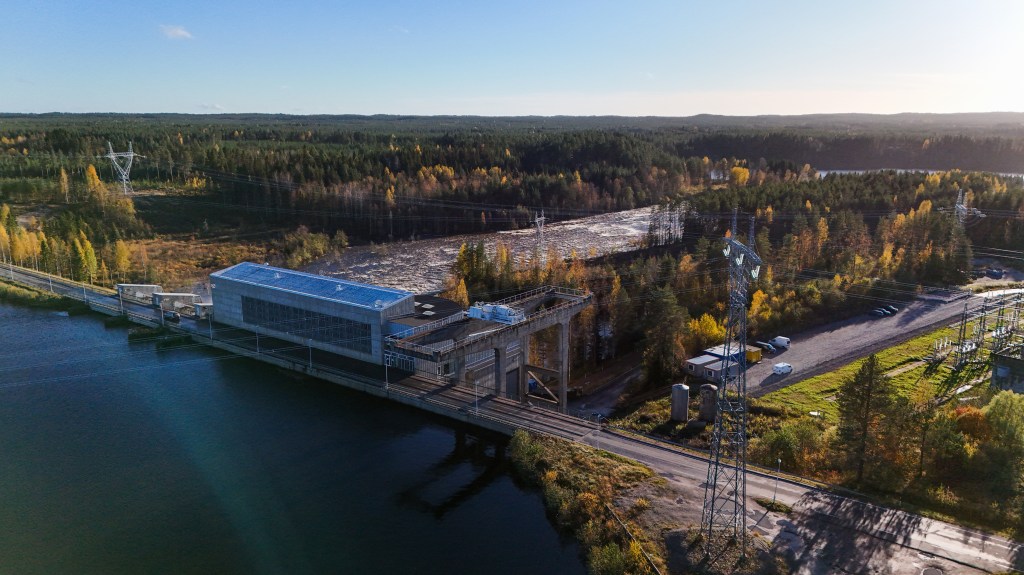
The tree removal polluted nearby water sources, turning streams brown as they feed into the Oulujoki River. Google has since pledged to protect water sources and replant trees across roughly 321 of the cleared acres.
Järvinen’s claim of believing the company had approval drew sharp rebuke from environmental advocates. “They bought the vast land area and they just started to cut it, just like that,” Hanna Halmeenpää, chair of the Finnish Association for Nature Conservation (SLL), said. “It’s pure arrogance and it’s amazing.”
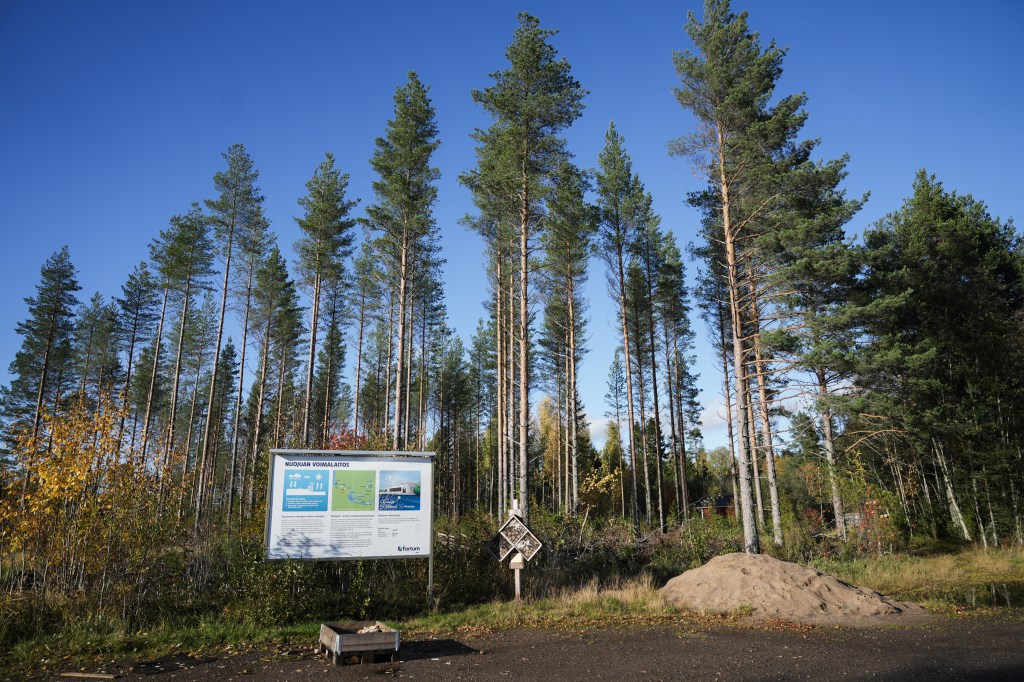
Local residents demanded the company make amends for broader environmental damage tied to previous tech expansions. “It has been done in the wrong way. American style. No sense. No sense at all,” Muhos resident Antti Jakonen told the outlet, calling on Google to help restore the local salmon population destroyed by hydropower years ago.
Conservationist Vesa Hyyryläinen echoed the frustration. “I wonder why we have to sacrifice so much of our nature. They give everything away too easily,” he said.
The two suspended sites near Muhos and Kajaani, roughly 90 miles apart, form part of Google’s $15 billion Nordic AI infrastructure investment announced in September. Critics suspect the company rushed to establish the complex before Finnish regulations could catch up with rapid AI advancement.
Google’s Finnish tree-clearing scandal follows a July executive order by New York Gov. Kathy Hochul that banned all large-scale AI data centers from her state, the first such prohibition in the US, pausing new permits for “hyperscale” facilities seeking to tap the Empire State’s electrical grid for up to a year.