

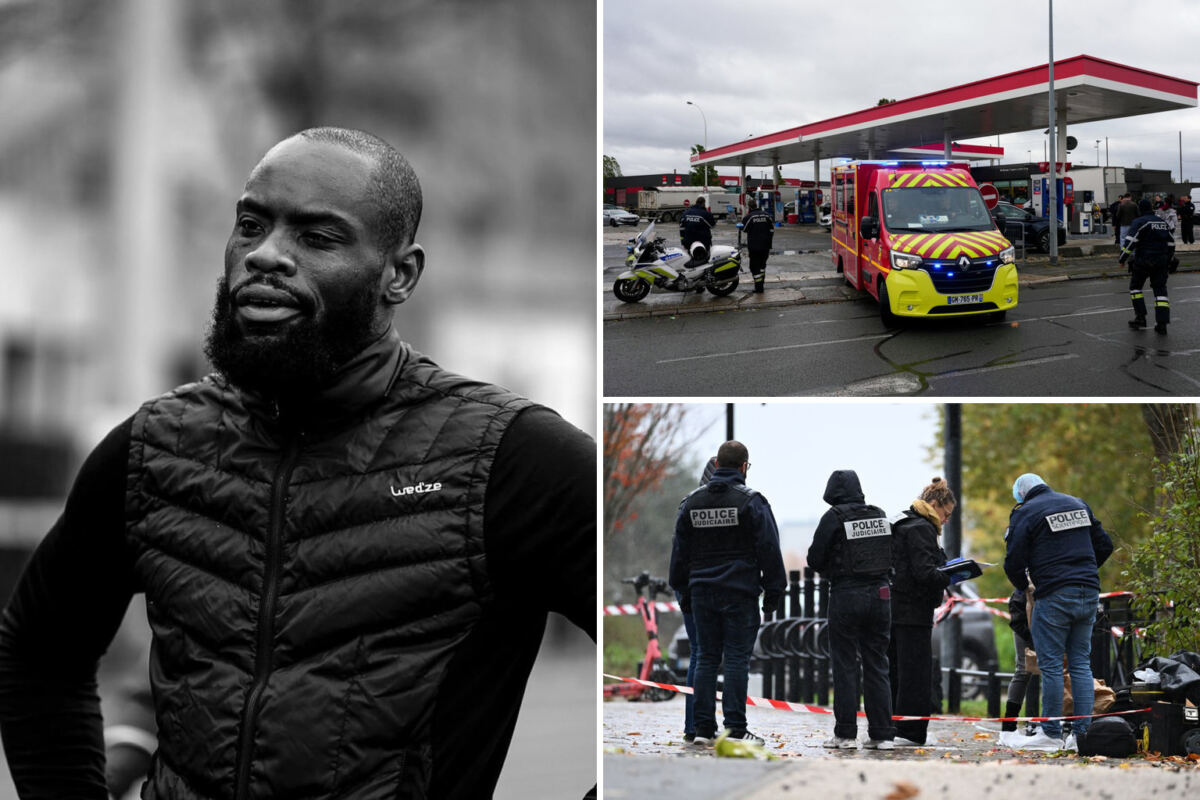
The amateur mixed martial arts club that trained Pengo Bossio Wangi has identified him as the man killed in Friday’s shooting rampage outside Paris.
The Atch Academy in Aubervilliers, north of Paris, named Wangi, 26, in an Instagram statement posted after French authorities declined to publicly release his identity. The club remembered him as a dedicated member whose presence had shaped their community.
“Pengo was one of us,” the club wrote on Instagram, recalling his smile, energy and generosity.
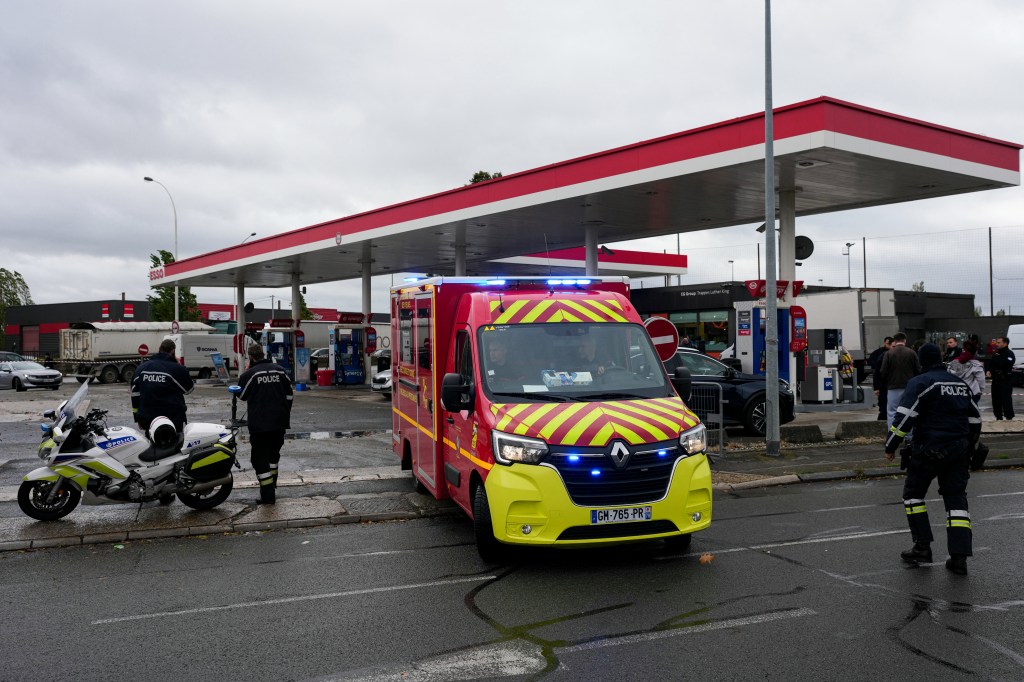
The tribute turned sharply political as the club addressed the circumstances of his death. “Nothing justifies a life being taken like this,” the Atch Academy added in the same statement.
At least five other people were wounded in the attack, including a 12-year-old girl, when a gunman opened fire from a vehicle across three locations in Trappes and La Verrière. The shooting spree prompted an immediate arrest and the transfer of the case to France’s National Anti-Terrorism Prosecutor’s office.
President Emmanuel Macron characterized the assault in stark terms on Friday. “A racist terror attack,” Macron said, stating that the victims were targeted because of their “skin color or perceived religion.”
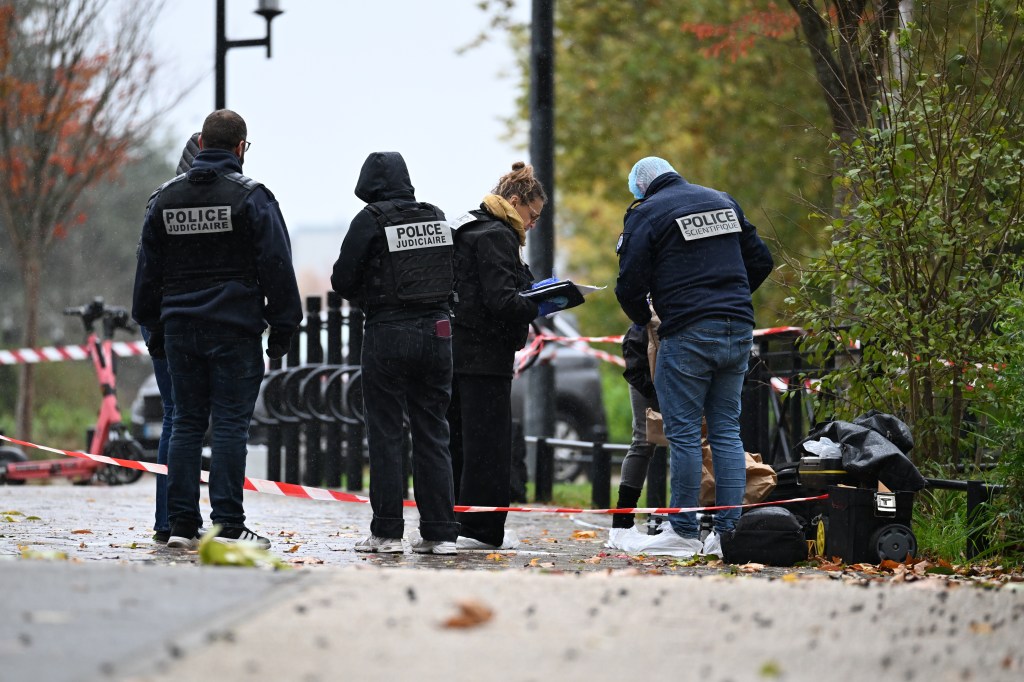
The suspect was taken into custody soon after the shootings ended. The National Anti-Terrorism Prosecutor’s office assumption of jurisdiction signals that investigators are treating the incident as potential terrorism under French law, which carries distinct procedural and sentencing frameworks.
Wangi had trained at the Atch Academy as an amateur mixed martial arts fighter, pursuing the sport in the working-class suburbs north of the French capital. His club’s decision to name him publicly while authorities maintained silence created a parallel channel of identification, allowing mourning to begin even as official confirmation lagged.
The geographic spread of the attack — spanning Trappes and La Verrière, neighboring communities in the Yvelines department west of Paris — suggested a mobile assailant covering significant ground during the shooting sequence. The inclusion of a child among the wounded has amplified public shock.
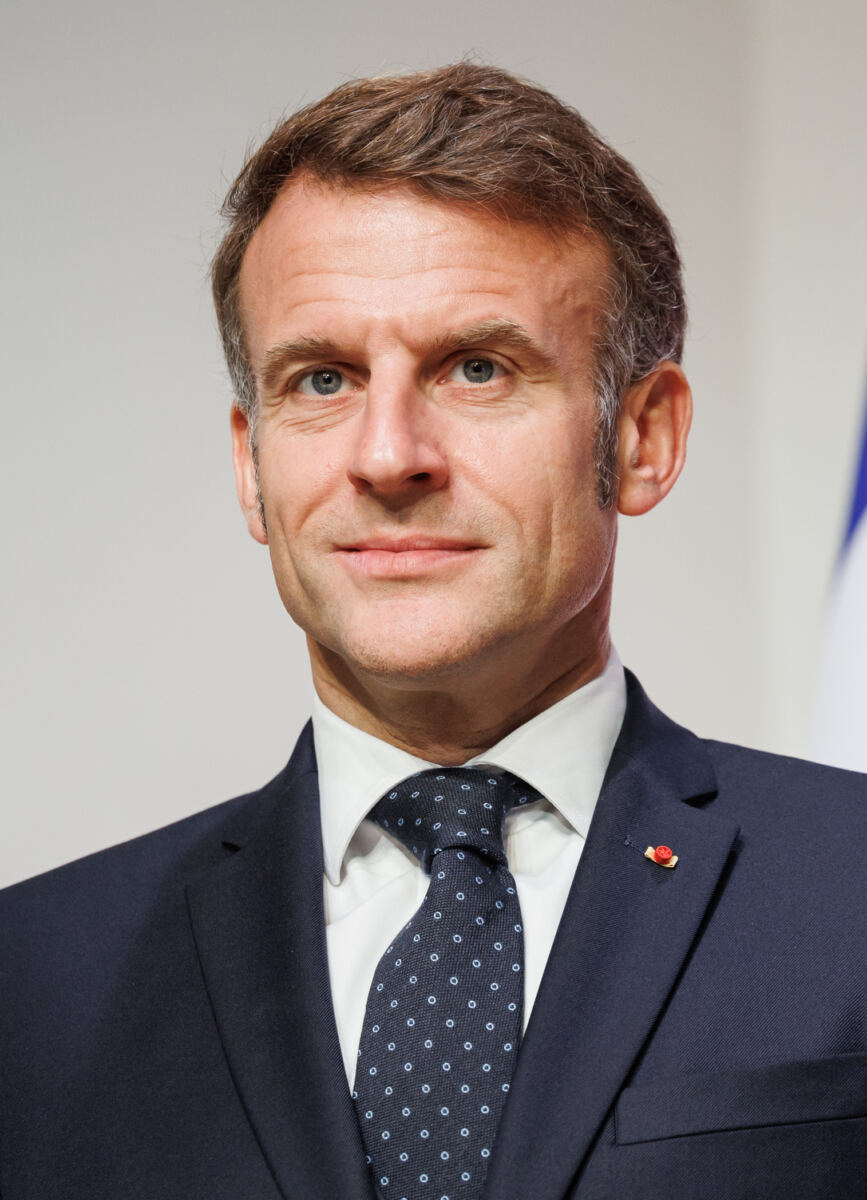
Macron’s intervention marked rare presidential commentary on an ongoing criminal investigation in its immediate aftermath, reflecting both the gravity of the allegations and France’s tense political climate around racism and religious identity. His specific framing — “skin color or perceived religion” — invoked two protected categories under French hate crime and anti-terror statutes.
The National Anti-Terrorism Prosecutor’s office continues its investigation.