

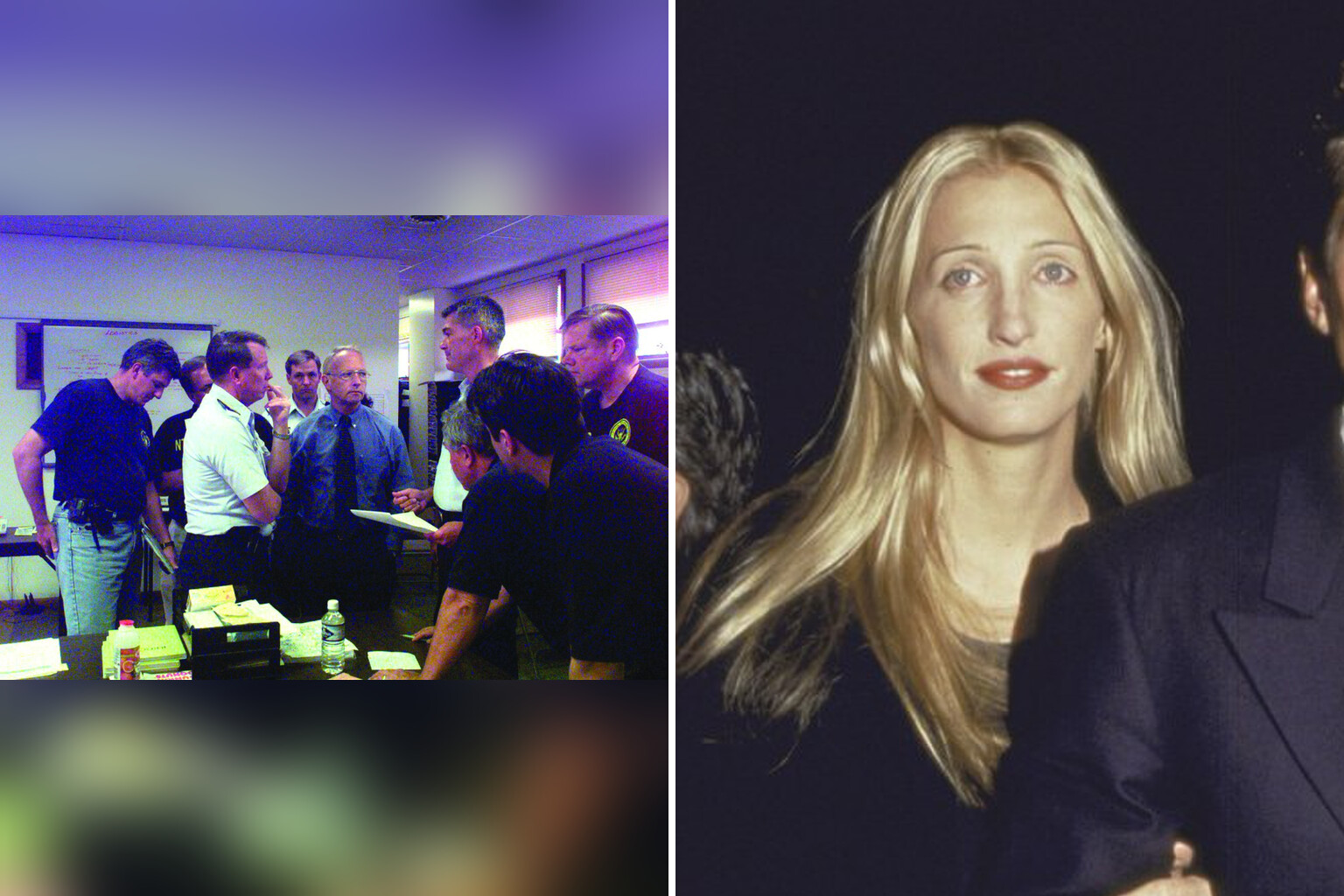
Coast Guard Capt. W. Russell “Russ” Webster revealed that search teams almost gave up the hunt for John F. Kennedy Jr. Just before his body was discovered 116 feet beneath the Atlantic.
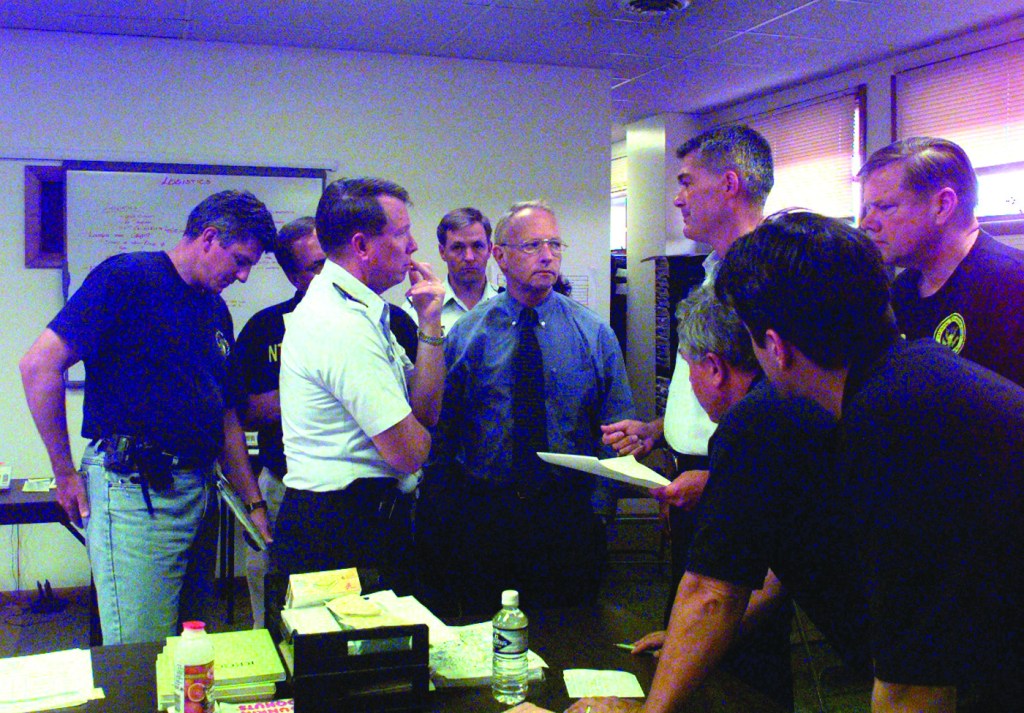
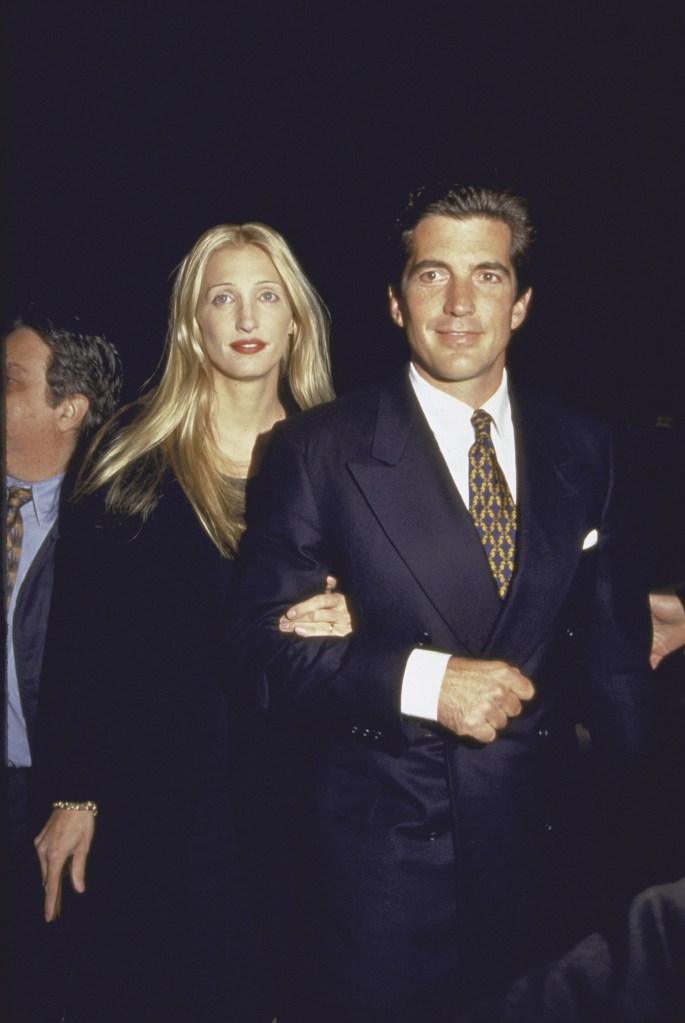
Webster, 47, the incident commander for the 1999 search operation, told The Post that officials began drafting an exit strategy on the fourth day of what had become an exhausting and fruitless mission. The massive operation had been launched after Kennedy’s plane vanished on the night of July 16, 1999, while the 38-year-old was piloting his wife Carolyn Bessette, 33, and her sister Lauren Bessette, 34, from Caldwell, New Jersey, to Martha’s Vineyard for a family wedding.
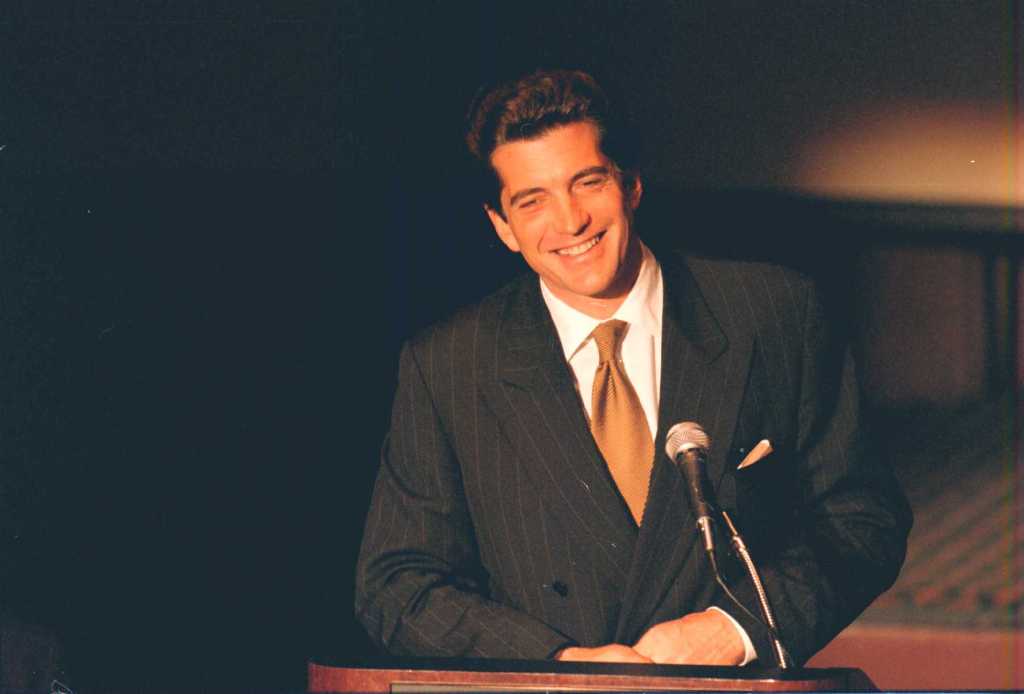
High-tech sonar scanners located Kennedy’s body on the ocean floor roughly 10 feet from the wreckage, which still contained the strapped-in remains of the two sisters. The discovery came about seven miles off Martha’s Vineyard’s southwest coast, at a moment when the search’s continuation hung in the balance.
“John F. Kennedy Jr. Was outside the aircraft, and there was a consideration that had another day passed, that in the 1.6-knot current, that he might’ve been swept away,” Webster said.
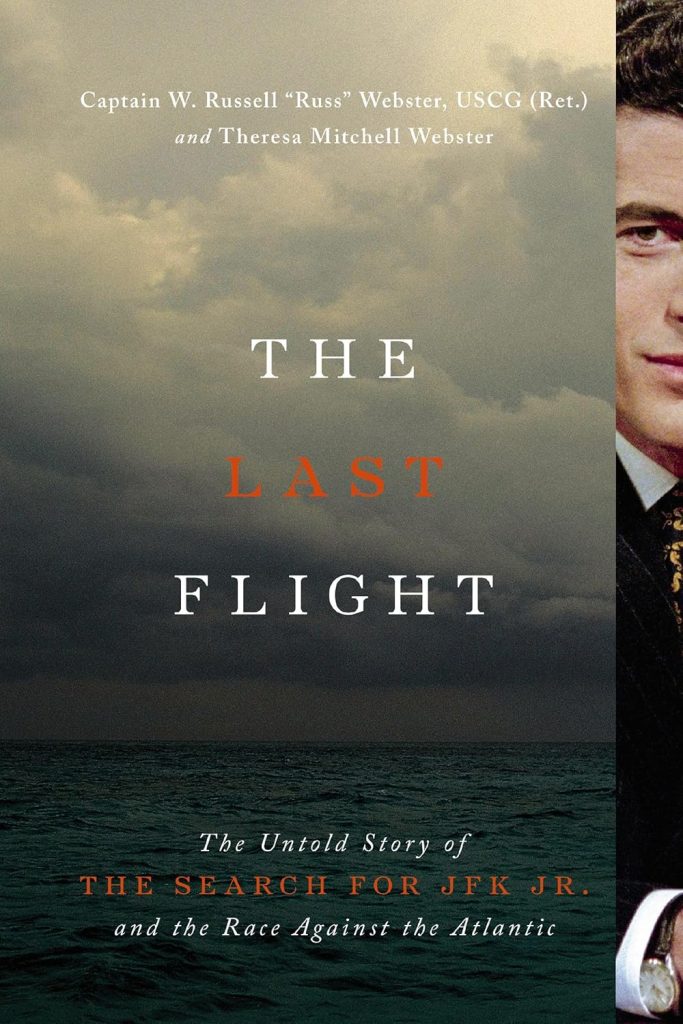
“They might have never found him had another day gone by,” recalled his wife, maritime historian Theresa Mitchell Webster, who co-authored “The Last Flight: The Untold Story of the Search for JFK Jr. And the Race Against the Atlantic” with her husband.
The following morning, five days after the Saratoga II crashed in dense haze, divers recovered all three bodies. Carolyn and Lauren could be identified only by their different hair colors.
“The NTSB forensic anthropologist told us that the girls were not facially recognizable,” Theresa said.
Kennedy had been flying under visual flight rules, meaning the FAA was not tracking his aircraft. Webster, who served 26 years in the Coast Guard, explained that Kennedy “was confident that he could navigate by site and geographic references, like lighthouses and factories,” particularly since he had made the New Jersey-to-Martha’s Vineyard route 35 times previously.
His reliance on visual cues alone stemmed from incomplete training. Kennedy had finished only 12 of 25 modules toward his certified flight instructor certification and had not yet mastered instrument flying.
“On July 1st, 15 days before he flew, one of his certified flight instructors said, ‘John, you’re not ready yet for this. You need more experience with instruments,'” Webster shared.
That inexperience likely proved fatal in poor visibility conditions, possibly triggering spatial disorientation. The National Transportation Safety Board determined the plane descended at a devastating 4,700 feet per minute.
“Water is only marginally less than cement at that speed [almost 60 mph] and coming from that altitude,” Webster noted.
The recovery team faced pressure from more than just the Atlantic current. The crew raced to locate the bodies, aircraft, and personal belongings before human and animal scavengers could reach them. Webster, who worked an estimated 10,000 missions during his career, calculated the operation—which covered 100 nautical miles between Cape Cod and Long Island and involved thousands of personnel from at least 28 local, state, and federal agencies—cost up to $5 million.
The Websters spent 15 years researching their book, conducting close to 45 interviews. Russell explained that delayed cooperation from federal personnel ultimately made the project possible.
“One of the reasons we were able to finally write this book was the fact that many of the people that had said they did not want to participate earlier had retired from federal service and became more talkative, more reflective. And they knew how important it was to tell this story,” he said.
Theresa’s friend Maria Hooton, married to a close friend of Kennedy’s uncle Sen. Ted Kennedy, was at the senator’s house the day after the plane disappeared. “She told us she saw John’s suit hanging in the laundry room that was pressed and ready to go,” Theresa said.
The Coast Guard fielded numerous “outlandish” calls during the mission, including one claiming Kennedy was active in an AOL chat room. “People, I think, were grasping at straws,” Webster remarked.
The Unified Command Post also received a fax from an unnamed New York City spiritual organization declaring all three deceased based on analysis of their “magnetic auras.”
“The reason I remembered that so vividly was it was the very first external communication that we received on Sunday when the Unified Command Post opened up. And it was like, ‘Oh my God, this is so, so bizarre,'” Webster recalled.

The trio had been traveling to Kennedy’s cousin Rory’s wedding when the single-engine plane went down in conditions that overwhelmed a pilot still learning to trust his instruments over his eyes.