

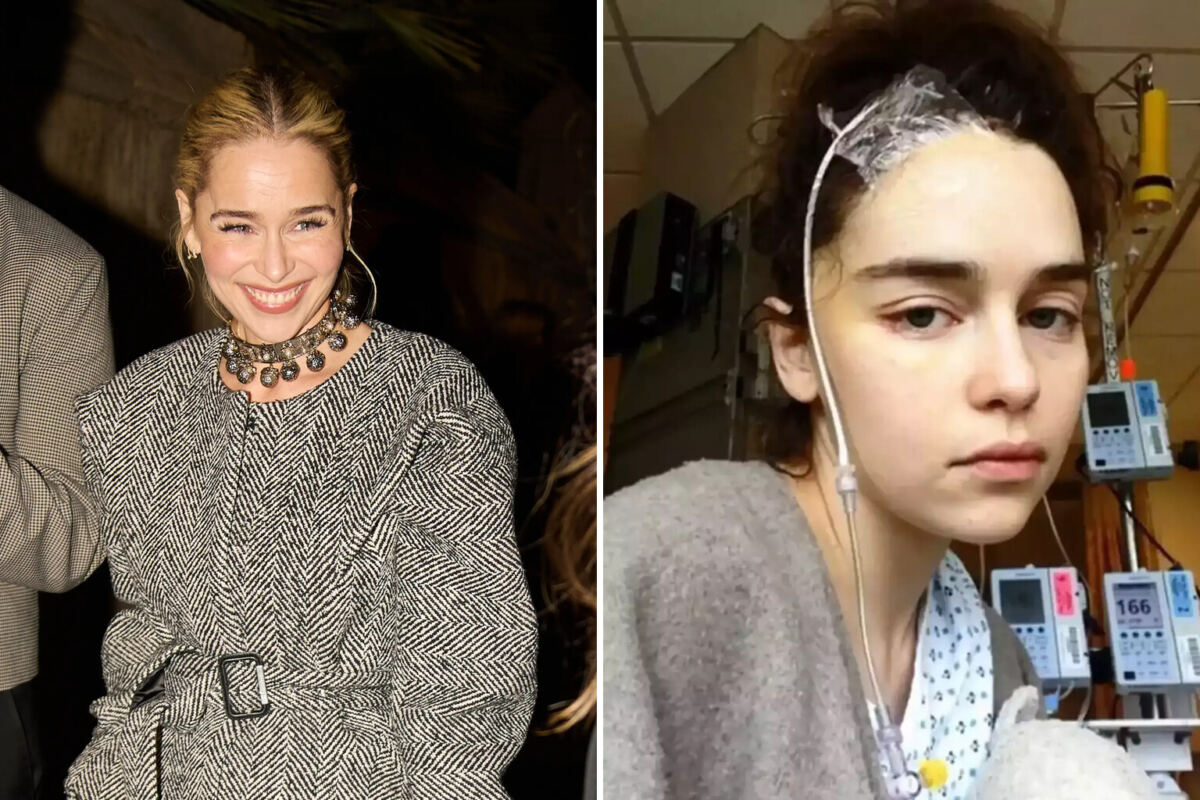
Emilia Clarke has opened up about the lasting toll of two brain aneurysms, revealing that “quite a bit” of her brain is now missing.
The ‘Game of Thrones’ alum, 40, said’s Sunday Morning in 2022 that doctors have been stunned by her ability to function normally despite the extensive damage. “The amount of my brain that is no longer usable… It’s remarkable that I am able to speak, sometimes articulately, and live my life completely normally with absolutely no repercussions,” she said. “I am in the really, really, really small minority of people that can survive that.”
When shown scans of her brain, Clarke found dark humor in the devastation. “There’s quite a bit missing, which always makes me laugh,” she told host Sophie Raworth. “Because strokes, basically, as soon as any part of your brain doesn’t get blood for a second, it’s gone. And so the blood finds a different route to get around but then whatever bit it’s missing is therefore gone.”

The London-born actress first collapsed during a workout in 2011, at the height of her fame playing Daenerys Targaryen on the HBO fantasy phenomenon. What began as a “bad headache” escalated until she was “almost crawling” to the changing room in agony, then blacked out in a bathroom stall. A fellow gym-goer helped her before an ambulance rushed her to Whittington Hospital, where doctors diagnosed a subarachnoid hemorrhage — a life-threatening stroke caused by bleeding around the brain.
“I’d had an aneurysm, an arterial rupture,” Clarke later wrote in a 2019 personal essay for The New Yorker. “As I later learned, about a third of SAH patients die immediately or soon thereafter.”
She underwent a three-hour “minimally invasive” operation to repair the damage, then suffered brief aphasia during recovery. But the ordeal was far from over. In 2013, doctors discovered that a smaller aneurysm on the opposite side of her brain — which they had been monitoring — had doubled in size.
The second surgery proved far more traumatic. Clarke woke up “screaming in pain” and learned the procedure had failed. “I had a massive bleed and the doctors made it plain that my chances of surviving were precarious if they didn’t operate again,” she wrote in her New Yorker essay. “This time they needed to access my brain in the old-fashioned way — through my skull.”
“Bits of her skull had been replaced by titanium,” the source material noted, and the recovery proved “even more painful” than the first.
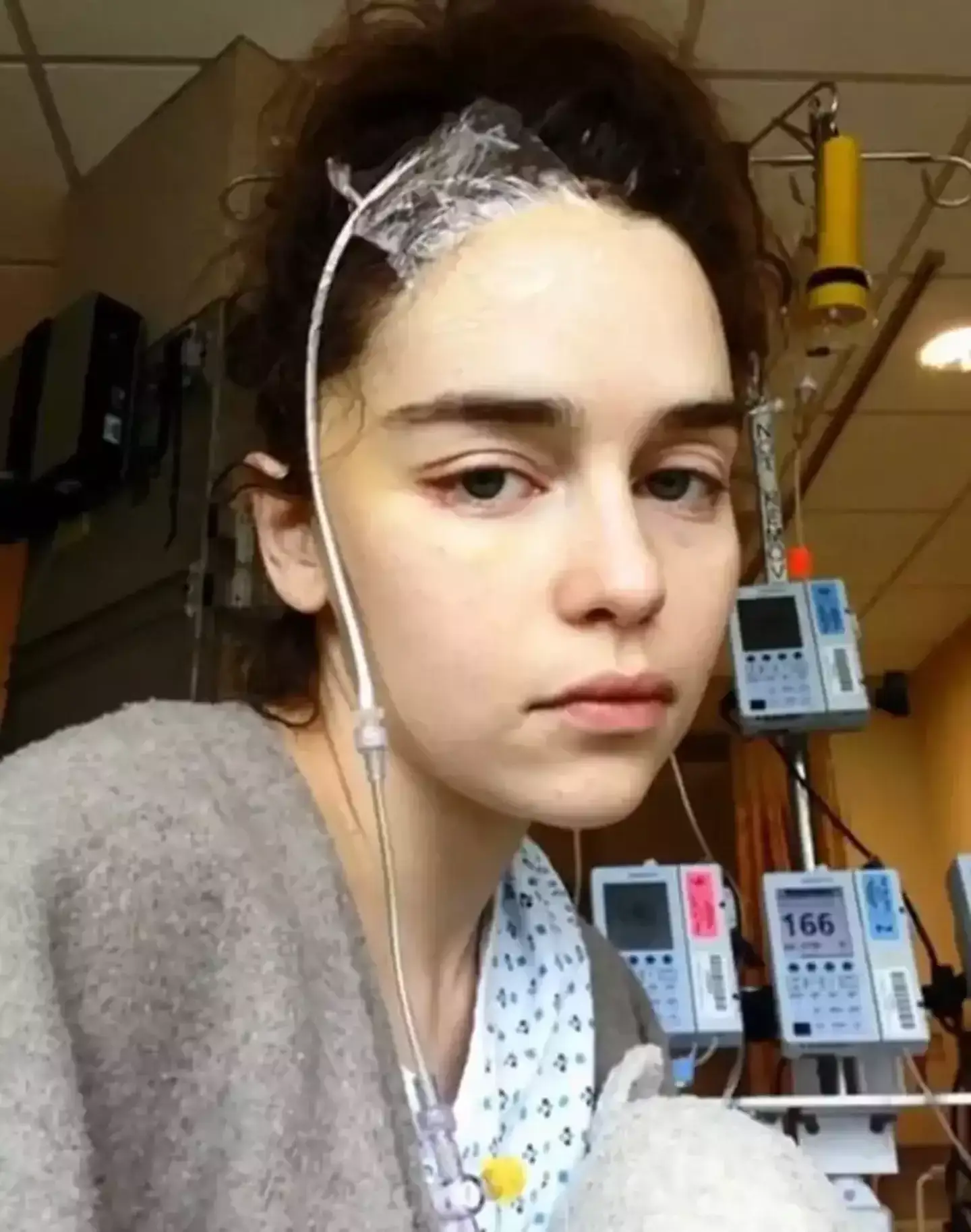
Despite these “dark days,” Clarke eventually found that her demanding role may have helped pull her through. In a 2019 interview, she explained: “You go on the set and you play a badass character, and you walk through fire, and you speak to hundreds of people, and you’re being asked to be — to work as hard as you possibly can. And that became the thing that just saved me from considering my own mortality.”
The second aneurysm left even deeper psychological scars. “The first time it was difficult, with the second one I found it much harder to stay optimistic,” she said. “[I coped with it as] a day to day thing. I definitely went through a period of being… Down — putting it mildly,” She added: “The second one, there was a bit of my brain that actually died. If a part of your brain doesn’t get blood to it for a minute, it will just no longer work. It’s like you short circuit. So, I had that.”
Clarke initially feared the health crises might cost her career. She worried she’d be fired from ‘Game of Thrones’ as she struggled to recover while maintaining her grueling filming schedule.
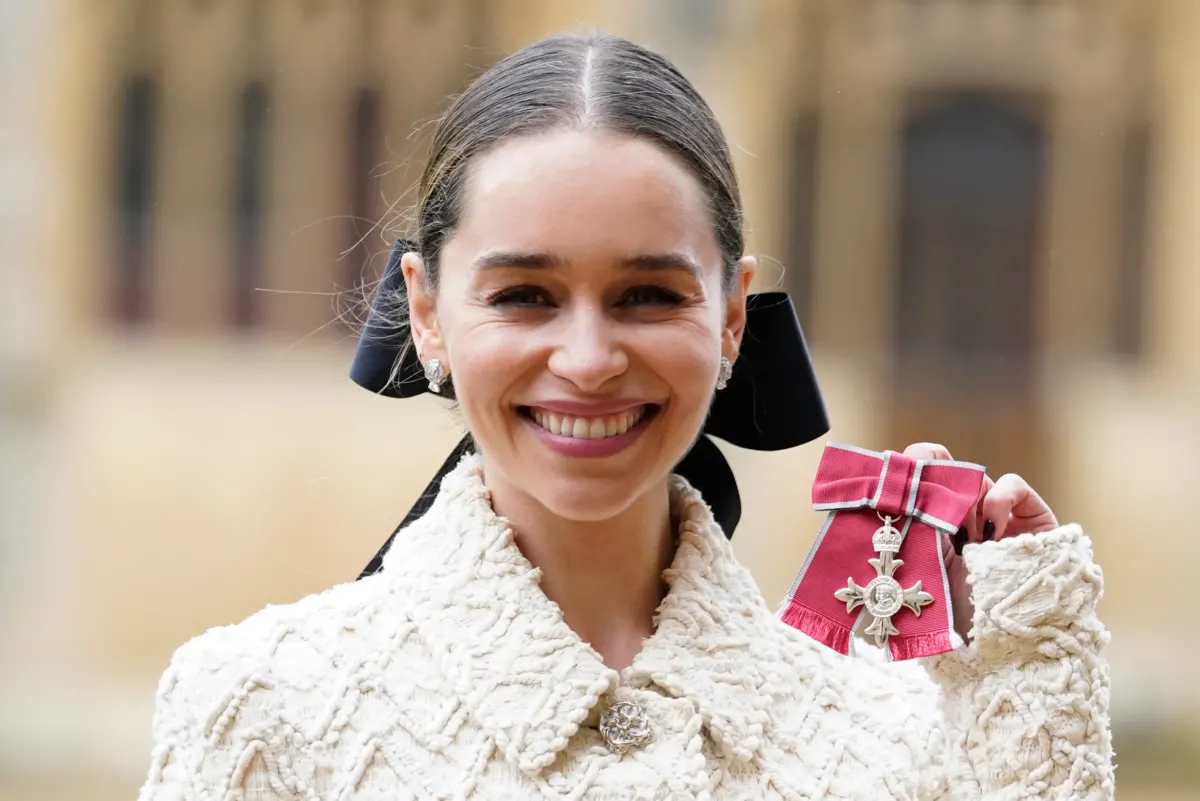
Rather than retreat from public life, Clarke channeled her experience into advocacy. In 2019, she and her mother Jennifer launched SameYou, a charity supporting brain injury recovery and pushing for improved access to rehabilitation services. The organization’s work earned royal recognition: in 2024, both women were appointed Members of the Order of the British Empire (MBE) in the New Year Honours for services to people with brain injuries.
Clarke’s 2019 New Yorker essay, titled “A Battle for My Life,” marked her first detailed public disclosure of the ordeals. She shared never-before-seen hospital photographs from her recovery, writing that she had “nearly lost her mind and then her life.”
A brain aneurysm is a bulge in a blood vessel caused by weakness in the vessel wall; if it bursts, it can cause fatal internal bleeding. Clarke’s survival of two such events, particularly with the second requiring emergency open-skull surgery, places her among a fraction of patients who not only live but regain full cognitive function.
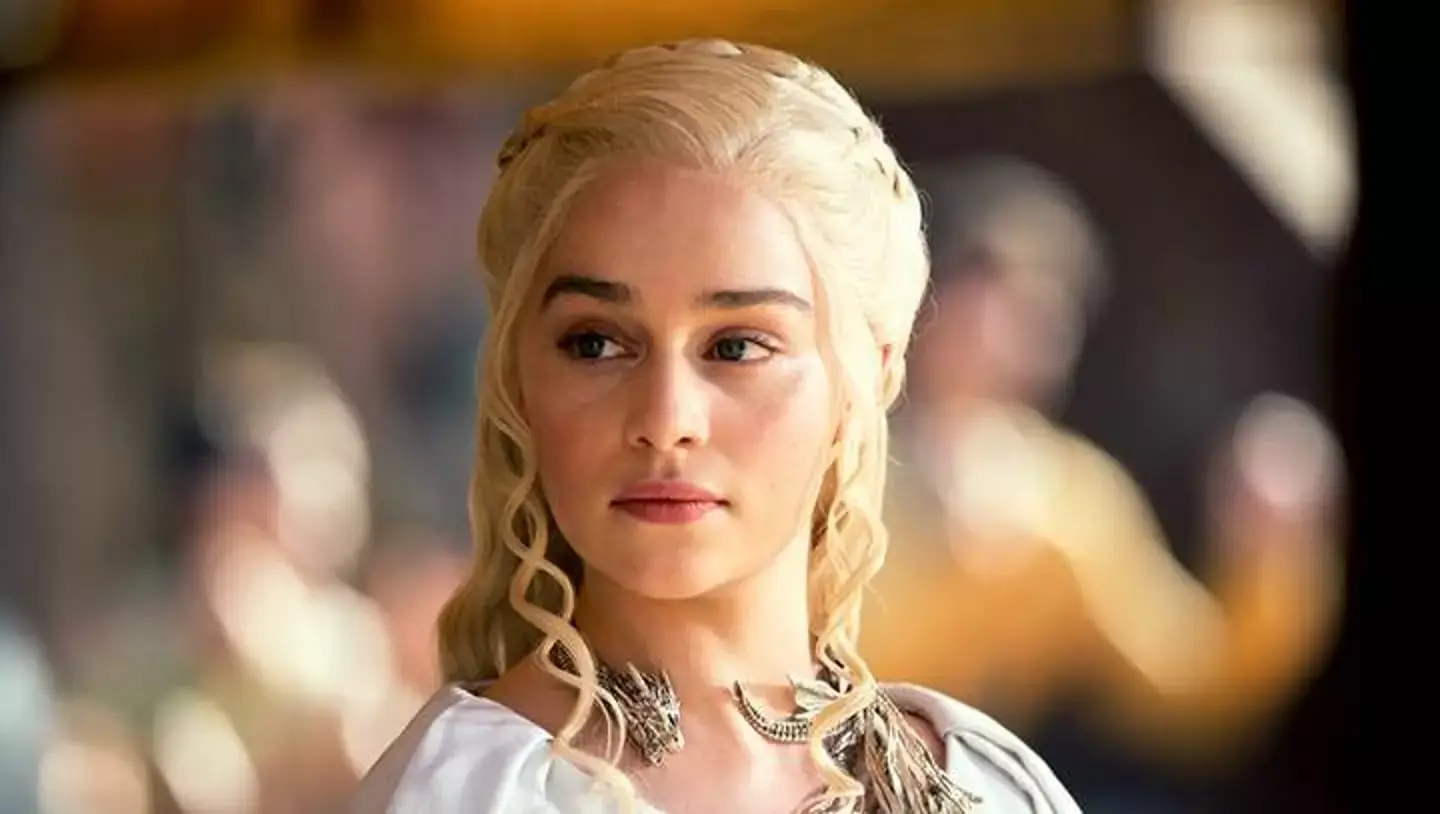
The actress celebrated her 40th birthday on October 23, more than a decade after her first aneurysm and nearly a decade after her second — milestones that underscore how far she has outpaced medical expectations.
Clarke continues to speak openly about her journey, using her platform to destigmatize brain injury and highlight the gaps in recovery support. Her charity work and candid interviews have made her one of the most visible survivors in a field where many never return to public life.
Clarke is next set to appear in the upcoming spy thriller series ‘Ponies’ for Apple TV+.