


A Long Island father has pleaded not guilty to felony charges after police say he used a Taser on his autistic teenage son during a domestic dispute.
Jin Chang, 52, of Plainview, was arraigned Wednesday with bail set at $50,000 cash, $125,000 bond, or $250,000 partially secured bond, according to Nassau County authorities. The arrest came the same evening that school officials first raised alarms about the boy’s condition.
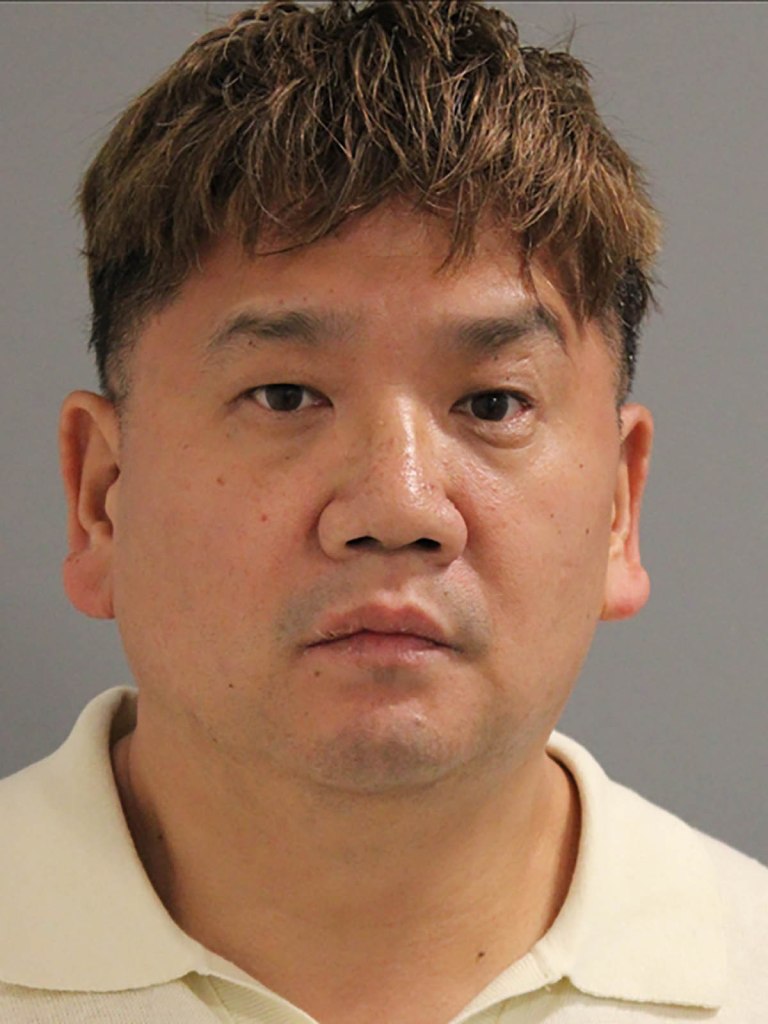
The case began to unfold when the principal of a Plainview middle school contacted police this week after noticing apparent injuries on Chang’s 14-year-old child. The school official reported scratches and bruising marks on the boy’s stomach and neck, prompting an immediate law enforcement response.
Officers determined that Chang had caused the injuries to his son on Monday during what police described as a domestic dispute that escalated beyond control. The specific nature of the emotional outburst that preceded the incident has not been disclosed by authorities.
“Chang used a taser to inflict the injuries to his son in an attempt to control him during an emotional outburst,” Nassau County police said in their official statement. The weapon used in the alleged assault was subsequently confiscated by investigators.
Chang faces three charges: felony assault, criminal possession of a weapon, and endangering the welfare of a child. The combination of charges reflects both the alleged violence against the minor and the unlawful use of the Taser itself.
The timeline moved rapidly from the Monday incident to Chang’s arrest that same evening, following the school’s report. By Wednesday, he had already been brought before a judge to enter his plea.
The case highlights the intersection of disability, family crisis, and school reporting obligations. Middle school personnel are mandated reporters in New York State, required by law to notify authorities when they observe signs of possible child abuse or neglect. The principal’s prompt action triggered the police investigation that led to Chang’s arrest within hours.
Autism advocates have long raised concerns about the vulnerability of neurodivergent children during emotional dysregulation episodes, when standard calming techniques may fail and caregivers can become overwhelmed. The use of electroshock weapons against minors remains heavily restricted or prohibited in many jurisdictions, and their deployment against a child with autism during a meltdown represents an extreme departure from recommended de-escalation practices.
The 14-year-old’s current status and whether he has been placed in protective custody or remains with family members has not been disclosed. The extent of his physical injuries beyond the visible scratches and bruising also remains unclear.
Chang’s not guilty plea sets the stage for further court proceedings in Nassau County. The case will test whether prosecutors can establish that the father’s use of the Taser constituted felony assault under New York law rather than a misguided attempt at discipline.