

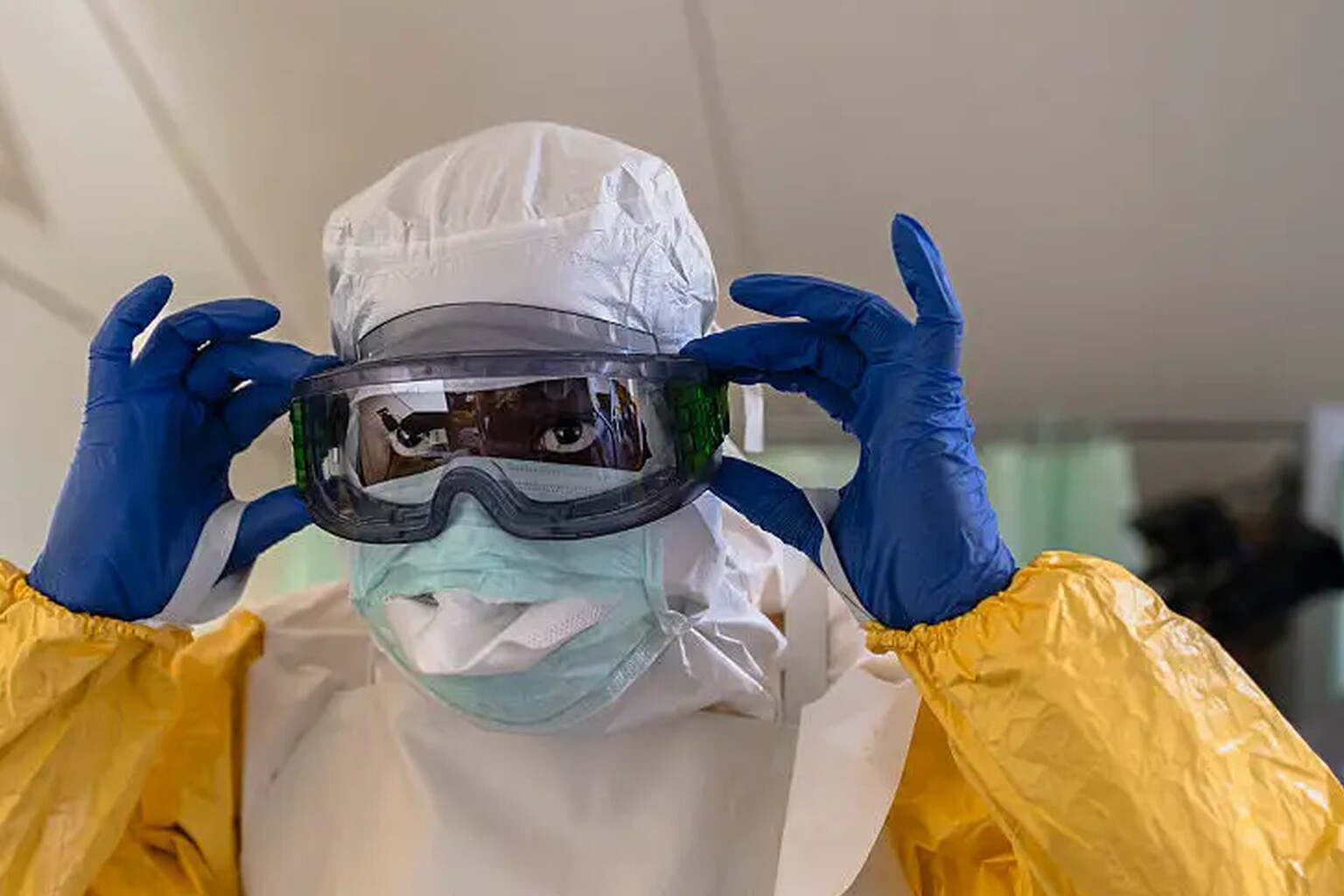
A major Ebola outbreak in Africa could reach the United Kingdom, though UK-based experts are pushing back against comparisons to the Covid-19 pandemic.
The outbreak in the Democratic Republic of the Congo has now hit 10,000 confirmed cases, with government data showing nearly half of the 10,060 infected have died, according to the DRC’s health ministry. The outbreak, declared in May, is caused by the rare Bundibugyo virus, for which no approved vaccine or treatment exists.
Jean Kaseya, director general of the Africa Centres for Disease Control, has drawn parallels to the early days of Covid and warned that global preparedness remains inadequate.
“We want all countries to know that they are not safe if they don’t take appropriate measures,” he said.
“Each country, not only in the African region, but all continents, must now increase the preparedness level and the possibility for treatment.”
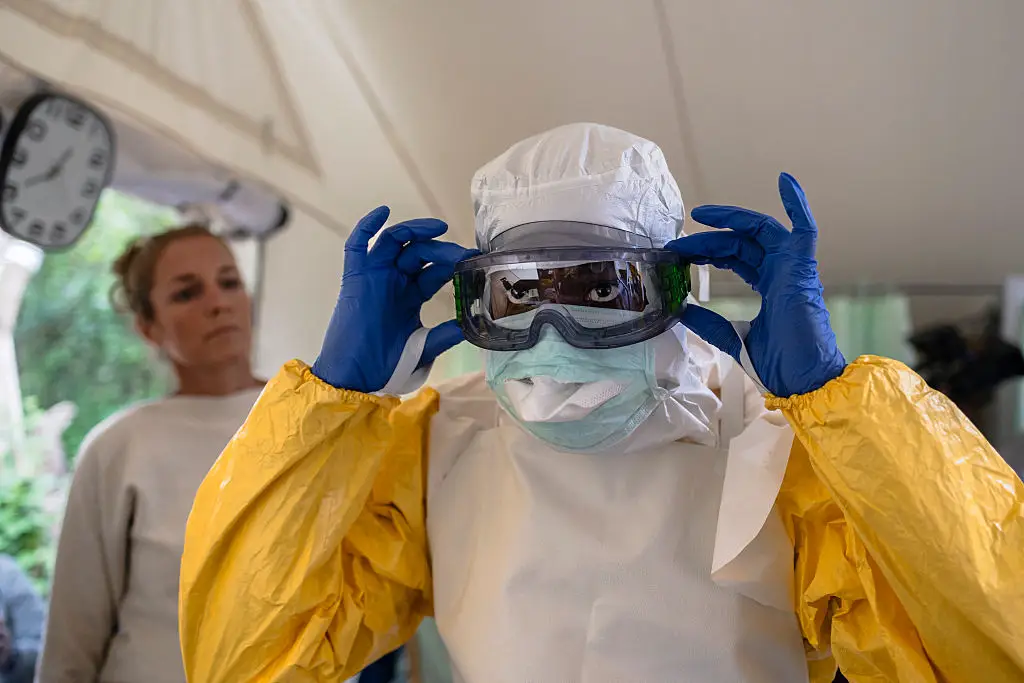
Kaseya continued: “It is the first time three African regions have been affected [by Ebola]. The geographic extension of this outbreak is unprecedented.”
“We shouldn’t forget that at the beginning of Covid, many countries said there was zero risk of being affected, but a few months later, they became the hotspot,” he added. “We don’t want to see the UK and other countries become the hotspot.”
The virus has already spread beyond the DRC’s borders. Kenya recorded two deaths in recent weeks, and Nigeria has also confirmed cases. The outbreak has been detected in five countries total, including Uganda and France, though neither currently has active cases. The United States has tightened travel restrictions, now requiring US-bound air travellers to attest they have not been in the DRC in the preceding 21 days.

At the epicentre in Ituri province, Sephora Bgosi with the Ebola burial team described persistent local resistance.
“Some people still don’t seem to understand the seriousness of the situation even though they are directly exposed to the risk,” she said. “Ebola disease is extremely dangerous and can be deadly.”
Response teams on the ground face armed conflict, poor roads, and violence from residents fuelled by mistrust and misinformation.
Dr Simon Clarke, Associate Professor in Cellular Microbiology and Public Engagement in Science at the University of Reading, acknowledged the outbreak’s severity while challenging the Covid comparison.
“The Ebola outbreak in Africa is now the fastest-spreading epidemic on record,” he warned. “And there is no reason why the virus cannot find its way to the United Kingdom, as it has done before in 2014.”

Clarke noted that recent US travel restrictions highlight “the potential role international air travel could play in spreading the virus around the world.”
However, he continued: “Comparing Ebola with COVID-19 is misleading.”
“Ebola spreads less readily between people and requires direct contact with infected bodily fluids, such as blood, vomit, saliva, faeces or sweat,” Clarke explained. “Unlike COVID-19, it cannot be caught simply by being near an infected person.”
He added that people with Ebola become infectious only once symptoms appear, with transmission risk rising as illness worsens and peaking around death.
The UK Health Security Agency has assessed the risk to the UK public as low to negligible while monitoring the international outbreak. The UK has put in place what Clarke described as a “robust, multi-layered response built around early detection, containment and international mitigation.”
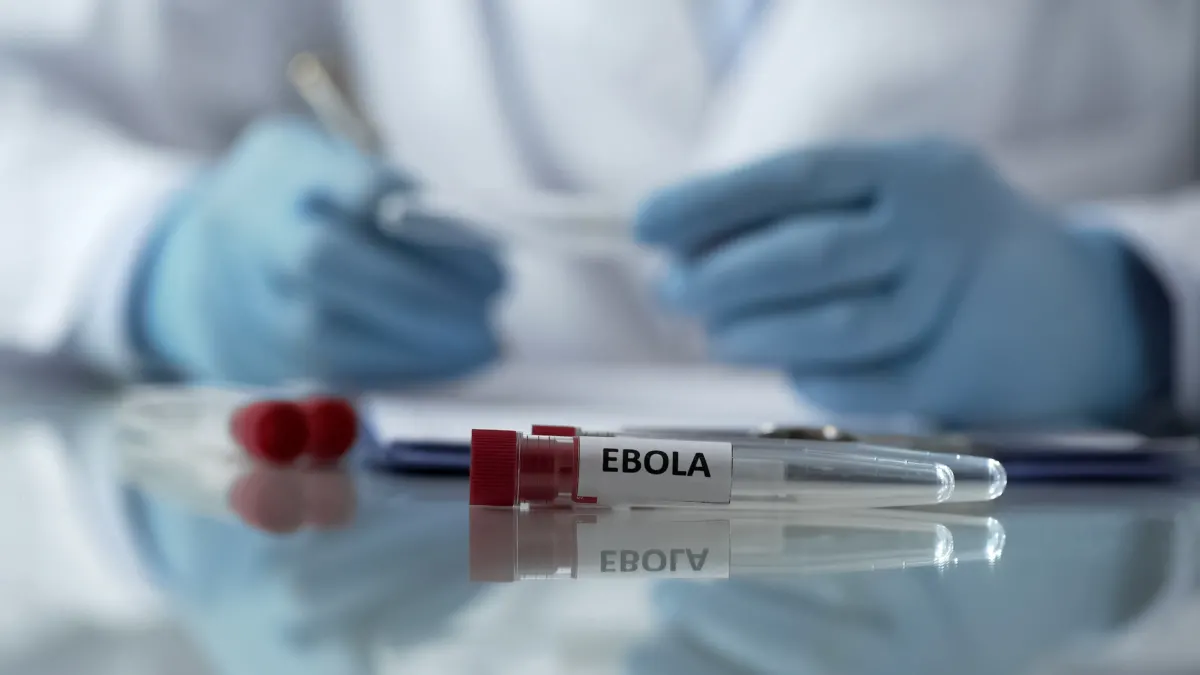
UKHSA containment measures for any suspected cases would include ‘no-touch’ isolation, transfer of confirmed patients in biocontainment pods to specialist negative-pressure hospital units, and intensive contact tracing over 21 days.
Clarke pointed to historical precedent for reassurance: since Ebola was first discovered in 1976, only four cases have ever been recorded in the UK, all safely contained with no deaths or community transmission.
“This is not something the British public should worry about,” he said.