

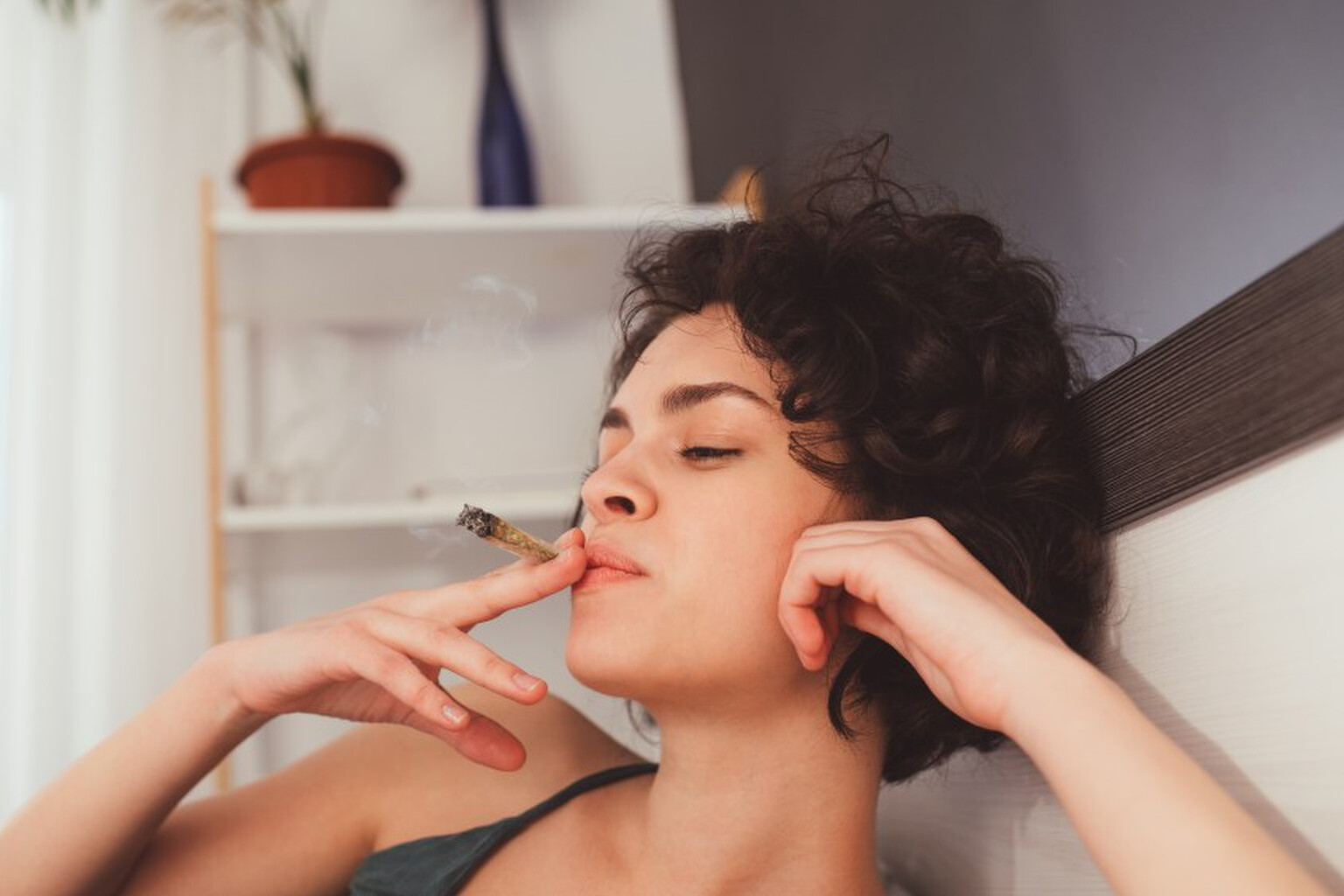
A landmark 35-year study has delivered a clear verdict against using cannabis as a sleep aid.
Dr. Thanh-Huyen T. Vu, the study’s author, put it bluntly in a statement: “This study challenges the common belief that cannabis helps people sleep better.” The research, conducted by Northwestern Medicine and published in October in JAMA Network Open, tracked participants from 1985 and 1986, when they were 18 to 30 years old, all the way through 2022. Over that span, subjects underwent nine follow-up exams.
More than 23 million American adults currently turn to cannabis products — gummies, tinctures, drinks, or smoking — hoping for better rest. The study’s design captured two distinct measures of recreational use. Researchers calculated “cannabis years,” where 365 total days of use, not necessarily consecutive, counted as one year. They also tracked whether people had used within the last 30 days or were former or never-users.
For the sleep assessment, participants wore wrist-mounted trackers for seven days and kept sleep logs during that same week. The objective measurements revealed patterns that self-reporting completely missed.
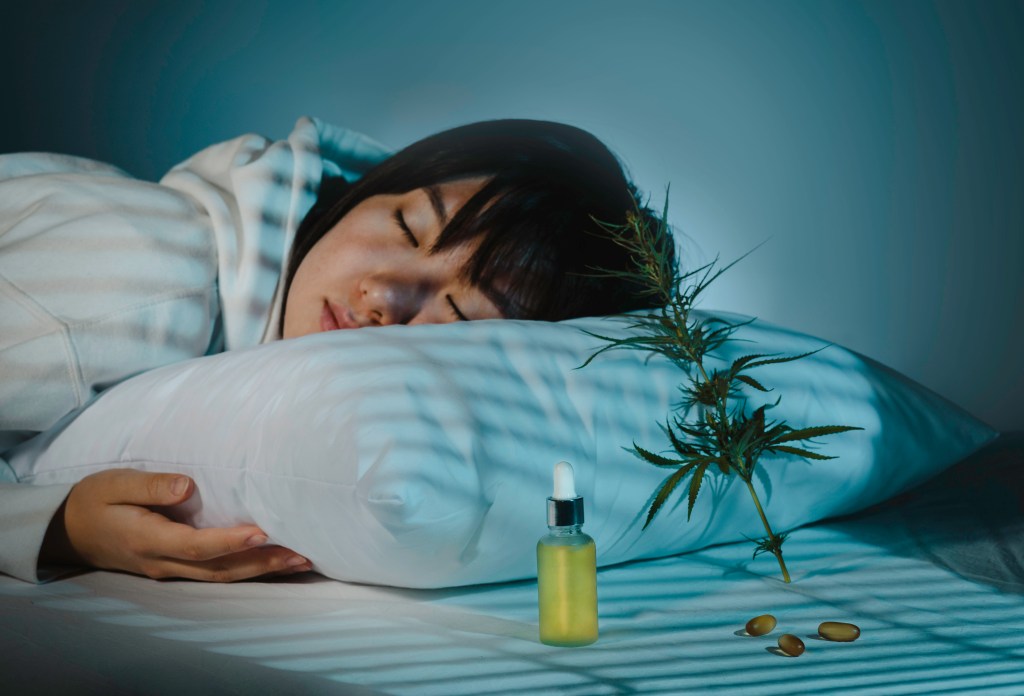
Each additional cannabis year of use carried significant consequences. Researchers found 10% higher odds of lower sleep percentage, meaning less than 85% of the sleep period was actually spent sleeping. Those same users faced 4% higher odds of fragmented sleep and 21% higher odds of more time spent awake after initially dozing off.
Recent use proved equally damaging. People who had used cannabis in the last 30 days showed higher odds of low sleep percentage and fragmented sleep compared with never-users. The numbers grew stark from there. Recent users had 3.23 times the odds of spending an unusually long time awake after falling asleep. They also had 4.60 times the odds of sleeping longer than optimal.
The findings carried an unexpected twist. When participants rated their own sleep quality, cannabis use showed no association with better or worse rest. The harm only appeared through objective tracking.
Mercedes R. Carnethon, another study author, addressed this gap in a statement: “Our data do not support the belief that cannabis is helpful as a sleep aid,” She added that “as cannabis becomes increasingly available and accepted, it’s important to better understand its long-term associations with health behaviors such as sleep.”
The research did face limitations. Investigators did not record how participants took the drug, its potency, or how close to bedtime they used it — gaps the authors acknowledged in their published findings.
Dr. Samir Fahmy, director of the Sleep Disorder Center at NYC Health + Hospitals/Kings County, offered alternative guidance for those seeking better rest without cannabis. His recommendations focused on establishing good habits early in the morning rather than reaching for substances at night.
The study arrives amid expanding legal access to cannabis products across American markets, with consumers frequently marketing and selecting strains specifically for sleep benefits. The Northwestern findings suggest those choices may backfire over both the short and long term.
Northwestern Medicine has scheduled continued analysis of the CARDIA study cohort for ongoing health behavior research.