

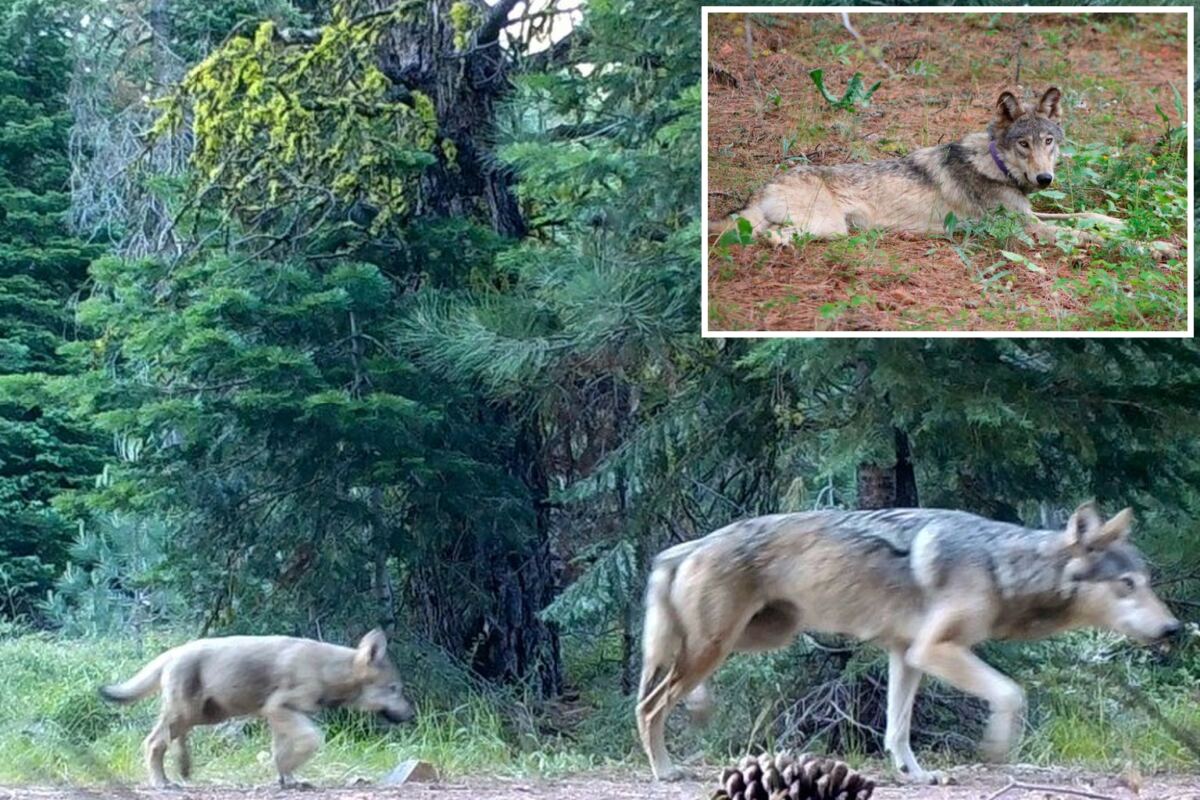
California wildlife officials are downplaying concerns after new data showed nearly a quarter of the state’s wolves were born to sibling pairs.
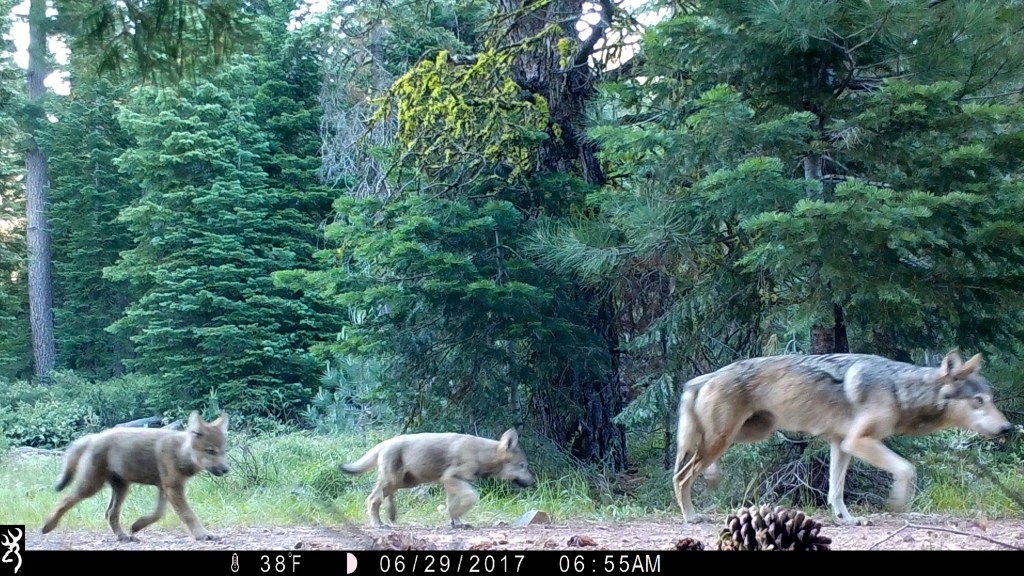
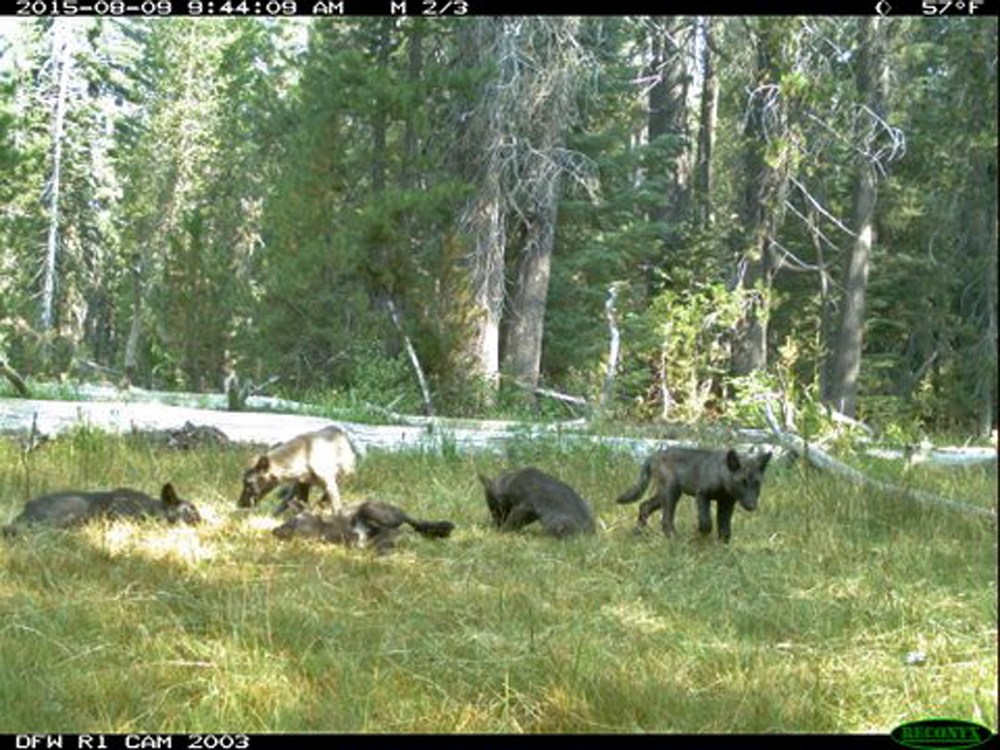
The California Wolf Watch, a monitoring group tracking the resurgent predator population, confirmed that two packs in Northern California have produced inbred litters during 2026. The disclosures center on the Whaleback Pack, whose offspring have now formed splinter groups where brothers and sisters are mating.
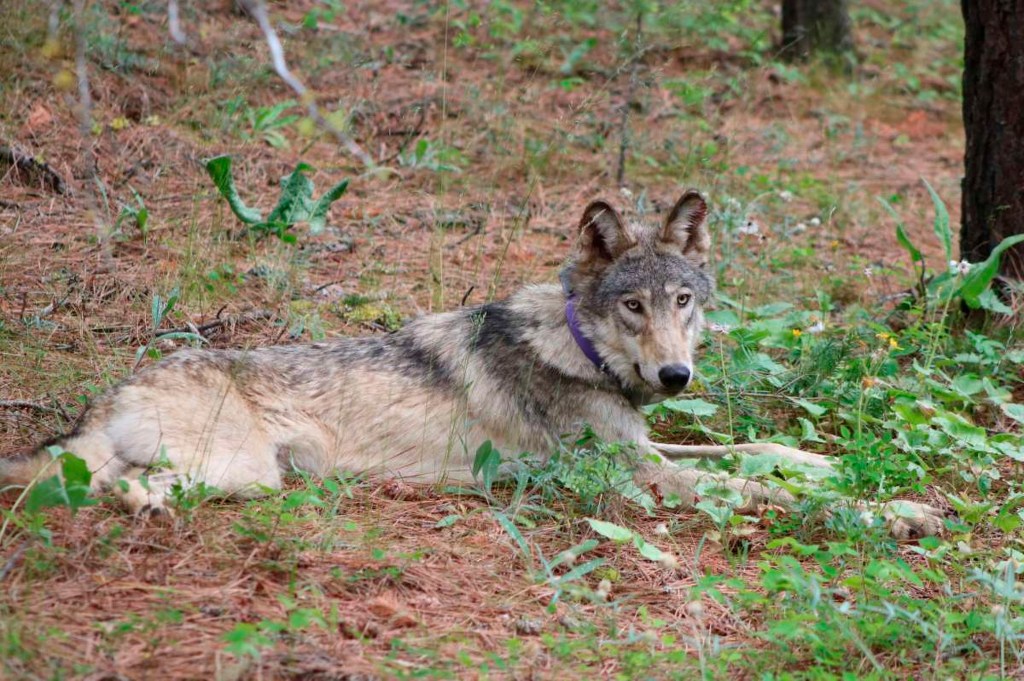
Female wolf WHA29F, designated CA124, is a 2024-born gray wolf from the Whaleback Pack who produced five pups with male wolf WHA07M, designated CA051, a black male born in 2021 to the same Whaleback Pack. The California Wolf Watch identified their union as the first confirmed instance of inbreeding in California this year, establishing what became known as the Ashpan Pack.
“The first confirmed pack identified with inbreeding in California in 2026 was the Ashpan Pack,” the California Wolf Watch stated in its report. “Female wolf WHA29F, also known as CA124, a gray wolf born in 2024 to the Whaleback Pack, produced 5 pups with male wolf WHA07M, also known as CA051, a black male wolf born in 2021 to the Whaleback Pack.”
The group identified a second case in the Ice Cave Pack, also traced to Whaleback lineage.
State records maintained by the California Department of Fish and Wildlife under its “California’s Known Wolves” database corroborate the pattern. CDFW findings document inbreeding activities involving the Beyem Seyo and Ashcan packs as well.
Axel Hunnicutt, the CDFW’s gray wolf expert, told KTLA 5 that the phenomenon does not threaten the broader population’s survival. “At this point, I would not characterize inbreeding as an immediate threat to the viability of California’s wolf population,” she said.
Hunnicutt emphasized that outside genetic material continues to enter the state. “California wolves remain connected to the larger western wolf population, and wolves continue to disperse into California from Oregon and breed with animals representing different genetic lineages,” she continued. “We continue to document that gene flow annually.”
Biologists note that while inbreeding among established wolf populations is rare, the behavior becomes more frequent in small, isolated groups where mate selection is limited.
The pattern has appeared in other species pushed to the brink. Cheetahs experienced severe genetic bottlenecks after population collapses, forcing them into similar reproductive straits. “Cheetahs (Acinonyx jubatus) have faced extinction at least two times in the past after their populations were reduced, leading to inbreeding,” National Geographic reported in its coverage of the species’ genetic history.
California’s wolves represent one of the most closely watched wildlife recovery stories in the American West, with animals crossing from Oregon beginning in the early 2010s after decades of extirpation from the state.