

Starting Monday, every international traveler bound for the United States must sign a new federal attestation form swearing they have not set foot in the Democratic Republic of the Congo within the previous three weeks.
The requirement, issued by the Centers for Disease Control and Prevention, carries teeth for anyone tempted to fib: willfully false statements can trigger criminal fines and prison time.
The mandate takes effect at 11:59 p.m. Eastern Standard Time on November 3, the CDC confirmed on its website. The agency is targeting the ongoing Ebola outbreak in the DRC, where the death toll crossed a grim threshold last month.
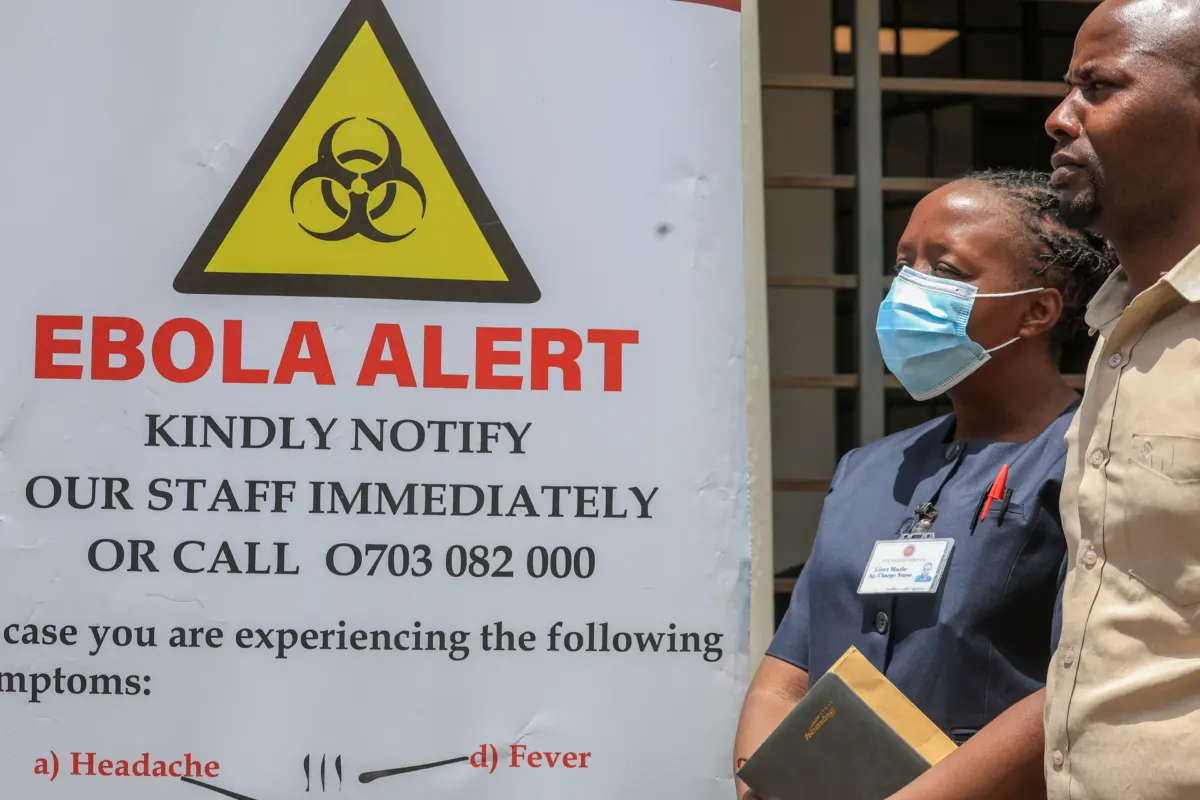
Data from the DR Congolese ministry of health showed the disease had killed 5,026 people out of 10,351 infected as of October 31, yielding a nearly 50 percent lethality rate. The latest outbreak, caused by the Bundibugyo virus, was declared in mid-May and has caught authorities off guard as they struggle to contain its relentless spread.
The CDC spelled out exactly what counts as presence in the DRC. “This includes entering or traveling through DRC by air, land, or sea,” the agency wrote on its website. “Connecting through an airport in DRC also counts as being present in the country, even if the person did not leave the airport or the plane.”
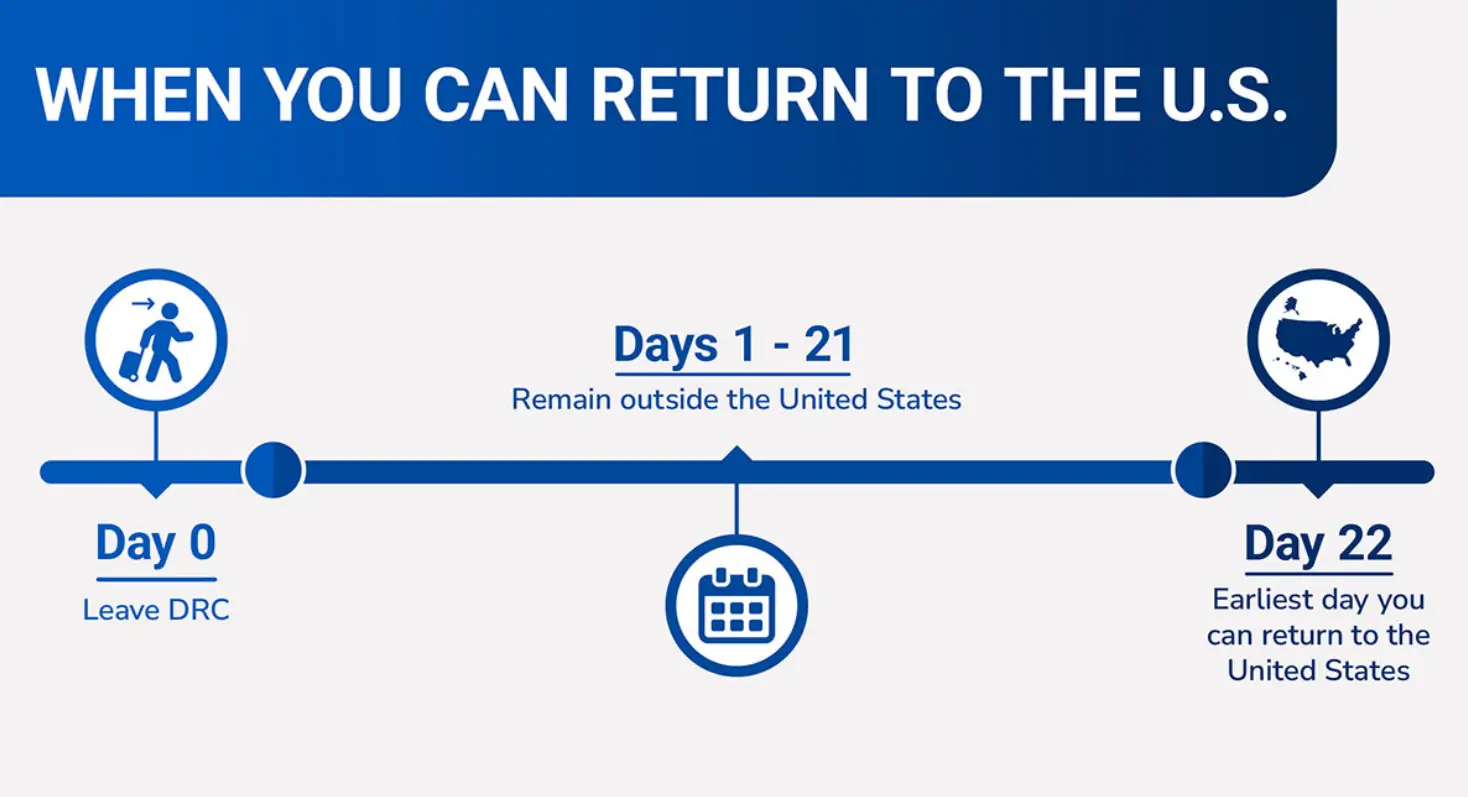
The 21-day clock starts with a twist. Day 0 marks the day somebody leaves the DRC, while day 1 is what the CDC calls “the first full calendar day they are outside DRC.” Travelers become eligible for U.S.-bound flights only on day 22, assuming they clear all other entry requirements.
Airlines and aircraft operators face their own compliance burden. They must verify that every passenger has completed the attestation before boarding and bar anyone who refuses, unless that traveler holds an exemption issued by the U.S. Government.
Carriers must also hang onto documentation longer than many might expect. The CDC requires airlines to retain each passenger’s signed attestation for a minimum of 42 days after the flight touches down in America.
The federal health agency framed the measure as a firewall against importing a disease that has devastated central Africa. The Bundibugyo strain, less famous than the Zaire ebolavirus that fueled the 2014-2016 West Africa catastrophe, still kills roughly half of those it infects.
International health officials have watched the DRC outbreak with growing alarm since May. Multiple previous Ebola emergencies in the country, including one that killed more than 2,200 people between 2018 and 2020, established the region as a persistent hotspot.
The new travel form represents a rare instance of the CDC deploying mandatory passenger attestations with criminal penalties attached. During the COVID-19 pandemic, the agency required proof of vaccination and negative tests but generally relied on civil enforcement rather than threat of imprisonment for individual travelers.
The CDC’s warning leaves little room for misunderstanding about consequences. “An attestation is a statement that confirms that the information provided is true,” the agency wrote. “Willfully providing false or misleading information may lead to criminal fines and imprisonment.”
Travel industry groups have not publicly pushed back against the requirement ahead of its Monday launch. The form adds one more layer to an already complex post-pandemic international travel environment, where passengers navigate varying visa rules, health documentation, and security screenings across different destination countries.
The DRC outbreak has now persisted for nearly six months with no clear end in sight, suggesting the attestation requirement could remain in place well into 2027 depending on transmission trends.