

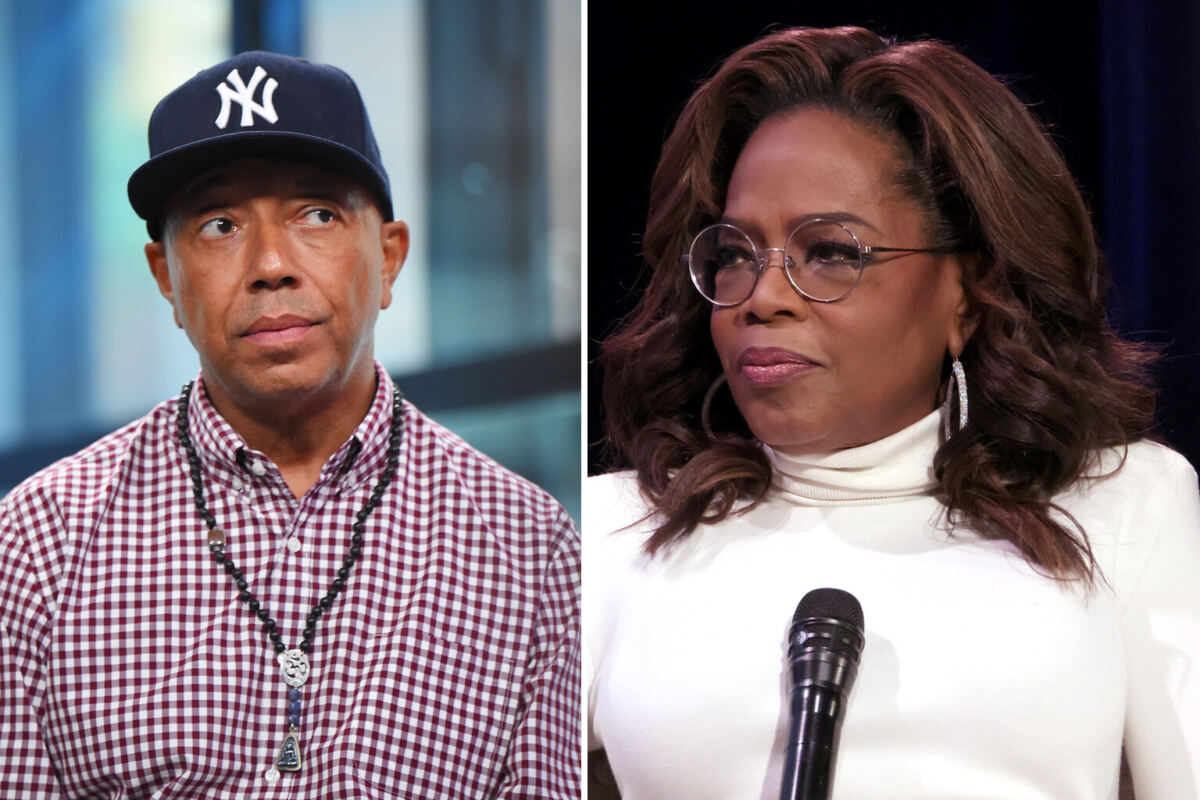
Oprah Winfrey’s 2020 withdrawal from a documentary about Russell Simmons sexual assault allegations may have been driven by gossip about an accuser’s motives rather than the factual “inconsistencies” she publicly cited, newly filed court papers indicate.
Winfrey, 70, abruptly exited “On The Record” as an executive producer just weeks before its scheduled January 2020 premiere at the Sundance Film Festival. The daytime television icon had issued an ultimatum to filmmakers: pull the Apple documentary from the Utah festival or lose her name from the project entirely.
In her public statement at the time, Winfrey wrote, “I unequivocally believe and support the women,” adding that their stories “deserve to be told and heard.”
She continued, “In my opinion, there is more work to be done on the film to illuminate the full scope of what the victims endured and it has become clear that the filmmakers and I are not aligned in that creative vision.”
Winfrey later expanded on her reasoning during a “CBS This Morning” appearance. “I just care about getting it right, and I think there are some inconsistencies in the stories that we need to look at,” she said.

The new perspective on her departure emerged Friday through court filings by attorneys for Drew Dixon, a former Def Jam executive who in 2017 accused Simmons of raping her in 1995. Simmons has strenuously denied her allegation. Dixon’s legal team submitted the papers in connection with a lawsuit Simmons brought against Warner Brothers Discovery, which ultimately aired the film on HBO.
The filings included a letter from the filmmakers to Winfrey that appears to address doubts about Dixon raised with the media mogul by an unnamed “friend.” Based on the filmmakers’ response, Winfrey had relayed concerns that Dixon had been in a romantic relationship with Simmons at the time of the alleged assault — a claim Dixon has denied — and that she was motivated by a desire for fame and financial gain.
The filmmakers systematically refuted those assertions in their letter. They also pushed back on the underlying premise, writing, “How does any of the above lead one to conclude Drew wasn’t raped? Fame-seekers, as well as prostitutes and gold diggers, can be raped. And persons in consensual relationships can be raped.”
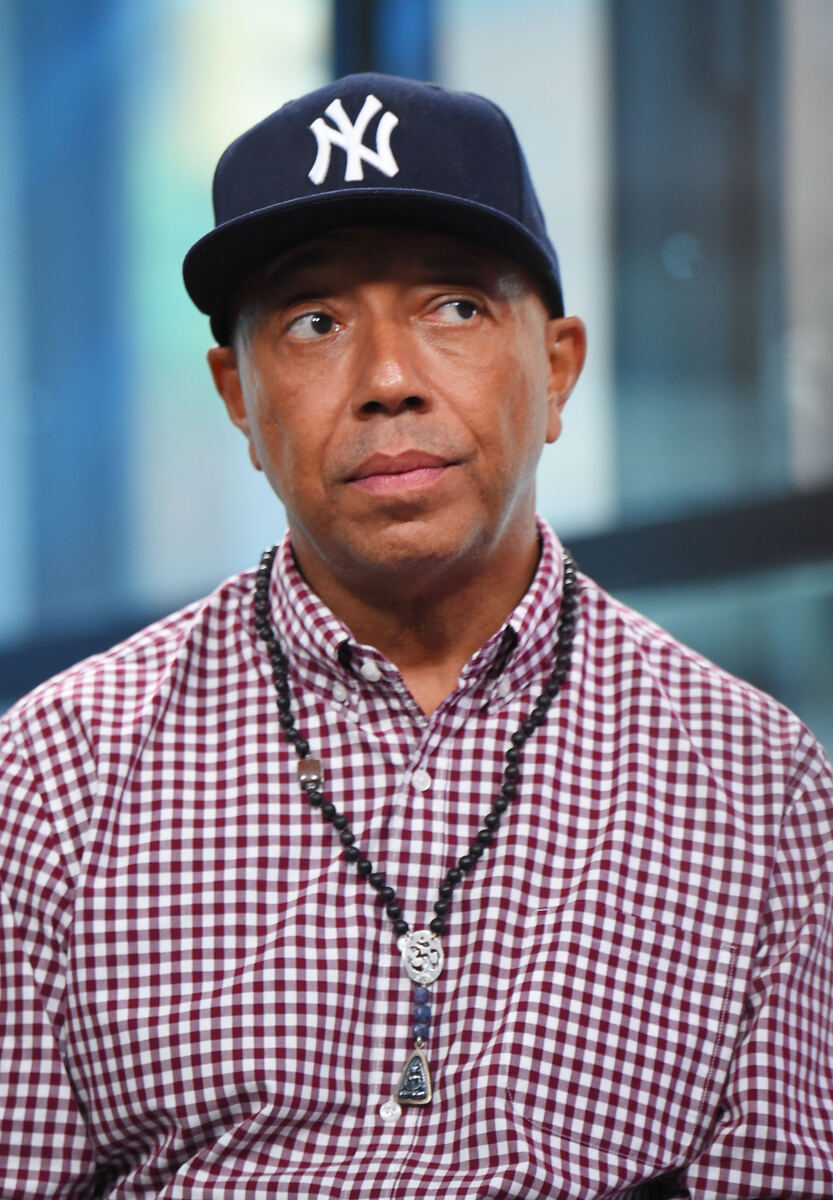
Simmons, who resigned from Def Jam in 2017, has faced accusations of rape, attempted rape and other sexual misconduct from a total of 12 women. He has not been criminally charged and has denied all wrongdoing.
Dixon has separately sued Simmons for defamation after he claimed in an interview that she was lying about the alleged rape. She has also filed suit against music mogul L.A. Reid for alleged sexual assault.

The documentary at the center of the dispute, “On The Record,” ultimately premiered at Sundance without Winfrey’s involvement and later found a home on HBO through Warner Brothers Discovery. The film featured multiple women who came forward with allegations against the hip-hop pioneer, examining both their individual accounts and the broader cultural forces that shaped their decisions to speak out.
Winfrey’s departure had immediately cast doubt on the women’s credibility in public discourse, with her stature as one of America’s most trusted voices amplifying the impact of her stated concerns about “inconsistencies.” The filmmakers’ letter now suggests those concerns may have originated not from their own reporting but from external whispers about Dixon’s personal history and character.

The court battle between Simmons and Warner Brothers Discovery continues to generate revelations about the behind-the-scenes dynamics that shaped one of the most consequential documentary withdrawals in recent memory.