

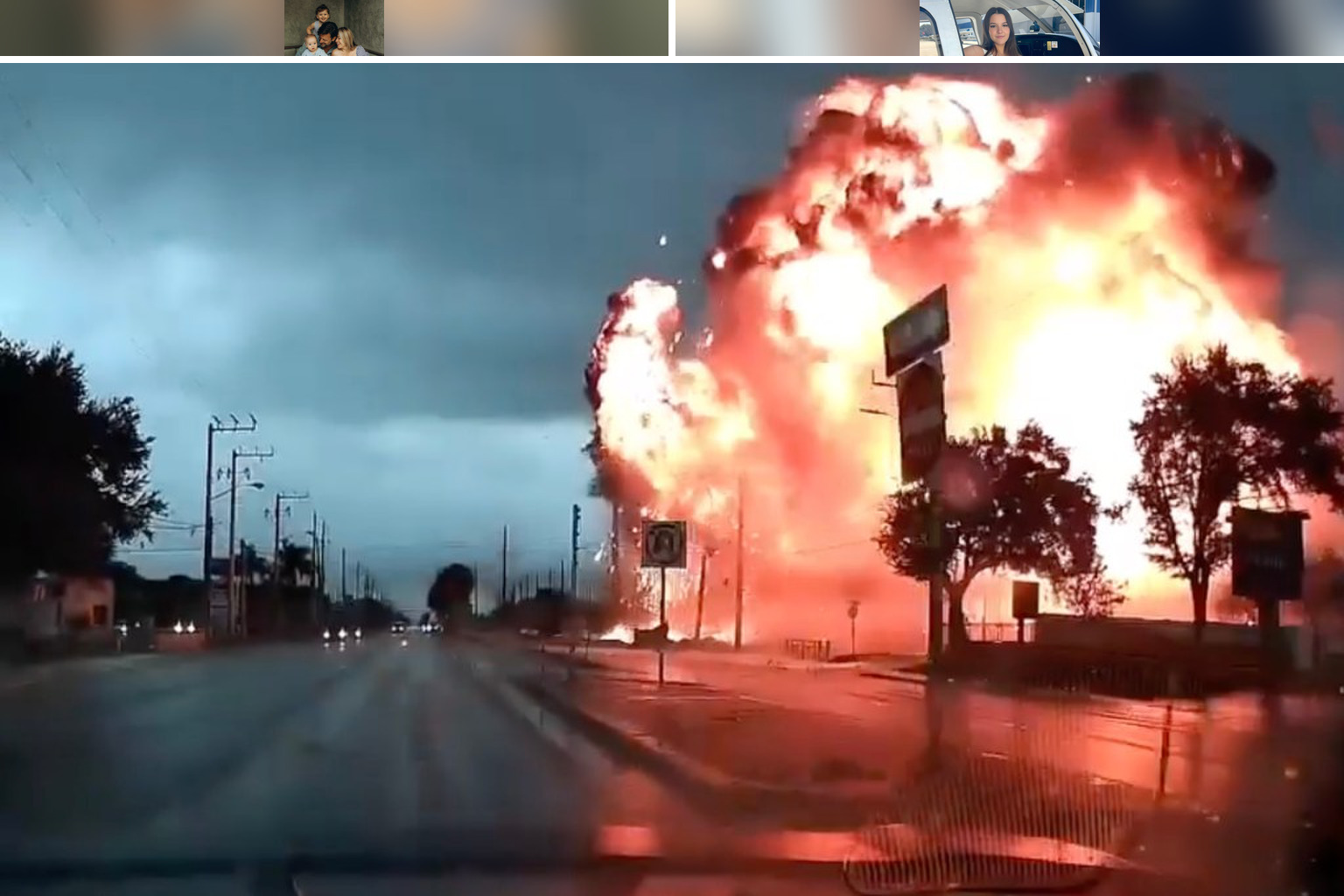
Aviation experts are pointing to pilot decisions in severe weather as the focus of the investigation into Sunday’s deadly Learjet crash in Florida.
The crash killed all nine people aboard when the $2 million aircraft, traveling from Texas to the Bahamas, plunged into a fireball near a Palm Beach County trailer park. Among the dead were 44-year-old tech entrepreneur Adam Robinson, his wife Helen, their children Emma, 4, and Charlie, 2, along with friends Rachael Reed and Charmi Fehr, nanny Anita Maria Apellido Cetina, and the two pilots.
Justin Crabbe, a veteran pilot and CEO of charter-flight platform Jettly, said the jet’s crew chose to fly directly through a dangerous storm system rather than navigate around it. The aircraft had been listed on Jettly’s platform.
“They certainly should have gone around [the storm],” Crabbe told The Post. “[Air-traffic control] gave them the flexibility to deviate around that weather.”

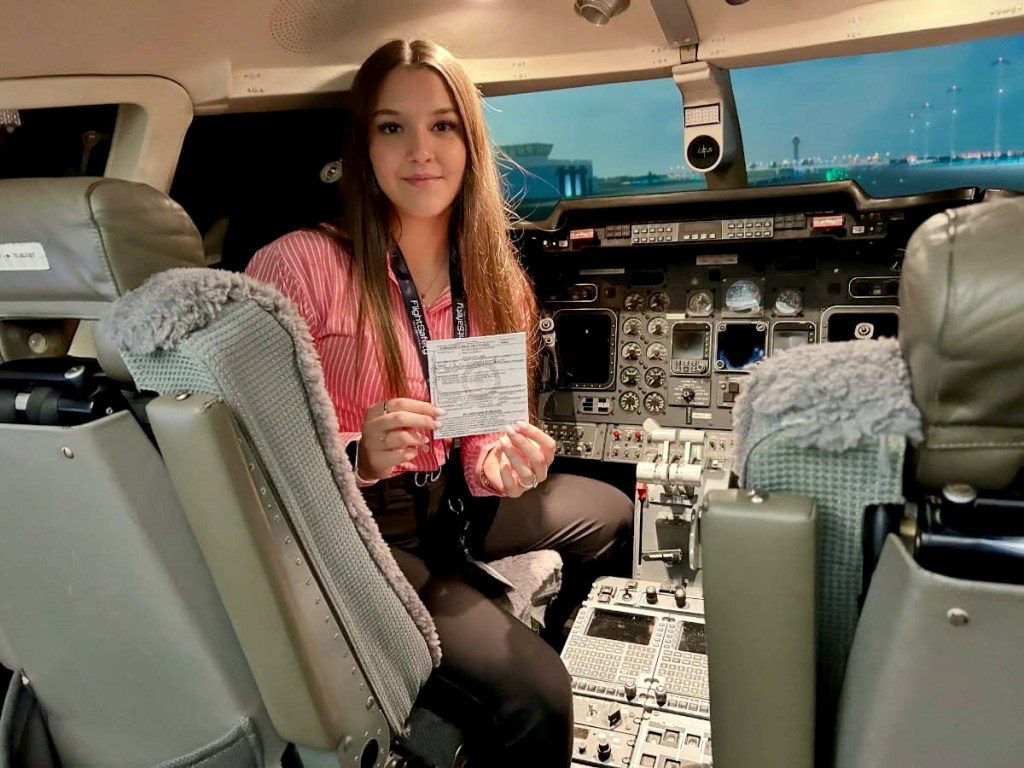
The co-pilot, 20-year-old Nathalia Filgueiras, had requested and received clearance to climb from 35,000 to 37,000 feet after reporting sub-zero temperatures and ice forming on the hull. Ice disrupts airflow over wings and reduces lift, forcing aircraft to work harder to stay aloft even with de-icing equipment engaged.
Crabbe suspects the pilots were driven by eagerness to reach their destination, a phenomenon flight schools warn against early in training.
“It’s a theory called ‘get-there-itis,’ and flight schools teach you this very early on,” he said. “It’s a risk factor. You have to sit back as a pilot and understand what is pushing you to do this trip, this maneuver, this journey in a way that may compromise the safety of the flight.”
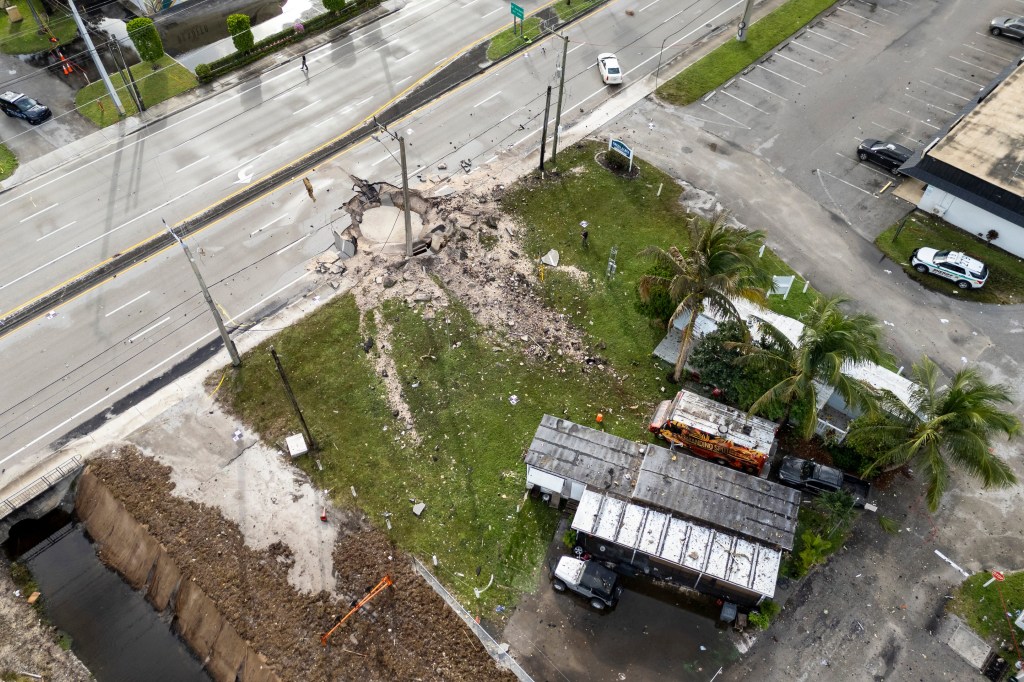
The decision to ascend may have proved fatal. When a plane’s nose rises, the angle of attack increases, and ice-covered wings stall at lower angles than normal. Crabbe said the pilots faced an impossible choice: climb and risk stalling, or descend deeper into the storm and face greater ice accumulation.
“They tried to ascend to get to clearer air, which may have been one of the contributing factors toward accelerating that stall,” he explained.
Even success might not have saved them. NOAA data showed the convective storm system reached nearly 50,000 feet, far above their target altitude.
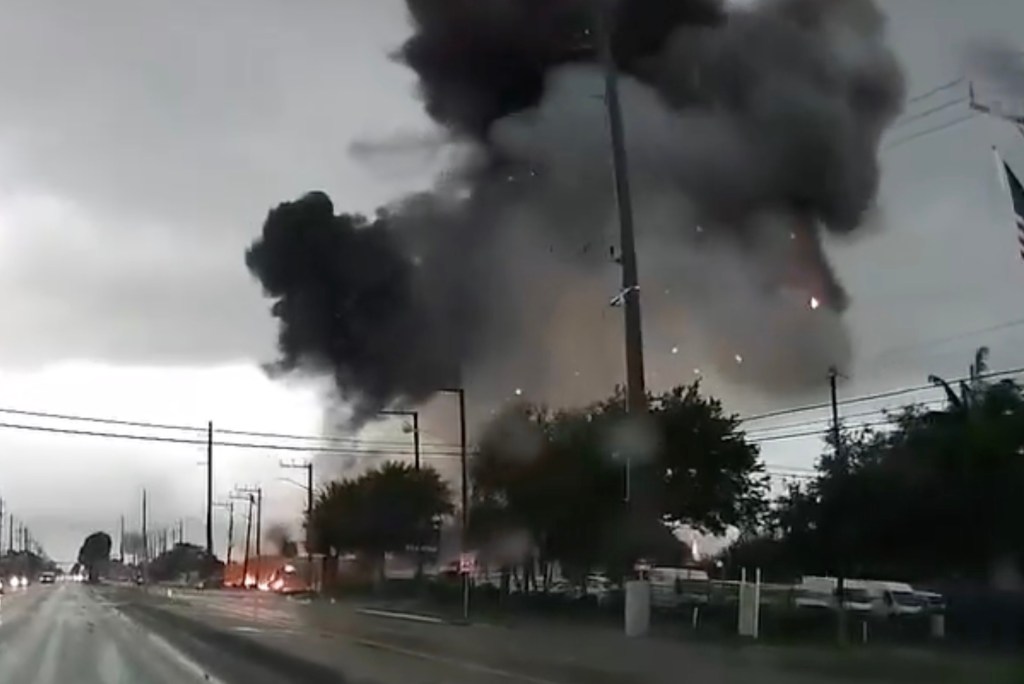
“This was kind of the perfect storm of trouble,” said aviation lawyer Zachary S. Gorwitz of Podhurst Orseck, a firm that investigates and litigates air crashes.

Gorwitz described the catastrophic combination of factors the crew encountered: “You had turbulence. You had icing. You had precipitation. And you had incredibly tall thunderstorms that seem to have formed very quickly.”
Once the stall began and the nose dove, recovery was likely impossible, especially given indications the aircraft started breaking apart before impact.
“At that point, I’m sure the pilot was trying to pull back on the controls and get the nose up, but I’m sure at that speed and that angle, it just wasn’t possible,” Gorwitz said.

He pushed back against speculation that Filgueiras’s youth and inexperience played a role, noting that her presence on the radio suggested the more experienced pilot was actually flying the aircraft.
“The fact that this 20 year co-pilot was the one on the radio suggests the pilot was at the controls,” he observed.
Crabbe acknowledged the immense pressure the cockpit crew faced in their final moments.
“It’s extremely easy to say this from the ground and from a position of safety,” he admitted.
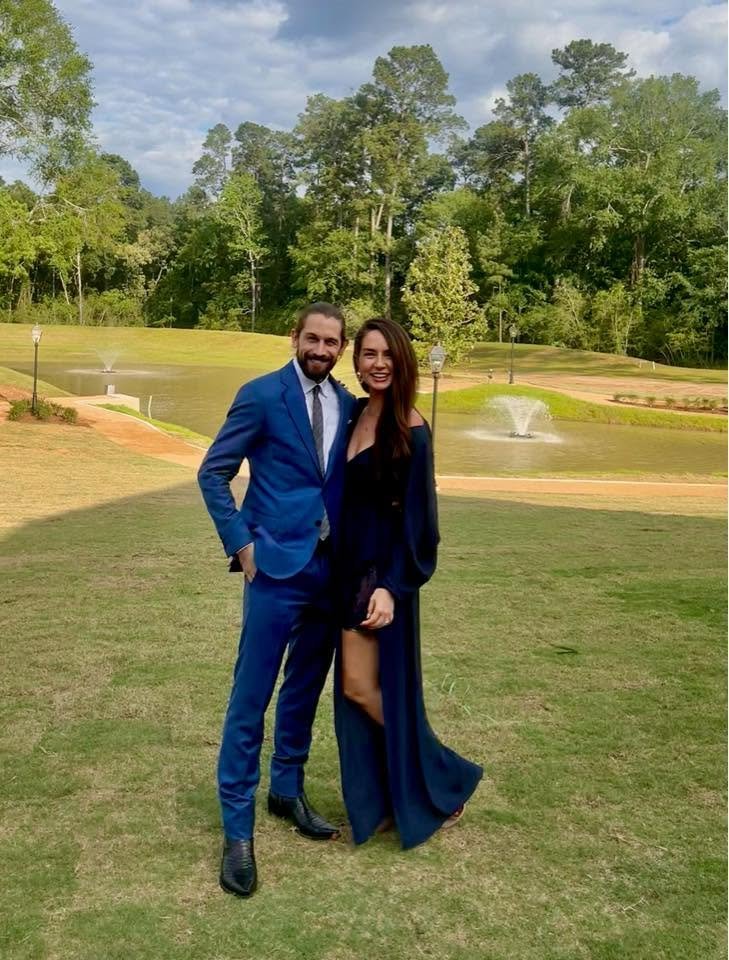
The Robinson family and their companions had been bound for the Bahamas when the Learjet 60 stalled between approximately 35,000 and 37,000 feet and began its fatal descent. The aircraft exploded on impact near residential property in Palm Beach County.

Authorities continue investigating the precise cause of the tragedy.