

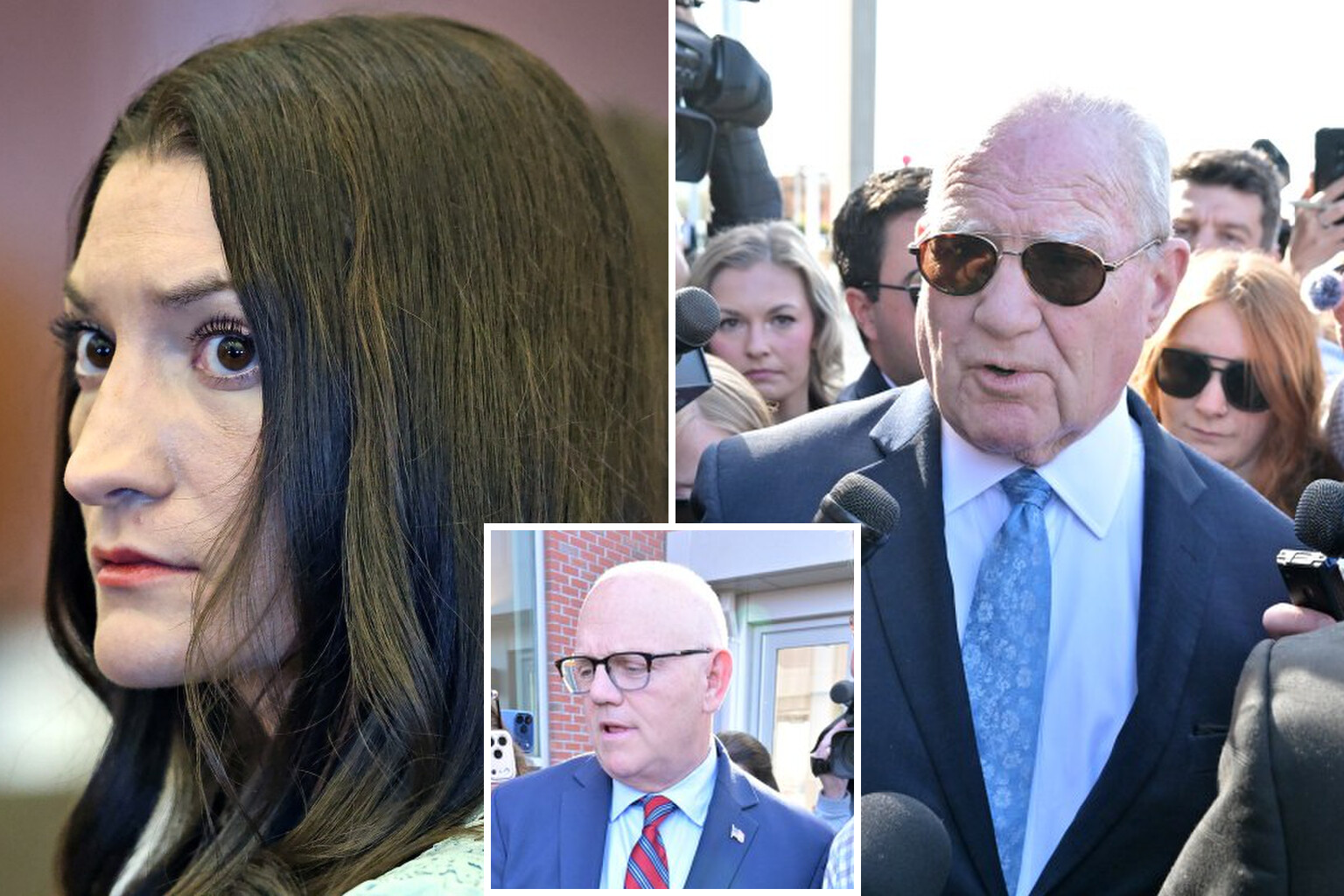
Kevin Reddington, the defense attorney for Lindsay Clancy, publicly blasted Plymouth County District Attorney Timothy Cruz on Monday for refusing to say whether he will retry the 36-year-old Duxbury mother on first-degree murder charges.
Reddington’s criticism came during a hearing where Cruz’s office remained silent on its next move after Clancy’s first trial ended in a mistrial on Sept. 4. The jury deadlocked after six days of deliberation, with 11 of 12 jurors later revealing they sided with Reddington’s insanity defense based on severe postpartum psychosis.
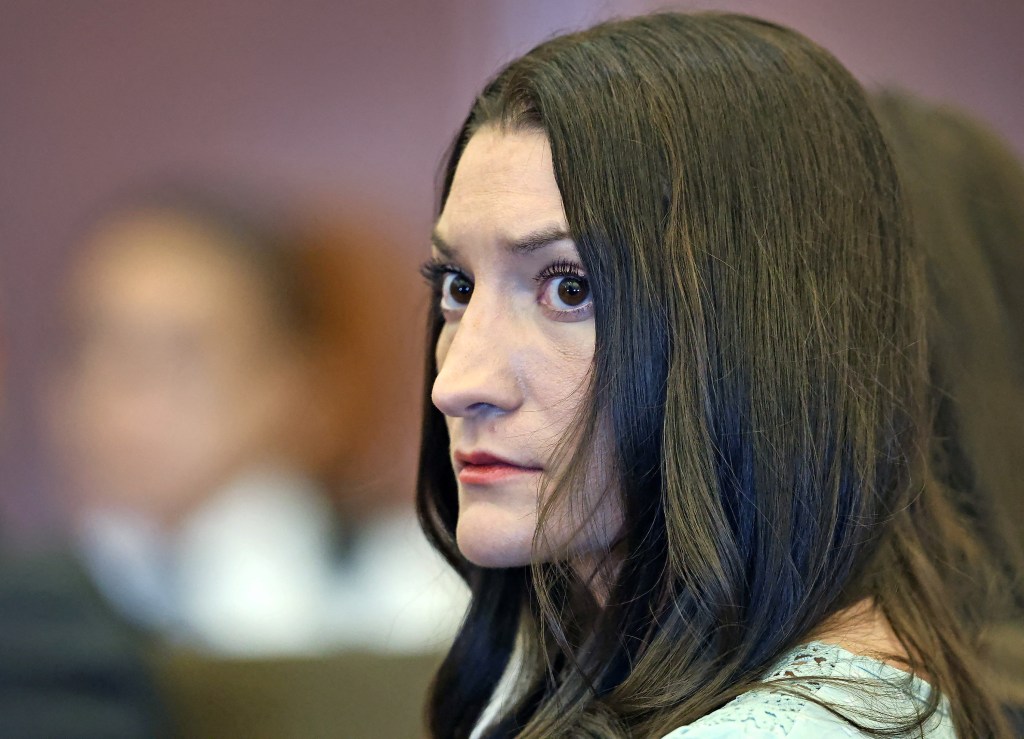
Legal experts say Cruz’s hesitation may stem partly from another case his office prosecuted: the conviction of Latarsha Sanders, which was overturned last summer because her mental health issues were excluded from trial despite her insanity defense. The same judge, William Sullivan, presided over both trials.
“Are they to be consistent? Will they need to also offer proceeding under murder two in the other case, or are they going to open a floodgate, and do they want to take a hard line?” veteran Boston attorney and former prosecutor Brad Bailey said.
Another veteran Commonwealth defense lawyer, Peter Elikann, agreed Cruz could be weighing the Sanders case.
“There’s a good chance that that would be one of the many things that they would take into consideration when making this decision,” Elikann said. “Because they might be concerned about having a consistent policy.”
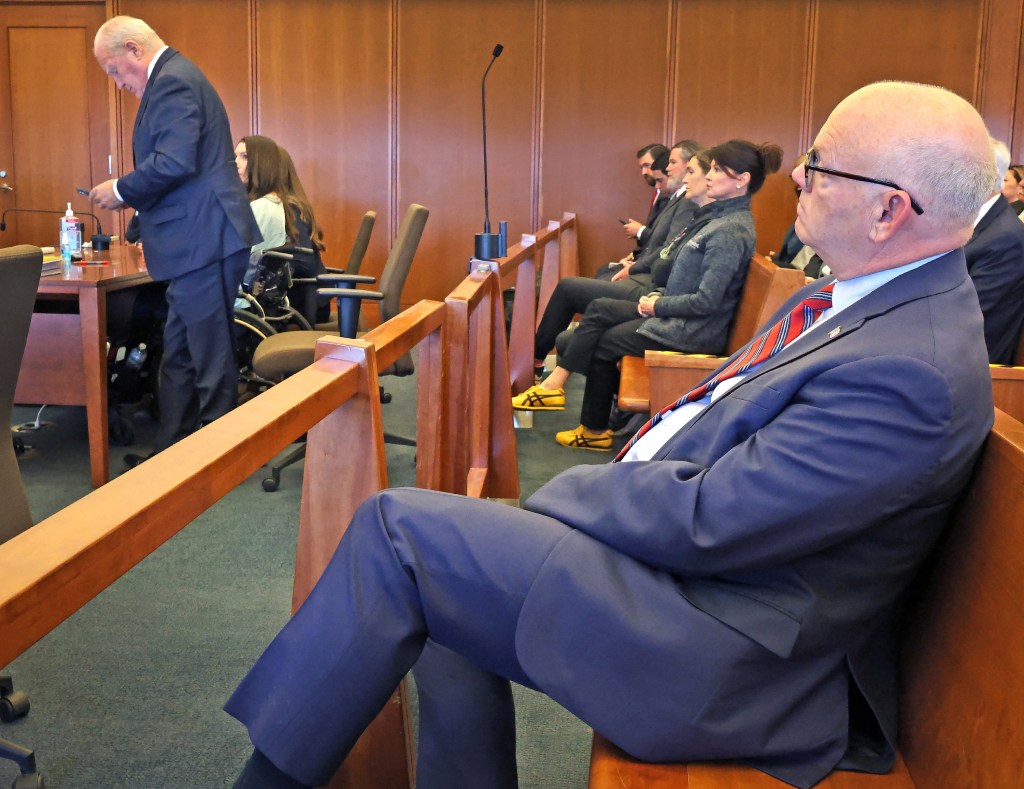
“But then again, every case is very different, with different sets of specific facts and the specific facts are so very important that it’s very hard to generalize about how you would handle cases with the same charges,” Elikann continued.
Reddington has urged Cruz to downgrade Clancy’s charges to second-degree murder, a move that could create complications in the Sanders case if Cruz seeks consistency.
Bailey suggested Cruz may also be using the delay to let his prosecutors “shore up” their case — “confirming your witnesses and make sure everything is ready to go if there’s a quicker than normal trial date.”
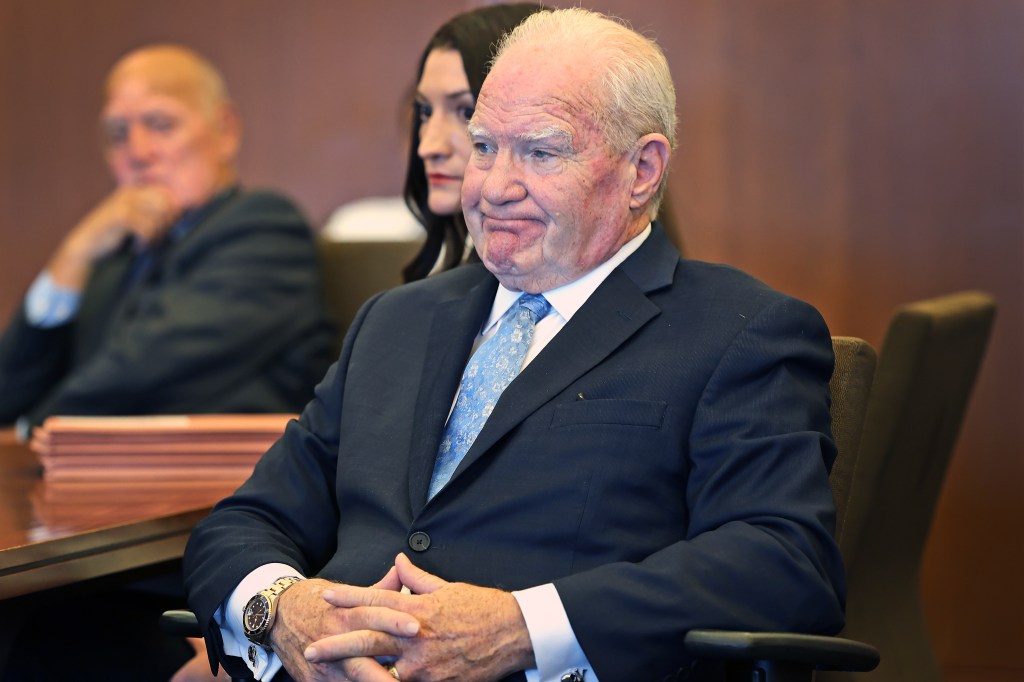
Political timing could play a role as well. Former federal prosecutor Sarah Krissoff noted that Cruz, who faced an unopposed reelection bid Tuesday, may have wanted to avoid announcing a decision before voters went to the polls.
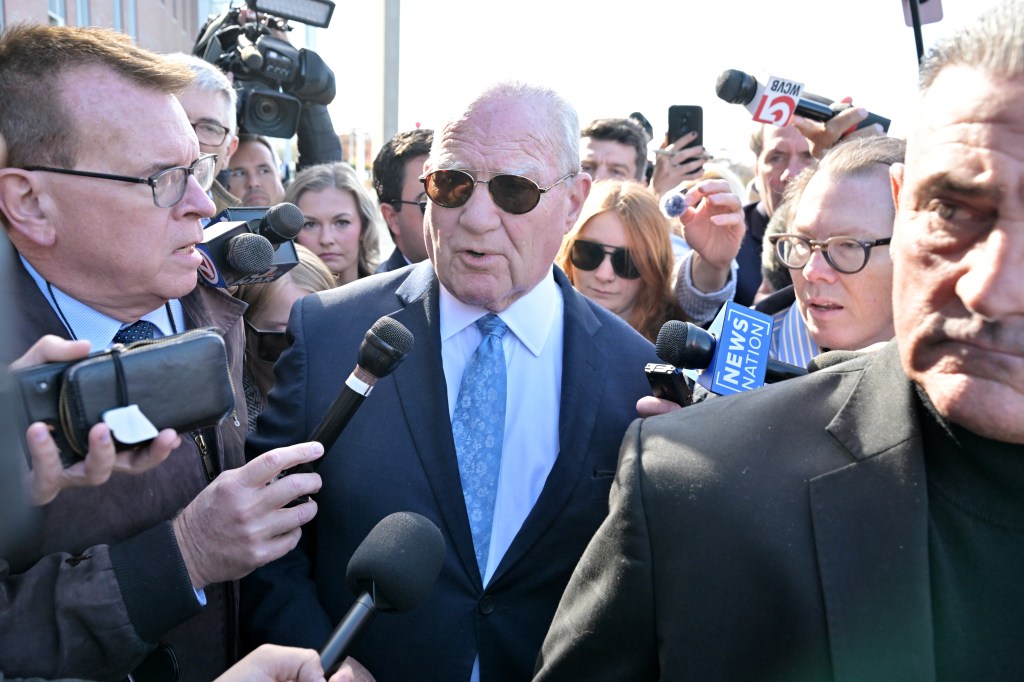
Clancy’s case “has people who are very vehemently committed to either side and DAs are political creatures. They are elected,” Krissoff said, adding Cruz may not want to “tie the election to this decision.”
Elikann pushed back on that theory.
“Cruz is very popular. He has been re-elected many times, and I really give him credit for having integrity that he would not let his decisions as a prosecutor be dictated by what might be politically popular,” Elikann said.
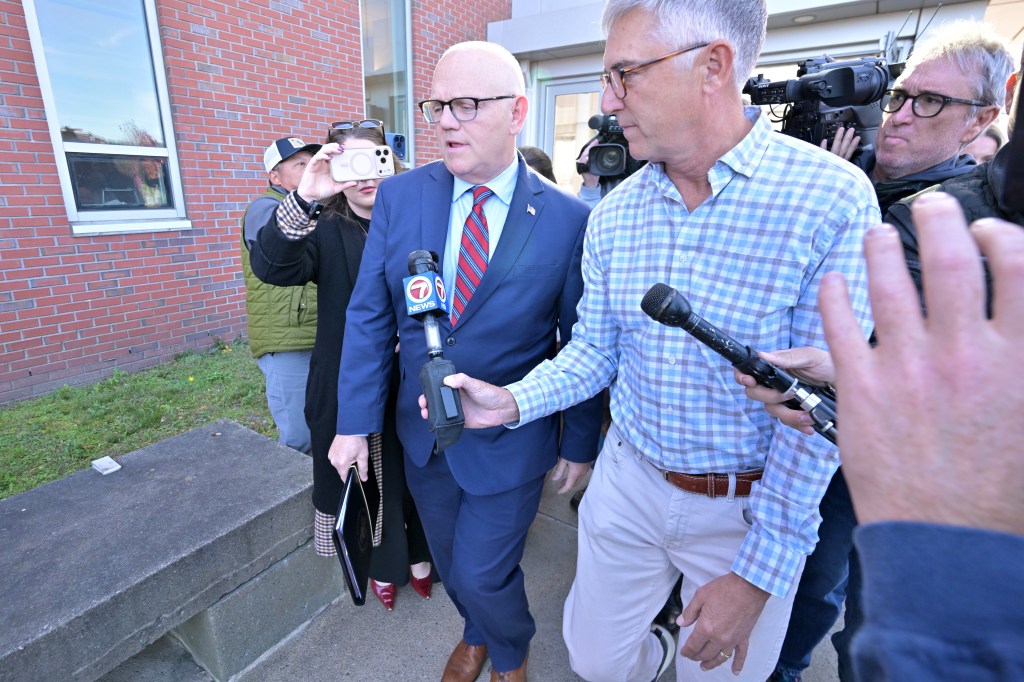
Either way, Cruz’ decision is “not quite as simple as pressing a button and doing it again,” Krissoff said.
Prosecutor Jennifer Sprague said Monday she wanted to await Sullivan’s ruling on several motions, including Clancy’s bid to dismiss the entire case over a controversial holdout juror — the only panelist who wanted to convict.
Sullivan, who plans to retire this summer, said Monday he hoped Clancy’s case could be retried in March.
Clancy is accused of strangling her children Cora, 5, Dawson, 3, and Callan, 8 months, on Jan. 24, 2023, after allegedly hearing a voice telling her to kill them. After the trial, several jurors came forward to confirm the near-unanimous support for the insanity defense.
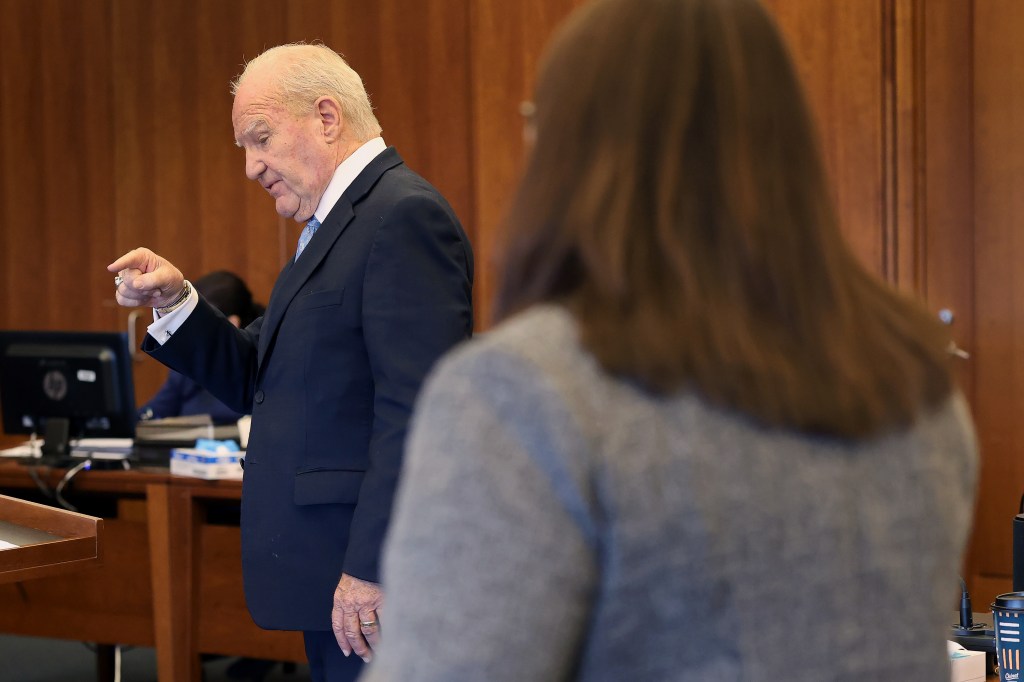
Other factors in Cruz’s silence may include consultations with Patrick Clancy, the slain children’s father and Lindsay’s husband at the time, about whether he wants a retrial and is willing to testify again.
Clancy is due back in court later this month, where Sullivan plans to announce his ruling on her motion to dismiss and hopes to set a trial date.