

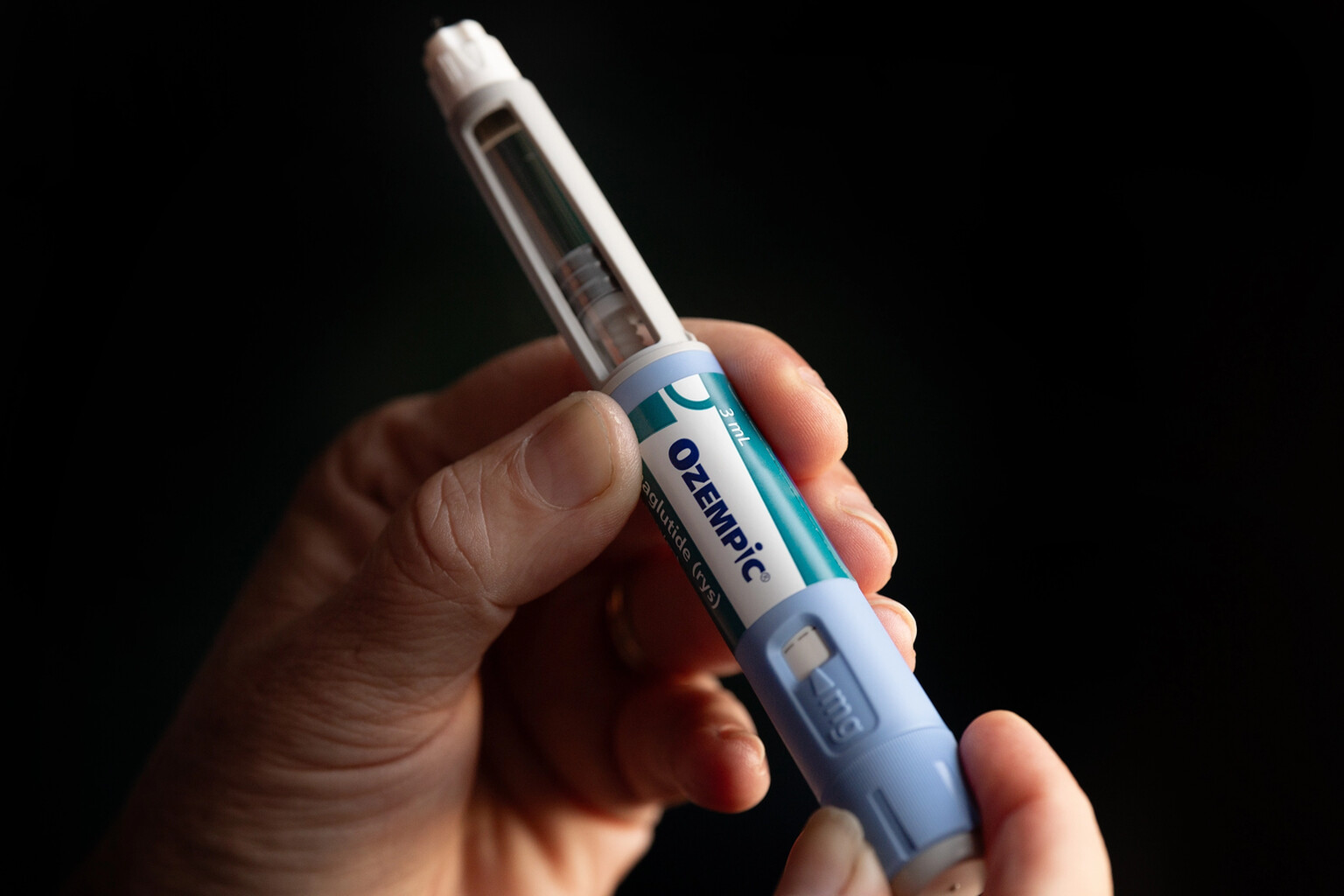
The FDA has ordered new warning labels on popular GLP-1 weight-loss and diabetes drugs over a potential risk of sudden, permanent vision loss.
The federal regulator announced on November 9 that all glucagon-like peptide-1 receptor agonist medications must now carry warnings about non-arteritic anterior ischemic optic neuropathy, a rare eye condition that can cause acute, painless decreased vision in one eye. The requirement applies to widely used drugs including Ozempic, Wegovy, Mounjaro, Zepbound, and Foundayo.
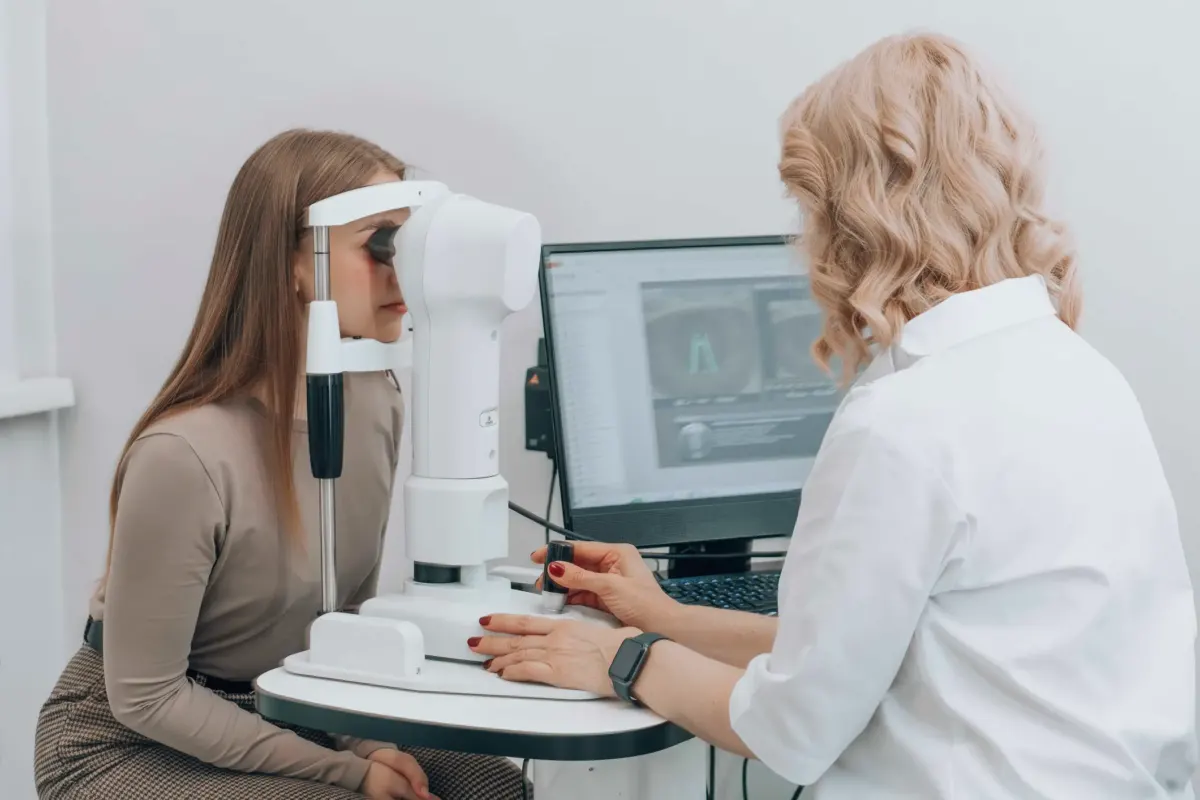
The American Academy of Ophthalmology describes NAION as the most common cause of acute optic nerve injury in individuals over 50 years old, though it notes that several aspects of the disease, including its pathogenesis and effective treatments, remain unknown or unproven.
The FDA’s announcement comes as some GLP-1 users have filed lawsuits against manufacturers Eli Lilly and Novo Nordisk, alleging that drugs like Wegovy and Ozempic caused them to go blind. Many of those complaints specifically cite NAION, which can result in permanent vision loss.
In its statement, the FDA explained that GLP-1 RAs mimic the effects of a natural hormone called glucagon-like peptide-1 that the intestine releases. The hormone helps lower blood glucose levels after eating and acts in parts of the brain that control appetite and food intake. These medications are widely used to treat type 2 diabetes or to reduce excess body weight and maintain weight reduction long term.
The governing body will now require application holders for all GLP-1 RA medications to add information to the ‘Warnings and Precautions’ section of labeling about the potential increased risk of NAION.
A Novo Nordisk spokesperson said in a statement in September: “Novo believes the personal injury lawsuits filed in the US are without merit and is vigorously defending them.”
“Novo is aware of reports and epidemiological data concerning non-arteritic anterior ischaemic optic neuropathy (NAION) in patients treated with semaglutide,” the spokesperson continued. “The available clinical, epidemiological and post-marketing data are being continuously assessed, and a causal relationship between semaglutide and NAION has not been established.”
The spokesperson added: “Patient safety is a top priority for Novo and we take all reports of adverse events associated with our medicines very seriously, collaborating closely with health authorities and regulatory bodies worldwide.”
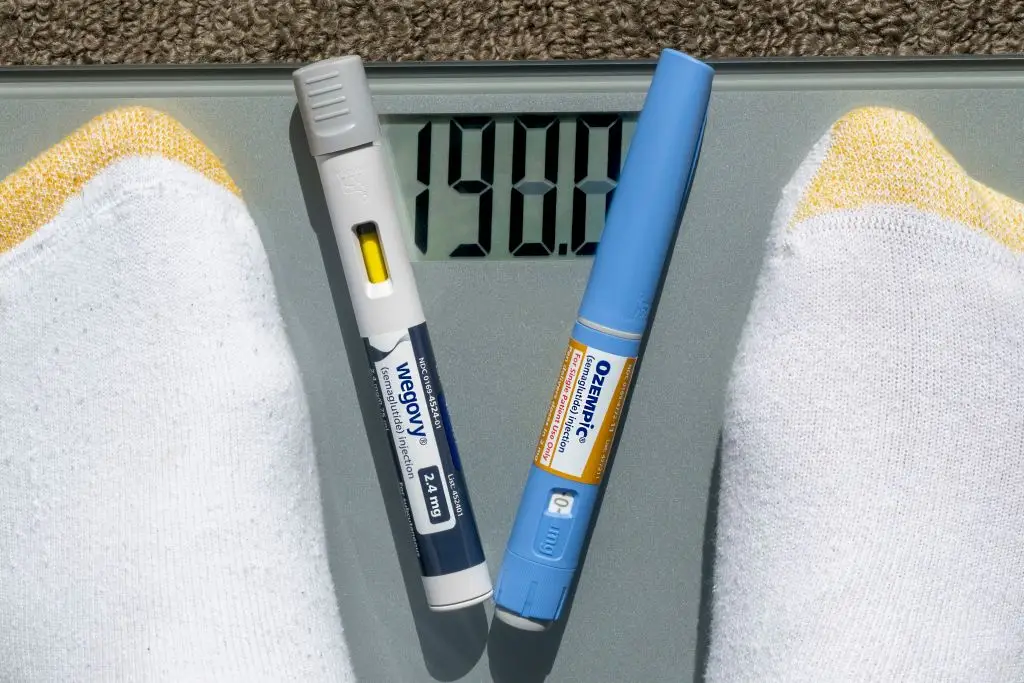
Eli Lilly, which manufactures Mounjaro and Zepbound, has also faced legal pressure from users claiming vision damage. A spokesperson for the company told The Boston Globe: “Patient safety is Lilly’s top priority… We will continue to review data, including any data regarding ophthalmic issues.”
The FDA’s labeling requirement represents a significant regulatory step even as drugmakers maintain that no causal link has been established between their medications and the eye condition. The announcement signals growing federal attention to potential side effects of GLP-1 drugs, which have exploded in popularity for weight loss over the past two years.
The outlet has reached out to both Eli Lilly and Novo Nordisk again following the FDA’s recent announcement.