


Scientists in Italy have identified the heart’s relentless pumping motion as a likely shield against cancer, opening a surprising new avenue for tumor therapy.
The finding comes from a team at the University of Trieste, led by molecular biology professor Serena Zacchigna. Their work, published recently in the journal Science, centers on a question that has long puzzled researchers: why primary heart cancer is extraordinarily rare, striking fewer than two out of every 100,000 people annually according to the Cleveland Clinic. Nearly ninety percent of primary heart tumors are benign, making malignant cardiac cancer almost unheard of.
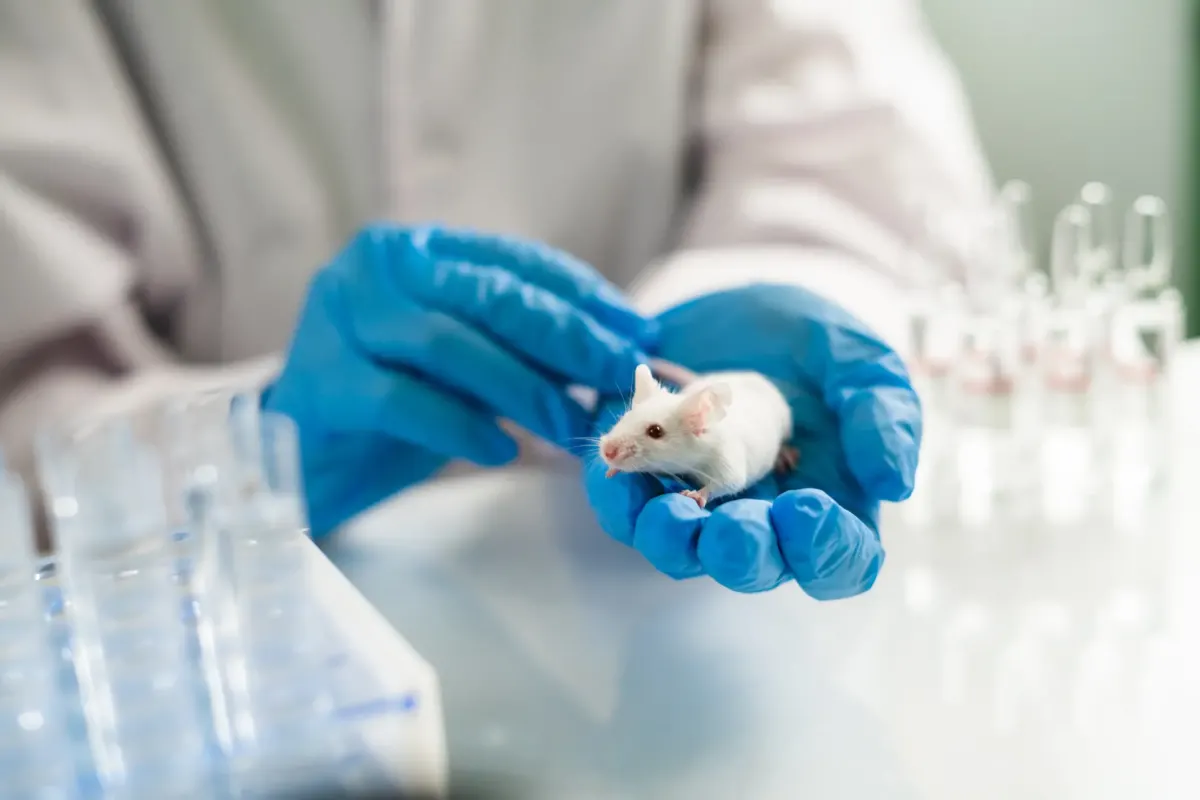
The researchers tested whether the heart’s constant mechanical activity might be the protective factor. They introduced cancer cells into mouse hearts and also engineered in vitro cardiac models that could run with or without the normal physical forces — the mechanical load — that heart muscle experiences as it fills with and pumps blood. Human tissue samples from rare cardiac metastases were compared against corresponding tumors found outside the heart.
The results were striking. When the heart’s mechanical load was reduced, cancer cells began multiplying. At normal pumping pace, they died off. The motion itself also triggered production of a protein called Nesprin-2, which transmitted a signal to the nucleus of cancer cells instructing them to stop reproducing because the environment was unsuitable.

Zacchigna, speaking to the outlet, framed the discovery in stark terms.
“This suggests the cardiac environment is unfavourable to tumour cells, partly because its continuous mechanical activity physically limits their expansion.”
The heart contracts and expands roughly 100,000 times per day, generating a pumping force that appears to stop tumor cells before they can turn cancerous. The study authors wrote that their findings collectively “shed light on the role of mechanical forces in protecting the heart from cancer and may pave the way to cancer therapies based on mechanical stimulation.” They also noted “potential strategies for cancer therapy based on mechanical stimulation.”
The research joins centuries of investigation into cancer’s causes and prevention, but approaches the problem from an unexpected angle. Rather than targeting cancer with drugs or radiation, the work suggests that physical forces themselves could become a therapeutic tool.
Primary heart cancer develops directly in heart tissue rather than spreading there from another organ. Its rarity has made it difficult to study, and the new findings offer one of the first concrete explanations for why the heart largely evades a disease that affects so many other organs. The discovery that slowed mechanical load allowed cancer cells to survive and multiply points to the pumping action as actively protective, not merely incidental.
The Trieste team’s work with engineered cardiac models and human tissue samples builds on earlier theories about the heart’s movement. Previous researchers had speculated that constant cardiac motion might suppress tumor growth, but the new study provides experimental evidence and begins tracing the molecular mechanism through Nesprin-2 signaling.
Understanding why heart cancer develops remains important despite its rarity, given the organ’s essential role. The findings suggest that replicating or enhancing mechanical stimulation could potentially be developed into treatments for cancers in other parts of the body, translating the heart’s natural defense into a broader therapeutic strategy.
The study’s implications extend beyond cardiac biology into the emerging field of mechanobiology, which examines how physical forces influence cellular behavior. The precise pathway from mechanical load to Nesprin-2 production to nuclear signaling in cancer cells offers multiple points where interventions might eventually be designed.
The research was conducted at the University of Trieste and published in Science, with Zacchigna as the leader of the investigative team. The work involved collaboration across mouse models, engineered tissue systems, and rare human cardiac metastasis samples to build a multi-layered case for mechanical protection.
The next steps for the research will likely involve further characterization of the Nesprin-2 signaling pathway and exploration of how mechanical stimulation might be applied therapeutically in non-cardiac tissues.