

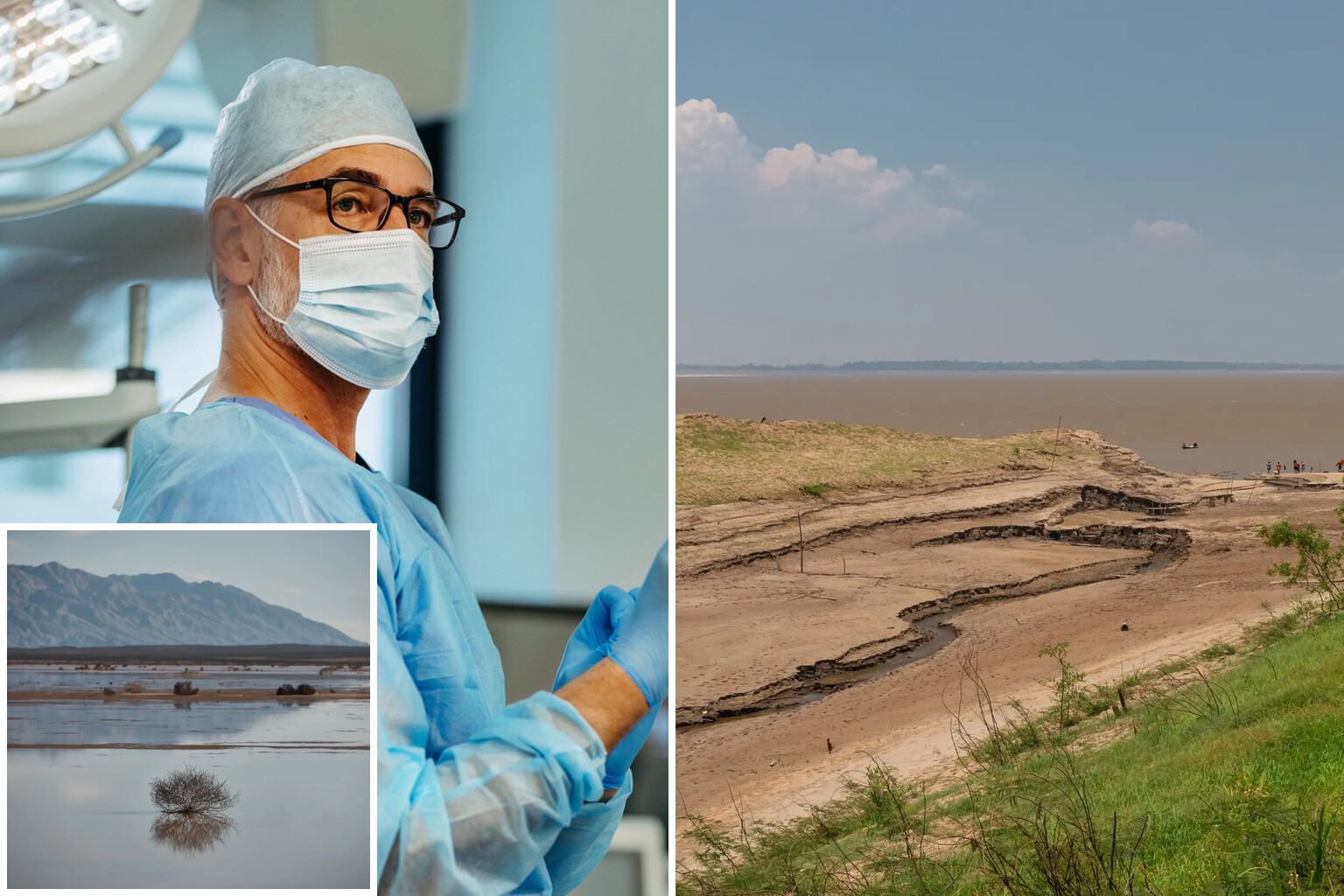
Scientists have urged the World Health Organization to declare El Niño a global health emergency, warning the extreme weather pattern could kill nearly half a million people.
The appeal centers on new research projecting staggering mortality figures. A University of Chicago analysis estimates El Niño could cause 451,000 excess deaths between June 2026 and February 2027 from extreme heat alone, before accounting for disease outbreaks. Michael Greenstone, a report author, said the findings represent a grim breakthrough in climate science. “We have long been able to predict the impacts of temperatures on crops, and now we can predict their impact on the worst outcome – death,” he said. “This is such a large number that it can be numbing, but it is made up of parents and children, grandparents and neighbours, people going to work, caring for families, and living their lives.”
Dr Colin Carlson, an assistant professor of epidemiology at Yale University, wrote in Think Global Health that the phenomenon demands emergency classification. “An early analysis suggests that nearly half a million deaths will result from extreme heat alone, to say nothing of epidemics of dengue fever, cholera, and other infectious diseases that could also occur in tandem,” he wrote. Carlson characterized the potential toll as “pandemic-scale mortality,” putting the figure in devastating context: the 2009 swine flu pandemic killed between 150,000 and 575,000 people globally.
The World Meteorological Organisation has tracked the gathering crisis through record-shattering data. The past four years ranked as the warmest ever measured, and the agency projects El Niño will unleash “even more heat and extreme weather well into 2027.” Celeste Saulo, the WMO secretary-general, said the current cycle redefines what seemed like hyperbole before. “El Niño and indeed the state of the global climate in 2026 gives new meaning to the phrase ‘off the charts’,” she stated. “El Niño doesn’t add new heat to the planet. It releases heat from the ocean, which is the warmest ever measured. There is simply more heat available to release,” She added a stark warning: “We are supercharging our weather and El Niño will be a risk multiplier.”
United Nations climate chief Simon Stiell framed the threat in equally urgent terms during a Monday address. He called the extreme weather “a global health crisis of pandemic proportions,” aligning with the emergency declaration scientists now seek from WHO.
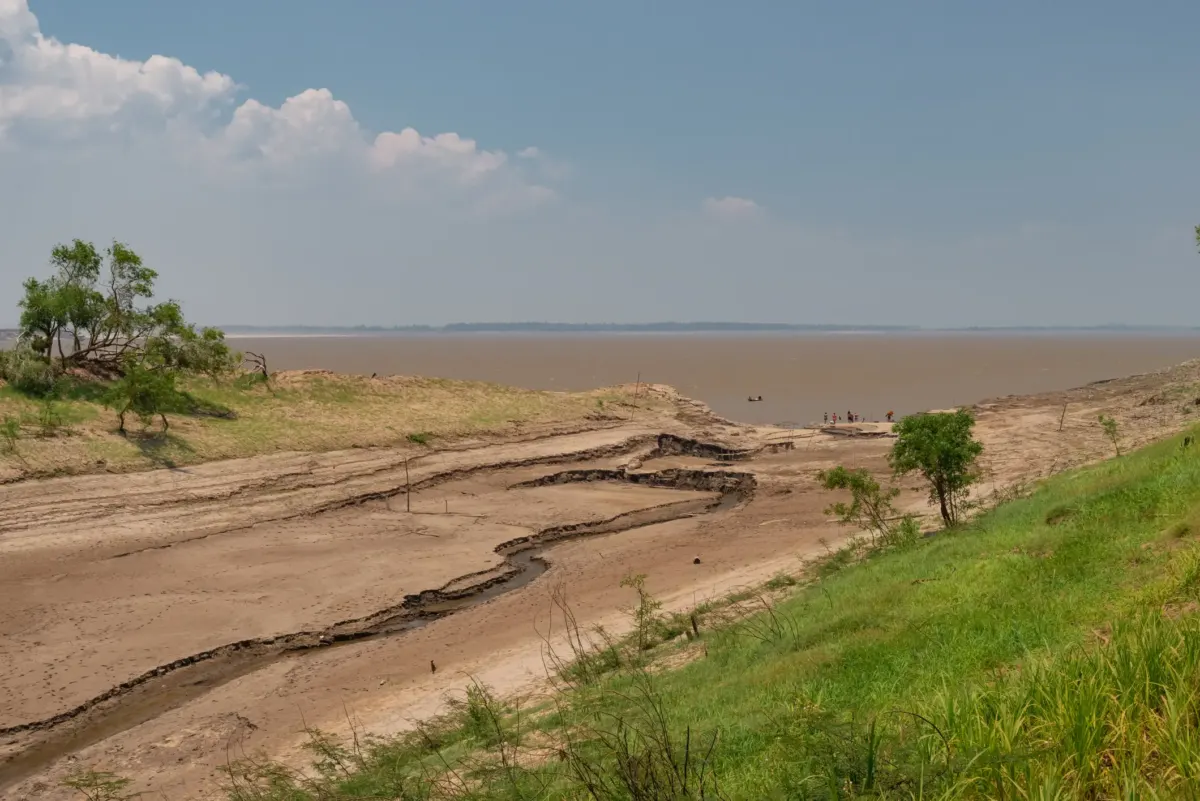
El Niño’s mechanics are well-documented: the periodic warming of Pacific Ocean surface temperatures disrupts global atmospheric circulation, typically every two to seven years. The resulting cascade can produce intense rainfall and flooding in some regions while plunging others into severe drought, simultaneously fueling tropical cyclones and explosive wildfire conditions. The current cycle’s interaction with record-baseline ocean temperatures creates an unprecedented heat reservoir, amplifying every downstream effect.
The emergency designation scientists pursue would trigger coordinated international response protocols and unlock dedicated funding streams for vulnerable nations. Without that mobilization, researchers warn, the projected death toll from heat stress compounds with secondary epidemics that thrive in El Niño’s wake—mosquito-borne dengue surges where rainfall pools, cholera spreads where sanitation systems flood and fail, and respiratory illness climbs where wildfire smoke chokes populations across continents.
Greenstone’s research team at the Climate Impact Lab developed the forecasting methodology that translated temperature projections into mortality estimates, a step he noted represents scientific progress with sobering implications. The 451,000 figure sits at the conservative end of potential outcomes, covering only direct heat deaths during the specified window.
The World Health Organization has not yet responded to the emergency declaration request.