

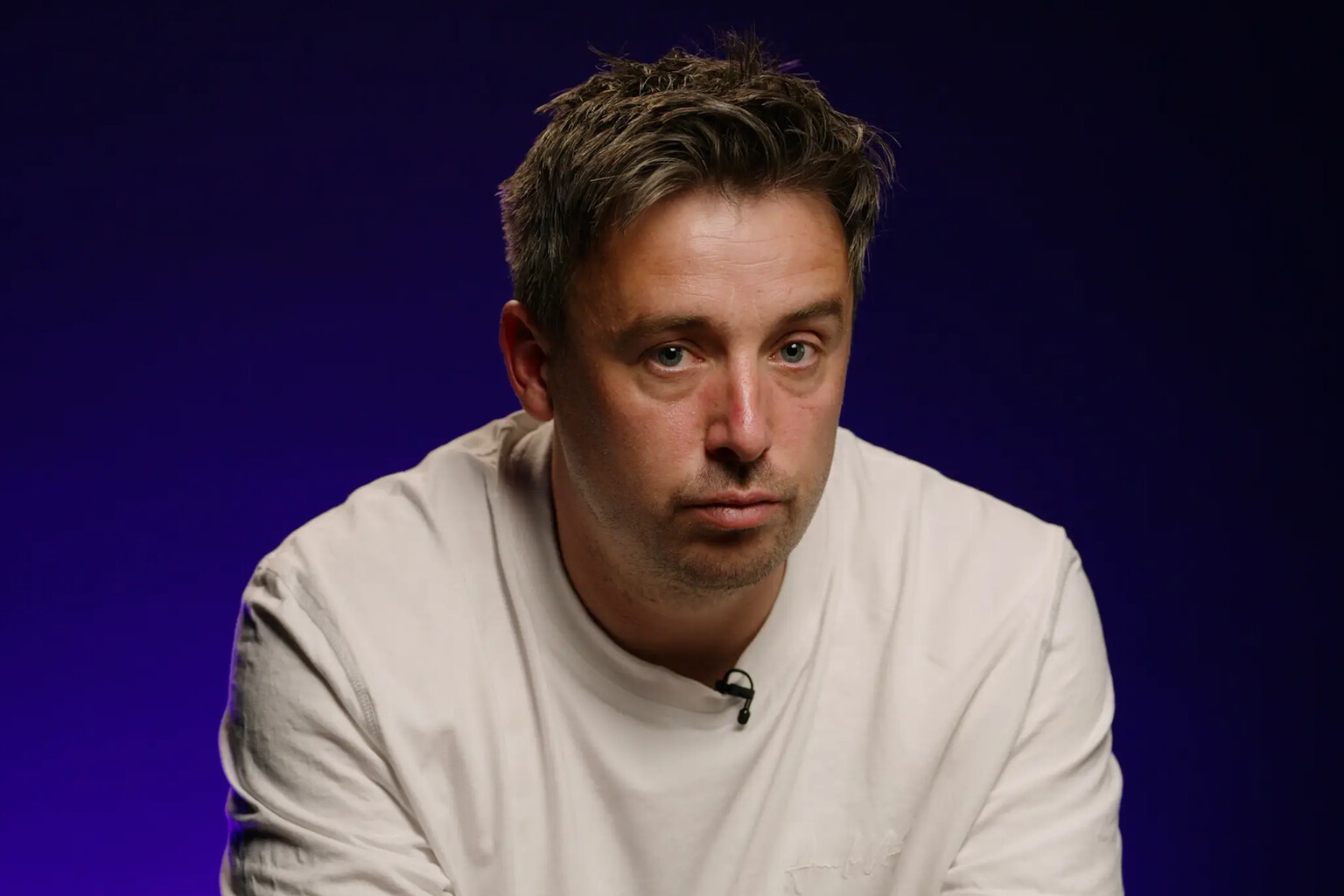
Steven Hamill is speaking out against the myth that penile cancer only strikes older men.
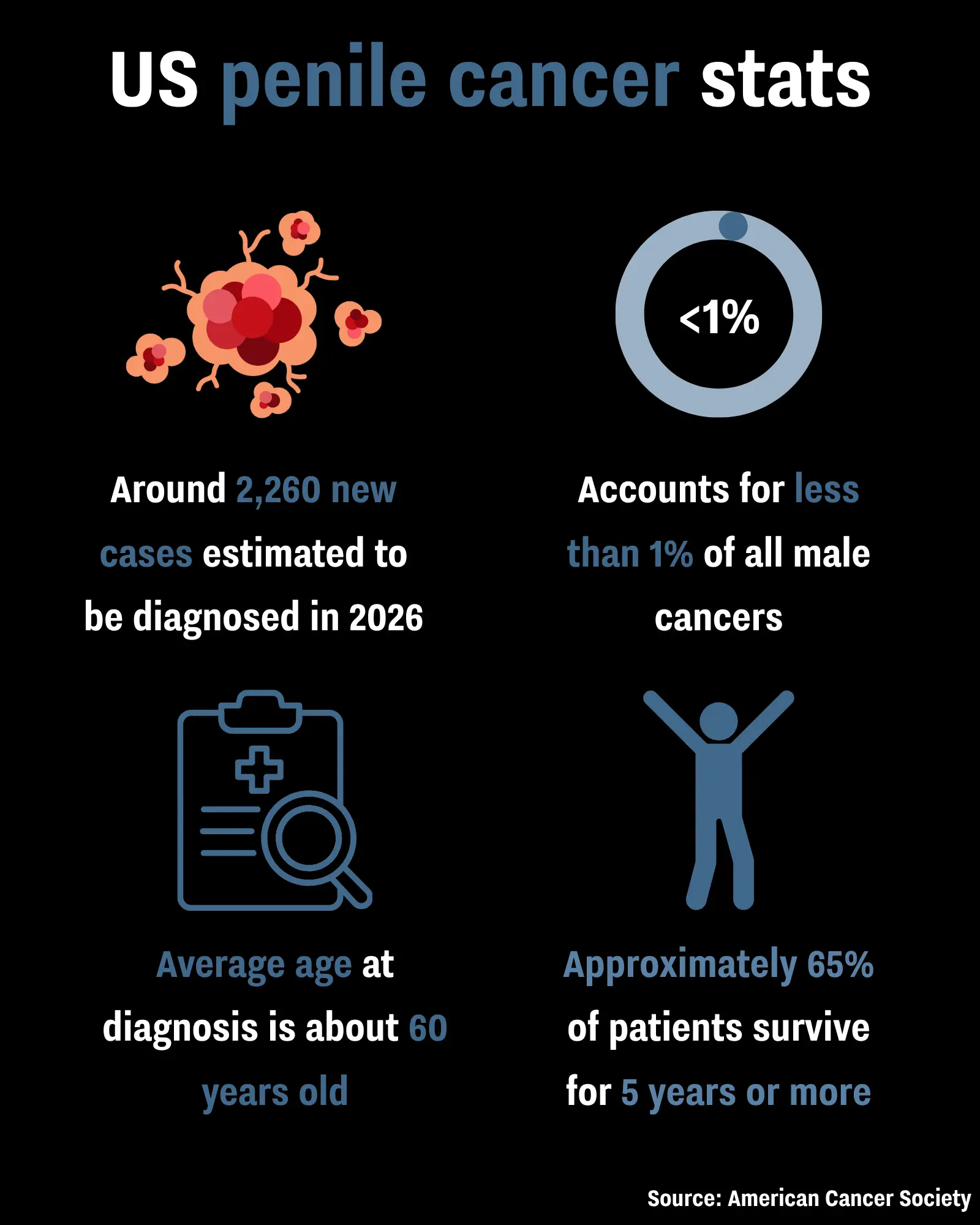
Hamill, now in his early 30s, was just 26 when doctors delivered the rare diagnosis. The condition affects fewer than one in 100,000 men annually in the United States, according to the American Cancer Society, and the average patient is 60 years old. That statistic led his own physician to dismiss the possibility at first.
“So, whoever wrote this sounds like my doctor back when I was diagnosed, because that’s exactly what he said,” Hamill said for its Honesty Box series. “He was like, ‘I’ve never seen anyone under the age of 50 come in with penile cancer’.”
The Pennsylvania native’s symptoms began with swelling at the head of his penis, but the moment that forced him to seek emergency care came when he started bleeding heavily. “The initial sign was obviously the swelling of the head, and I think the biggest sign for me where I needed to go get help was when there was bleeding,” he shared in the interview.
He described the hemorrhage in stark terms: “So, there was blood. There was no pain at that time. It was just bleeding. The first bleed, it was obviously all up the cupboards, all over the floor, dripping down my leg, all over my foot.”
The volume shocked him. “We weren’t talking like a minimal bleed, like a nosebleed. We were talking more of a, you’ve caught your arm bleed with a knife, I would say, rather than a minimalistic nosebleed, blister bleed, anything like that.”
The cancer ultimately required a partial penectomy. Surgeons removed roughly 4.6 inches of tissue, leaving Hamill with just over four inches.
Since going public, he has heard from hundreds of other young men who received the same diagnosis. “To be fair, the statistics show it most commonly affects people, men, later on in their life,” he acknowledged. “But last time I checked, I was born in 1993, and I was only 26 when I went through this. So it does affect the younger generation.”
He urges vigilance regardless of age. “Granted, you probably need to take extra care over 50, make sure you’re checking a lot, but it can affect anyone at any age,” he added.
The physical change prompted questions about his sense of masculinity. Hamill rejected the premise entirely. “I just thought the definition of being a man was you work, you have kids, you provide for your family, because that’s how I grew up,” he said.
His perspective shifted through the ordeal. “Actually, going through this kind of connected me a lot more to myself, made me a lot more emotionally intelligent and mature. So yeah, I think the definition of being a man is accepting you for you, being emotional, making sure you can show that emotion, and just being a good human.”
He summed up his evolved view simply: “It’s not about being a man these days, is it? It’s about being a human.”
The American Cancer Society maintains a 24/7 helpline at 1-800-227-2345 with live chat support for those affected by the disease.