


Aliia Roza has broken down a psychological manipulation tactic she learned as a Russian spy to make targets sexually dependent on her.
Roza, 41, who infiltrated drug gangs and human trafficking networks before fleeing Russia when her cover was blown, now works as a women’s empowerment coach and fashion influencer. She detailed the so-called “anchor technique” during an interview with Raj Shamani, explaining how it was designed to ensure a target “would not be able to be aroused with any other female partner so he would be only hooked on you.”
The method hinges on timing and repetition. Roza emphasized that immediately after ejaculation was “the most vulnerable relaxed time where his brain consumes and accepts any information you say.” During that window, the agent would touch a specific, non-public part of the man’s body — she suggested the neck, shoulders, or ear, noting it “shouldn’t be public” so not the hands — while saying something like “you’re the best” or “this sex was the best.”
“Honey trap agents, they would say ‘we are the power couple’ and use the same things. ‘Only I can help you’,” Roza explained. She continued: “‘Only with me you can have such a pleasure. Only with me you can be strong. Only I know how to make you successful. I know I am the best in your life.'”
Once established, the anchor could be triggered at will. Roza said you could then simply touch the same spot and repeat the same words, which “activates the brain” to reinforce the programmed message. She described this as a “very strong technique” for keeping someone convinced that only she could provide what they wanted.

The conditioning did not begin in the bedroom, however. Roza previously said that agents were trained to appear in a target’s life seven times before making first contact, so that “their brain already trusts you.” She outlined the approach: “You might show up at their coffee shop, their gym, or just keep liking their posts. When you finally meet, their brain already trusts you.”
After that manufactured familiarity came a calculated vulnerability. Roza said the next step was to “pretend to be weak or alone” because “every man wants to feel like the rescuer.” The combination of perceived trust, the rescuer dynamic, and the later sexual anchoring created what she presented as a nearly unbreakable hold over the target.
Roza’s current career pivot has not erased her fluency in these methods. She still recalls them in detail for her coaching and media appearances, framing the knowledge as empowerment education rather than operational tradecraft. The Shamani interview marked her most explicit public walkthrough of the sexual anchoring process she once employed in the field.
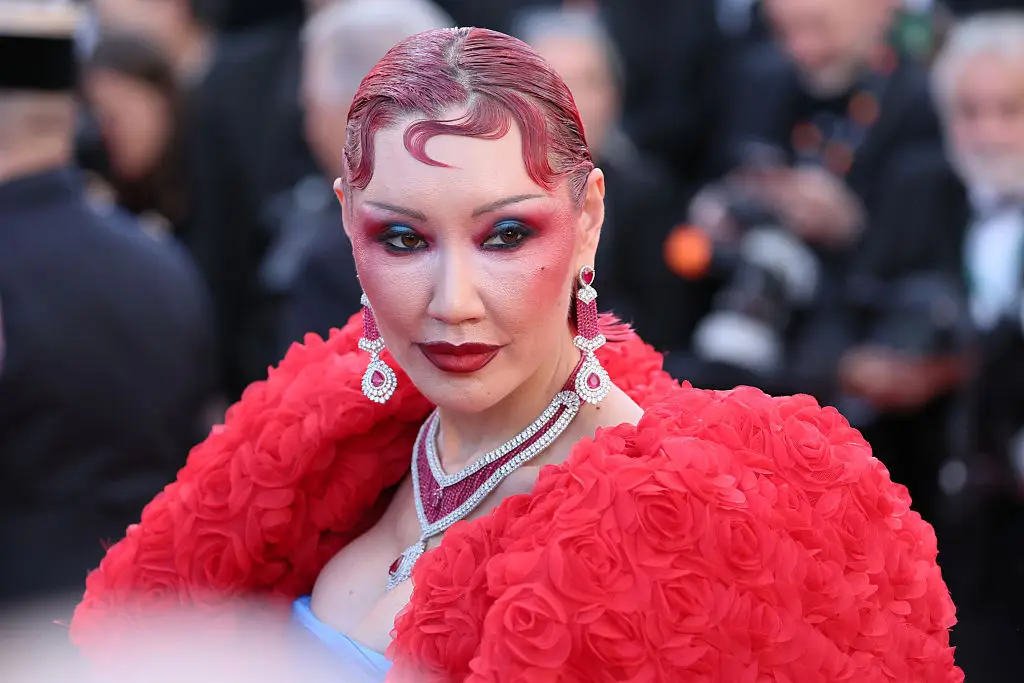
The former spy’s disclosures arrive amid renewed public fascination with Cold War-style espionage tactics and their modern applications. Her account offers a rare firsthand description of how intelligence services weaponized intimacy not merely for information extraction but for deep psychological binding, leaving targets unable to form normal connections with others.
Roza has indicated she will continue discussing her past in upcoming interviews and coaching content.