

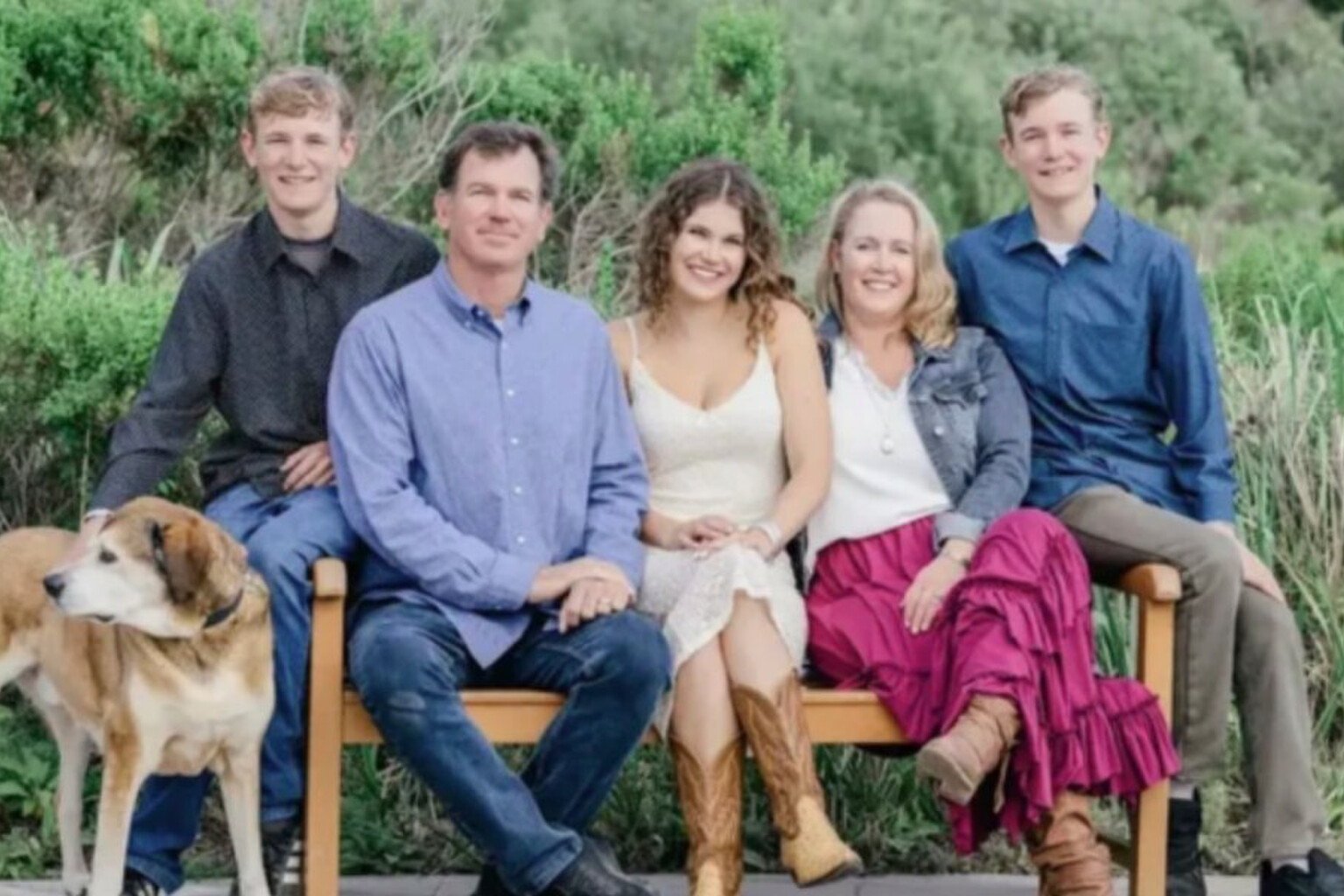
The children of celebrated Santa Barbara farmers John “Jay” and Kristen Ruskey have filed a wrongful death lawsuit against the friends who hosted them and a water heater manufacturer, alleging that a cascade of failures turned a birthday party into a fatal tragedy.
Kasurina Ruskey, 19, and 16-year-old twins Aiden and Sean Ruskey brought the suit in San Luis Obispo County against homeowners Ben and Robin Korman and Navien Inc. Over the Feb. 8 deaths of their parents at the Kormans’ Cambria residence.
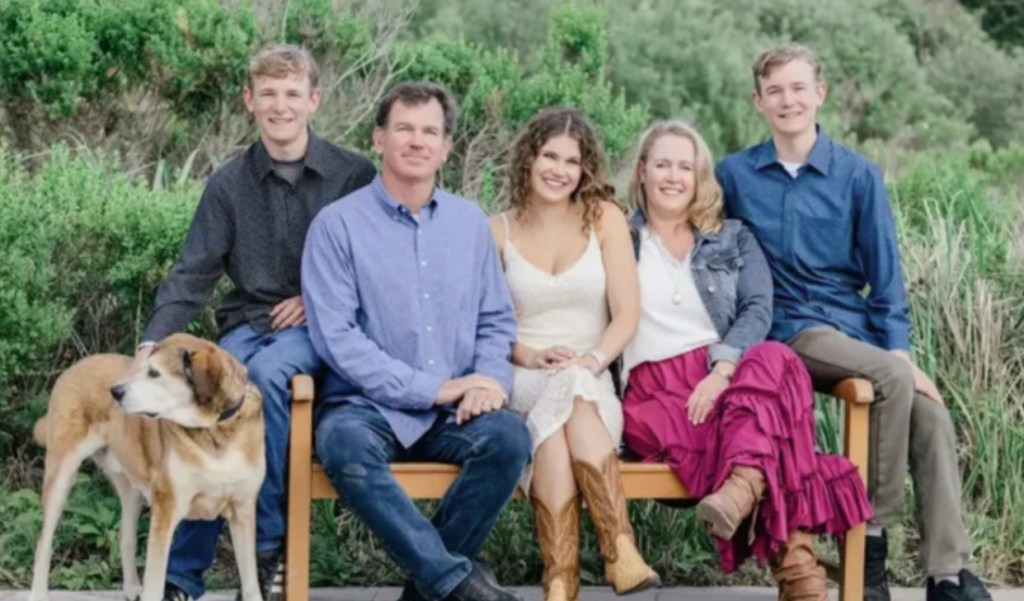
The Ruskeys, both in their 50s, were found dead the morning after a birthday celebration that drew between 50 and 60 guests to the coastal home. The couple had accepted the Kormans’ invitation to spend the night in a guest bedroom rather than make the drive back to their own property.
According to the lawsuit, the home’s water heater repeatedly cycled on through the early morning hours of Feb. 8 to meet demand from the packed house. Each activation, the suit claims, “it discharged carbon monoxide through the failed Subject Venting System into the Laundry Room and, through the connecting door, into the Guest Bedroom.”

The couple retired around 2 a.m., but their night quickly turned dire. Roughly two and a half hours later, at 4:34 a.m., Kristen Ruskey placed a 911 call because her husband was in serious medical distress.
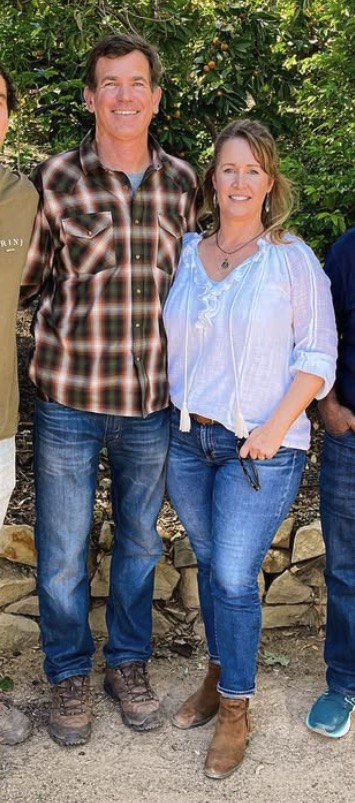
When paramedics responded, Kristen told them that Jay was “having a bad trip” after consuming chocolate containing psychedelic mushrooms, according to the Santa Barbara Independent. Party attendees had reported hearing Jay vomiting and screaming.
Paramedics observed Jay’s condition and advised hospital transport for “a higher level of care” based “on the totality of the circumstances and the decedent’s observed behavior,” the outlet reported. He refused treatment, and the emergency crew departed.
The lawsuit now frames those symptoms in starkly different terms. Jay “was vomiting, exhibited seizure-like activity, and had lost control of his bowels while in bed,” the suit alleges, noting that each of these can signal acute carbon monoxide poisoning.
“No alarm ever sounded,” the lawsuit states flatly.
The reason, according to the filing, was that the sole smoke and carbon monoxide detector in or near the guest bedroom “had been disconnected from its electrical wiring and was inoperable.” The suit claims the Kormans knew or should have known of the disconnection before the Ruskeys arrived, and that without any functioning alarm, “neither the responding personnel nor the Korman Defendants nor anyone else at the Subject Property identified carbon monoxide as the cause of Jay’s symptoms.”

The lawsuit adds that “no one tested the air in the Guest Bedroom or the Laundry Room, shut off the Subject Water Heater, or ventilated the space.” The couple returned to bed.
Between 9:30 and 10 a.m., concerned guests went to check on them. They found Kristen lying unresponsive on the laundry room floor, just inside the door connecting to the guest bedroom. Jay was in the guest bed, unresponsive, pulseless, and not breathing.
Guests initiated CPR and called 911 at approximately 10:20 a.m. Sheriff’s deputies, firefighters, and paramedics responded to the Korman home, but resuscitation efforts failed and the couple was pronounced dead at the scene.
A county coroner investigator examined both bodies and found no signs of injury. Autopsies performed Feb. 12 by a forensic pathologist revealed “cerebral edema, pulmonary congestion, and cherry-pink lividity, the hallmark findings of carbon monoxide poisoning,” according to the suit.

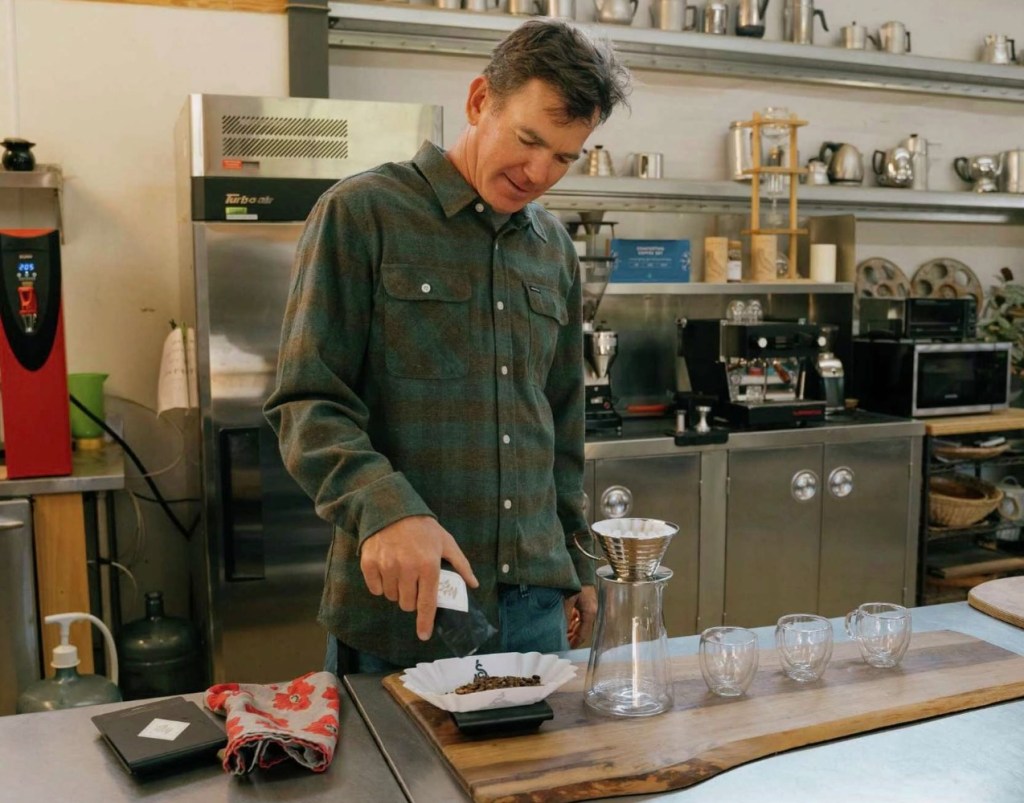
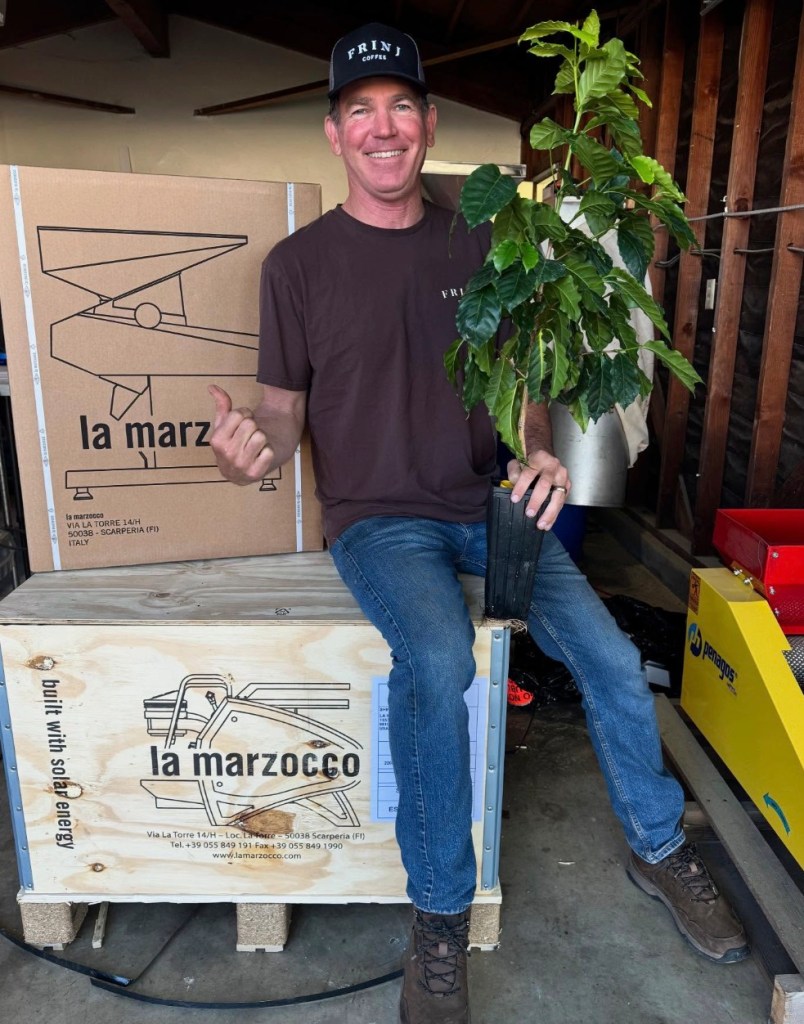
The Ruskeys had built a reputation as pioneering agricultural figures on California’s central coast. They founded Good Land Organics, an exotic-fruit farm, and launched FRINJ Coffee, ventures that established them as notable figures in the region’s farming community. Their three children are now seeking damages for a loss they attribute to multiple parties’ negligence.
The lawsuit’s allegations center on a chain of overlooked warnings: a disconnected detector, a venting system the filing calls failed, and emergency responders who treated the scene as a drug reaction rather than environmental poisoning. Whether any single failure or their combination proved fatal may now be decided in court.
The California Post contacted Navien Inc. And the Kormans for comment.