

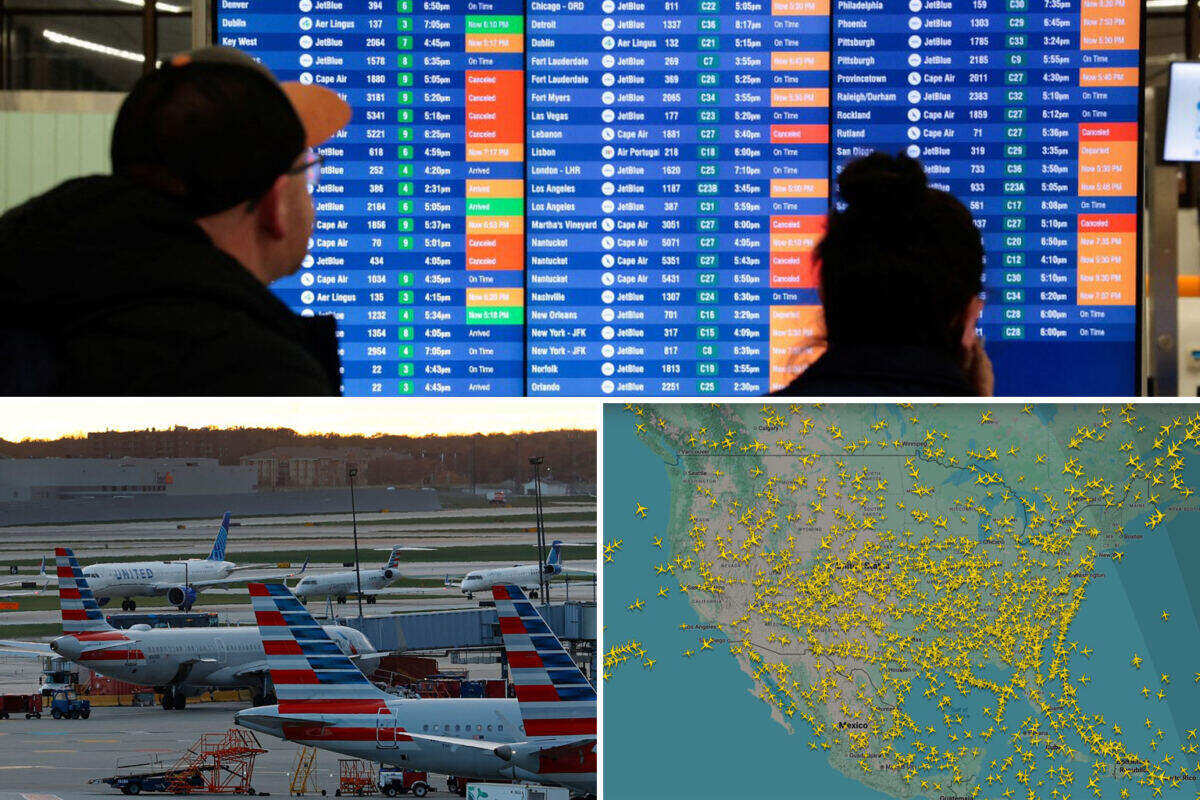
A new AI-powered air traffic system went live at every FAA control center nationwide just 72 hours before an unprecedented ground stop paralyzed U.S. Aviation on Friday.
The Strategic Management of Airspace tool, branded “SMART,” reached all 22 air route traffic control centers last Tuesday, according to the Washington Times. The system integrates roughly 200 separate data streams covering flight paths, schedules, weather patterns and other operational variables into one unified platform designed to predict airspace constraints before they trigger disruptions.
The FAA ordered the nationwide stoppage at approximately 4 p.m. Friday, citing “extraordinary circumstances” in its public alert. The agency offered no immediate connection between the travel chaos and the SMART deployment that had wrapped up three days earlier.
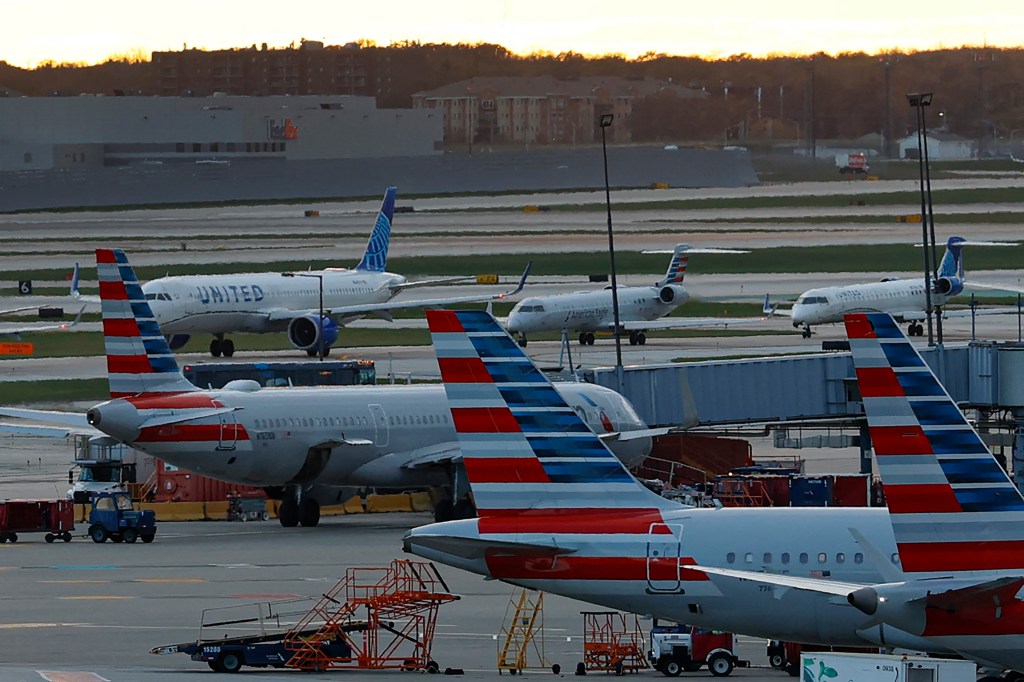
Behind the scenes, suspicion fell quickly on a software upgrade. A source told The Post that the new system was being examined as a possible culprit for the cascading failure that grounded flights across the country.
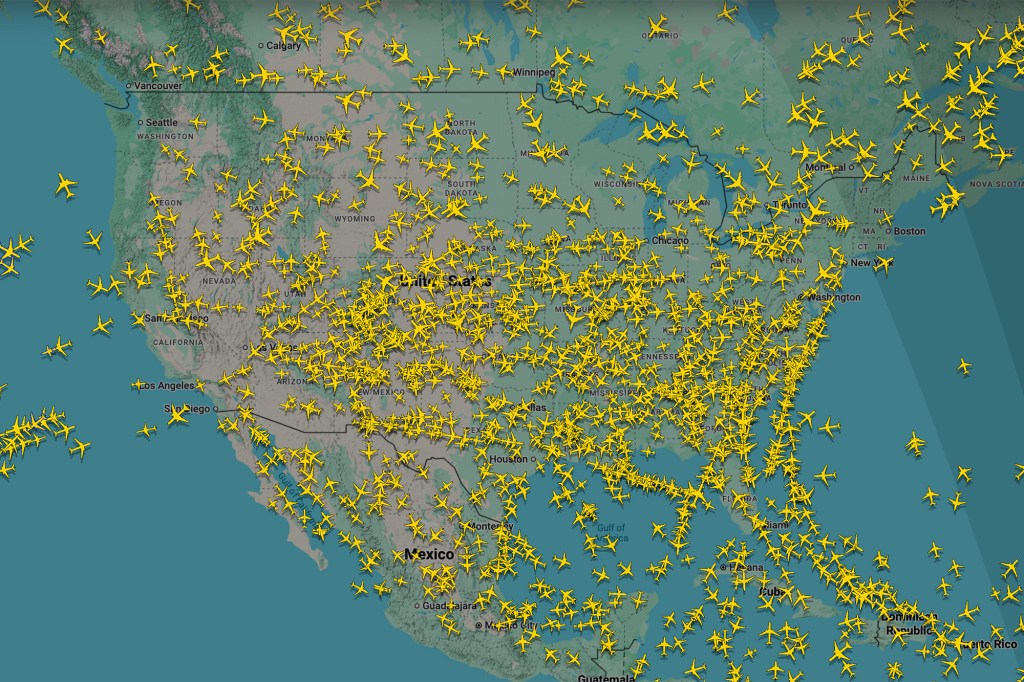
The timing drew immediate scrutiny from transportation officials and technology observers alike. SMART’s nationwide expansion represented one of the most significant modernizations of American air traffic infrastructure in years, promising to consolidate fragmented information sources that controllers have long juggled across multiple screens and systems.
By collapsing those streams into a single predictive interface, the tool aimed to give controllers earlier warning of congestion, weather bottlenecks and other constraints that can ripple through the national airspace system. Whether that same complexity created new vulnerabilities remained an open question as investigators began their work.
The ground stop itself was extraordinarily rare in scope. Such nationwide halts typically follow catastrophic events or systemic failures that threaten safe operations across multiple regions simultaneously. The last comparable stoppage came in January 2023, when a corrupted database file triggered the NOTAM system collapse that grounded thousands of flights over several hours.
That earlier failure stemmed from human error during routine maintenance, not from any new technology deployment. The contrast sharpened questions about whether SMART’s rushed timeline or integration challenges had contributed to Friday’s disruption.
FAA officials have not publicly confirmed what triggered the extraordinary circumstances language in their alert. The agency’s initial silence on any SMART connection left a vacuum filled by the sourced report pointing toward software upgrades as the investigative focus.
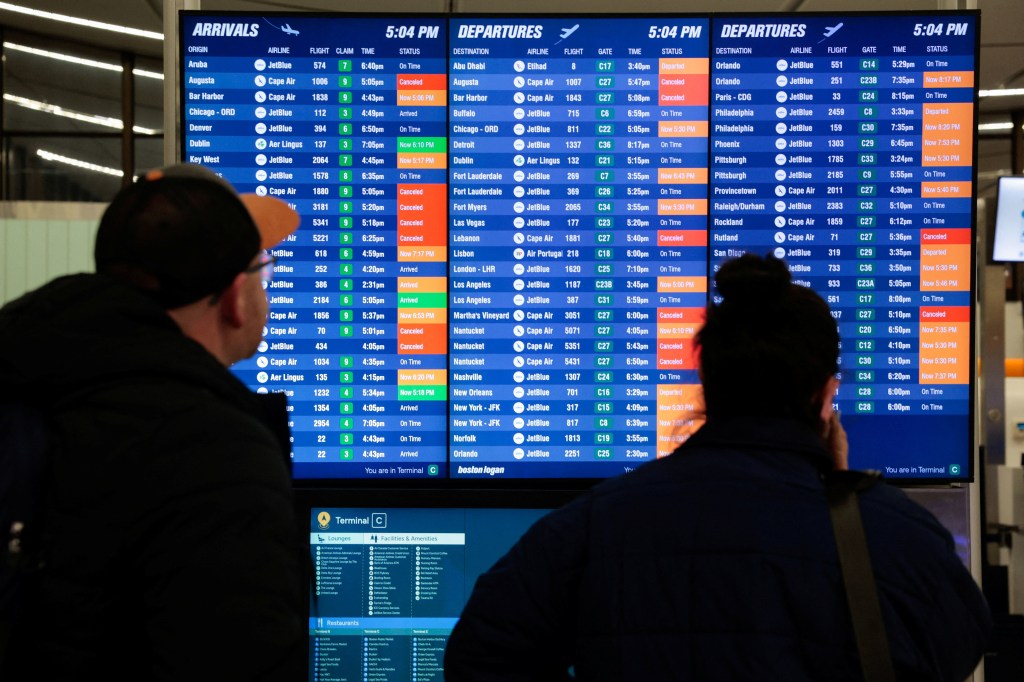
The contractor behind SMART has not issued any public statement addressing potential links to the ground stop. Aviation technology specialists note that new systems often undergo months of parallel operation before assuming full operational responsibility, making the three-day gap between deployment and failure unusually tight if the tool proves involved.
Controllers at the 22 affected centers had just begun adjusting to the consolidated interface when operations halted. The system was designed to reduce their cognitive load by surfacing predictive alerts rather than requiring manual correlation across dozens of information sources.
Whether that design functioned as intended—or introduced unanticipated failure modes—will likely shape both the investigation’s findings and the future pace of FAA modernization efforts. The agency has faced sustained pressure to upgrade aging infrastructure while maintaining the safety record that underpins global confidence in American aviation.
The investigation continues.