

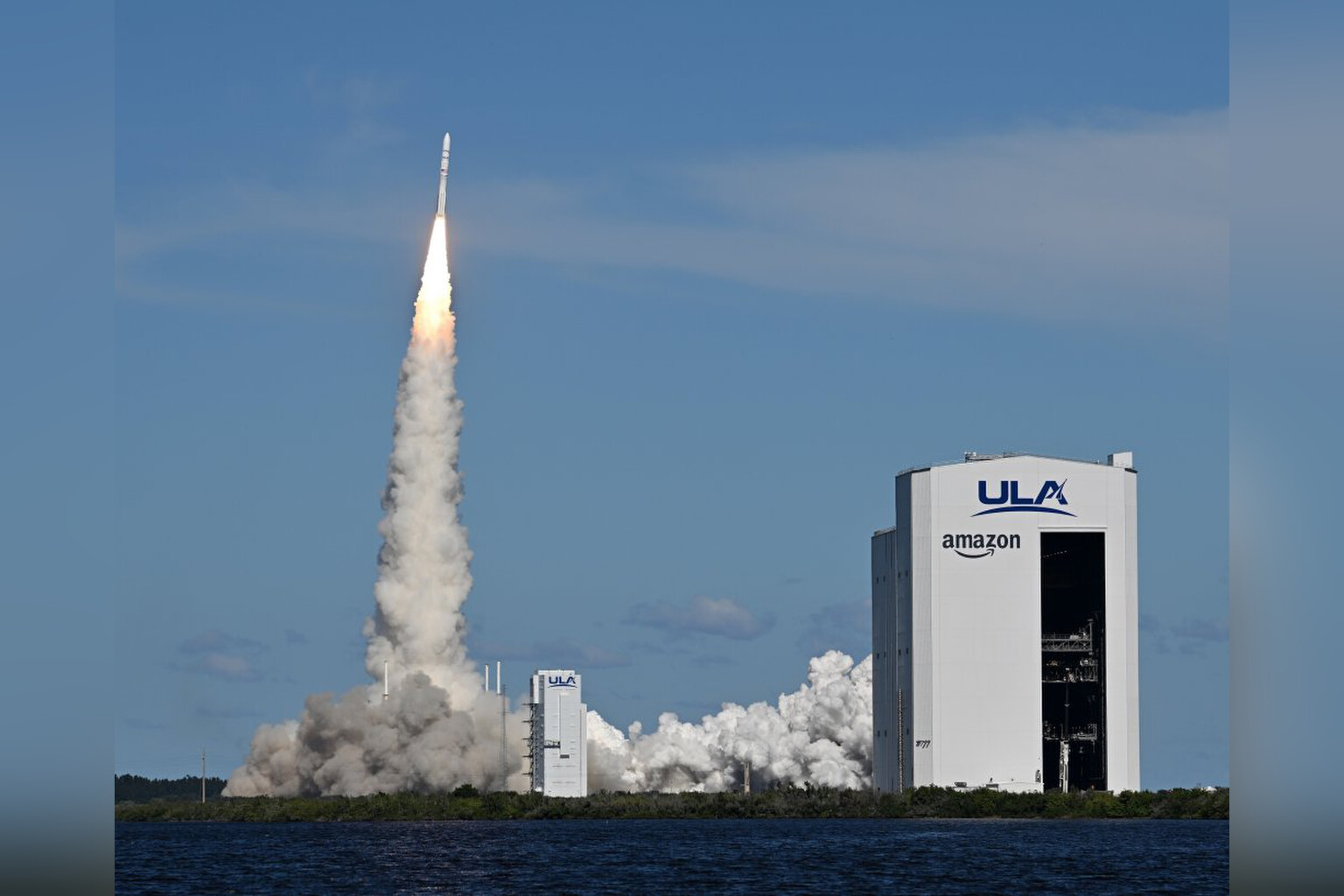
United Launch Alliance is vowing to investigate after its Vulcan rocket suffered a catastrophic failure minutes into a mission carrying Amazon broadband satellites.
The Colorado-based launch provider, 50-50 owned by Boeing and Lockheed Martin, lost all 40 Leo satellites aboard the Vulcan Leo 1 vessel when the rocket encountered an unspecified anomaly roughly 10 minutes after liftoff. The mission had blasted off from Cape Canaveral Space Force Station in Florida at approximately 12:45 p.m. Sunday.
ULA disclosed the failure in an X post shortly after the incident, offering few details about what went wrong during the ascent.
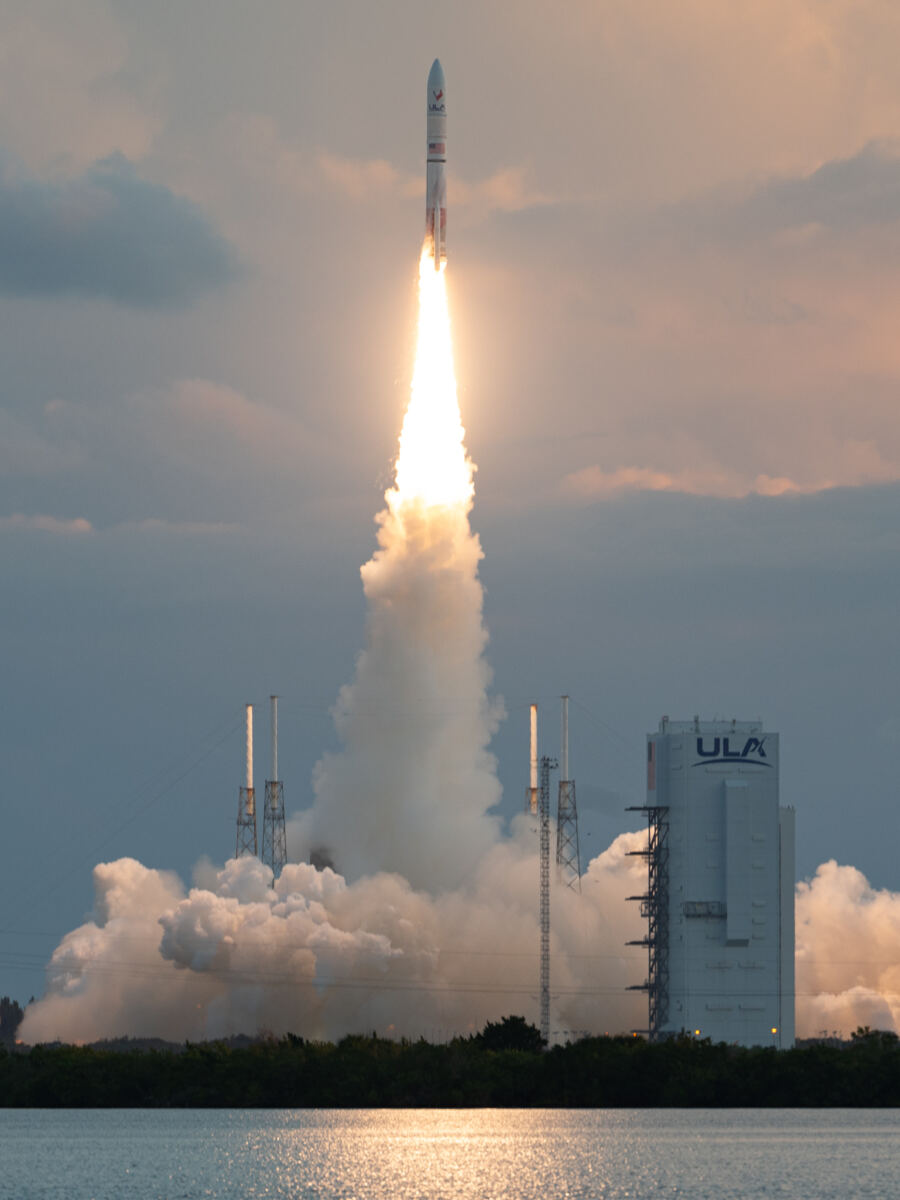
The aerospace firm said it intends to probe the malfunction and resume launches swiftly. “Every flight generates data, and every flight teaches us something,” the company said in a statement. “Since the anomaly just occurred, we don’t have any specific data yet to understand what occurred today.”
Amazon, the Seattle-based tech giant, had contracted ULA for the mission as the opening salvo in a broader satellite deployment. The satellites were designed to orbit Earth and beam internet service to regions currently lacking broadband coverage, what ULA termed “service dead-zones.”
The Vulcan Leo 1 designation signaled the start of a planned series of joint takeoffs between the two companies. Sunday’s failure leaves that timeline in doubt pending the investigation’s findings.
ULA’s statement emphasized its commitment to returning to flight operations, though it offered no projected date for its next launch attempt. The company has positioned Vulcan as a workhorse rocket capable of competing with SpaceX’s Falcon fleet for national security and commercial contracts.
The mission marked another setback for Amazon’s Project Kuiper, the e-commerce giant’s answer to SpaceX’s Starlink network. Amazon has raced to build out its constellation of low Earth orbit satellites to capture a share of the consumer and enterprise broadband market.
Boeing and Lockheed Martin formed ULA in 2006, merging their launch divisions into a single entity that has historically dominated U.S. Government payload missions. Vulcan represents its next-generation vehicle, developed to replace the aging Atlas and Delta rocket families at lower cost.
Sunday’s failure raises fresh questions about Vulcan’s reliability as the rocket seeks to establish a track record. The vehicle had flown successfully on prior missions, making this anomaly particularly notable for the program.
Neither Amazon nor ULA has disclosed the financial terms of their launch agreement or the insurance coverage for the lost satellites. The payload represented a significant portion of hardware intended to begin populating Amazon’s orbital network.
ULA’s social media messaging struck a measured tone even as the scope of the failure became clear. The company did not characterize the incident as a total loss in its initial communications, though the destruction of all 40 satellites effectively erased the mission’s objectives.
The Cape Canaveral launch had already drawn attention as a milestone for both companies, combining ULA’s established launch infrastructure with Amazon’s emerging space ambitions. Observers had viewed the partnership as a counterweight to SpaceX’s vertical integration of rocket manufacturing and satellite operation.
Weather conditions at the Florida spaceport had appeared favorable ahead of the afternoon liftoff. The anomaly manifested during the rocket’s powered flight phase, before the satellites could be deployed into their intended orbits.
Space industry analysts will scrutinize whatever data ULA recovers from the flight recorders and telemetry. The company’s pledge to investigate thoroughly suggests a potentially lengthy stand-down before the next Vulcan mission, though ULA has not specified any timeline.
Amazon has not issued a separate statement on the failure. The tech giant has previously announced plans to invest billions in its Kuiper constellation, with regulatory deadlines looming for partial deployment.
ULA’s next scheduled Vulcan launch remains unconfirmed as engineers begin dissecting Sunday’s anomaly.