

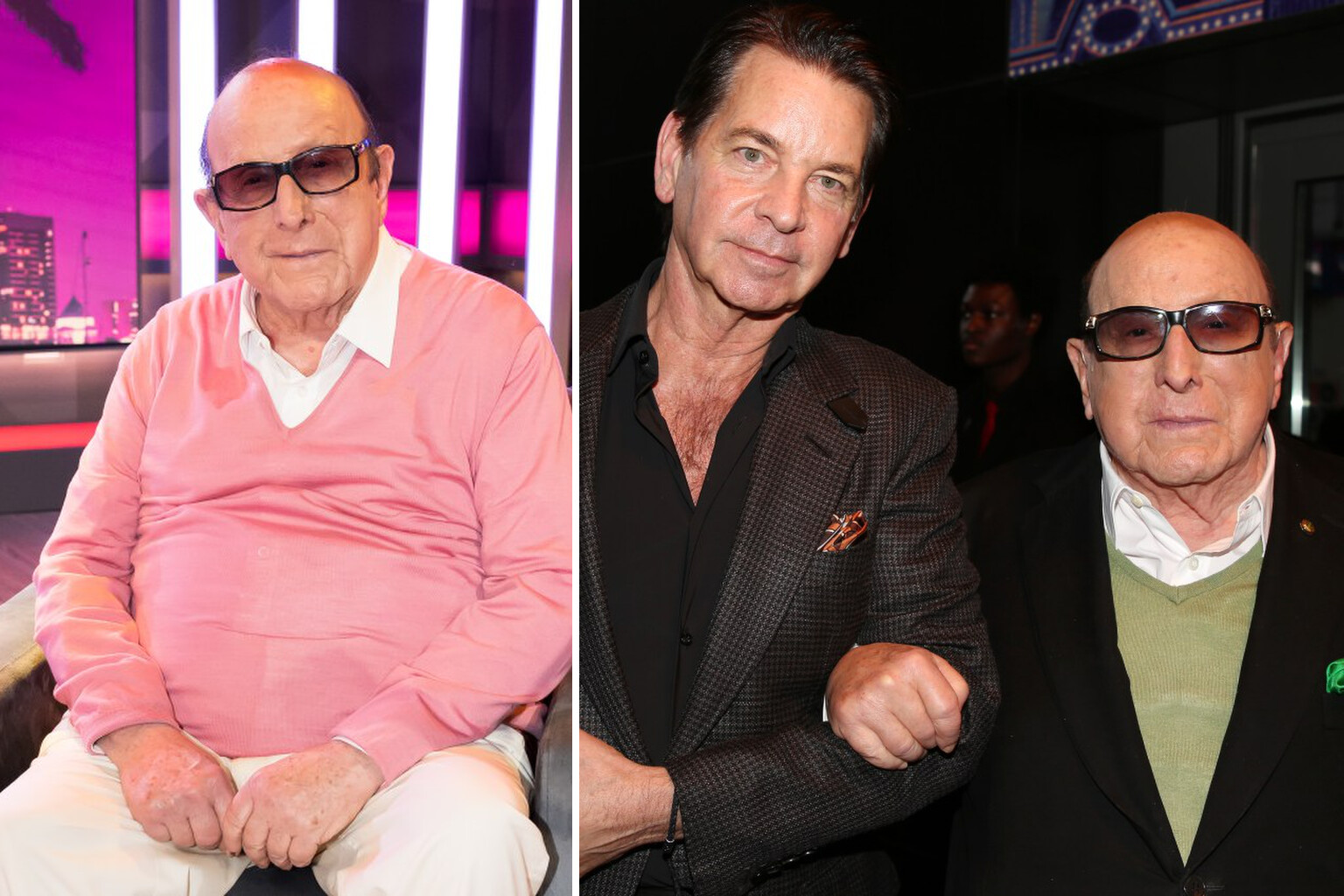
Clive Davis’ final will singled out his longtime partner for a harsh financial exception while forgiving debts owed by nearly everyone else in his inner circle.
The legendary music mogul, 94, directed that loans to his children, former wife Janet Davis, and several close friends and relatives be wiped out upon his death, according to the document signed April 16 and admitted to probate in New York on October 30. But Greg Schriefer, his partner of more than two decades, faced a starkly different instruction regarding money borrowed just two months before Davis passed away on June 22.
“If, at my death, GREG shall be indebted to me,” Davis stated in the will, referring to a promissory note dated September 18, any outstanding debt under that agreement “shall not be extinguished” and “shall not be cancelled.” The document did not disclose how much Schriefer had borrowed or whether any balance remained unpaid at the time of Davis’ death.
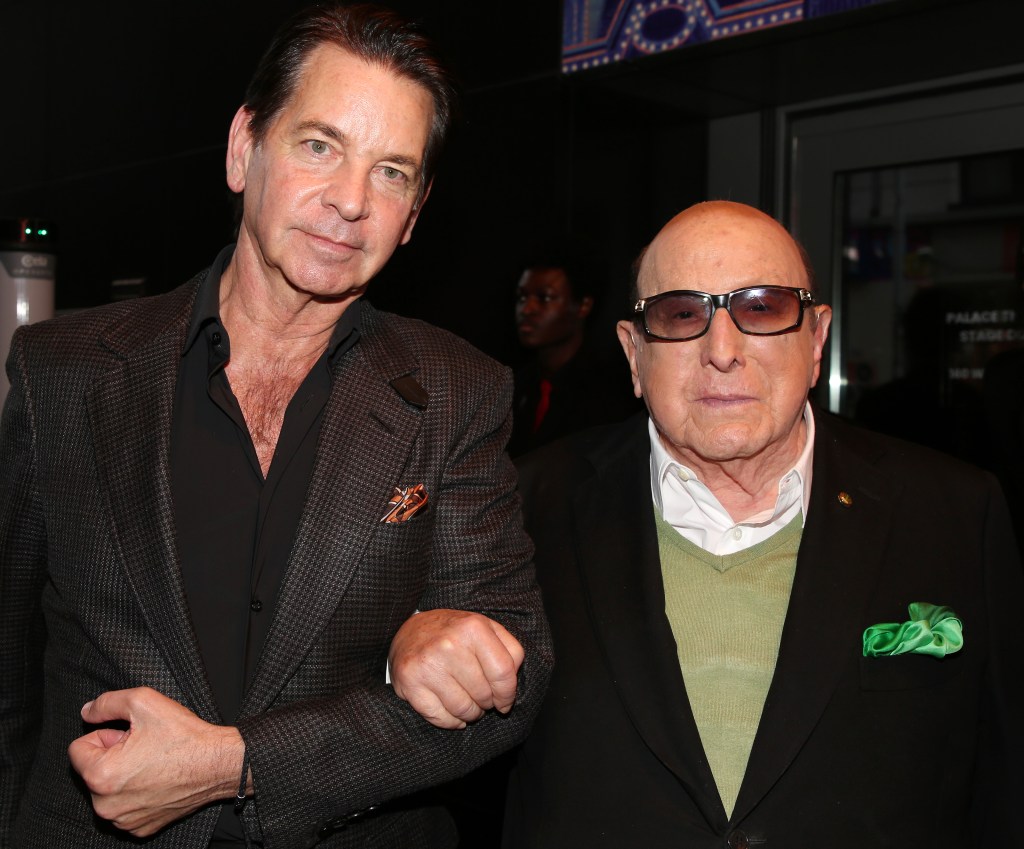
The exception carved out for Schriefer appeared within a section titled “Forgiveness of Indebtedness,” where Davis had broadly named his partner among those whose debts would generally be forgiven. The contradictory treatment made the separate, specific denial of loan cancellation for the September 2025 note particularly striking.
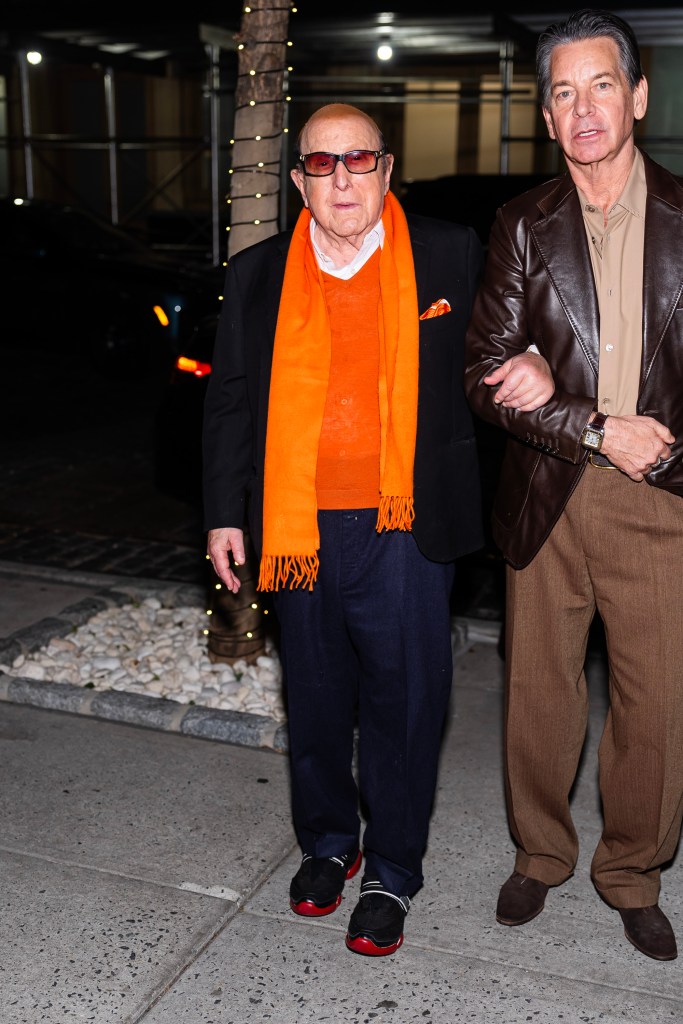
Schriefer had been present at Davis’ final moments inside the couple’s longtime Manhattan apartment at the Ritz Tower, where the producer died at 10:58 a.m. On June 22. “I was holding his hand as he took his final breath, surrounded by family and dear friends who loved him deeply,” Schriefer said.
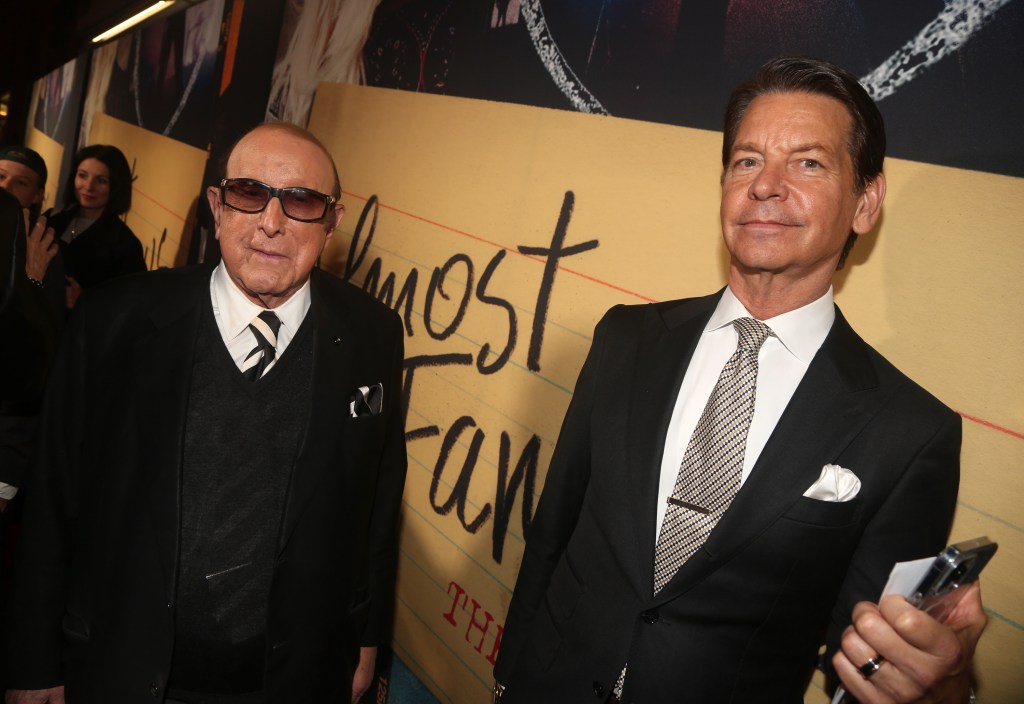
Davis came out as bisexual in 2013 and wrote about Schriefer in his autobiography, “The Soundtrack of My Life.” Schriefer has described the five-time Grammy winner and Rock & Roll Hall of Fame inductee as the love of his life.
The will named two of Davis’ sons, Frederic and Douglas Davis, along with longtime friend Donald Zakarin, as executors. It also contained a no-contest provision warning that beneficiaries who challenged the will or his revocable trust could lose their inheritance under applicable law. No indication appeared in probate documents that Schriefer had mounted any challenge.
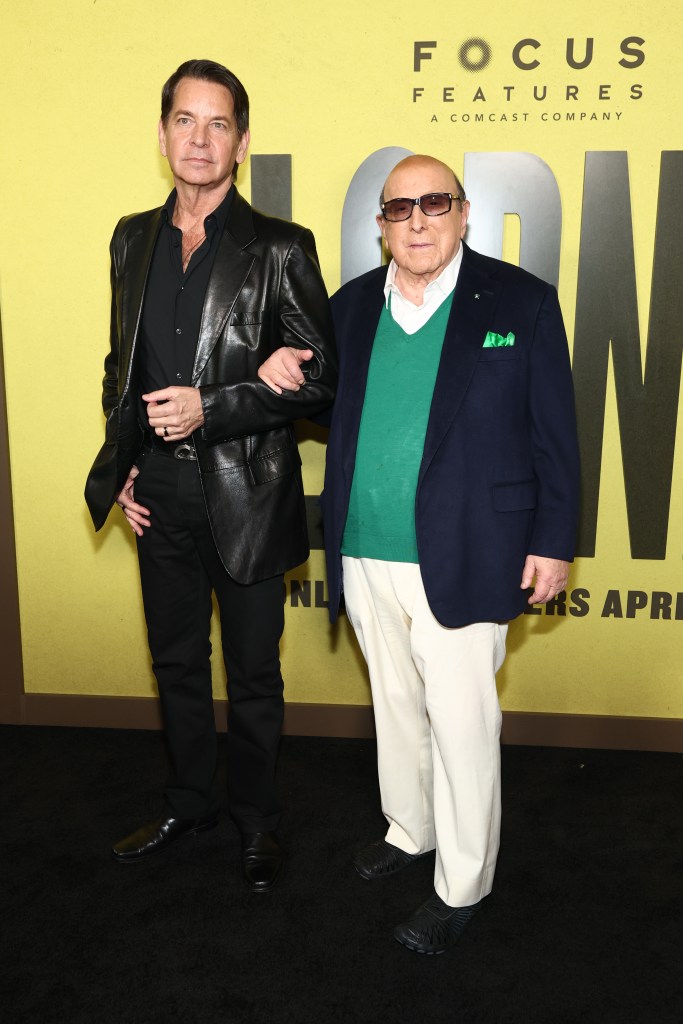
Davis directed that his residences, personal belongings and remaining estate assets be transferred to trustees of a revocable trust originally established in March 2018. The probate petition valued the music industry titan’s estate at more than $50 million, including over $25 million in personal property and over $25 million in New York real estate. Those figures represented preliminary estimates and did not capture the full scope of assets potentially held separately in trusts.
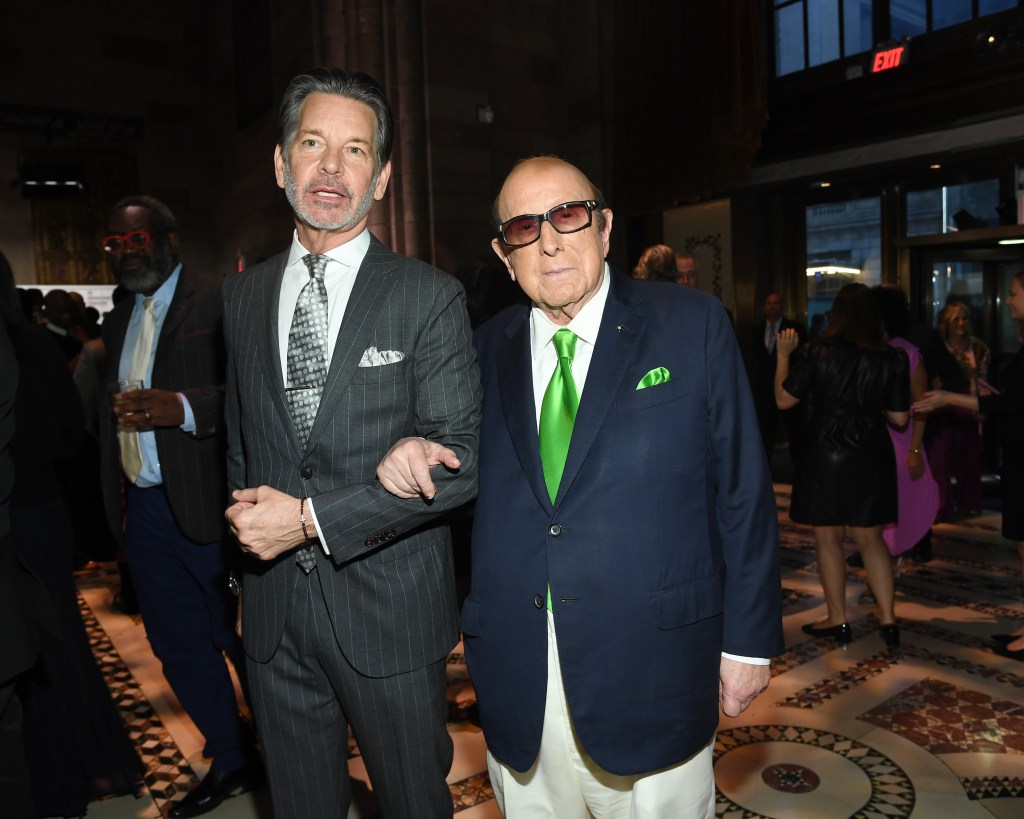
The financial revelations emerged as Davis’ lavish Upper East Side duplex hit the market for $11 million. Some friends had criticized the asking price and staging of the residence, where Davis had lived for decades and died. A family spokesperson pushed back, insisting the music executive had left specific presentation instructions and that his wishes were being followed, adding that the property had already drawn multiple serious inquiries and viewings.
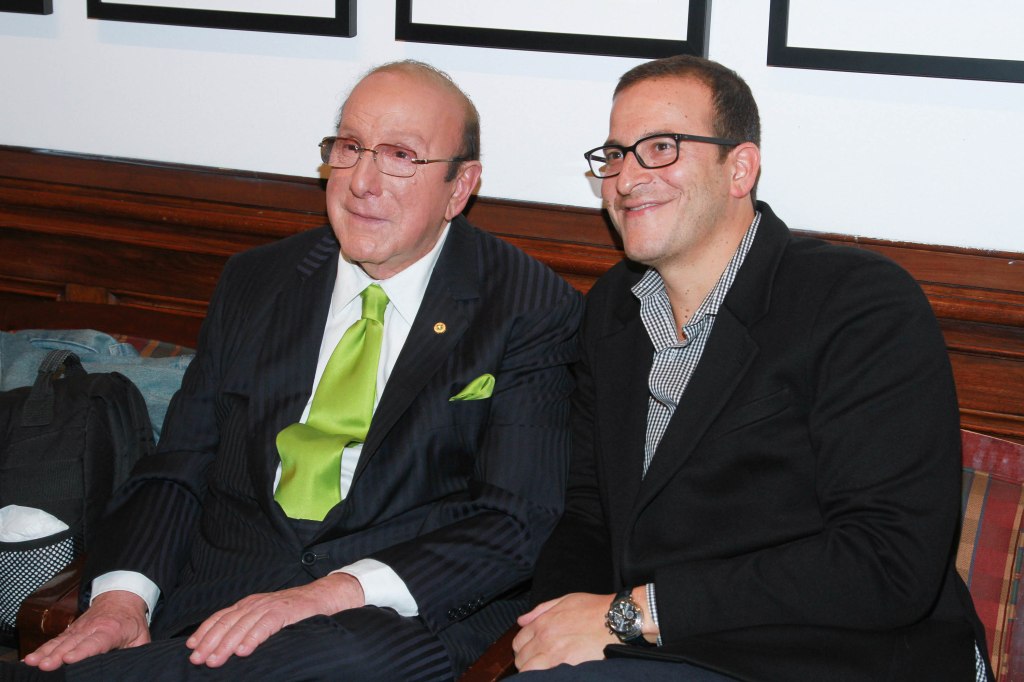
Reps for Davis’ estate and Schriefer did not immediately respond to requests for comment on the will’s debt provisions.
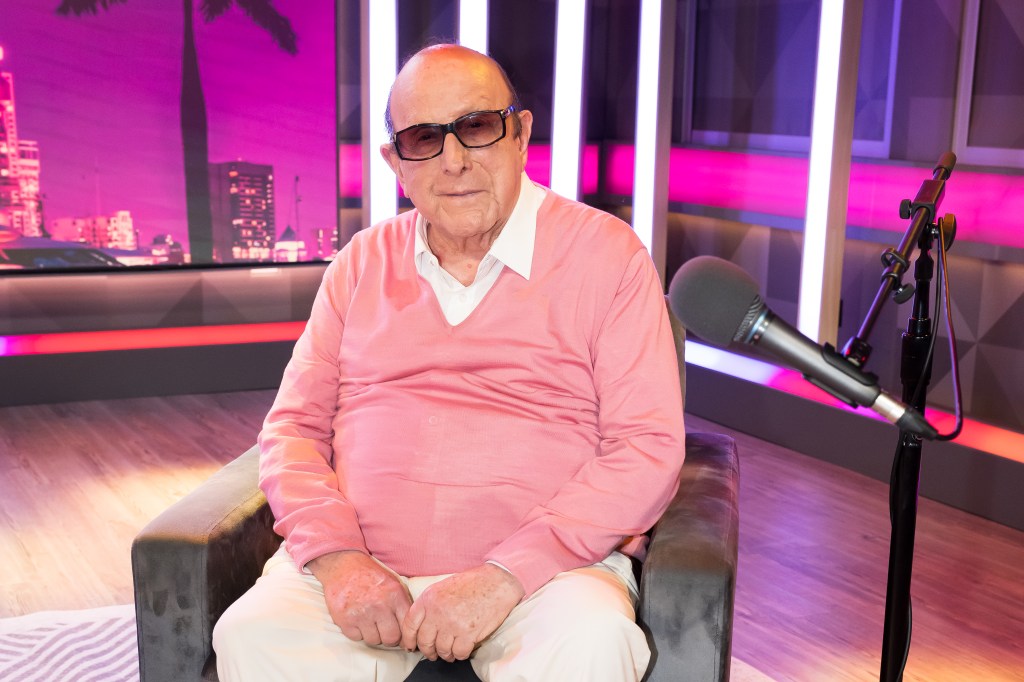
The will’s admission to probate in late October formally launched the administration of one of the music industry’s most consequential estates, built across a career spanning from the 1960s discovery of Janis Joplin through the shaping of Whitney Houston’s stardom and beyond.