

Major American companies are racing to overhaul aging computer systems before holiday demand peaks, a push that is itself triggering crippling outages across banking, aviation and technology sectors.
The warning comes after a bruising week that saw back-to-back failures at Microsoft, JPMorgan Chase and United Airlines, leaving millions unable to access email, transfer money or board flights. Cyber security experts say the worst may still be ahead.
Marva Bailer, 52, CEO of tech advisory firm Qualaix, told The Post that companies face a perfect storm of pressure. “It’s holiday time, it’s travel time, it’s shopping. So you have all those higher spikes in volume, and more pressure to [update your systems,]” she said.
That pressure has translated into a flurry of pre-holiday system changes that would normally be frozen during peak periods. Companies typically lock in software configurations ahead of Black Friday and similar events, creating a hard deadline for completing upgrades. Airlines and federal regulators face the same crunch as Thanksgiving travel volumes swell.
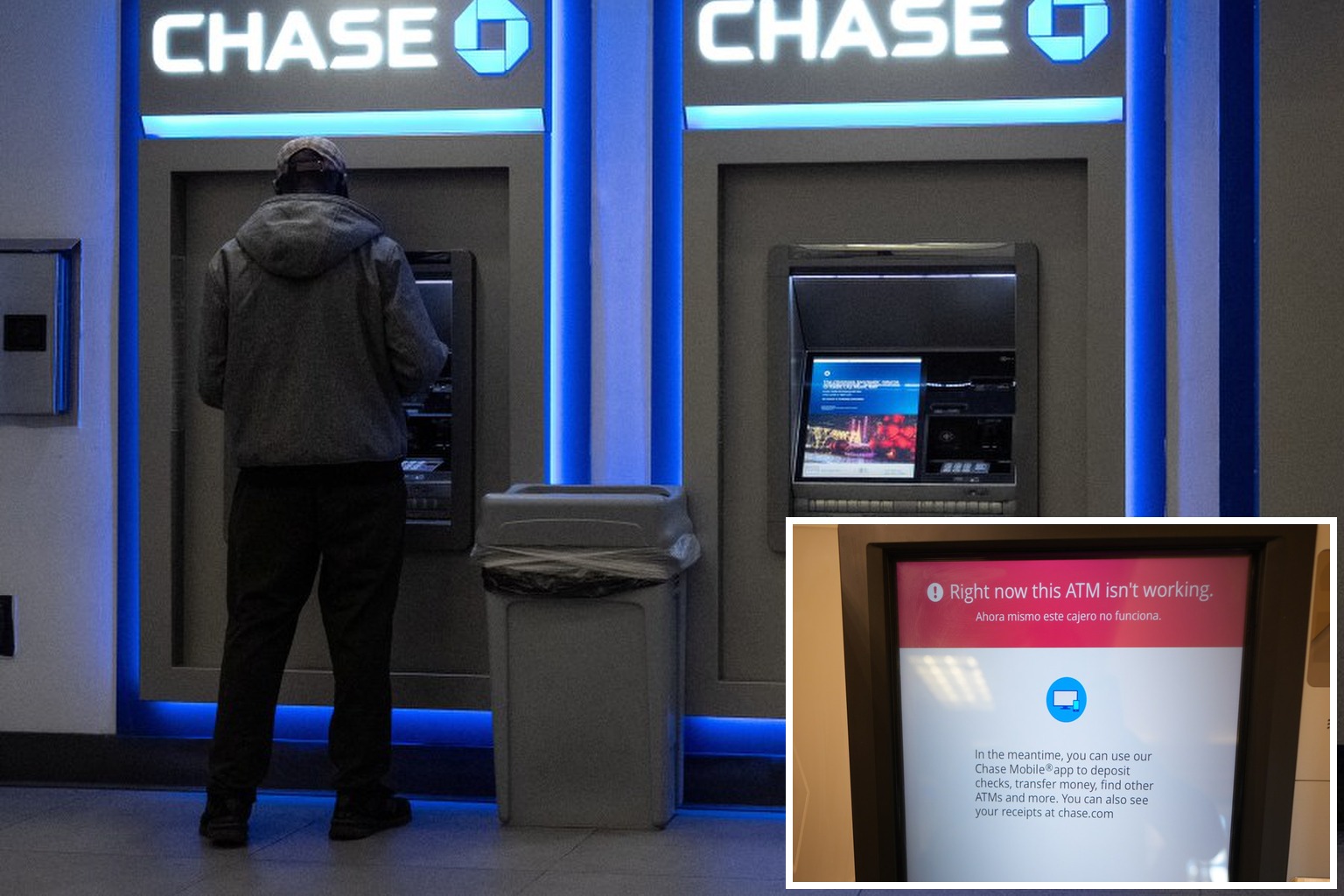
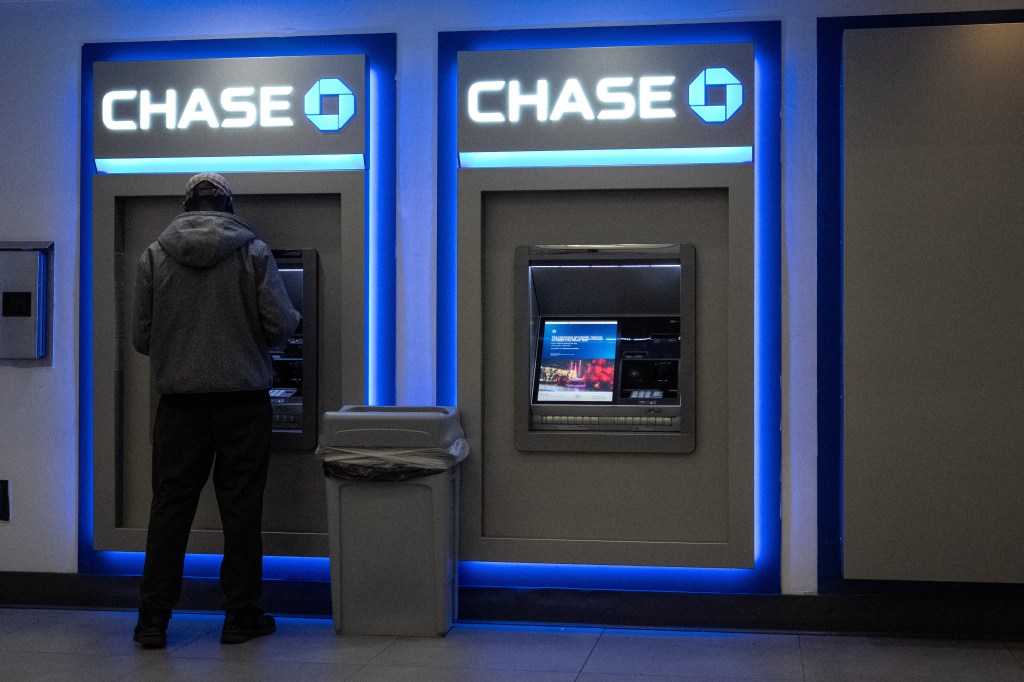
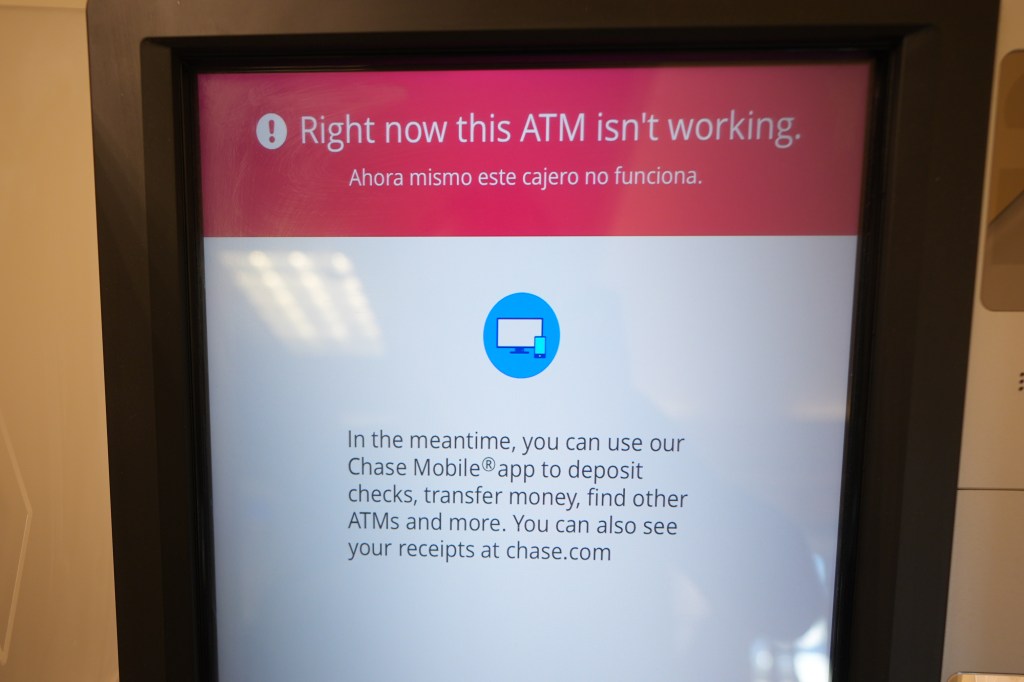
The rush appears to be exposing deep fragility in the infrastructure Americans use daily. On Monday, Chase suffered an outage traced to a software bug within its own systems, but the damage spread far beyond the bank. Related transactions through Zelle failed, and customers at Bank of America, Capital One and Wells Fargo reported disruptions, according to multiple reports.
Also on Monday, United Airlines halted all departing flights nationwide due to a separate technical problem with its system. The ground stop came just days after Microsoft knocked out business software including Outlook email systems across the globe on Thursday. The tech giant attributed that failure to a “latent” software defect combined with surging server demand.
Then on Friday, the Federal Aviation Administration ordered a nationwide ground stop that stranded thousands of passengers. That incident has been blamed on a malfunctioning router in rural Arkansas that overloaded servers on the agency’s aging system.
None of the incidents have been attributed to cyber attacks, nor have experts linked them to AI exploiting security flaws. But Bailer said artificial intelligence may still be contributing to the broader instability.
AI tools are allowing companies to identify software vulnerabilities at dramatically faster speeds, potentially overwhelming IT workers with problems to fix before the holiday freeze sets in. Meanwhile, companies are bolting AI components and third-party vendor systems onto legacy infrastructure that Bailer described as increasingly resembling “Frankenstein’s monster” — with more points of failure at every connection.
The hidden architecture of modern commerce compounds the risk. Behind every debit card swipe, flight booking or payment transfer sits an army of middlemen most consumers never encounter. “They do the billing. They do the encryption. They actually move the money,” Bailer said.
“We’ve added layers,” she continued. “When we think about a banking system in layers, we think about branches and ATMs, but do we really think about Zelle?”
Those layers mean a single faulty software patch or security update can sever communication between otherwise functioning systems, grinding operations across entire industries. The Chase incident demonstrated exactly that dynamic: an internal bug propagated through interconnected payment networks.
Chase has not disclosed whether a software update specifically triggered Monday’s failure. There is no evidence that the three major outages were connected to each other or that AI directly caused any of them.
The retail consequences of another meltdown during peak shopping season could extend well beyond inconvenienced consumers. “It’s not just consumers,” Bailer said. “It’s small businesses.”
The FAA’s router failure in Arkansas underscores that government systems face similar obsolescence pressures. The agency’s aging infrastructure could not handle the load shifted by a single hardware malfunction, forcing a cascading nationwide halt.
With companies now caught between the risks of updating and the risks of standing still, Bailer and other experts expect the instability to continue. The mad rush to modernize before the holidays leaves little margin for error — and millions of Americans dependent on systems straining at every seam.