

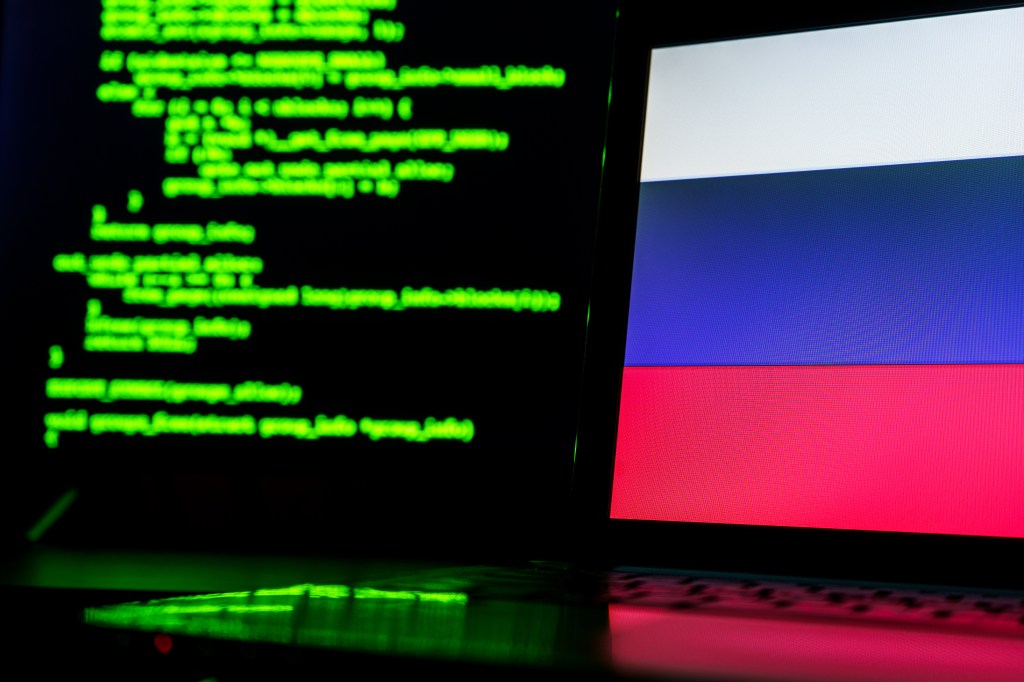
Google has identified what it calls the first fully automated AI cyber attack in history, with hackers reportedly operating out of Russia.
The tech giant’s cyber threat intelligence division spotted the operation on Monday, flagging a group that deployed an AI agent capable of discovering and exploiting software vulnerabilities without any human involvement. Google’s team described the breakthrough as the first instance of “fully automate vulnerability discovery and exploitation without a human in the loop.”
The finding lands amid a brutal stretch for American digital infrastructure. Major institutions across the country suffered crippling outages this past week, with federal officials and cybersecurity experts pointing to artificial intelligence as a likely culprit. The timing has intensified scrutiny of how rapidly AI-powered threats are evolving.
Security researchers have spent months warning about precisely this scenario. The concept of “zero day” agentic AI hackers — autonomous systems that independently scout for and weaponize unknown software flaws — has circulated in cybersecurity circles as a looming nightmare. Monday’s disclosure marks the moment that theoretical threat appears to have crossed into reality.
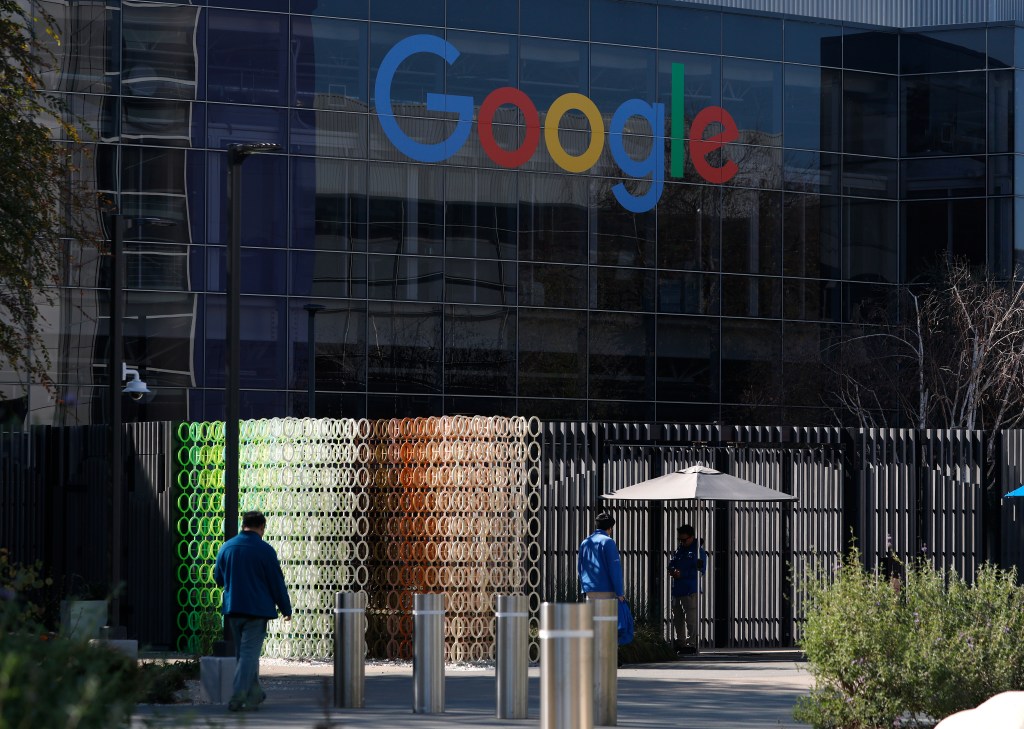
Google has not publicly named the specific Russian group behind the operation or detailed which systems were targeted. The company also stopped short of connecting this automated attack directly to the broader wave of outages that has disrupted services across the United States in recent days.
The distinction matters for how officials and companies calibrate their response. A fully automated attack chain removes the traditional speed bumps that give defenders time — human operators need sleep, make errors, and leave fingerprints. An AI agent running continuously could compress the window between vulnerability disclosure and exploitation to near zero.
Federal officials have offered conflicting assessments of whether the recent outages share a common cause. Secretary of State Marco Rubio insisted Tuesday that there is “zero evidence” linking widespread tech outages and cyberattacks, pushing back against speculation that a coordinated campaign is underway. Vice President JD Vance, meanwhile, urged Americans not to panic-buy emergency supplies while still advising they “be prepared for everything.”
The outages have hit with remarkable breadth. Reports indicate 178 major websites including CNN and Zoom were targeted in one wave, with attackers attempting to steal cryptocurrency and infect iPhones. Separate disruptions affected Chase, Microsoft, and United Airlines, while a classified U.S. Communication network also went down before being restored.
Google’s disclosure about the Russian AI operation adds a new dimension to an already volatile threat landscape. The company has positioned its threat intelligence division at the center of monitoring these developments, though the full technical details of how the automated system functioned remain under wraps.
Analysts note that the leap to fully autonomous exploitation represents a phase change in cyber warfare. Previous AI-assisted attacks still required human direction at critical junctures — selecting targets, approving payloads, or managing infrastructure. Removing that oversight entirely creates a different category of risk that existing defense frameworks may not address.
Google caught the operation during what appears to be an early deployment, before the technique could propagate more widely. Whether other groups have already replicated the capability, or how quickly they might, remains an open question that will shape security planning across government and industry.