UK Defence Secretary Wes Streeting has spoken out on the rising danger of state-sponsored attacks against civilian infrastructure.
Streeting, 41, said that terms like “hybrid warfare” and “grey zone threats” fail to convey the reality of modern dangers to the British public. “Terms like ‘hybrid warfare’ and ‘grey zone threats’ do not accurately capture or convey to the general public what I prefer to describe as ‘state-sponsored terrorism’,” he said. “So in the face of those threats, which are not hypothetical but real, and not somewhere else but increasingly here, we have to step up and take seriously our national resilience as well as our national defence.”
The minister continued: “It’s really important that we ask households and businesses, are they prepared? Are they ready? Do they know how they would respond in the event of everyday challenges that might manifest themselves?”
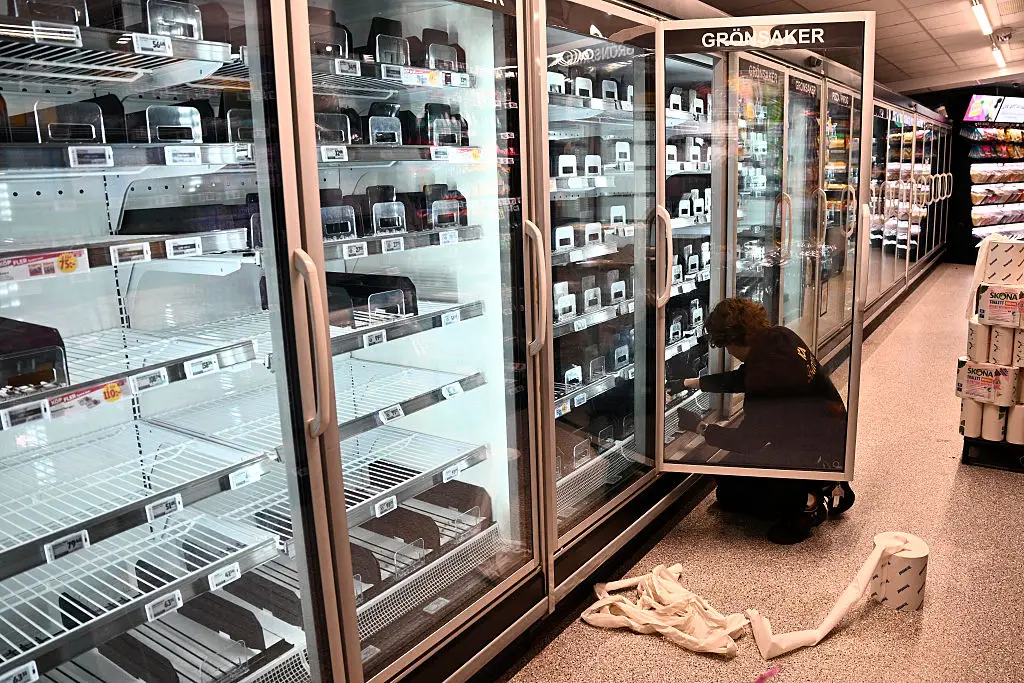
His remarks come as the UK government issued fresh guidance urging every household to maintain three days’ worth of food and nine litres of bottled water for emergencies. The advice also covers preparation for a “Black Sky” event, a total national power grid failure that would cripple communications and transport networks. The BBC has prepared a secure studio running on generators to broadcast public information until power returns.
The UK’s warning forms part of a broader pattern of governments worldwide telling citizens to stockpile supplies. The outlet report identified numerous countries now offering similar emergency kit guidance, from food stockpiles to broader survival preparations.
Multiple overlapping crises are driving the new urgency. Russia has pursued “grey zone” attacks across Europe, disrupting transport and food infrastructure while staying below the threshold of formal warfare. One recent cyberattack of unconfirmed origin hit seven European countries by remotely heating refrigeration networks, spoiling food supplies.
Wars in Ukraine, Sudan, Myanmar, Gaza and Iran have already strained global systems. The Iran conflict saw Tehran block the Strait of Hormuz, a chokepoint for global oil traffic. Climate change compounds the risk, with extreme weather increasingly likely to fracture complicated supply networks that bring fresh produce to shelves.
A powerful El Niño cycle, so intense it has been dubbed a “Super El Niño” and described as likely the strongest on record, is expected to trigger floods, wildfires and other extreme weather worldwide in coming months.
The UK is not alone in its concern. European governments in particular have grown alarmed at the potential for Russian escalation on the continent. The confluence of military conflict, cyber vulnerability, climate stress and natural weather cycles has created what officials describe as an unprecedented threat to the complicated networks modern populations depend upon for basic necessities.
Streeting’s intervention marks a notable shift in government messaging, framing infrastructure threats in the blunt language of terrorism rather than technical military terminology. The direct appeal to households and businesses to assess their own readiness represents an effort to translate strategic risk into personal action.
The guidance to stockpile water and food represents a practical first step in what officials are calling a necessary national resilience effort.