

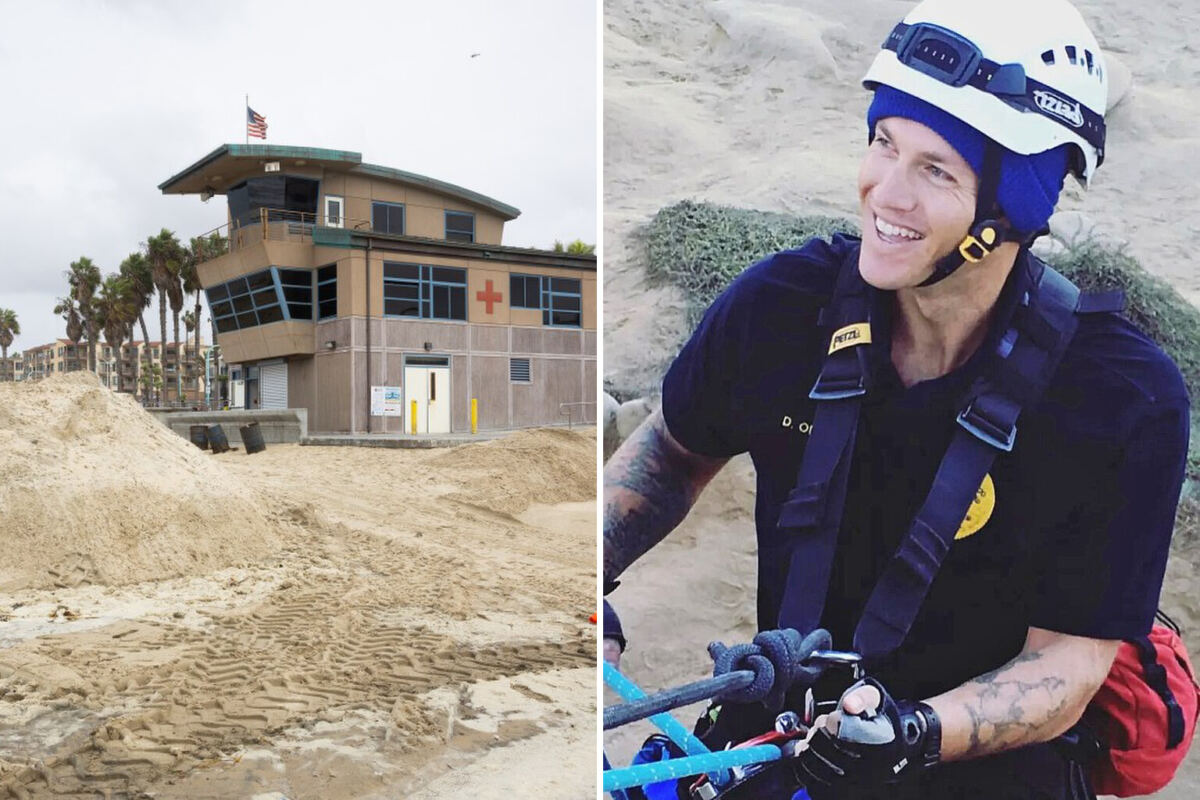
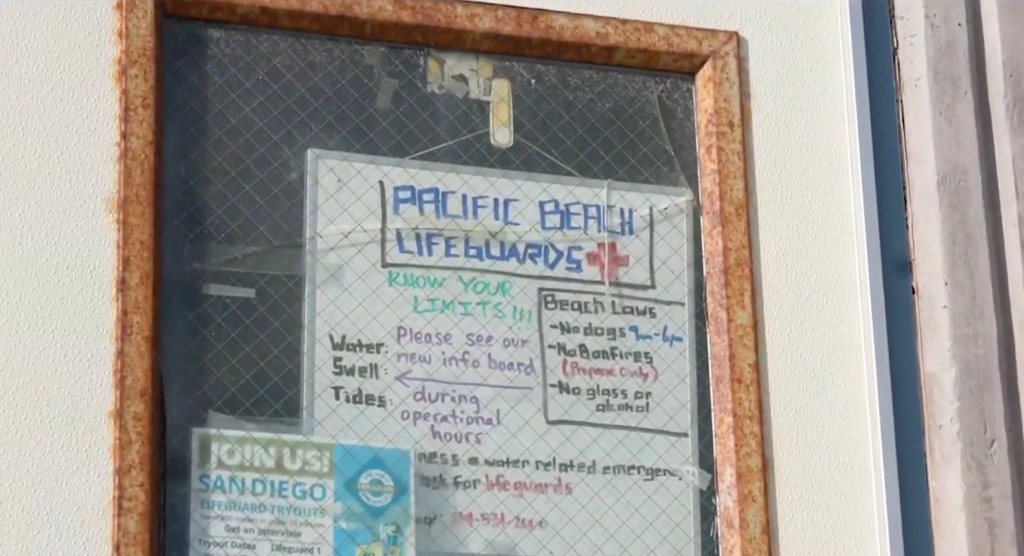
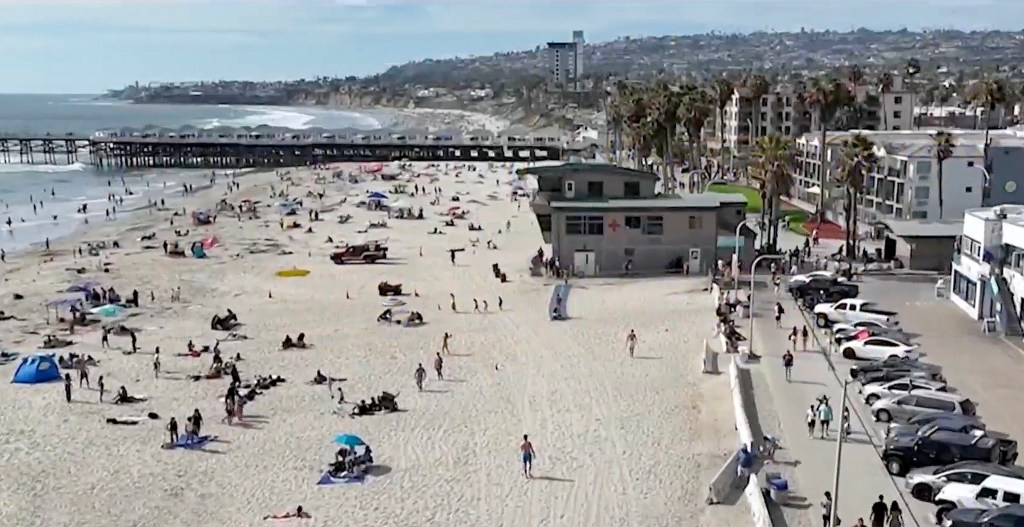
Women lifeguards in San Diego have broken their silence about years of sexual harassment and abuse inside their department.
The City of San Diego’s Equal Employment Investigations Office launched a probe earlier this year and interviewed 18 current and former female lifeguards after a former guard’s explosive Instagram post surfaced in April. The unidentified woman wrote that being female in the service meant placing “your own actions under a microscope, constantly examining yourself for any wrong move.”
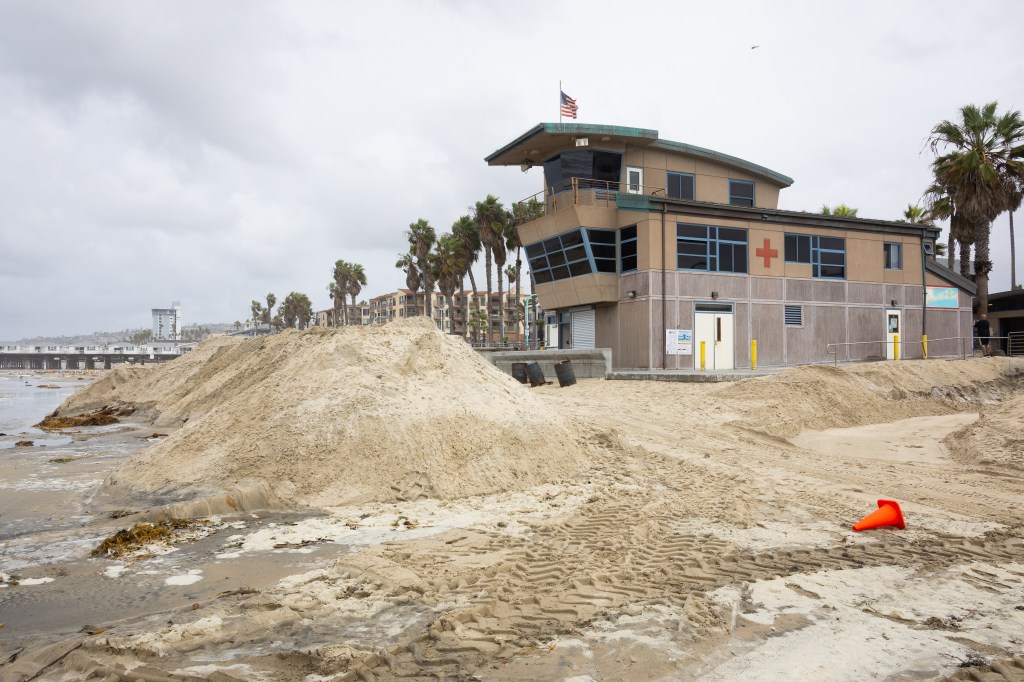
“There have been countless instances where I smiled or nodded or shrugged things off silently because I did not want to make waves,” she wrote on the platform. She continued, “I know now that my crime was being a powerful young woman in the pursuit of her dreams.”
The same former guard added that holding onto her ambition “required my silence” and that she had heard how women who “make noise” are treated when they finally assert “the fullness of their own humanity in a space which has systematically denied them of it.”
The Instagram post triggered an investigation that uncovered far worse behavior. One female lifeguard told investigators that a male coworker repeatedly insisted on walking her to her car. When she refused, he made a graphic sexual advance.
“I want to lick your p—y so bad,” he reportedly told her. The wife of another employee grabbed the man, and the woman fled to her vehicle. The same male lifeguard received lifeguard of the year honors the following year, the witness said.
The toxic culture extended into social settings where alcohol flowed. Multiple women said male coworkers groped female colleagues at routine bar outings after shifts ended. Several female lifeguards said they had been groped themselves at these gatherings, and investigators noted that many allegations of sexual assault or harassment traced back to these drunken events.
A disturbing pattern emerged around relationships with older male lifeguards. One female guard told investigators that women who became involved with male supervisors gained professional advantages. The cost of visibility came with cruel labels. Women who dated multiple men inside the service earned the nickname “a TR bike,” with TR standing for “tower relief,” the job of covering breaks for other guards.
“They told me not to be hooking up with too many men or that would be my nickname,” one lifeguard told investigators.
The report also found that some women in leadership roles perpetuated the abuse. Female supervisors sometimes “normalized the negative treatment” because they had endured similar mistreatment as junior guards. One lifeguard said that raising concerns meant being branded “overly sensitive.”
Mandatory sexual harassment training became a running joke among male lifeguards. One witness told investigators that men would print their completion certificates, tape them to tower walls, and boast about being “100% certified to sexually harass.”
Many guards skipped the training entirely or had others click through the modules while they were away, since the requirement demanded two consecutive hours they claimed not to have.
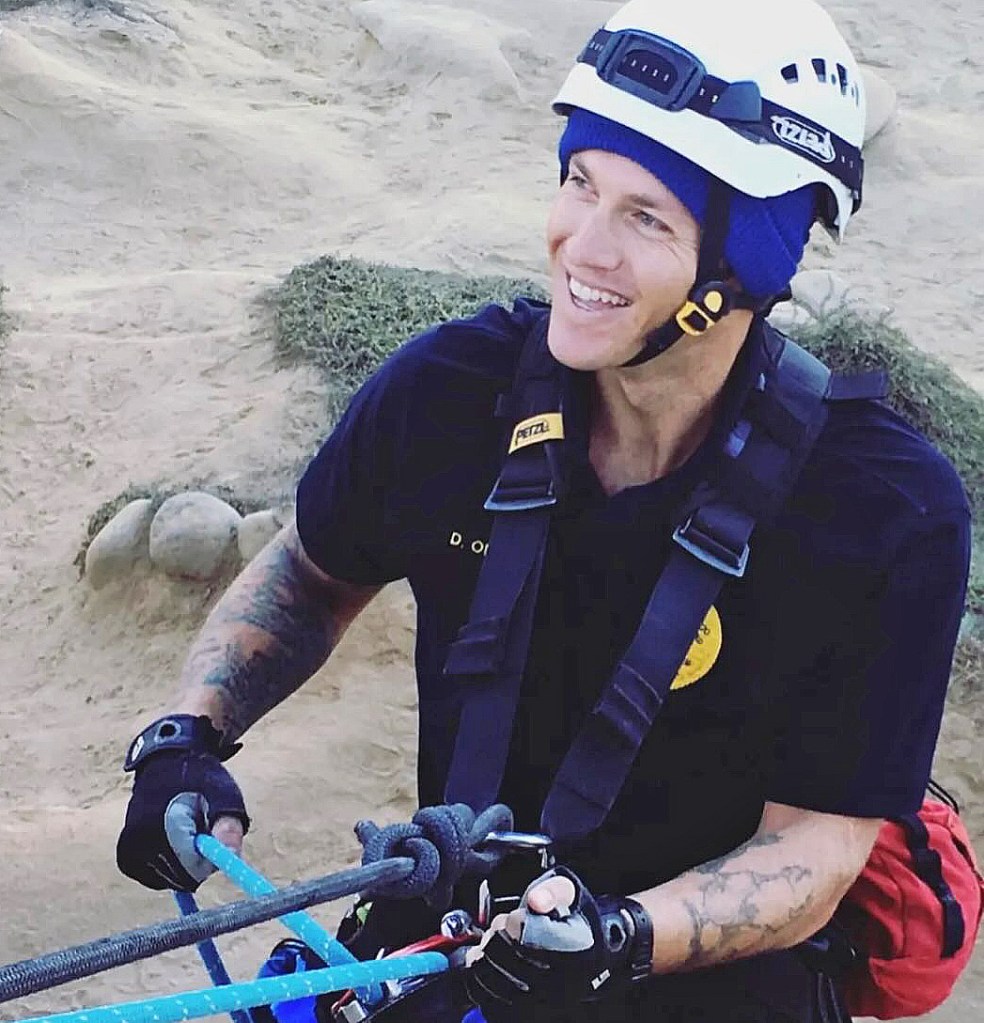
Daniel Orloff, the new chief of San Diego Fire-Rescue’s Lifeguard Services, addressed the findings through a spokesperson in a statement to NBC7. “The City does not comment on personnel matters; however, Chief Logan, Chief Orloff and the San Diego Fire-Rescue Department take all allegations of assault, discrimination, and retaliation seriously and claims are thoroughly investigated consistent with City policies and procedures,” the statement said.
The department’s previous chief, James Gartland, departed in October. A separate report had alleged that Gartland forced a former lifeguard to resign after that guard reported sexual harassment by a coworker.