

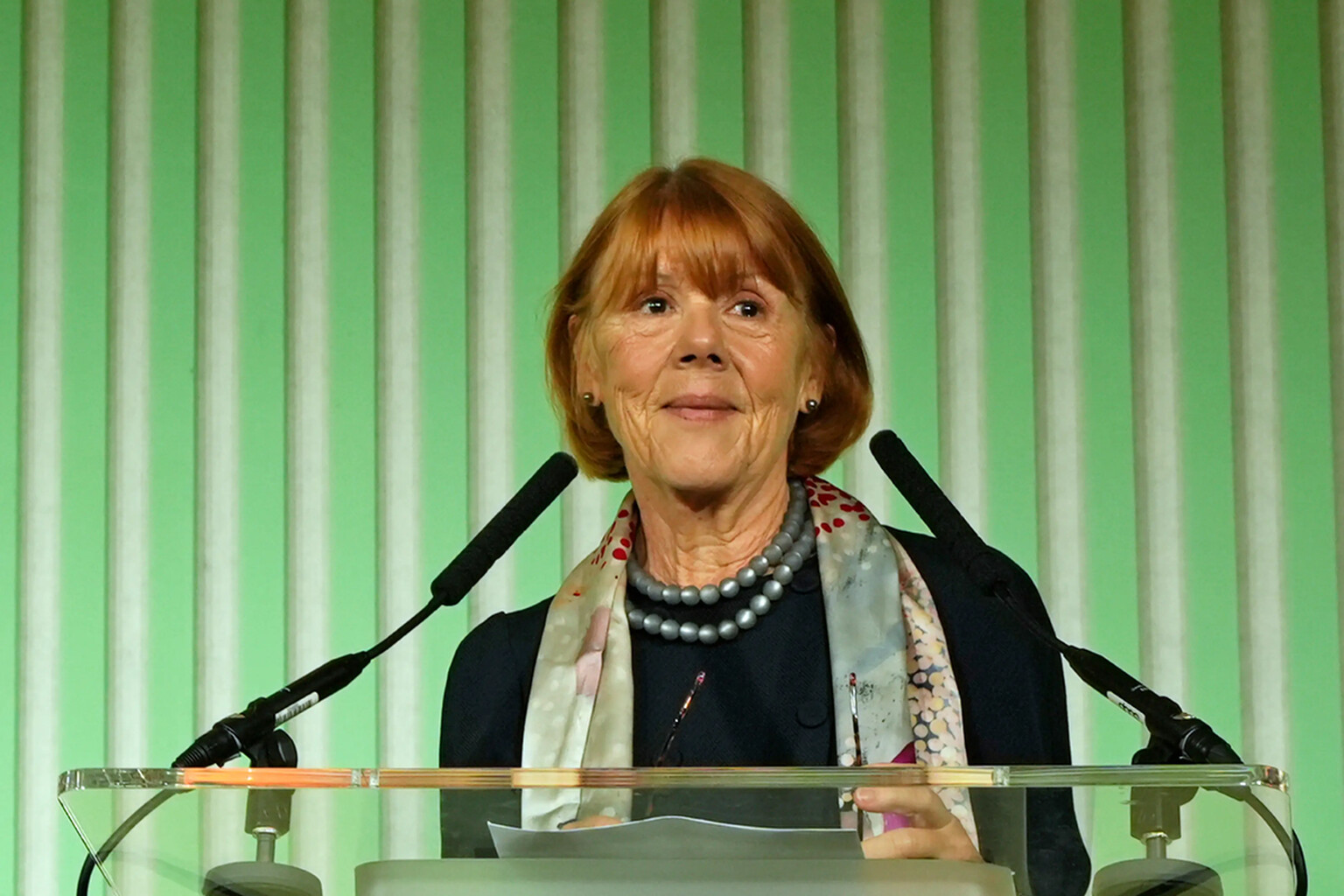
Gisèle Pelicot has spoken out after a publisher distributed nude photographs of her without consent to promote a book about her case.
The 73-year-old Frenchwoman told broadcaster BFM TV she was “deeply shocked that images from the most intimate part of my private life are being displayed and exploited for commercial purposes.” Pelicot, who waived her right to anonymity during her ex-husband’s 2024 rape trial to argue that “shame has to change sides,” now finds herself at the center of a fresh privacy violation.
“I refuse to let my privacy become an advertising tool,” she said in her televised statement.
The controversy centers on Tinbad publishing house and author Sabine Prokhoris, whose essay included one chapter about Pelicot’s case. French media reported that Tinbad emailed nude photos taken by Pelicot’s ex-husband to some media outlets as part of the promotional campaign for the book.
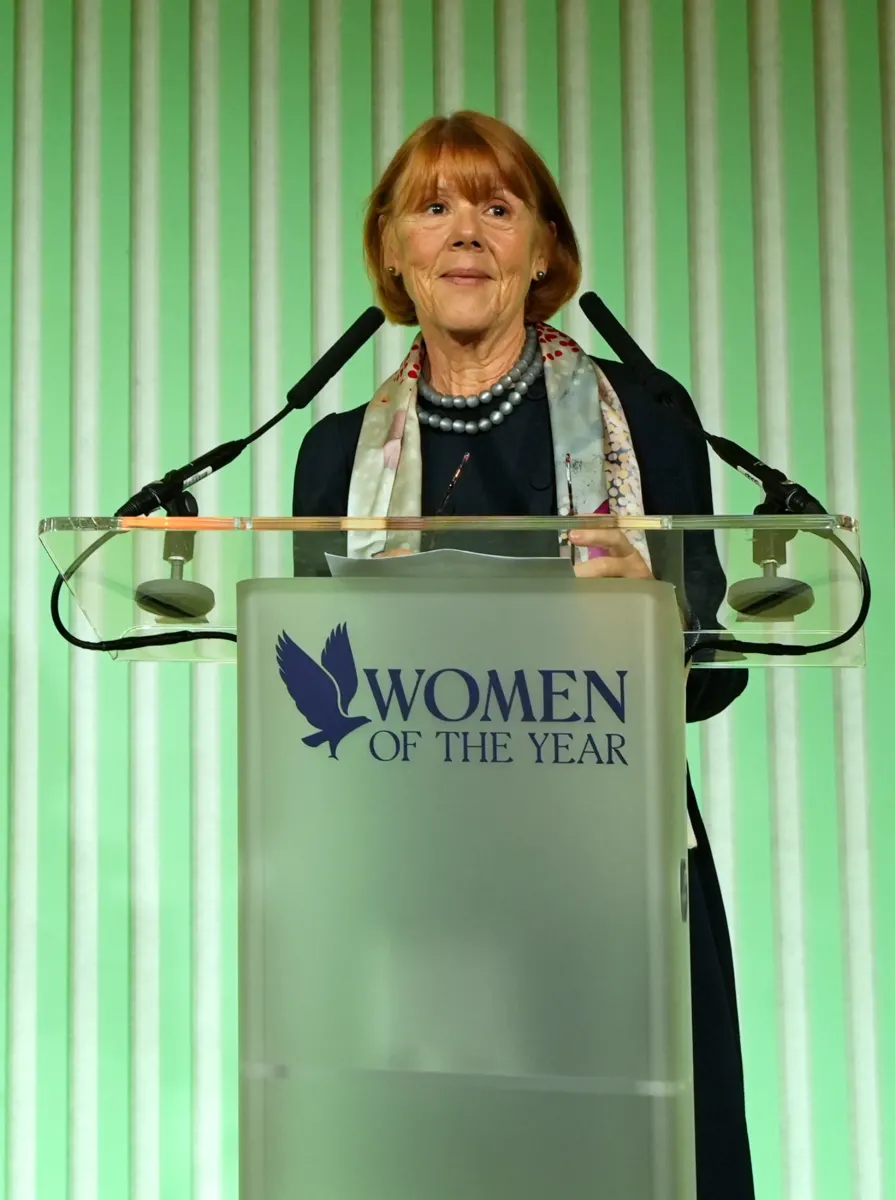
“Today I find myself once again humiliated, exposed and hurt,” Pelicot continued. “As if the ordeal of the trial had not been enough.”
Pelicot has announced she will pursue legal action against both the publisher and Prokhoris. Her lawyer, Christophe Bigot, told reporters she was “devastated by what happened” and claimed the book itself “calls into question her status as a victim.”
Prokhoris, responding to the fallout, told AFP that she placed “full responsibility” for the “inappropriate” campaign on Tinbad.
Tinbad has since issued a public apology on its website, calling the distribution “an unfortunate and inappropriate communication.” The publisher stated it would cease all printing and promotion of the book beyond the 280 copies already in circulation. “We offer our sincerest apologies to Ms Gisèle Pelicot,” the statement read, while also extending apologies to Prokhoris. Tinbad maintained that “no images of rape or pornographic videos” were sent to media outlets.

The photographs at the heart of this dispute were originally taken by Dominique Pelicot, who was sentenced to 20 years in prison in 2024 after a French court found him guilty of aggravated rape, attempted aggravated rape of the wife of one co-accused, and taking indecent images of his daughter Caroline and his daughters-in-law. For years, he had drugged and raped Gisèle, his then-wife, and arranged for approximately 50 other men to sexually assault her while she was unconscious. The mass trial, which convicted Dominique alongside dozens of co-defendants, drew sustained international coverage and sparked widespread debate in France about consent, marital rape, and victimhood.
The case became a touchstone for feminist activists after Gisèle Pelicot chose to face the courtroom publicly, rejecting the anonymity typically afforded to sexual assault survivors in French proceedings. Her decision to be named and photographed during the trial was framed as a deliberate political act to shift stigma from victims to perpetrators.
That deliberate choice to be seen on her own terms now stands in stark contrast to the unauthorized circulation of intimate images for commercial gain.