

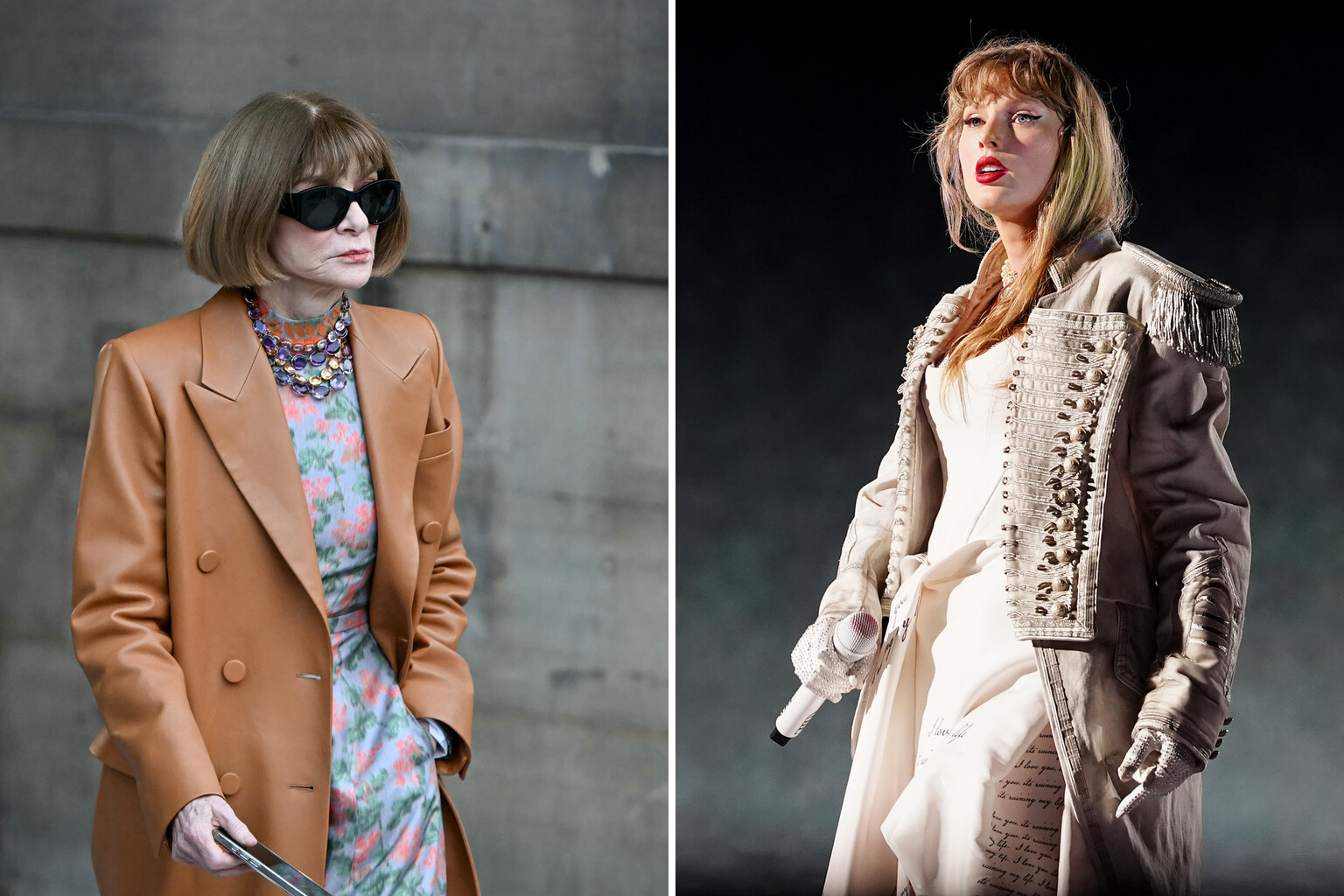
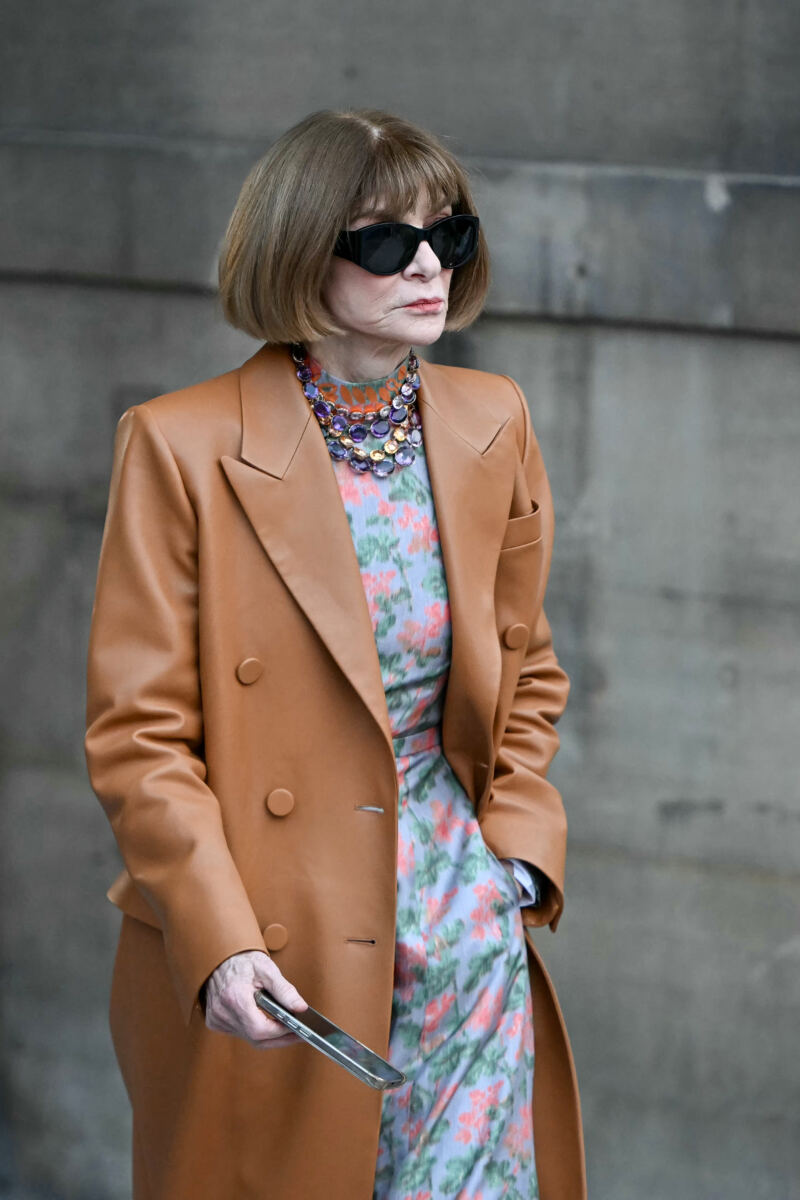
Anna Wintour wants nothing to do with Vanity Fair’s controversial Taylor Swift profile, according to a source familiar with the situation at Condé Nast.
The Vogue editor-in-chief, 75, “doesn’t want to be involved in any of this,” the source said, as tensions flare inside the publishing giant’s One World Trade headquarters over the magazine’s aggressive takedown of one of pop music’s biggest stars. Staffers are reportedly baffled that a flagship title would deliberately provoke Swift, whose global fanbase and cultural influence make her a powerful ally or adversary for any media brand.
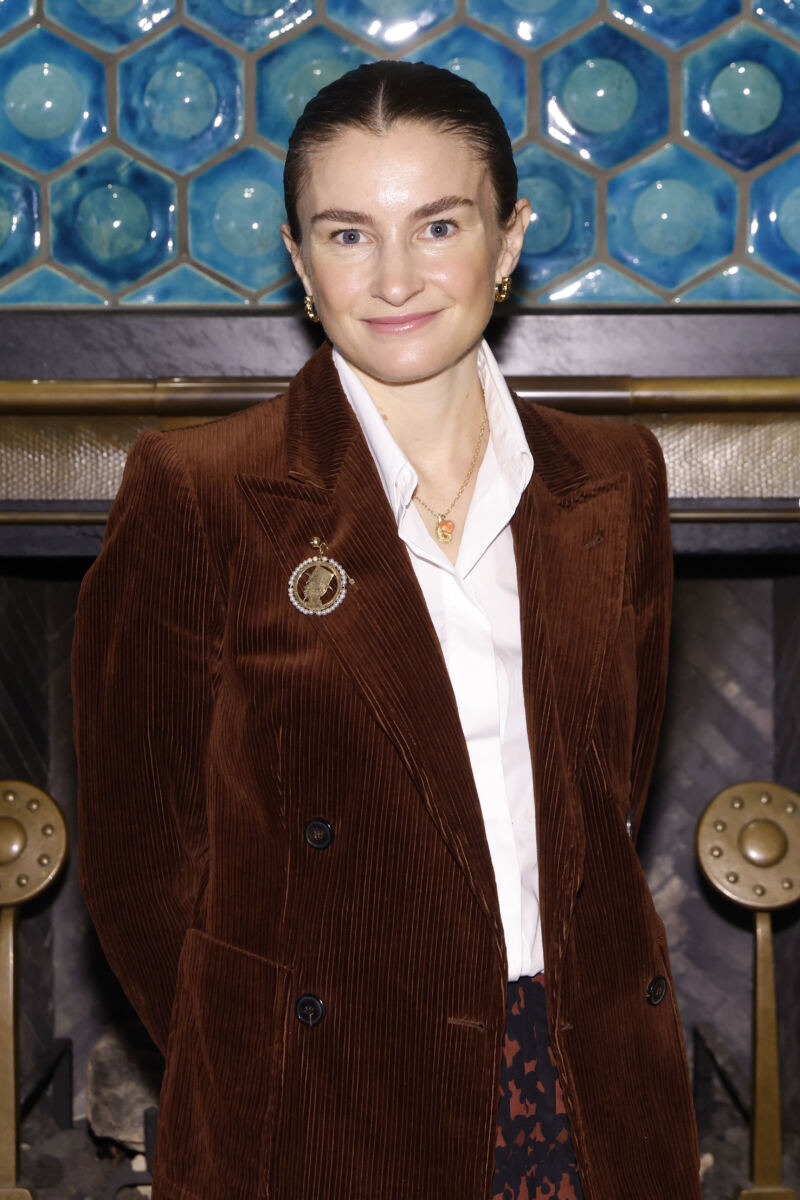
Chloé Malle, Vogue’s head of editorial content, has been vocal internally that the piece was unnecessary. “There was nothing there” to justify a hit job in the first place, a source said Malle has been grumbling to colleagues. Her concern centers on burned bridges: Swift’s presence at the Met Gala and potential Vogue cover appearances now hang in the balance. “It’s creating a lot of confusion that Condé is going after her in such an aggressive way for no reason,” a source explained.
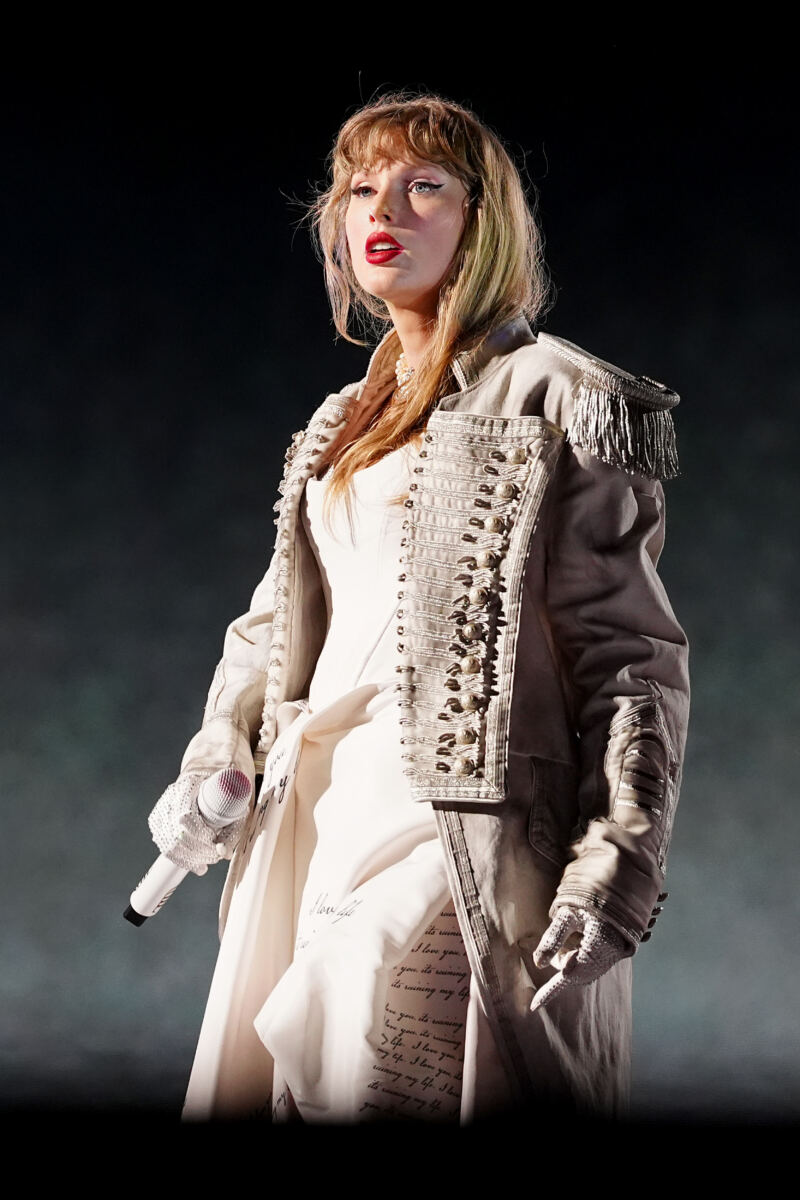
A representative for Wintour and Vogue pushed back hard on any suggestion of distance from the controversy. “There is no truth to any of it,” the rep stated flatly, insisting Wintour knew about the article before publication just as she does with all content under her authority. The profile, titled “The Mastermind,” drew on interviews with roughly 100 sources from Swift’s life, including high school classmates who accused the singer of bullying behavior reminiscent of “Mean Girls” antagonist Regina George.
The piece originated not from a staff pitch but from Mark Guiducci himself, the magazine’s first global editorial director, whom Wintour personally selected for the role. “Mark is interested in getting attention and doing daring, interesting things,” a source said. “He wants to be willing to go after people when the story is there.” The same source noted Guiducci “knew the risks that came with offending Swift” and calculated that the attention would outweigh the fallout.
That calculation appears to be paying off. “He’s very happy people are clicking on the story,” a source close to Guiducci said. Traffic has surged since publication, and a Vanity Fair insider praised him for giving the magazine “a totally new lease on life.” The insider added that Guiducci has “brought in fresh readers and grown the business,” with subscriptions climbing consistently for more than a year. “Both the Vanity Fair team and Condé Nast are extremely happy with the direction of travel,” they said.
Despite whispers from entertainment industry observers that Guiducci’s job might be threatened by the backlash, a Vanity Fair spokesperson dismissed such talk outright. “Any notion that Mark’s job is in trouble is categorically false,” the spokesperson said. A highly placed source inside One World Trade went further, calling him “a golden boy” at the company.
The internal divide reflects competing instincts within Condé Nast’s elite ranks. Wintour, according to a source, “prefers access” — the carefully negotiated exclusives and relationships that have defined her decades-long reign. The Swift profile’s confrontational approach runs counter to that philosophy. Malle’s frustration reportedly stems from seeing a valuable potential cover subject and Met Gala attendee antagonized without sufficient cause.
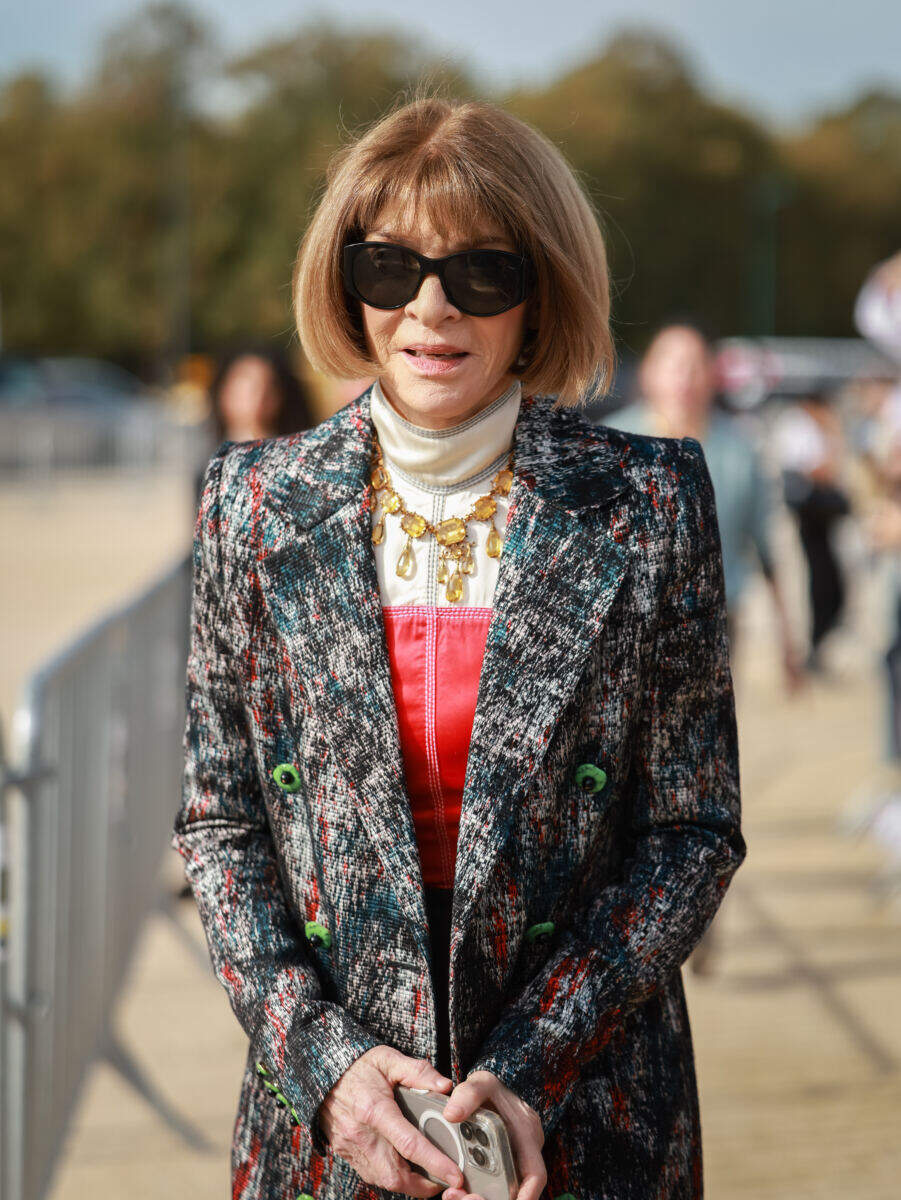
Guiducci, however, seems untroubled by the friction. Multiple sources confirmed the profile succeeded as a deliberate attention-grabber. “He knew the risks that came with offending Swift,” one source reiterated, and “doing so was a calculated decision.” The piece has dominated cultural conversation since publication, driving the kind of engagement that translates to the metrics publishers covet most.
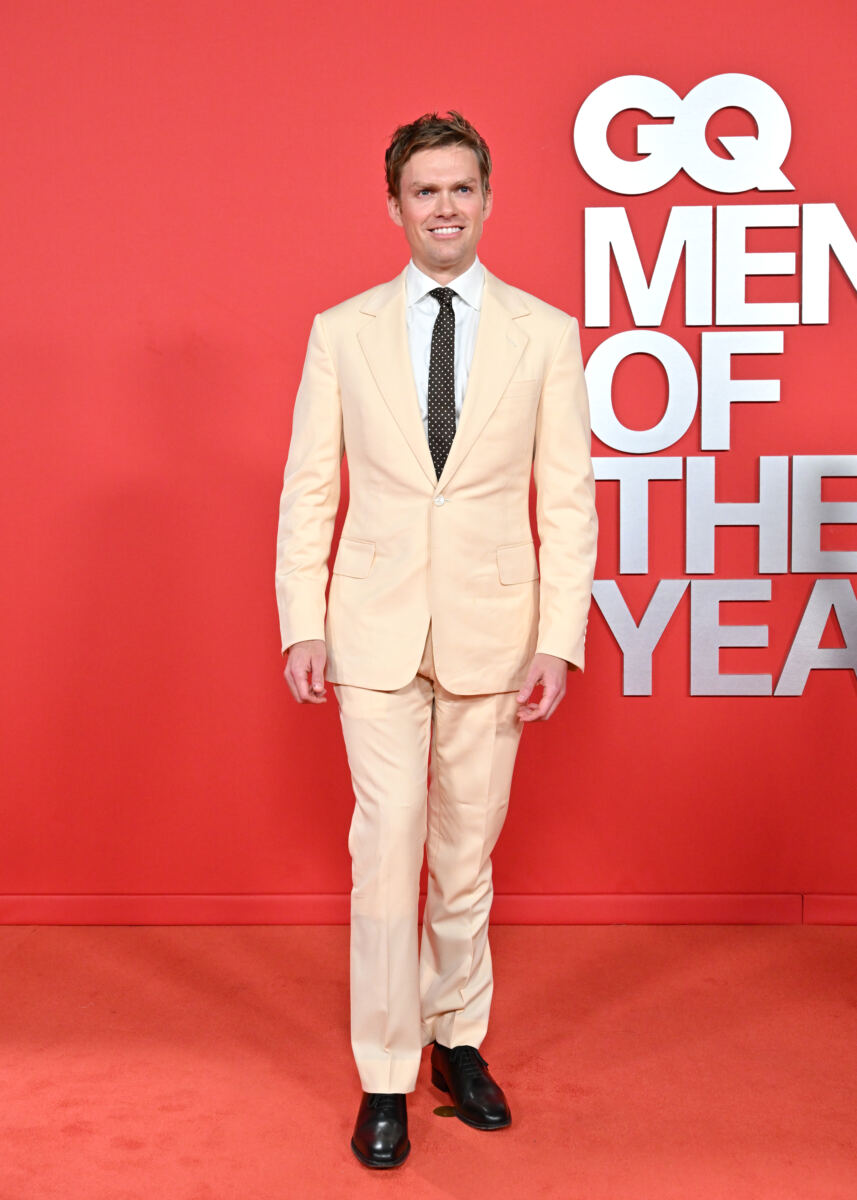
The profile’s methodology — assembling a wide network of Swift’s past associates to construct an unflattering portrait — has drawn scrutiny alongside the internal Condé Nast tensions. High school classmates featured in the piece painted the singer as manipulative and exclusionary, behavior they likened to the fictional queen bee played by Rachel McAdams in the 2004 teen comedy.
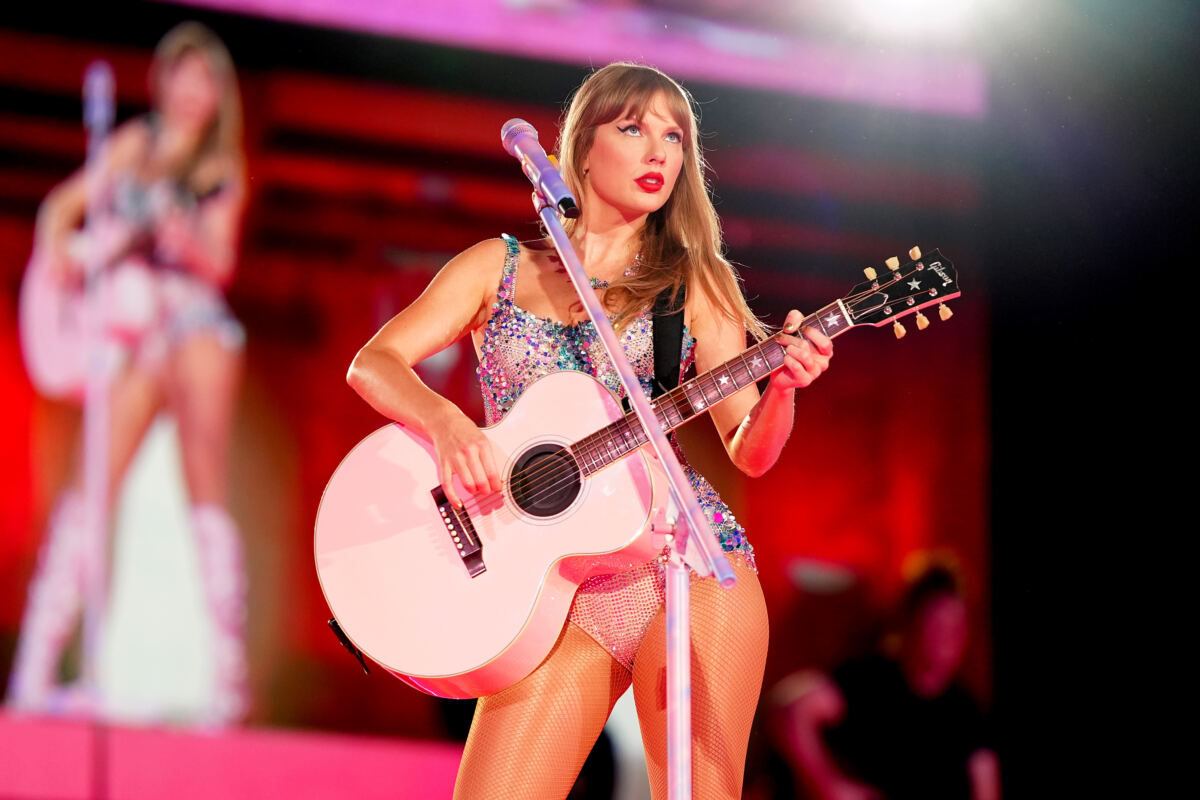
Whether the long-term damage to Condé Nast’s relationship with Swift proves costlier than the short-term traffic boost remains an open question inside the company’s corridors. Malle’s concerns about “unnecessarily” burning bridges reflect a strategic worry that extends beyond any single article to the ecosystem of celebrity access that sustains glossy magazine culture.
For now, Guiducci appears secure in his position and satisfied with the outcome. A source summarized his stance simply: the profile was “daring,” the attention was intentional, and the numbers speak for themselves.
Swift has not publicly responded to the profile’s allegations.